Reviews of Grace Care Center at Northpointe & Nstep Rehab present a markedly mixed picture with distinct positive elements alongside recurring operational weaknesses. Many families emphasize strong rehabilitation capability and compassionate direct-care staff; others report significant clinical and management lapses that affected safety, clinical outcomes, and family trust. The overall pattern suggests the facility can deliver excellent short-term rehab and loving individual caregiver attention, but that quality is inconsistent and appears vulnerable to staffing and oversight variability.
Care quality and clinical safety: Several families described strong nursing and CNA relationships and effective therapy that produced measurable mobility gains after surgery. At the same time, reviewers documented operational problems that indicate systemic weaknesses: medication-administration controls that failed at times (wrong prescriptions, computer-related administration errors), missed clinical tasks (vital checks, feeding assistance), pressure-injury and weight-loss concerns, and repeated falls or transfers that required acute care. These issues point to gaps in clinical oversight, handoff practices, and safety-process adherence rather than isolated single incidents.
Staffing and staff conduct: Direct-care staff were frequently praised as compassionate, attentive, and family-oriented; multiple reviewers named individual nurses and aides as exemplary. However, the facility also shows patterns of short-staffing, high turnover, and variable conduct. Consequences cited include slow response times to call lights, delays in basic care tasks, inconsistent bathing and incontinence-care practices, and instances of unprofessional behavior such as inattentiveness during family interactions. These mixed reports suggest that resident experience can depend heavily on which staff are on shift.
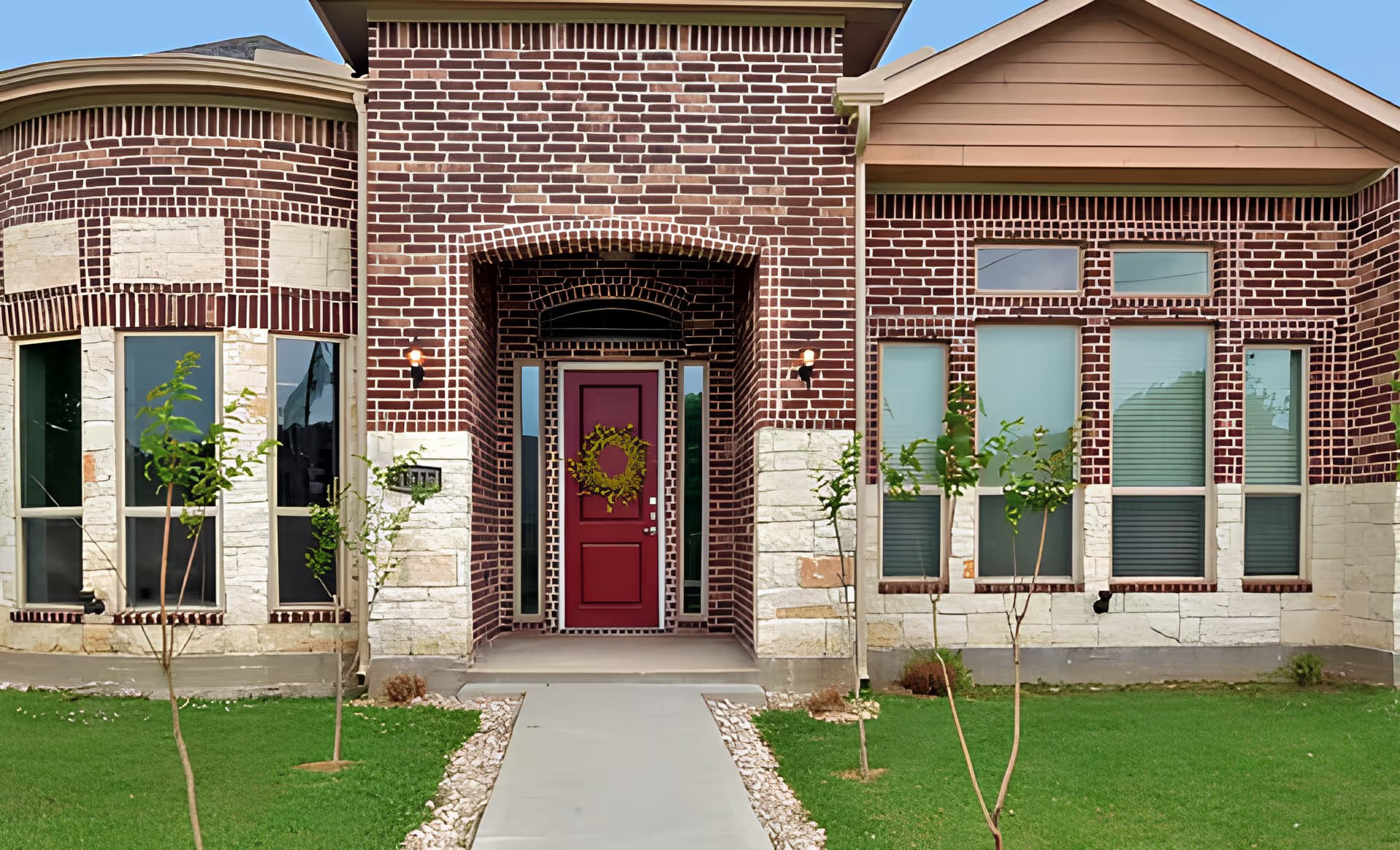
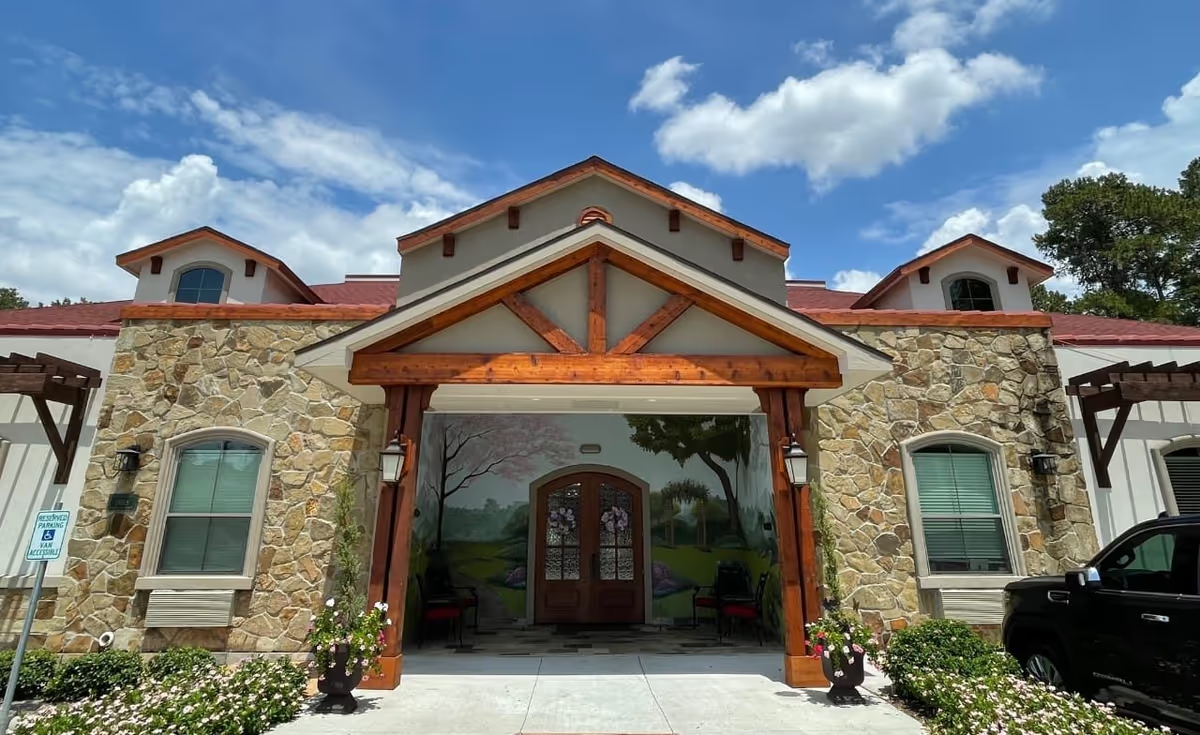
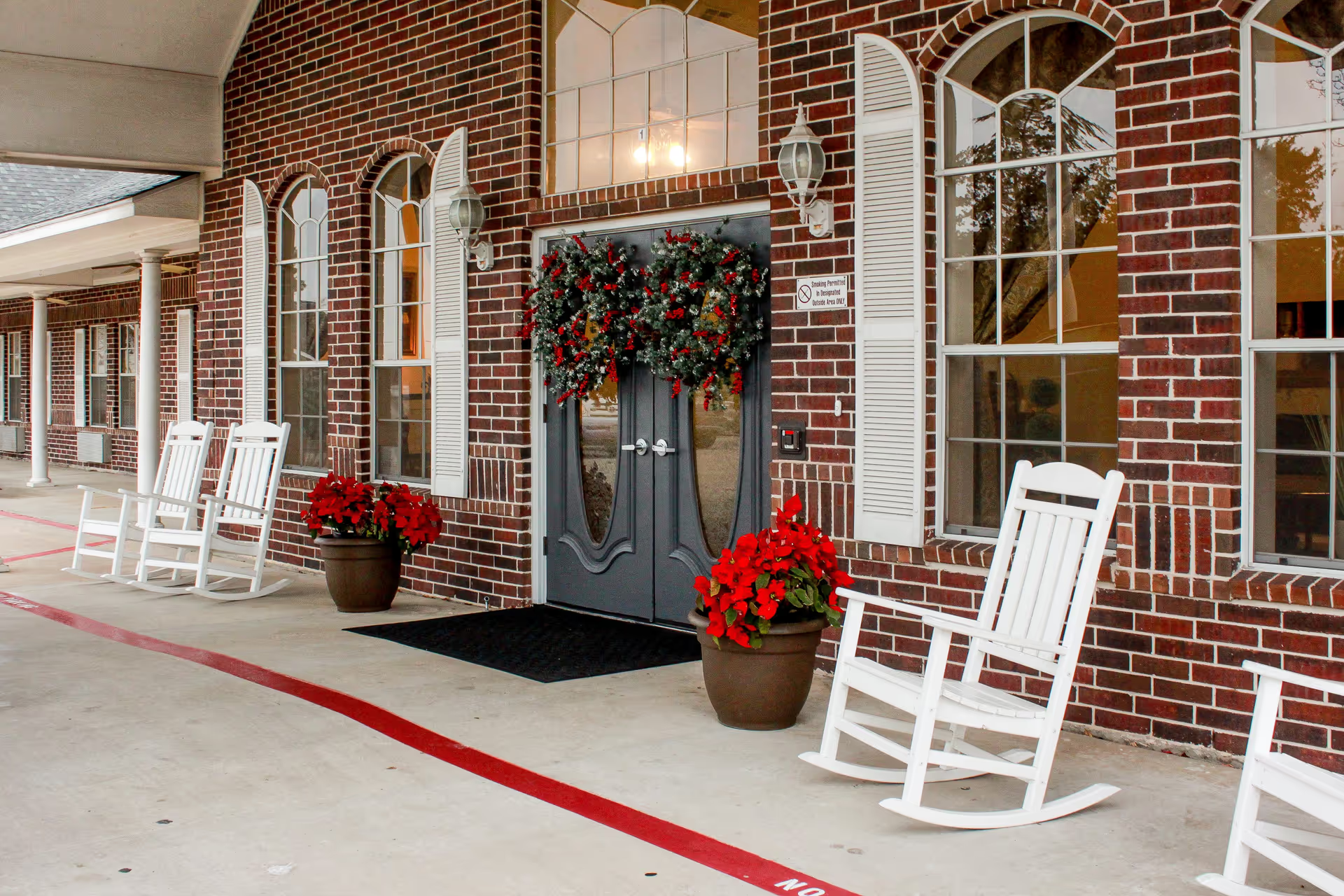
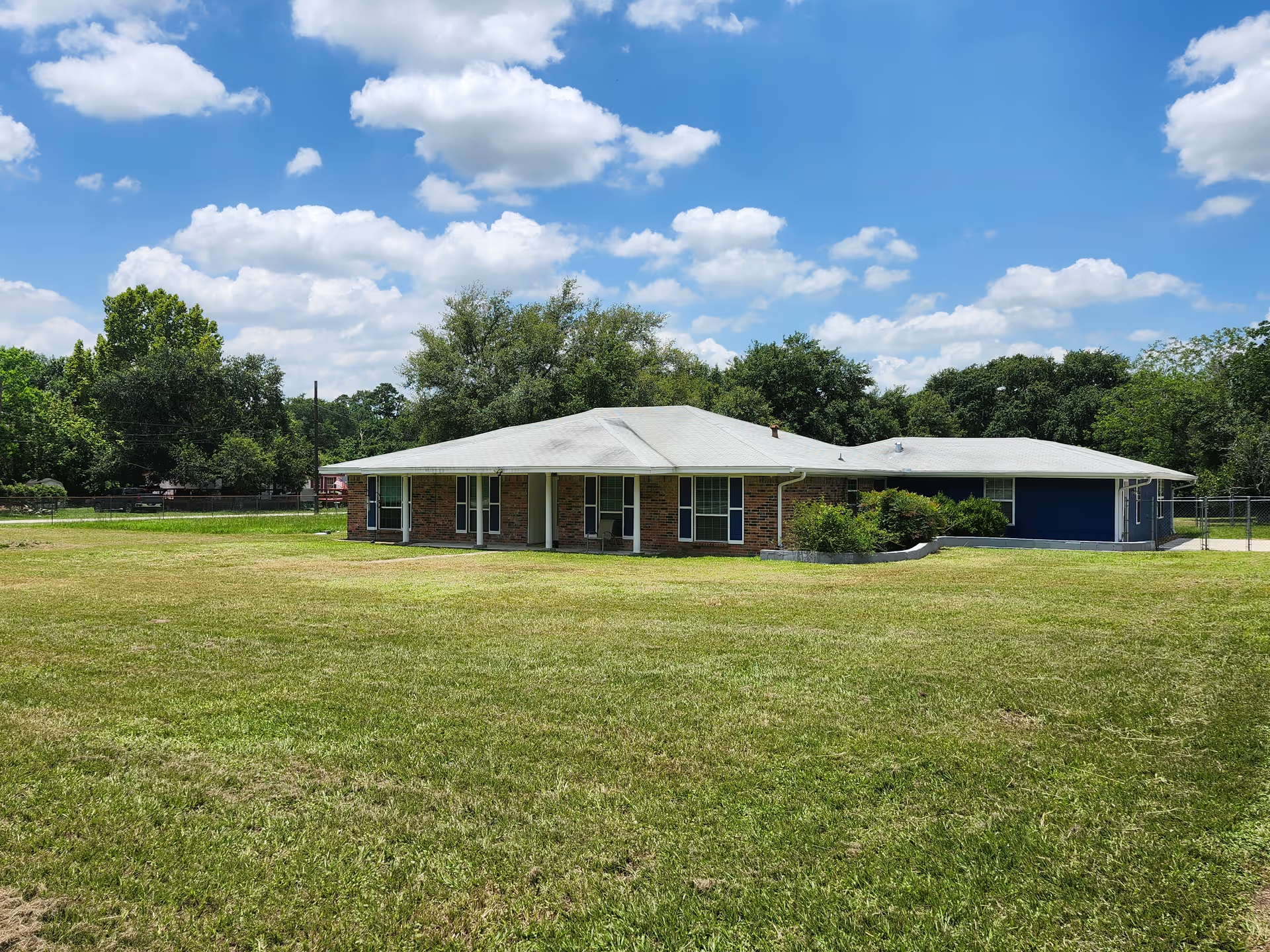
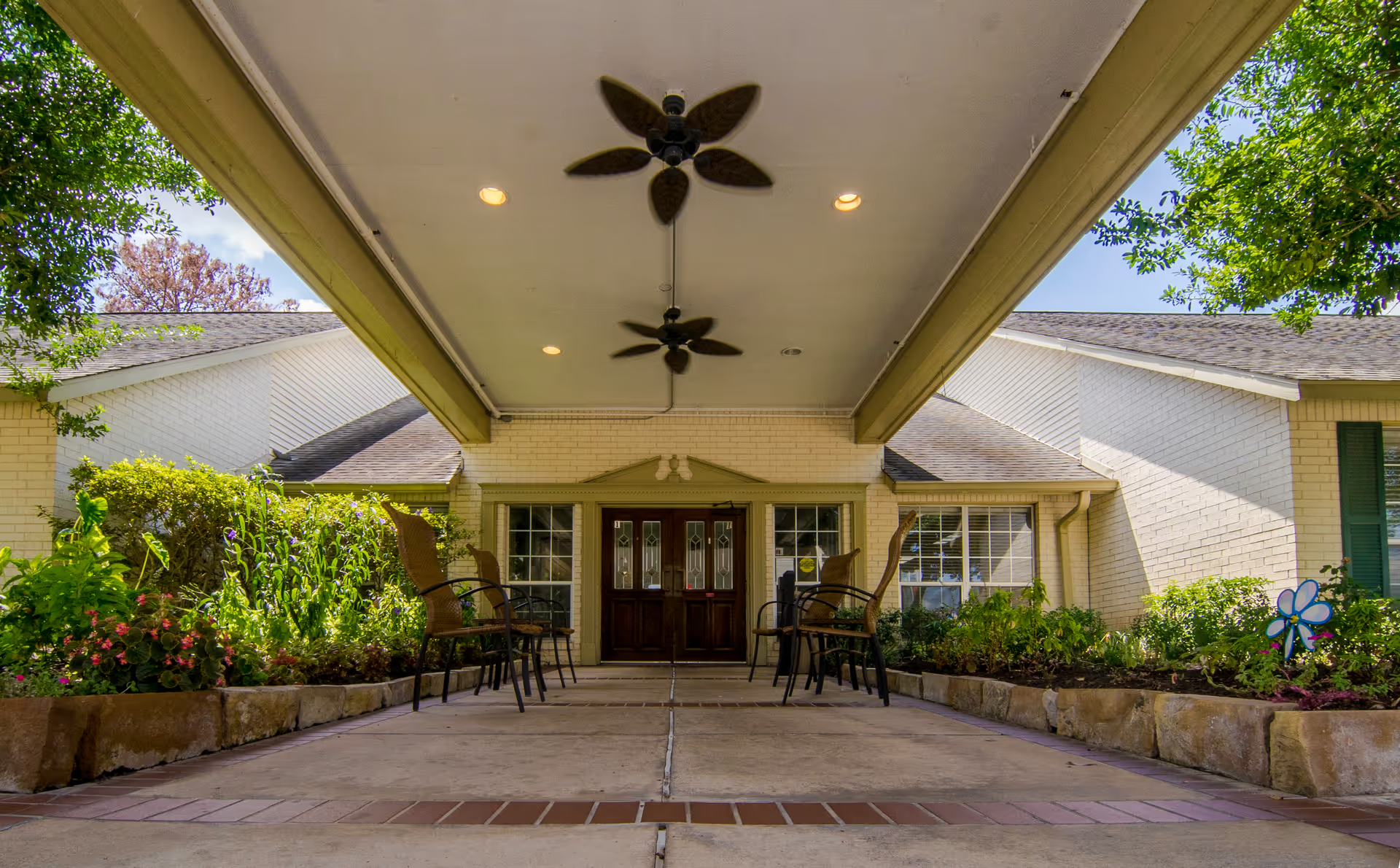
Dining, activities, and environment: The facility’s activity programming (bingo, happy hour, singing groups, light exercise) and therapy-focused environment are clear strengths for many residents, contributing to social engagement and rehabilitation momentum. Opinions on dining and housekeeping are divided: some reviewers describe appealing decor, cleanliness, and pleasant common spaces, while others report decline in food quality, cold or repetitive meals, and odor or sanitation concerns in certain areas. The physical plant is often described as attractive and well-appointed, but maintenance and sanitation consistency appear uneven.
Management, communication, and administration: Administrative experiences vary widely. Several families praised admissions and administrative staff for being helpful, flexible, and responsive; others cited poor communication, delayed problem resolution, billing frustrations, and a perceived lack of accountability when clinical concerns arose. A handful of reviews reference regulatory complaints and even allegations of staff substance-use issues; these raise the importance of transparent incident investigation and stronger oversight. Financial and insurance navigation (including Medicare acceptance and billing) was also called out as a pain point by some families.
Notable patterns and guidance for families: Two consistent themes emerge — (1) the facility can provide strong, effective short-term rehabilitation and has many caring staff members who deliver excellent bedside care; (2) there are recurrent operational weaknesses (medication controls, staffing reliability, communication, and certain aspects of personal care) that can materially affect resident safety and family confidence. Prospective residents and families should vet the facility’s current staffing levels, medication-safety protocols, incident reporting and follow-up practices, and billing/insurance procedures. When possible, meet therapy leaders and nursing supervisors, ask for recent inspection/complaint resolutions, and seek introductions to direct-care staff who will be assigned to the resident to better assess likely day-to-day experience.