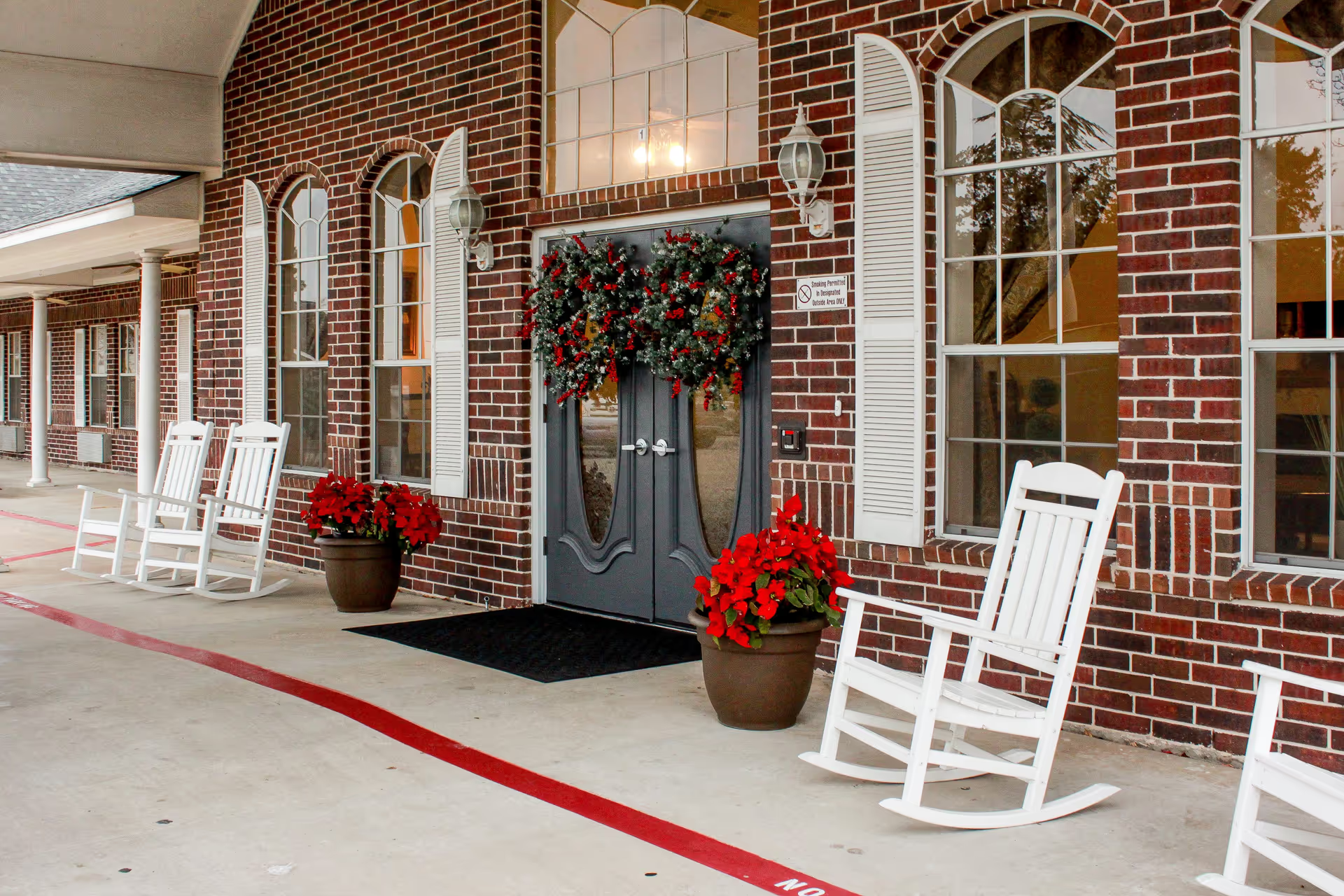
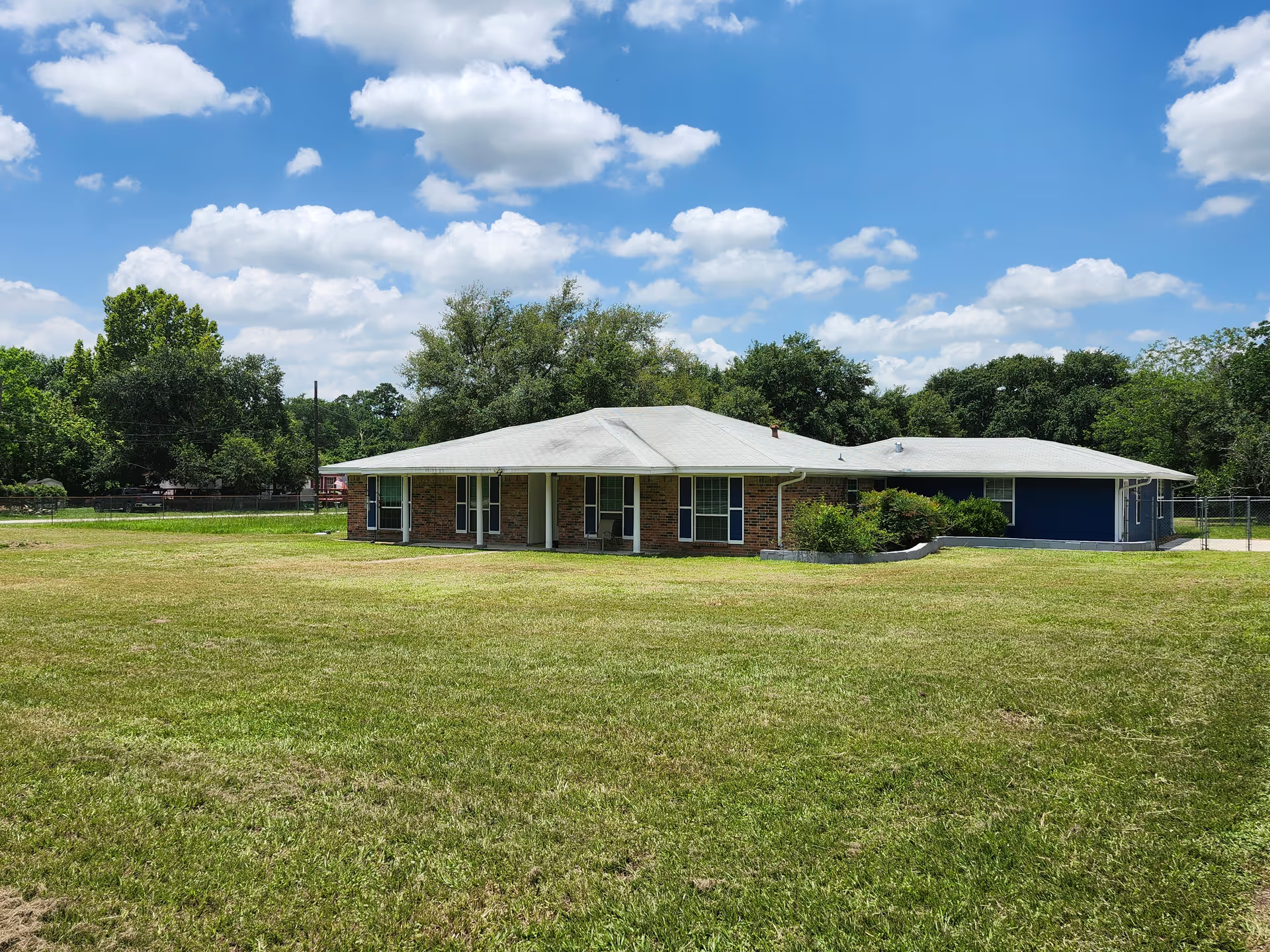
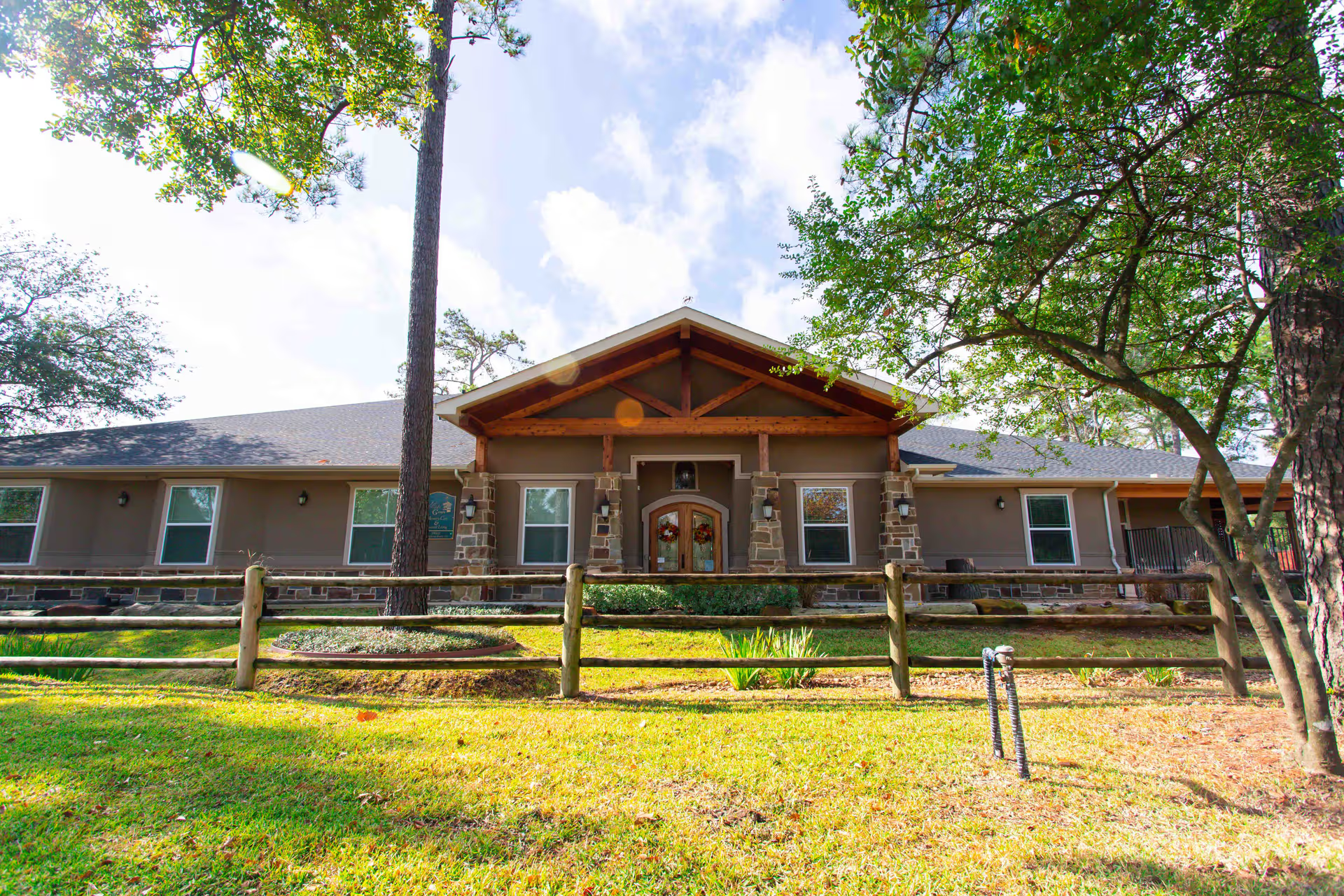
Overall impression: Tomball Retirement Center is described as a warm, homey community with a strong emphasis on compassionate resident care and social engagement. Families and residents frequently describe frontline staff and direct-care aides as attentive, personable, and willing to go beyond routine duties. The facility positions itself as apartment-style independent living that scales to assisted services, and reviewers commonly cite a family-like culture, cleanliness of common areas, and a range of on-site amenities that support daily life.
Care and staff: The staff presence, including a 24/7 front desk and on-site nursing resources, is a consistent strength. Reviewers note responsive call-button service, nursing staff who address medication questions, and staff who help coordinate outside resources and hospice when needed. Many accounts emphasize individualized attention, frequent communication with families, and staff who provide emotional as well as practical support during hospitalizations or care transitions. At the same time, a few comments point to occasional leadership turnover and periodic staffing changes, which prospective residents should consider when evaluating continuity of management.
Dining and activities: Dining is a prominent feature of community life. Multiple reviewers praise the kitchen for home-style cooking, healthy breakfasts, and special-event meals, while a smaller number raise concerns about inconsistent lunch/dinner quality and portioning. The community offers daily meal service with menu choices and tray-to-room options when required. The activity program is broad and active: bingo, card games, exercise classes, Bible studies, wine tastings, movie nights, karaoke, and regular local outings (including weekly shopping trips) are examples. These offerings contribute to an engaged resident population and a lively social atmosphere.
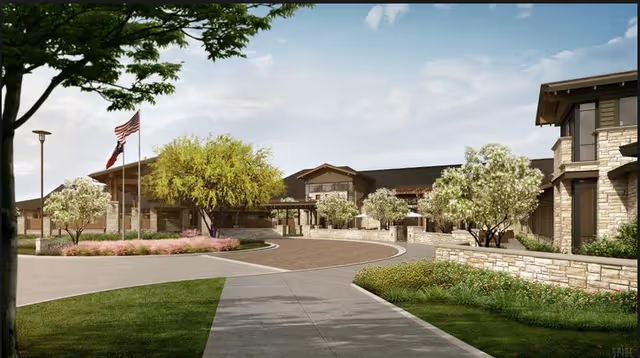
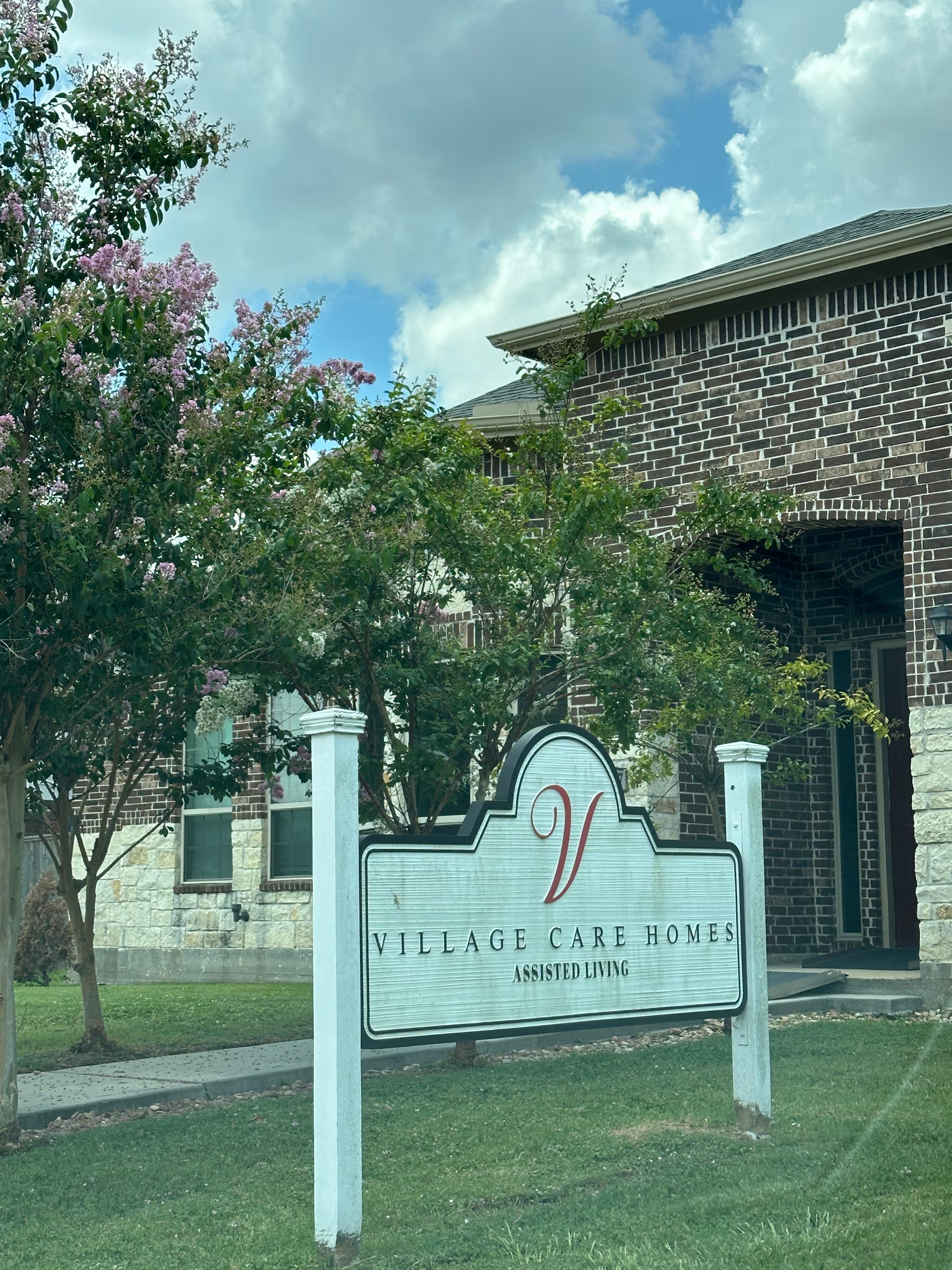
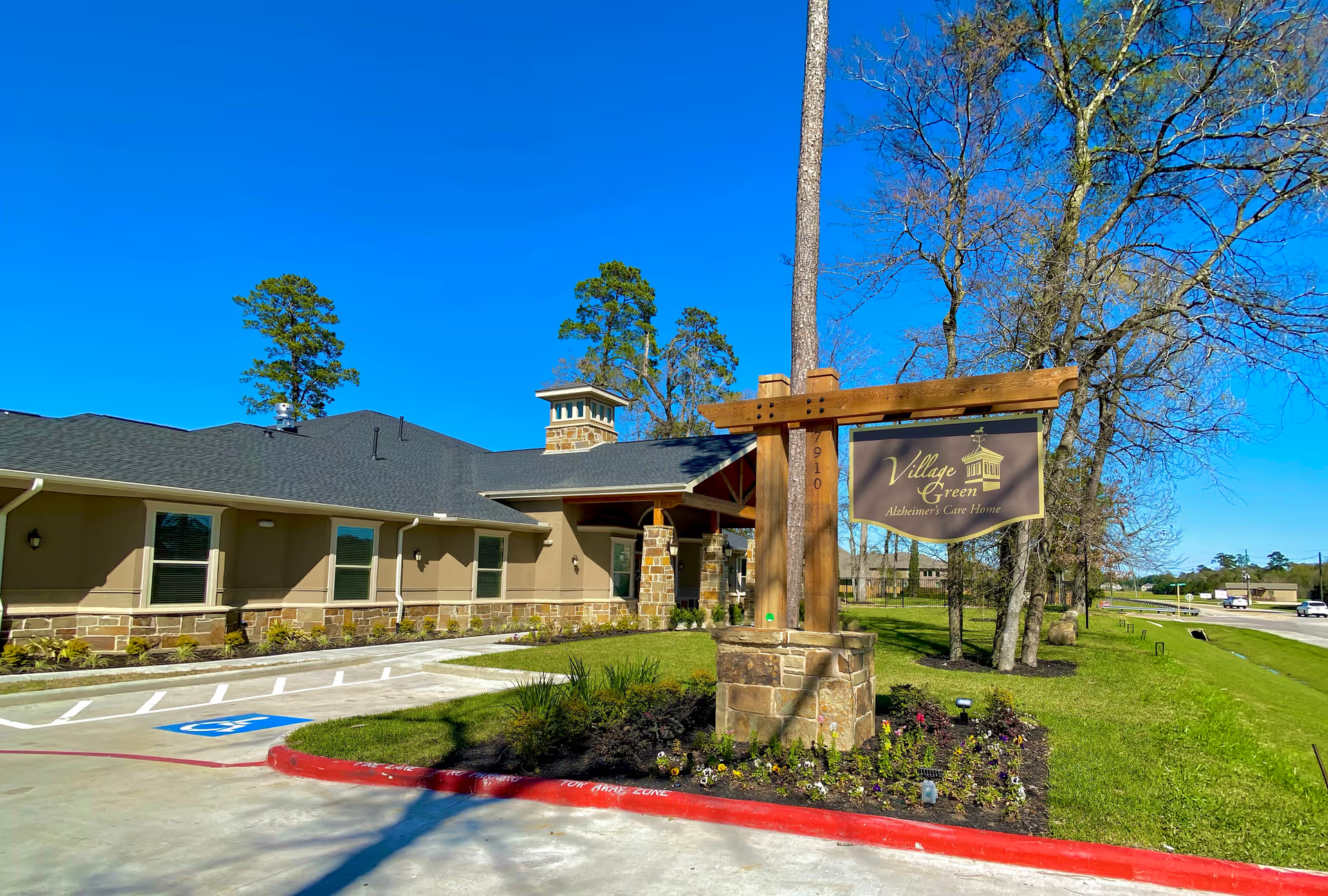
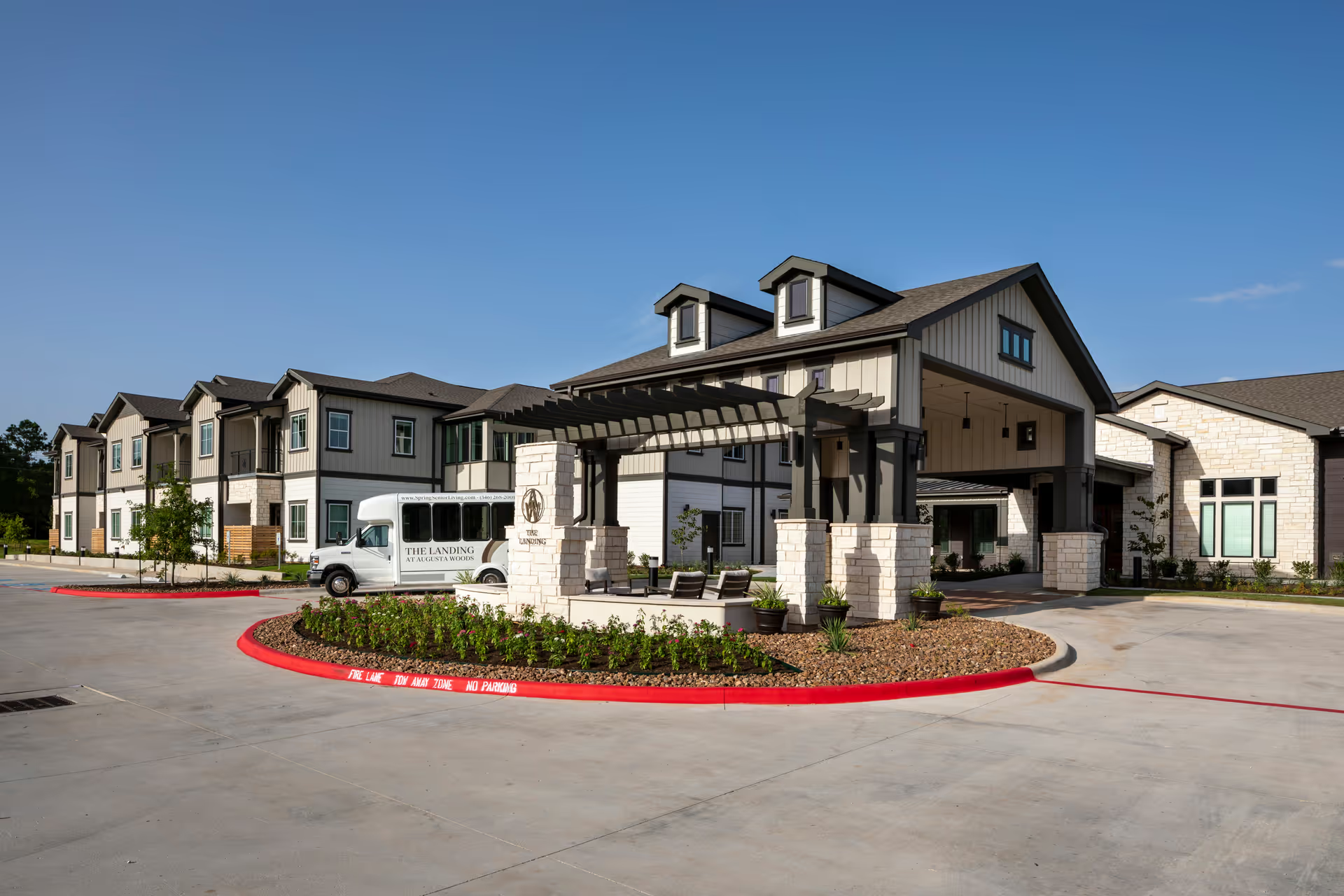
Facilities and accessibility: The campus contains many desirable common areas — library/reading room with a fireplace, beauty salon, puzzle room, multi-dining rooms, and outdoor garden space — and benefits from its proximity to a hospital. Physical plant limitations are present: the building is older, some apartments and bathrooms are compact, and kitchens are often limited (in many units there is no full stove). Units are sold/furnished as empty apartments, so residents must provide furniture and some household items. Renovations are underway in some areas, which leads to variability in unit condition; prospective residents who prioritize modern finishes or full accessible showers should verify the specific unit configuration.
Management, cost, and notable patterns: Value is frequently cited — many families view the community as affordable relative to alternatives — but a number of reviewers note upcoming rent increases or say price can be a little high for certain units. Communication with management is generally described as smooth and helpful, with staff assisting with VA benefits and outside resources. The dominant pattern across observations is a positive staff culture and strong social programming paired with an older but well-kept facility; key trade-offs are unit size, bathroom accessibility, and variability in meal experience and unit updates. Prospective residents should tour specific apartments, ask about renovation schedules and accessibility features, and discuss current fee and rent-increase policies to confirm fit.