Overall impression: The Village Green Memory Care Community in The Woodlands is frequently described as a warm, home-like memory care setting with many strengths in day-to-day caregiving. Families emphasize a culture of compassion, close staff–resident relationships, and leadership that is physically involved in operations. Caregivers are characterized as attentive and responsive, with actions that make residents feel valued; several families expressed strong trust and recommended the community based on those relationships.
Care quality and staff: Reviewers highlight consistent, person-centered caregiving, prompt assistance during urgent needs, and staff who present empathy and patience. Leadership is often described as hands-on and accessible, which supports continuity of care and strong rapport between families and employees. At the same time, a pattern emerges indicating gaps in dementia-specific training for some managers and staff. There are also accounts of interpersonal incidents and situations that point to inconsistent behavior-management and incident-response practices; these suggest opportunities to strengthen staff training in de-escalation and clinical approaches tailored to higher-acuity dementia behaviors.
Dining and activities: The dining program is viewed positively—meals are described as home-cooked, memory-evoking, and served in a way that contributes to a family-like atmosphere. Activities are characterized as engaging and meaningful, supporting resident engagement and social connection. The combination of programming and familiar meals appears to reinforce a comfortable, household-style environment for many residents.
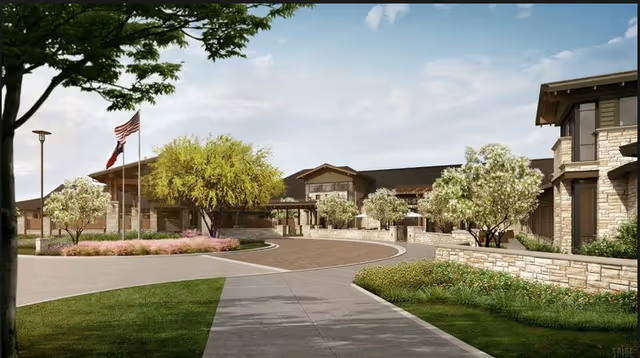
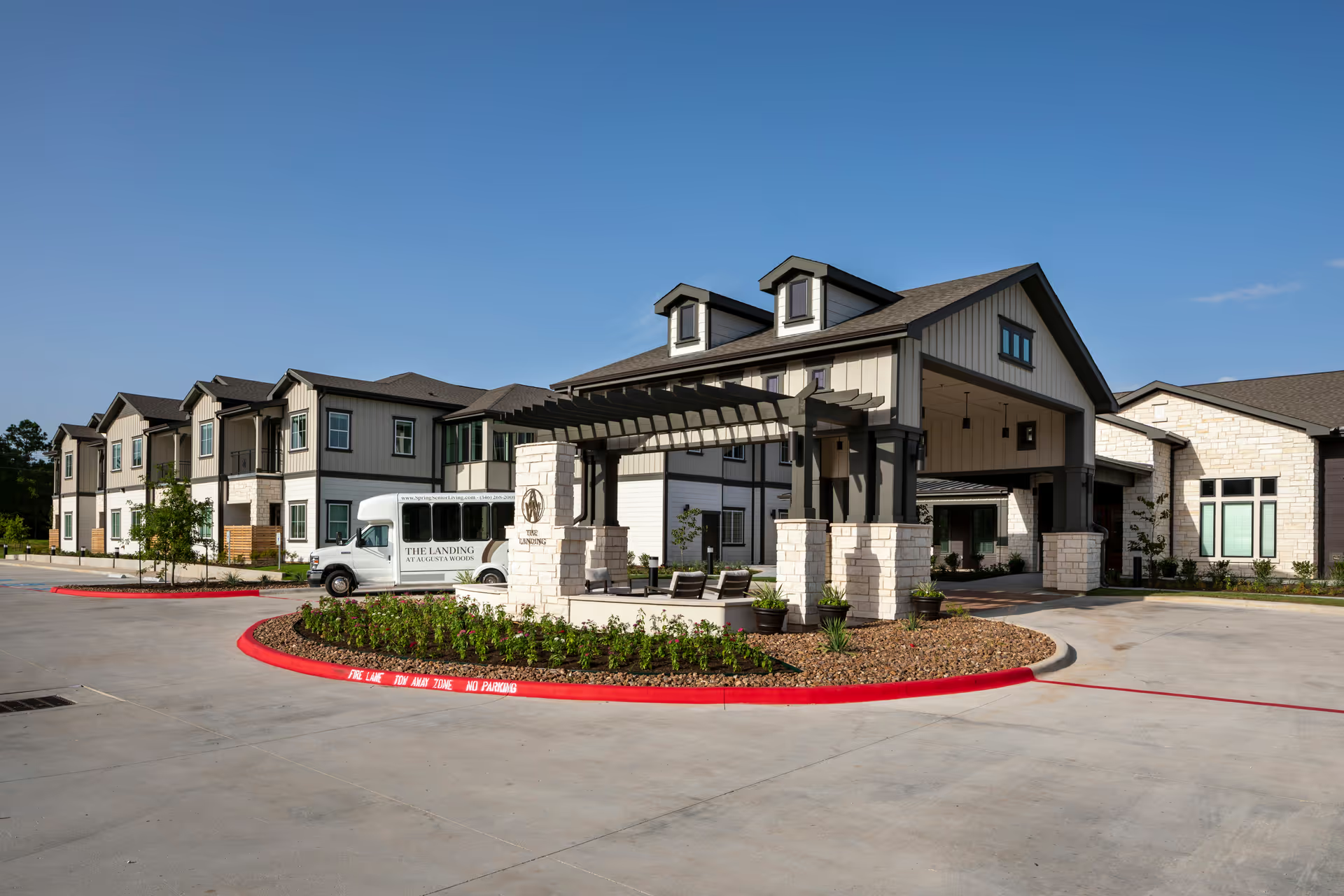
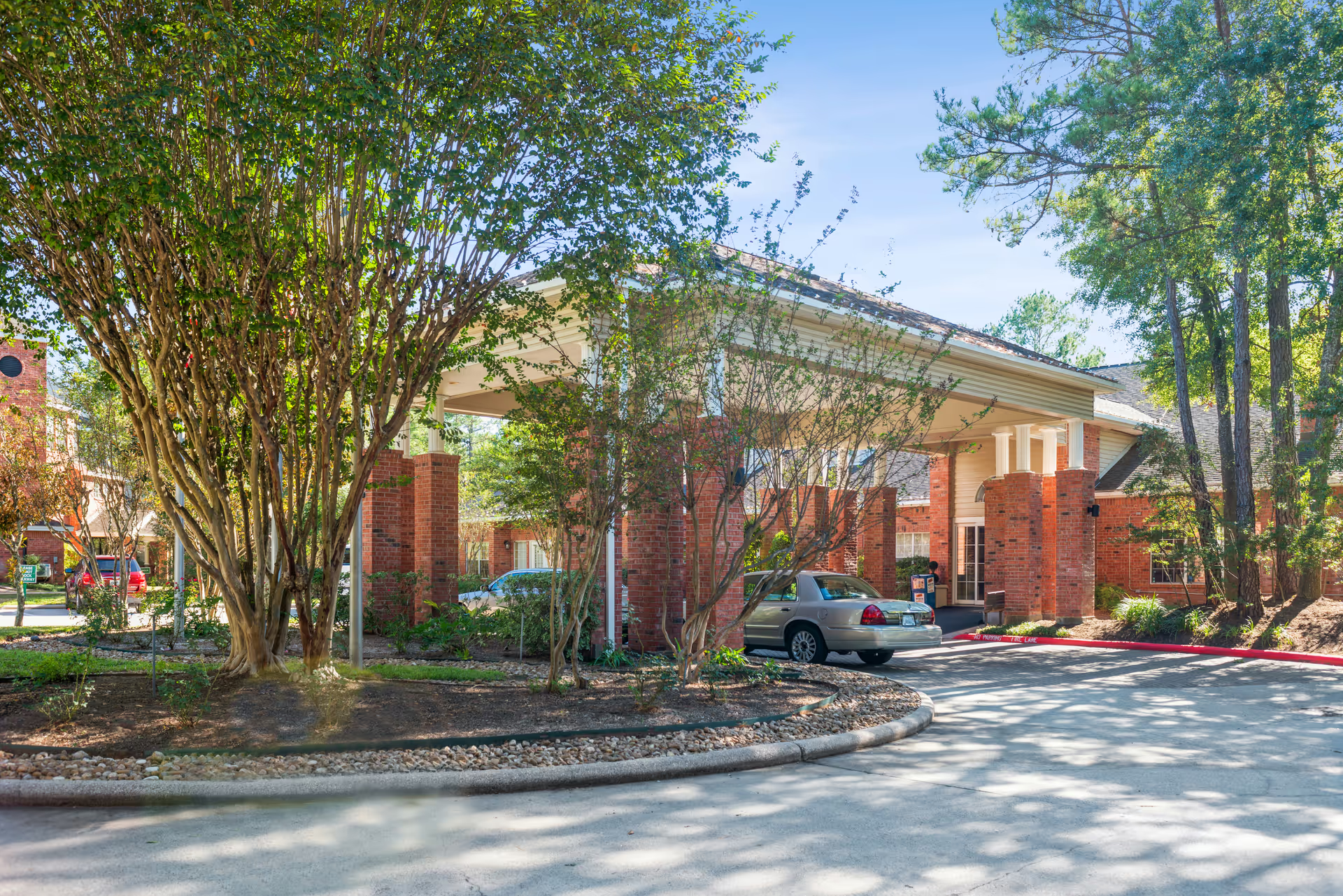
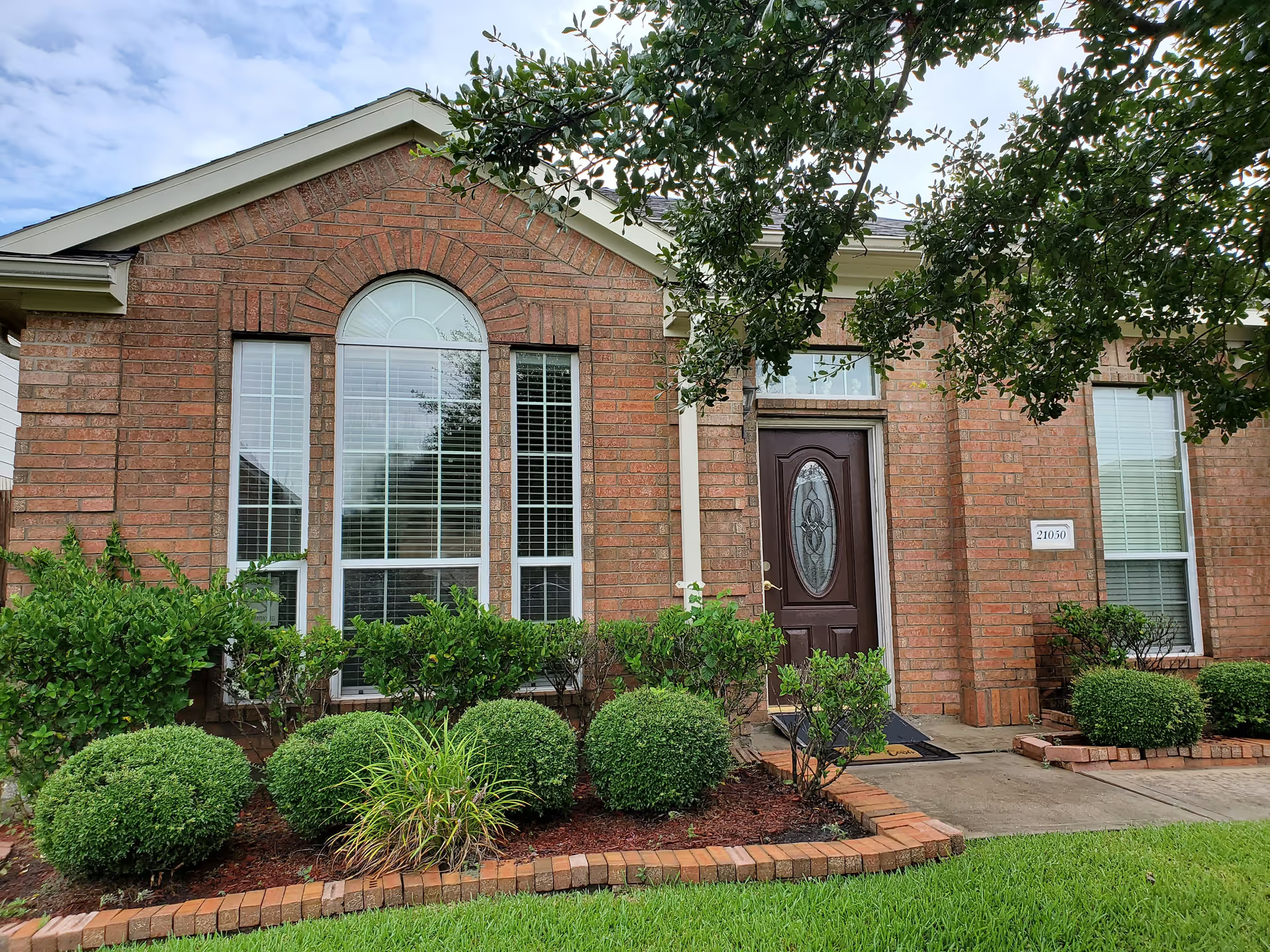
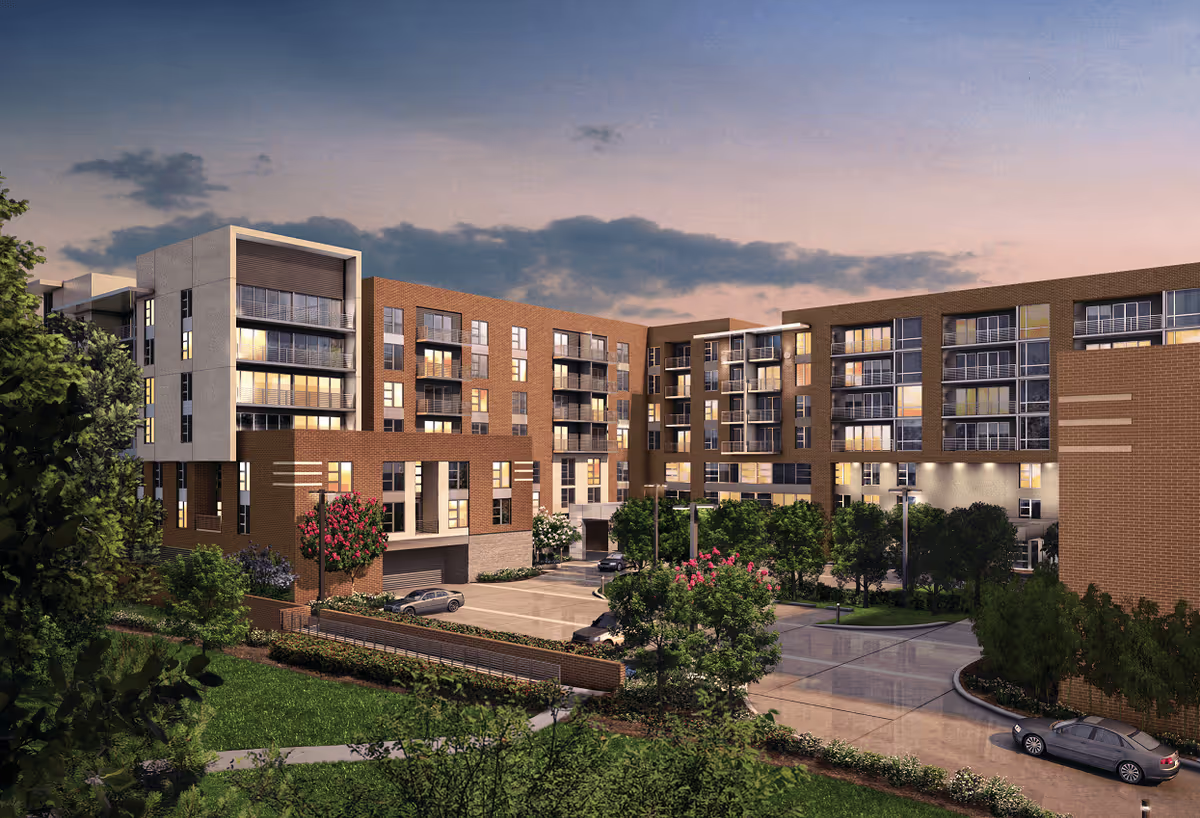
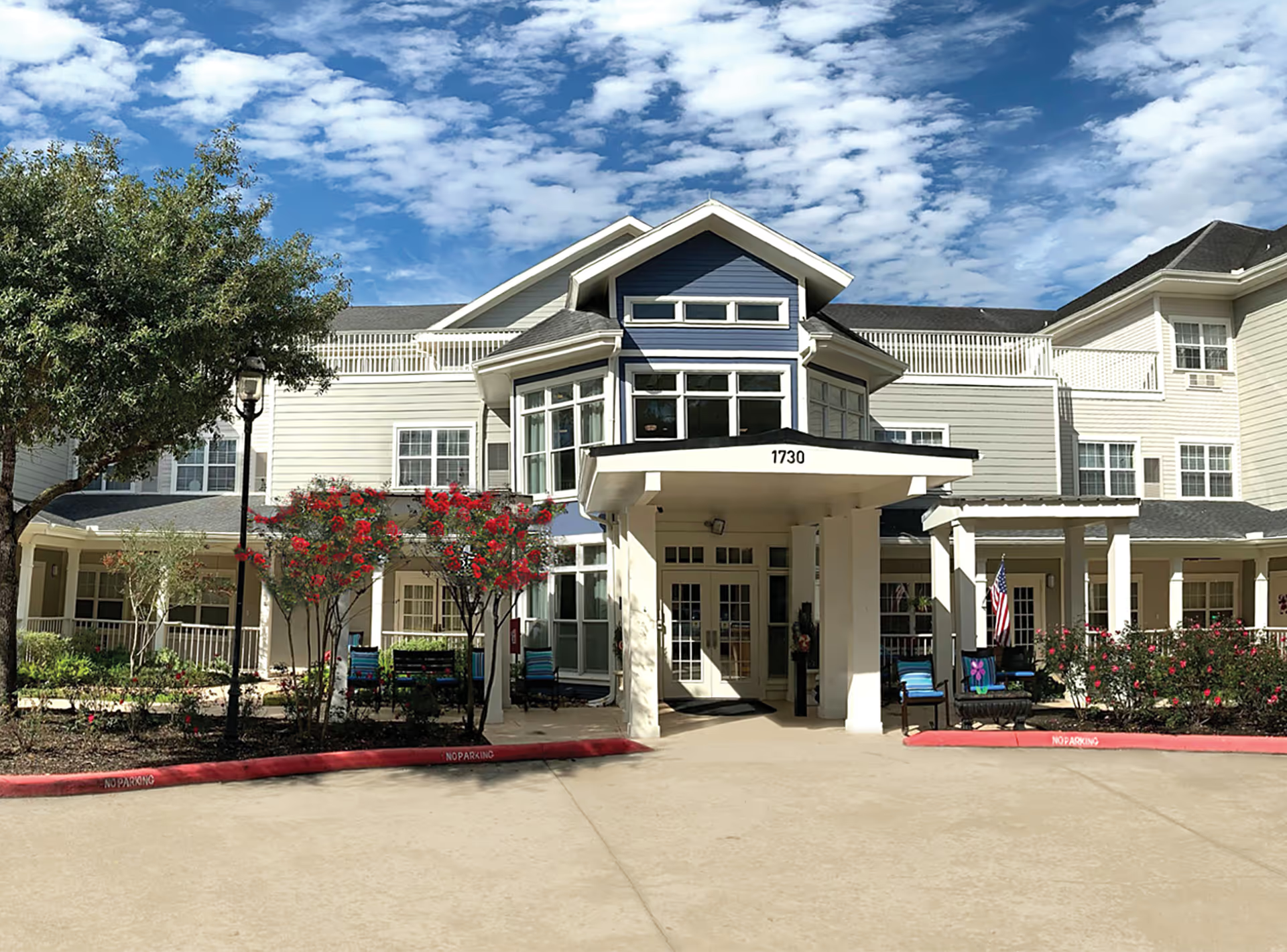
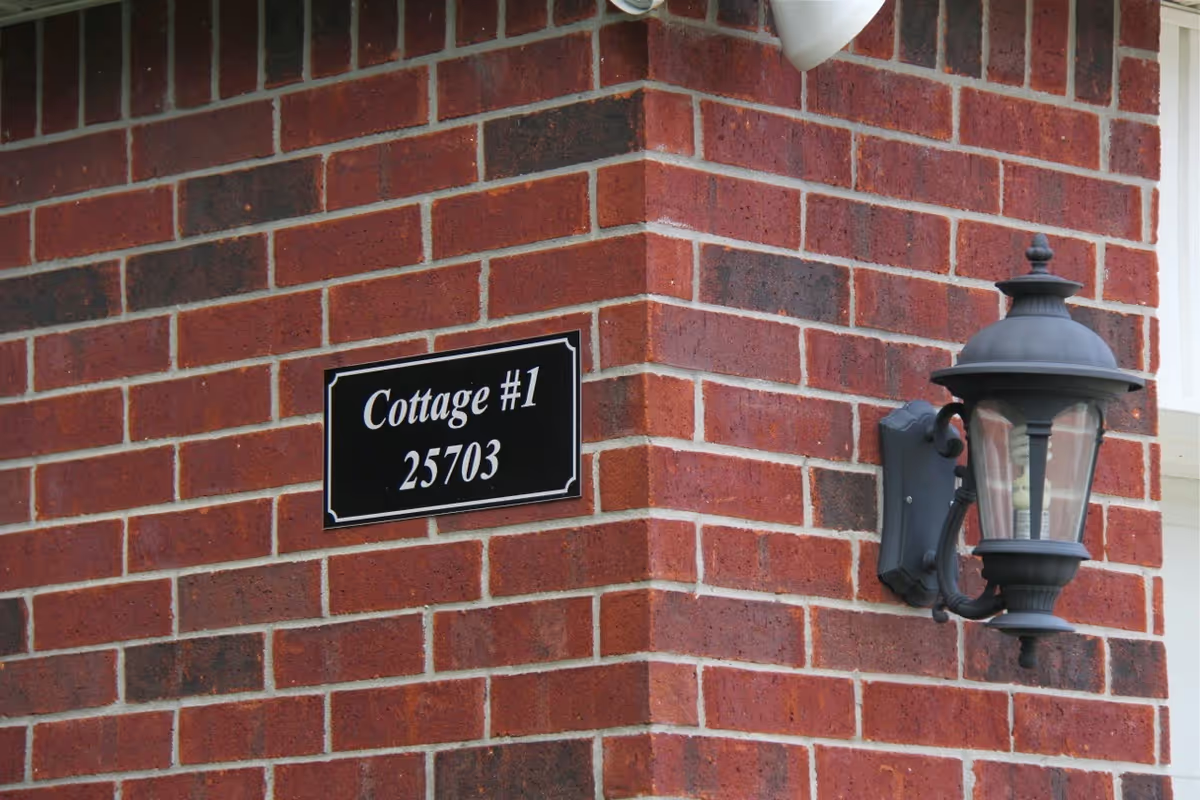
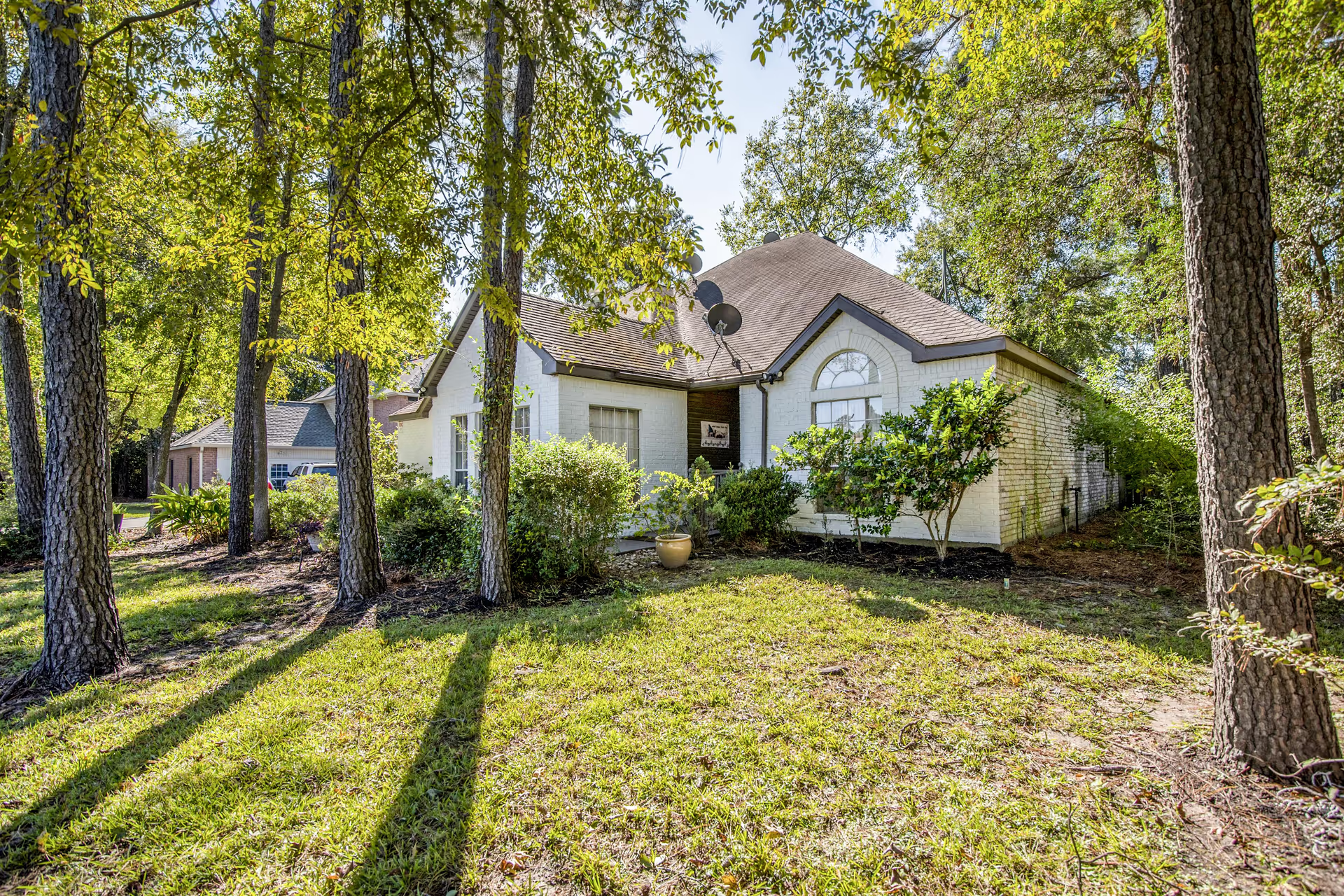
Facilities and environment: The physical environment is consistently described as clean, well-maintained, spacious, and welcoming. Residents and families report comfortable rooms and communal spaces that feel like a private home rather than an institutional setting. Small-facility scale is seen as an advantage for personalized attention, although that scale may also affect the range of clinical resources available on-site.
Management, billing, and admission practices: Leadership presence is a clear strength; several families praised specific managers for empathy and advocacy. However, there are operational concerns around billing transparency and entrance fees, including confusion about extra charges during hospitalizations. Reviewers also noted instances where resident acuity appeared higher than the facility’s optimal fit, indicating potential gaps in admission-suitability assessment and placement processes. Addressing clarity in financial policies and tightening admission and discharge criteria could reduce family stress and improve alignment between resident needs and available services.
Notable patterns and takeaway: The dominant themes are compassionate, relationship-focused care and a well-kept, home-like environment. These strengths are tempered by operational issues—particularly around dementia-specific training, behavior management, and billing transparency—that can affect some families’ experiences. Prospective residents and families should weigh the strong interpersonal care culture and facility environment against the facility’s demonstrated capacity for higher-acuity dementia care and should seek clear, written information on admission criteria, incident-response protocols, and fee policies during the tour and contract discussion.