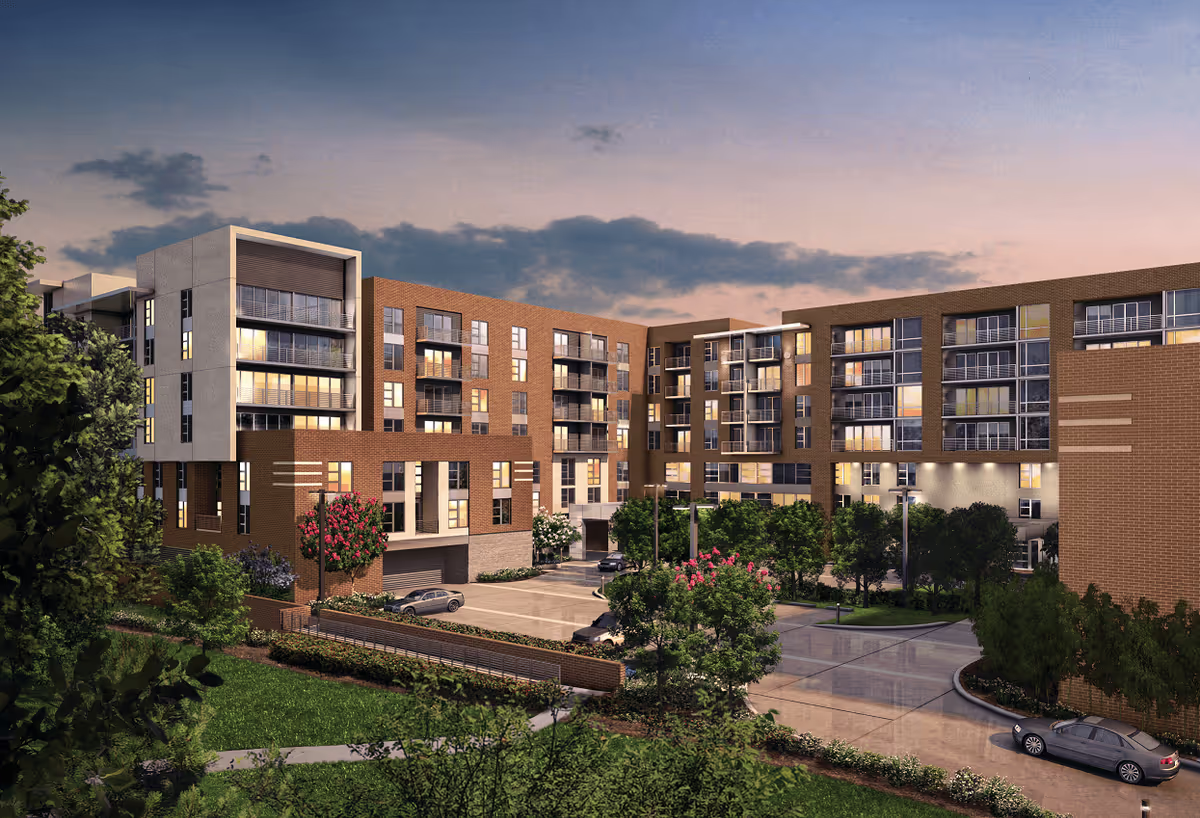
Overall impression: Sundale Senior Living of the Woodlands presents a mixed but actionable profile. The community offers many hallmarks families seek—an attractive building, a broad amenity set, a robust activities program, and numerous caregivers who are described as compassionate and attentive. For many residents the dining experience, public spaces, and social programming contribute to a hotel-like, engaging environment. At the same time, recurring operational weaknesses—particularly around staffing consistency, clinical processes, and certain service lines—appear frequently enough to merit careful inquiry before placement.
Care and clinical issues: Families consistently praised individual caregivers and named staff who provided attentive, person-centered care. However, multiple accounts describe inconsistencies in clinical operations: medication administration errors, delayed access to the attending physician, and slow clinical follow-up (for example, delayed antibiotic initiation). These process gaps have been linked by reviewers to avoidable clinical complications in some cases. Night-shift coverage, staff-to-resident ratios during busy periods, and reliance on temporary agency staff were also raised as contributors to monitoring gaps (hydration, toileting needs, and timely assistance). Prospective families should confirm staffing levels for the intended unit and ask about clinical escalation and on-call physician arrangements.
Staff and management: Staffing is a clear theme. Many reviews express strong appreciation for individual caregivers, activities staff, and some administrators who are visible and responsive. Conversely, there are repeated notes about high turnover, inconsistent staff conduct, and periods when leadership visibility is limited. Communication with families is uneven in some instances—billing disputes, unclear extra-charge calculations, and variable responsiveness after significant events were cited. Visitors considering this community should request current staffing stability metrics, turnover data, and a written explanation of additional fees.
Dining and activities: Dining impressions are polarized. Several reviewers describe restaurant-style service, varied menus, and a skilled chef who accommodates preferences. Others report cold or delayed meals, reliance on frozen entrees at times, and inconsistent meal delivery. The activities program is generally a strength: families report an extensive calendar, proactive engagement of residents, and effective encouragement for less-social residents. That said, engagement levels in the memory-care neighborhood were described as uneven; families should evaluate activity staffing levels in memory care during a daytime visit.
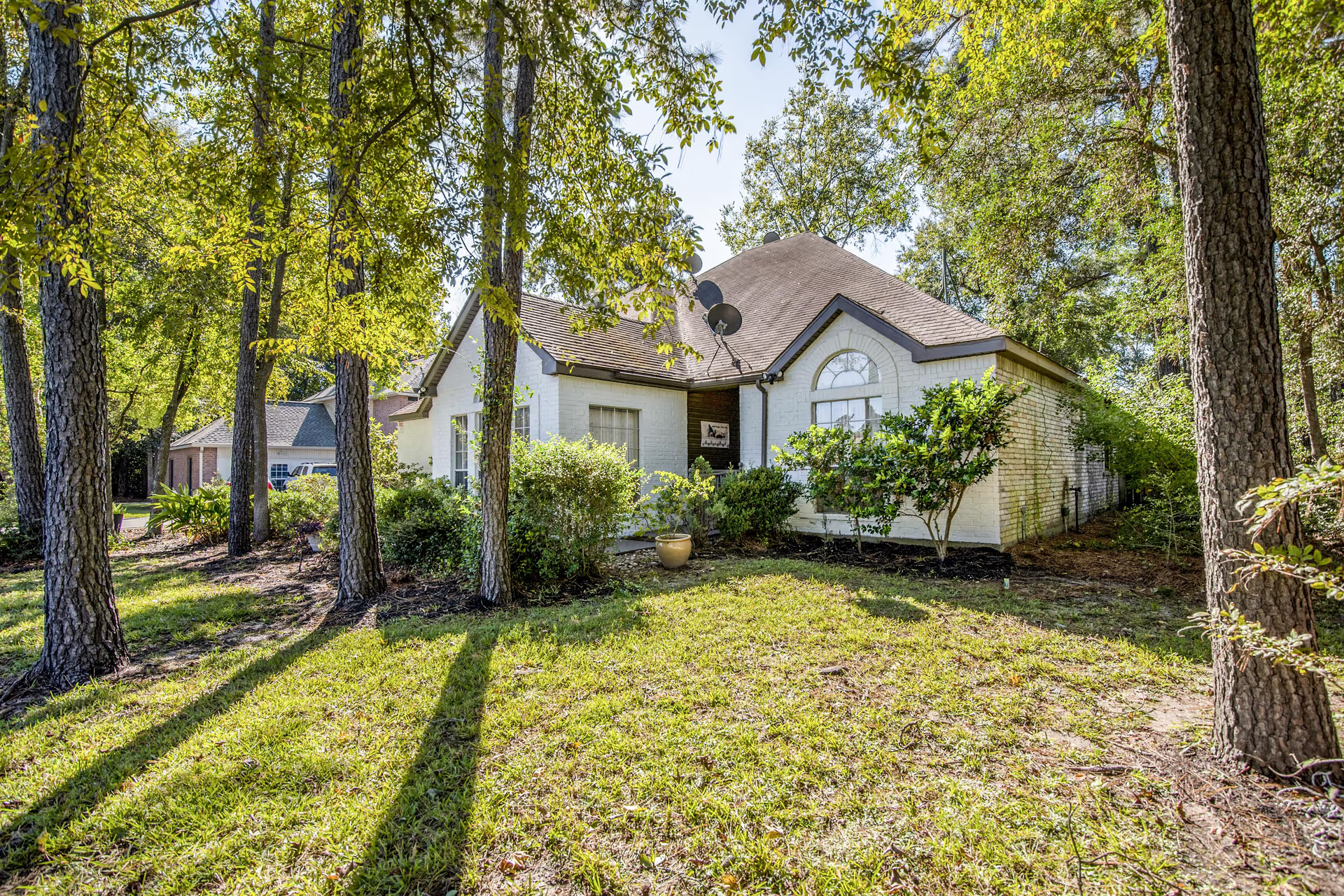
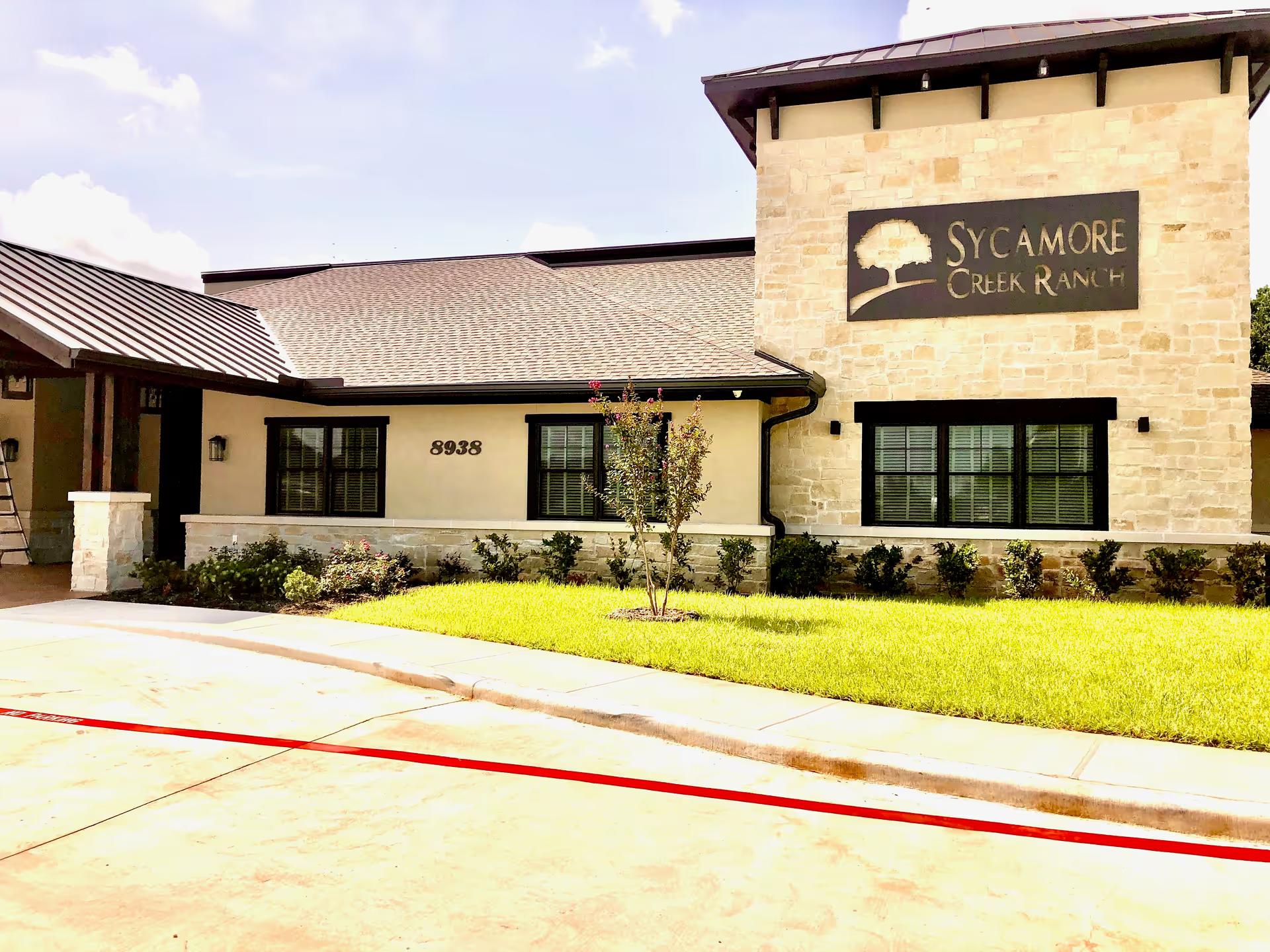
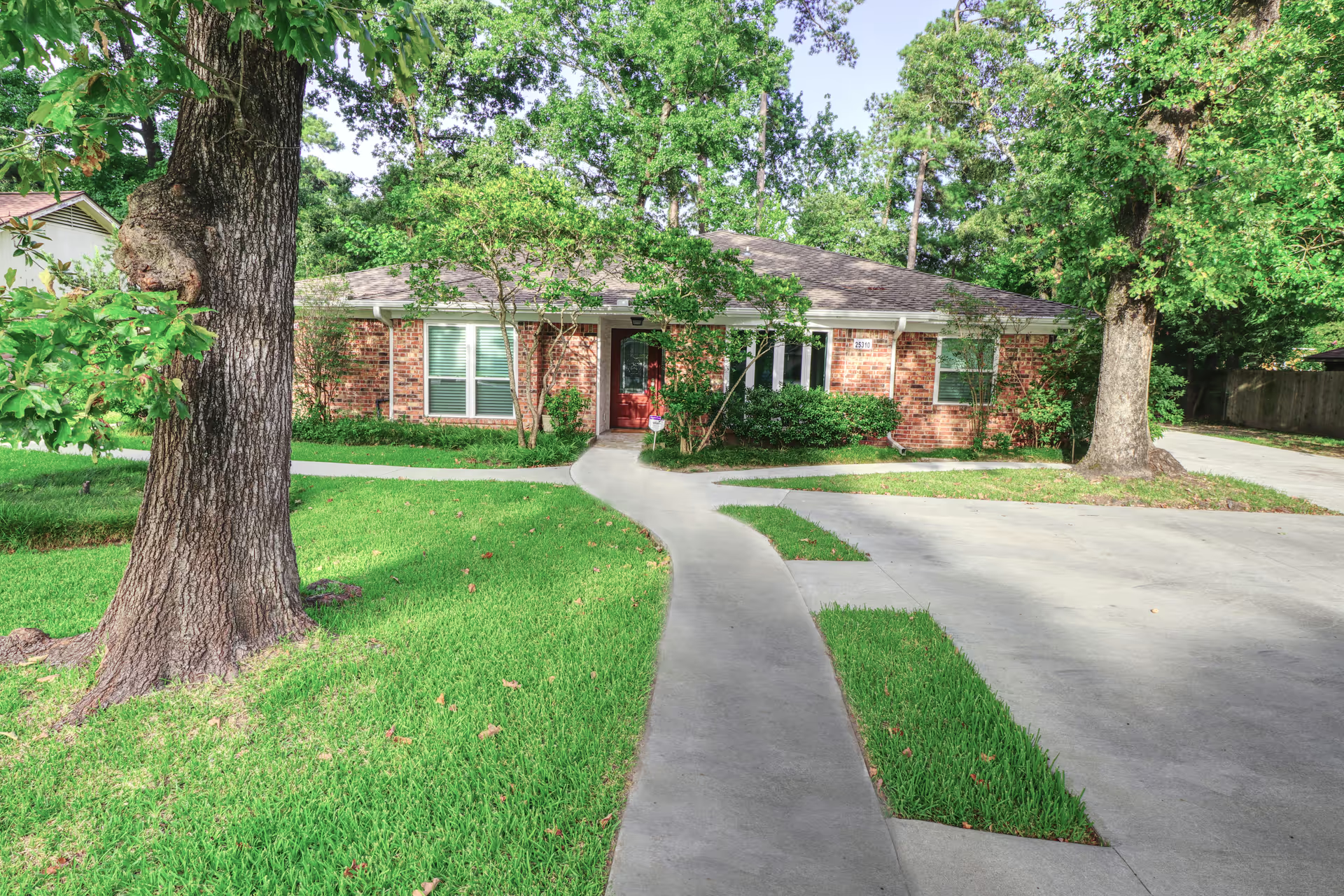
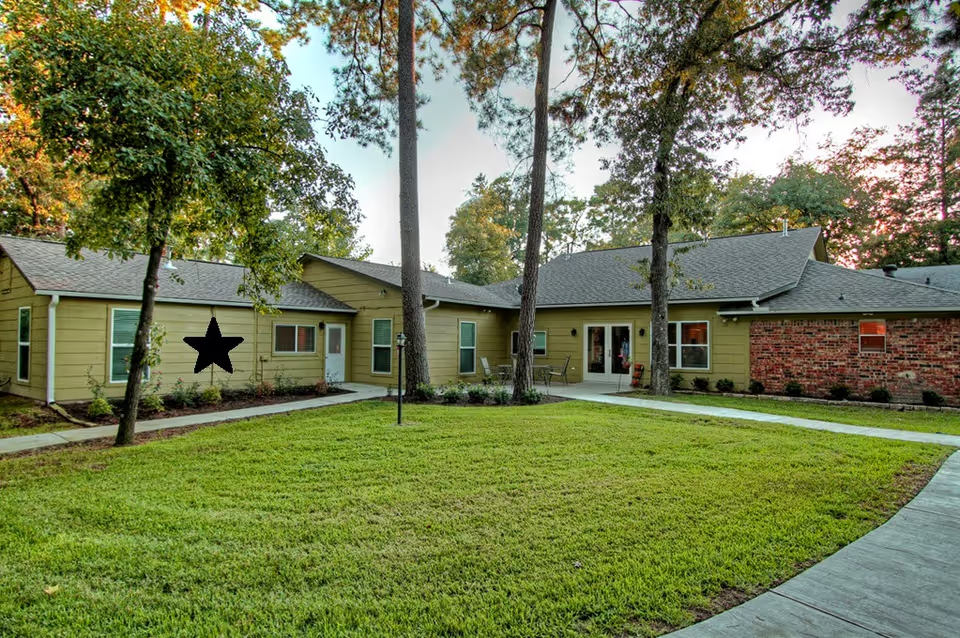
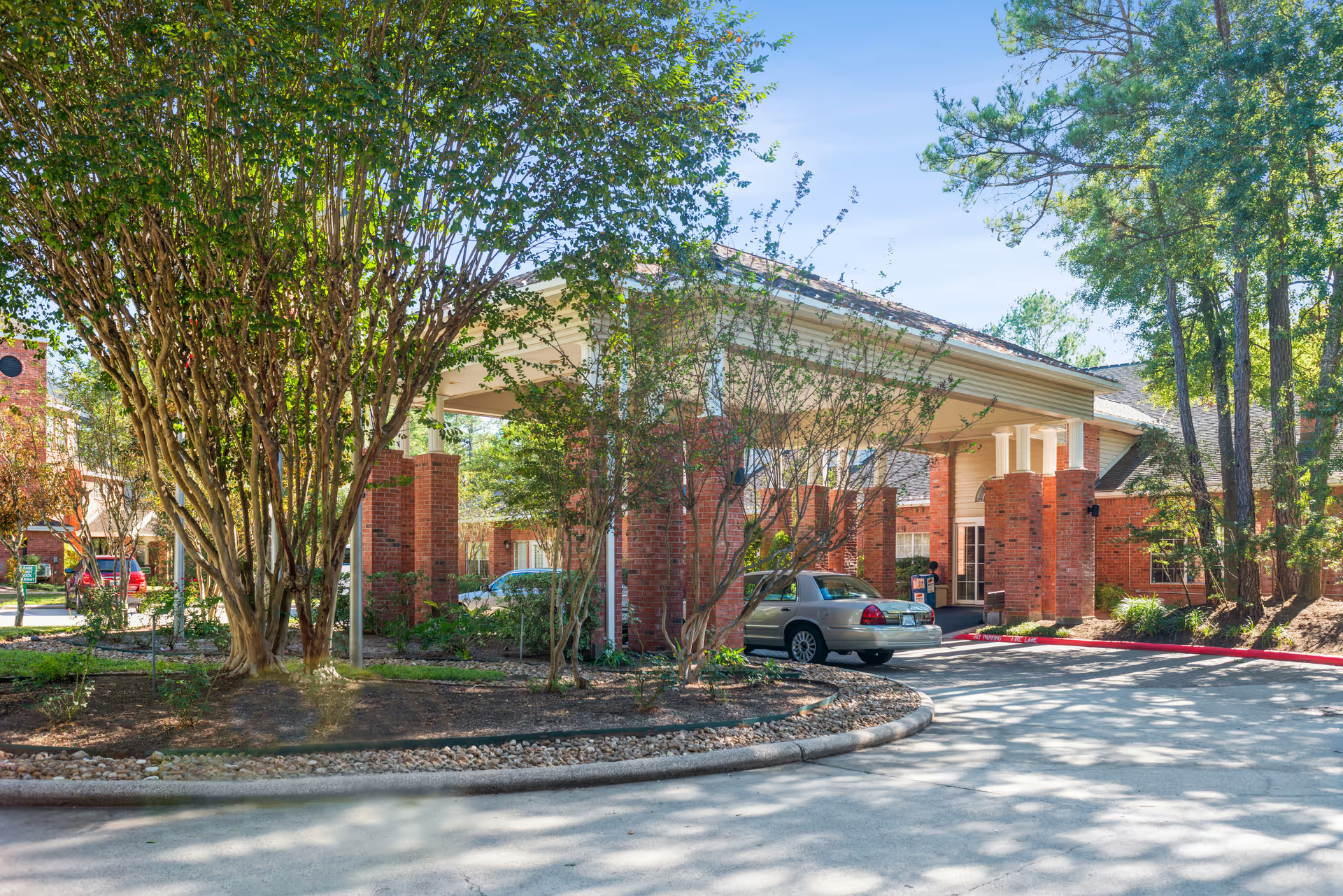
Facilities and operations: The property is frequently described as modern and well-maintained in public areas, with desirable amenities such as a salon, courtyard, theater, and library. Private accommodations vary in size and condition, and reviewers mention occasional room maintenance and housekeeping inconsistencies, including laundry handling and temperature-control issues. A small number of reviews raised pest-control concerns and housekeeping lapses in private rooms, which suggests the need to review housekeeping schedules and pest management protocols. Parking constraints and occasional access or security lapses (for example, doors left unsecured) were noted; verify site-specific security measures during a tour.
Notable patterns and recommendations: The strongest, consistent positives are compassionate caregivers, a strong activity program, and appealing common-area amenities. The most salient operational risks are staffing instability, inconsistent medication/clinical follow-up, variable meal and housekeeping quality, and unclear extra fees or price increases. Prospective residents and families should: 1) request current staffing ratios (day, evening, night) and turnover data; 2) review the medication-administration protocol and on-call physician coverage; 3) inspect a sample apartment (including housekeeping and pest-control practices); 4) obtain a clear fee schedule and written explanation of any potential future increases; and 5) observe the memory-care neighborhood during activity hours to assess engagement levels. These steps will help determine whether the facility’s strengths align with the prospective resident’s clinical needs and expectations.