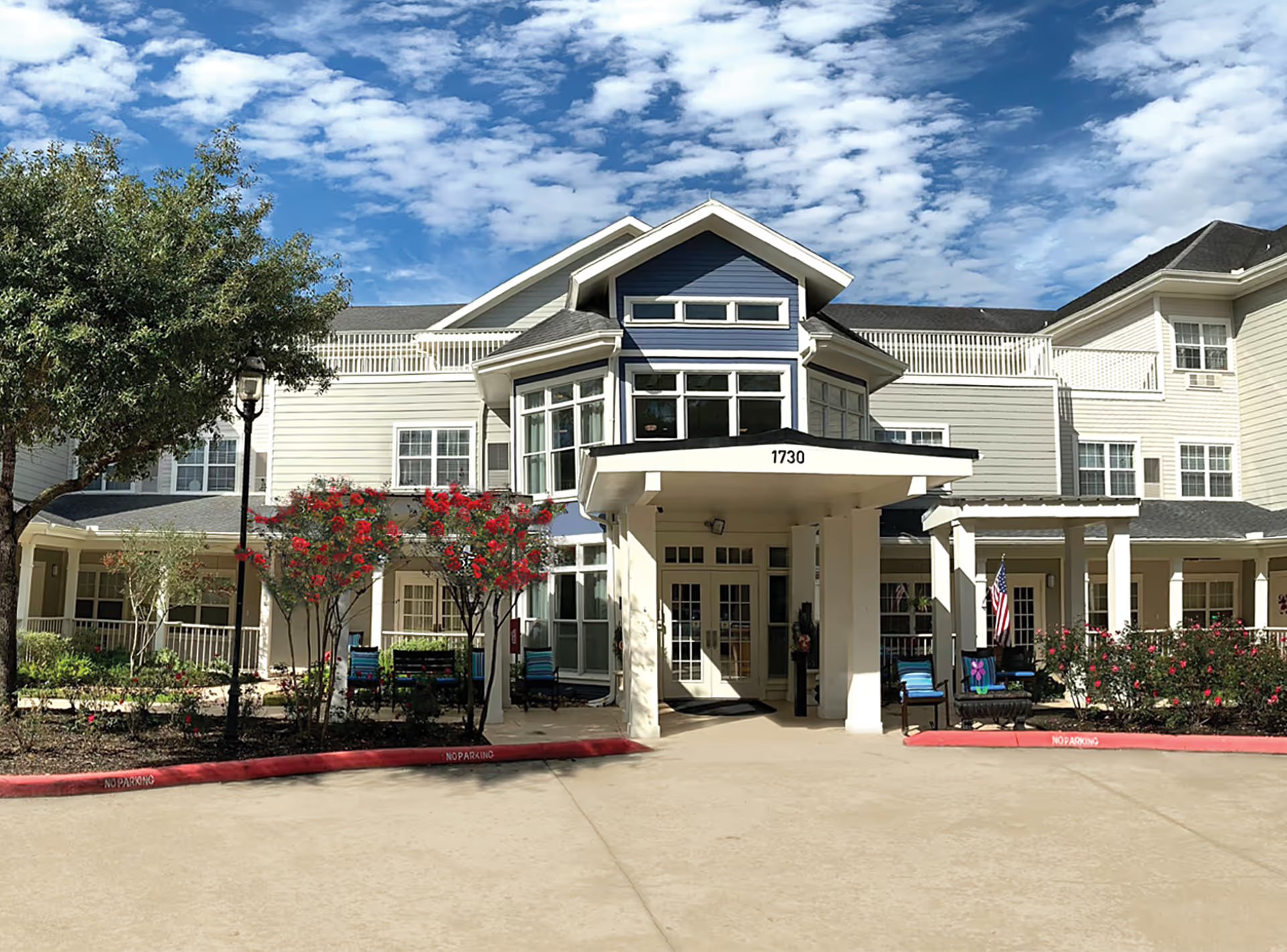
The Village at Woodlands Waterway presents as a modern, upscale senior community with strong amenity and lifestyle appeal. Physical attributes cited consistently include contemporary architecture, high-end finishes, wide light-filled corridors, spacious apartment plans with full kitchens and many units offering in-unit washer/dryers and balconies overlooking the waterway. The property supports an active lifestyle with a well-equipped fitness center, indoor pool and water-aerobics classes, concierge and valet services, and an extensive activity calendar that includes offsite outings, cultural trips, and multiple on-site clubs. Transportation options such as an on-site trolley/shuttle and frequent local runs add practical convenience for residents who prefer not to drive.
Care and staffing present a mixed portrait. Many reviewers praised direct-care staff as compassionate, personalized, and committed, and several accounts describe strong memory-care leadership and attentive nurses during daytime hours. The community also offers on-site clinical resources including therapy services and periodic physician visits. At the same time, a recurring operational pattern involves understaffing and variability in staffing levels and training, particularly in evening and overnight coverage. These staffing gaps are associated with delayed responsiveness, variable care delivery in the memory-care neighborhood, and concerns around medication-administration processes and staff licensing/compliance. Prospective residents and families should clarify the exact scope of 24/7 clinical coverage and ask about night-shift protocols.
Dining and activities are clear strengths in many accounts: an engaged culinary team, fine-dining service, menu variety, and social dining options receive frequent positive mention. However, reviewers also describe inconsistent meal execution (cold plates, missed hot-water or delivery issues) and occasional changes in kitchen leadership that temporarily affect service consistency. Activity programming is robust and a strong reason many residents choose the community; social opportunities, arts, fitness classes, and transportation for outings are well documented.
Facility operations and management show both capability and areas for improvement. The property is generally described as clean and well-kept, but there are multiple references to ongoing renovations and construction that have blocked views, restricted balcony access, generated noise, and caused temporary resident relocations. Maintenance reliability is another theme: intermittent HVAC and hot-water problems, pool repairs, and at least one account of generator/power contingency shortfalls were noted. Management responsiveness appears inconsistent across reviews — some describe proactive, empathetic leadership that listens and advances improvements, while others cite slow resolution of maintenance issues, staffing transitions, and disagreements over financial or contractual matters. There are also repeated mentions of limited visitor parking, restrictive lot rules, and extra parking costs.
Notable patterns for prospective residents and families: the community is well suited to those seeking resort-style amenities, active social engagement, scenic waterfront living, and upscale dining. Families prioritizing strong, consistent clinical oversight—especially for higher-acuity memory-care needs—should probe staffing ratios, night coverage, medication protocols, and recent memory-care performance metrics. Verify current construction status before move-in and confirm maintenance response timeframes, HVAC reliability, and emergency-power procedures. Finally, review contract terms carefully for fees, deposit refundability, and parking policies to ensure the financial terms align with expectations.
Overall, the Village at Woodlands Waterway combines high-quality facilities and lifestyle programming with operational areas that require due diligence. Many residents and families report positive, family-like interactions and satisfying daily life; others highlight the impact of staffing variability, renovation disruptions, and service inconsistencies. A focused tour that includes a meal observation, a conversation with nursing leadership about after-hours coverage, and a review of current construction timelines will help determine fit for individual needs.