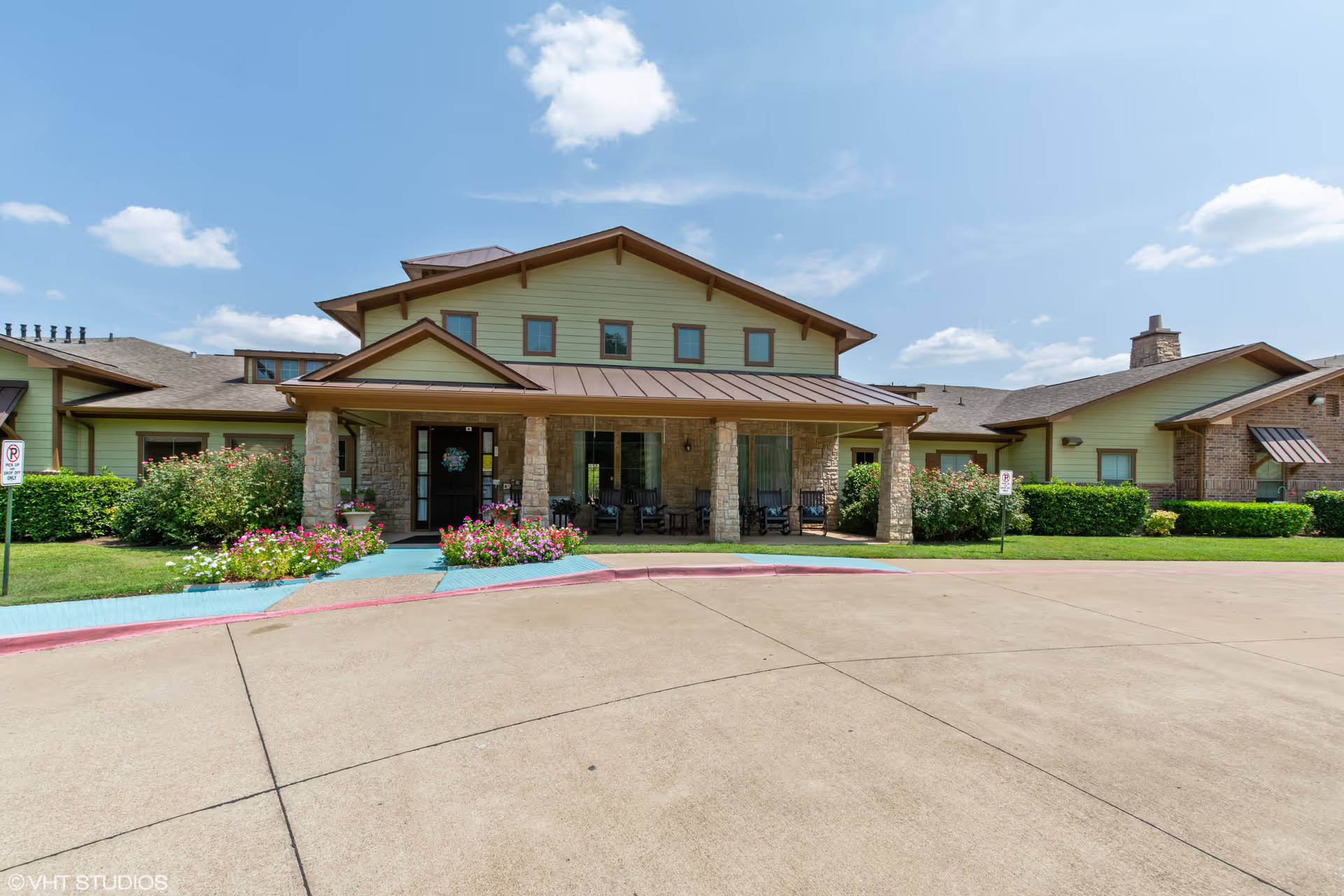
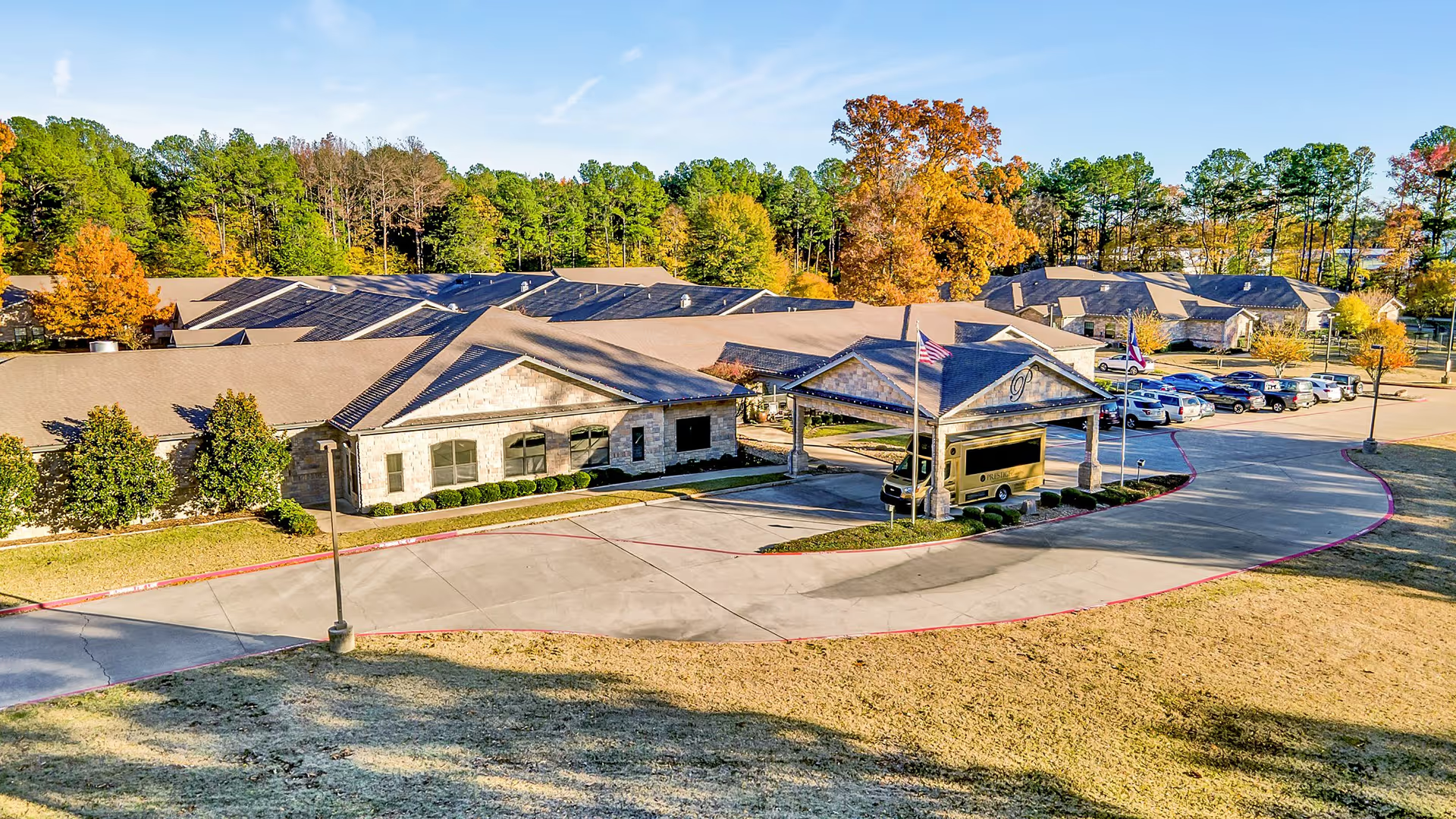
Reviewer feedback on Avir at Petal Hill is markedly mixed, producing a polarized overall picture. Many accounts highlight strong caregiving relationships: several reviewers praised compassionate, attentive CNAs and nurses, and noted engaged clinical leadership (DON/ADON) and supportive social-service and reception teams. Rehabilitation/therapy services, certain administrative staff in finance and admissions, and renovated common areas receive positive mentions. When operations are performing well, families describe a welcoming atmosphere, helpful business-office interactions, clean visitor areas, and proximity to local hospitals as advantages.
Conversely, a consistent cluster of operational concerns appears across reviews. Cleanliness and sanitation control are described as variable, with specific references to odor issues and inconsistent handling of incontinence care. Medication-administration and charting weaknesses were reported, as were delays in clinical response and escalation that in some cases led to emergency care. Staffing continuity is a recurring issue: short-staffing, high turnover, and gaps between nursing and aide communication were linked to slower responses and inconsistent personal care. Reviewers also reported weak or inconsistently enforced staff-discipline processes and raised serious concerns about staff conduct and safety oversight; such concerns include allegations of resident harm that reviewers felt warranted regulatory attention.
Dining and activities show mixed performance. Some families praised the dining environment and specific staff members; others described variable meal quality and instances where dietary restrictions were not observed. Activity programming is appreciated when a dedicated activities director and team are present, but several reviewers stated that the range and frequency of activities declined, with fewer outings and a heavier reliance on in-house games when staffing changed.
Facility and infrastructure issues are another theme. Maintenance problems such as HVAC concerns, mold, pest-control worries, and slow cleaning or housekeeping responses were described. Phone responsiveness and family communication were frequently cited as areas needing improvement — families reported delays in notification about incidents, slow phone answering, and occasional lapses in documentation (including advance directives and care plans). There were also reports of missing personal items and questions about financial handling that point to security and property-management gaps.
Management and leadership impressions vary. Several reviews credited recent administrators and leadership teams with visible turnaround, improved morale, and better coordination; however, other accounts describe inconsistent leadership, an operational emphasis on census, and inadequate follow-through on policy enforcement. Taken together, the pattern suggests a facility capable of high-quality, resident-centered care under strong leadership, but also vulnerable to pronounced declines in cleanliness, communication, clinical controls, and staff oversight when staffing or management stability falters.
For prospective residents and families: ask about current staffing ratios and turnover, medication-administration protocols and audit processes, recent inspection and incident reports, housekeeping and infection-control schedules, backup-power and emergency plans, activity staffing and calendar, and policies for property security and family communication. These targeted questions can help clarify whether recent positive leadership changes have addressed the operational weaknesses highlighted in reviews.