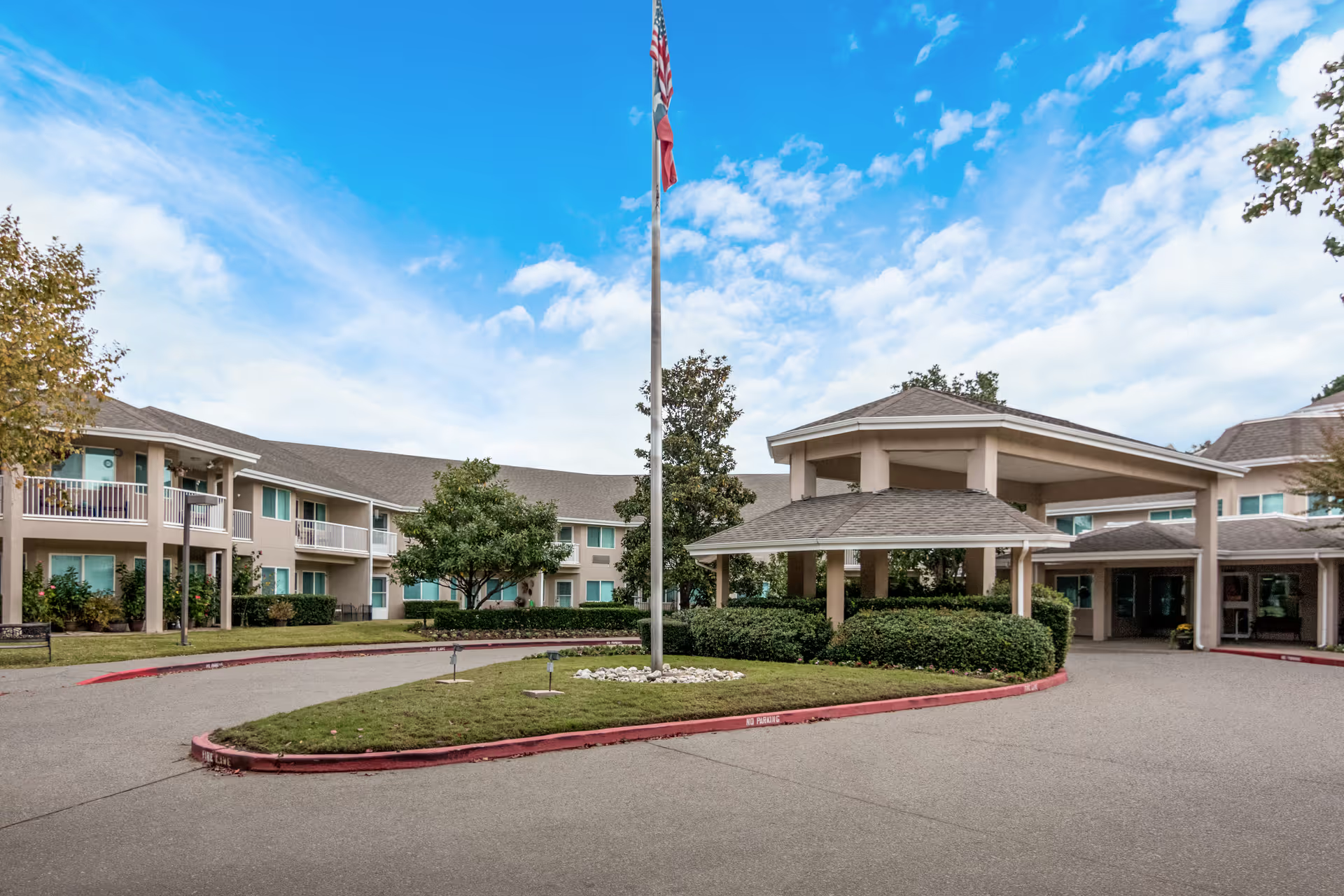
The reviews for Avir at Rose Trail present a mixed picture: many families and residents praise individual staff members, therapy services, and the activities program, while other accounts describe substantial operational problems that affect care continuity and safety. Positive feedback centers on direct-care staff who are described as caring and respectful, an active and creative activities department that keeps residents engaged, and a rehabilitation/physical-therapy program that many found effective. Front-desk and office personnel are frequently noted as welcoming, and several reviewers highlighted clean, organized common areas and a large dining space.
Care quality appears inconsistent across shifts and patients. Several reviews describe delays in clinical responsiveness, missed or poorly coordinated referrals and appointments, pressure-injury concerns, urinary-tract–related complications, and other issues suggestive of gaps in clinical monitoring and infection-prevention practices. Conversely, other families reported attentive nursing and positive nursing interactions. The overall pattern is variability: some residents receive timely, competent clinical attention while others experience lapses in monitoring and follow-up.
Staffing and communication emerge as central operational challenges. Reviewers point to chronic understaffing, limited availability of trained aides, weak night-shift coverage, and failures in handover communication between shifts. These staffing pressures are linked in reviews to inconsistent assistance with activities of daily living (bathing, repositioning, linen/bed changes), slow responses to call systems, and missed meals or snack access when dining schedules shift. At the same time, multiple accounts praise individual caregivers and therapy staff who appear committed and effective despite system-level limits.
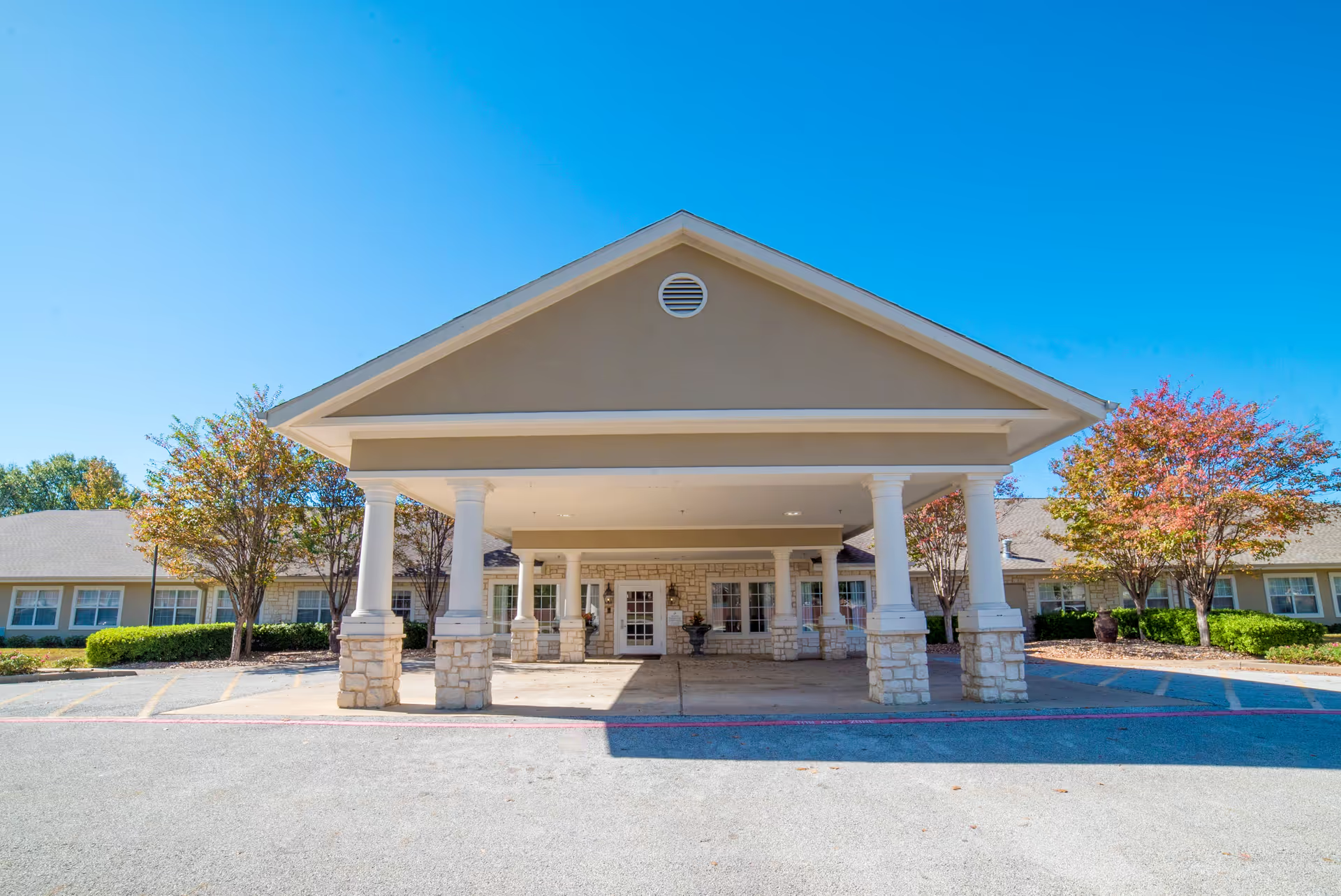
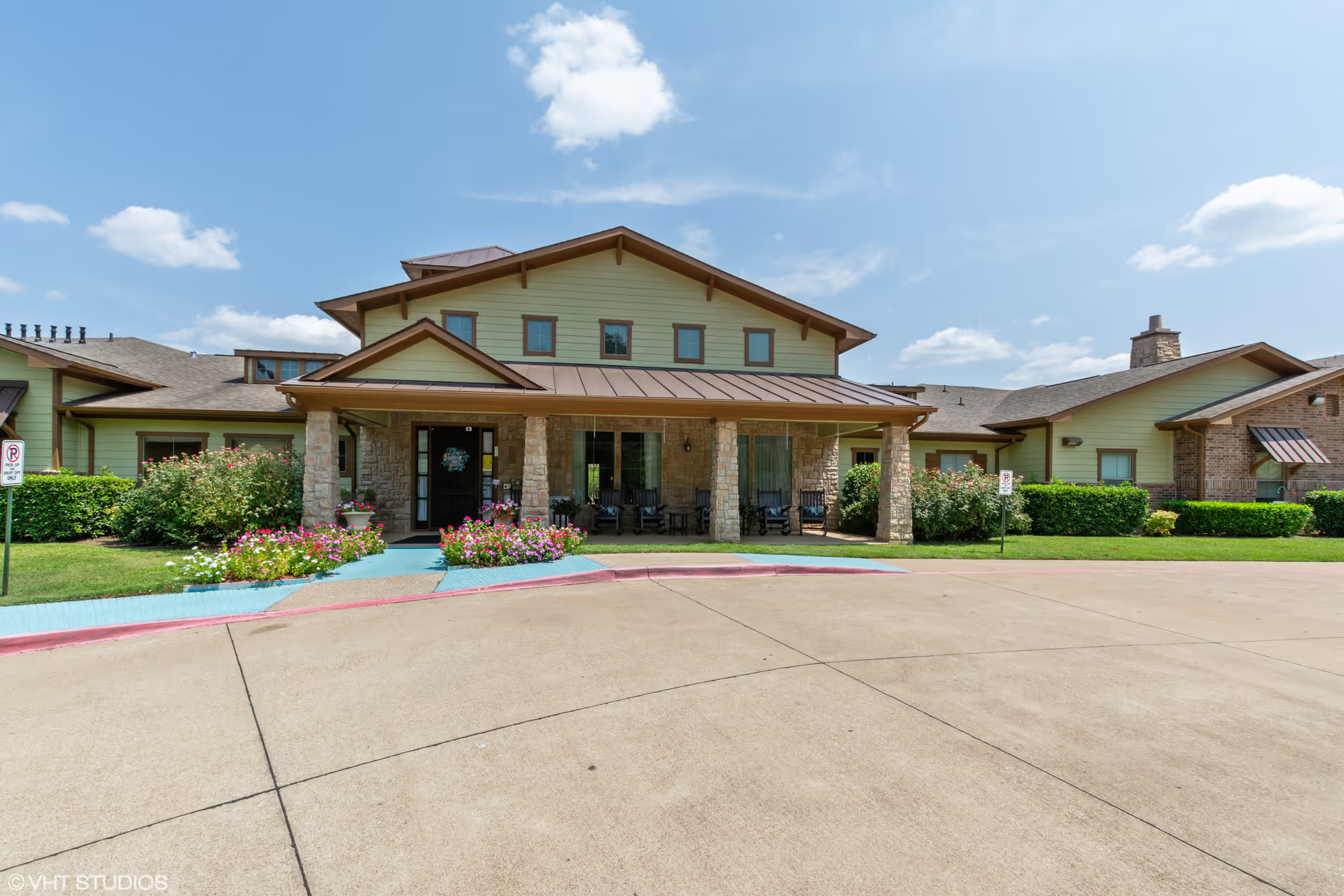
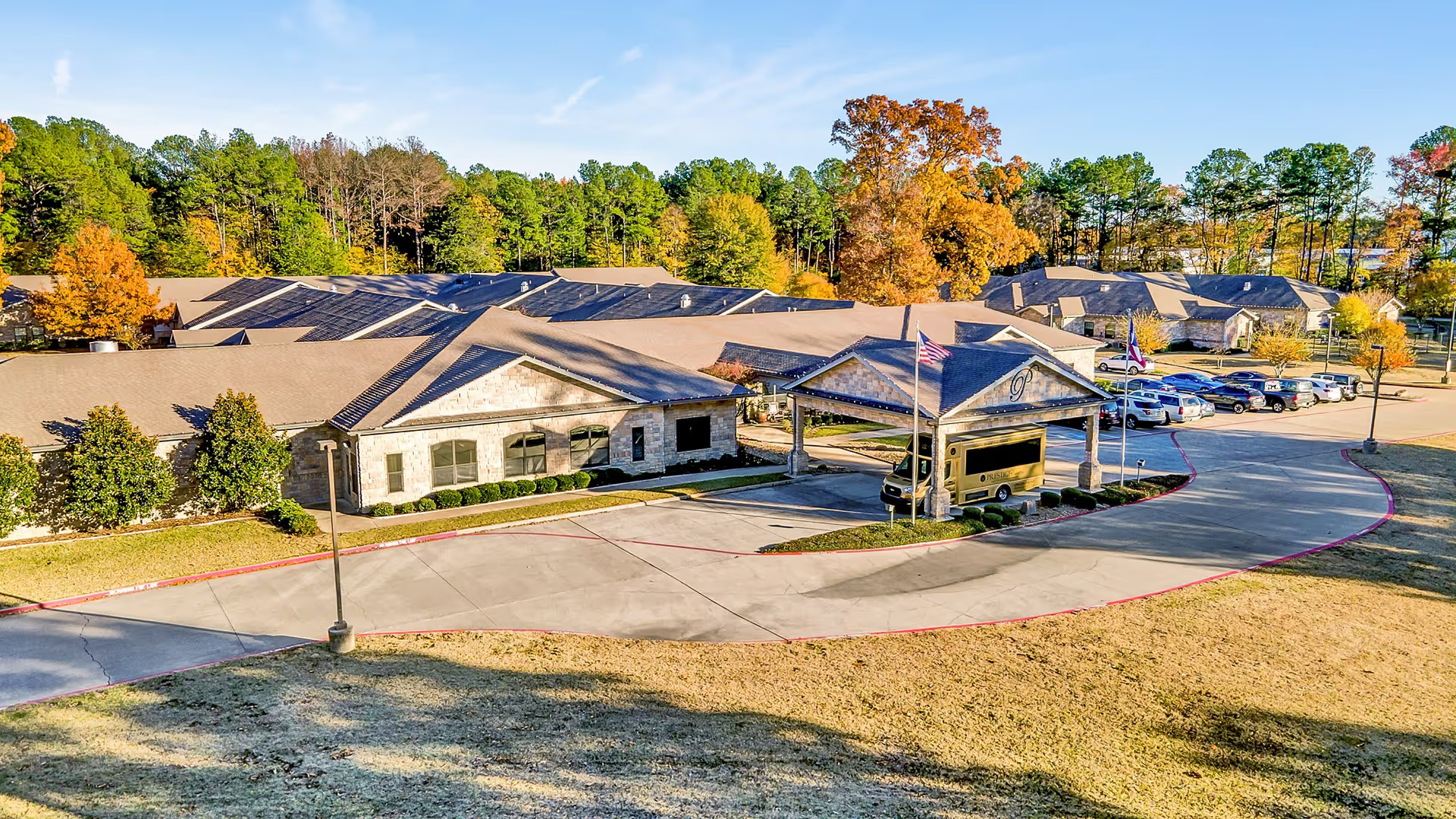
Dining and amenities are described unevenly. The activities program and social environment receive repeated commendations, but meal quality and consistency are described as variable; reviewers also note that certain meals may be charged out-of-pocket. Facility features that reviewers liked include a sizable dining hall and an engaging social calendar, whereas practical concerns include limited parking, an older building footprint, and HVAC issues at times.
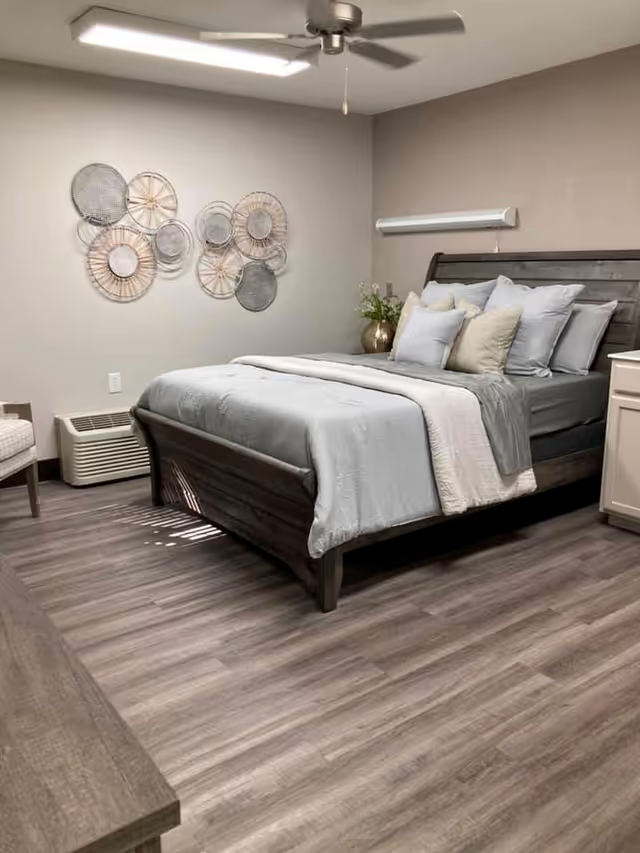
Facility condition and infection-control impressions are mixed. Some reviewers described a clean, orderly environment and odor-free common spaces, while others raised sanitation and pest-control concerns in resident rooms and areas that would warrant inspection. There are also references to mismanaged infection-control communication (including pandemic-era visitation procedures) and to regulatory scrutiny: reviewers mention fines and enforcement actions. Separately, there are serious individual allegations concerning missing personal property and financial misconduct; these claims, along with regulatory citations, indicate topics families should investigate directly with regulators and the facility.
Management and family communication show variability. Several families appreciate responsive administrators and a smoothly run admissions/reception process, but many describe confusing check-in procedures, delayed or absent callbacks, missed referrals, and difficulty obtaining clear clinical updates. This inconsistency in leadership and information flow appears to amplify clinical and operational issues for families.
In summary, Avir at Rose Trail offers tangible strengths — notably an active activities program, capable rehabilitation services, and a number of compassionate staff — alongside systemic weaknesses in staffing, clinical consistency, sanitation in specific areas, and family communication. Prospective residents and families would be well advised to tour the facility in person, inquire about staffing ratios and night coverage, ask for written infection-control and medication-management policies, confirm how referrals and communication are handled, and review recent regulatory records before making a placement decision.