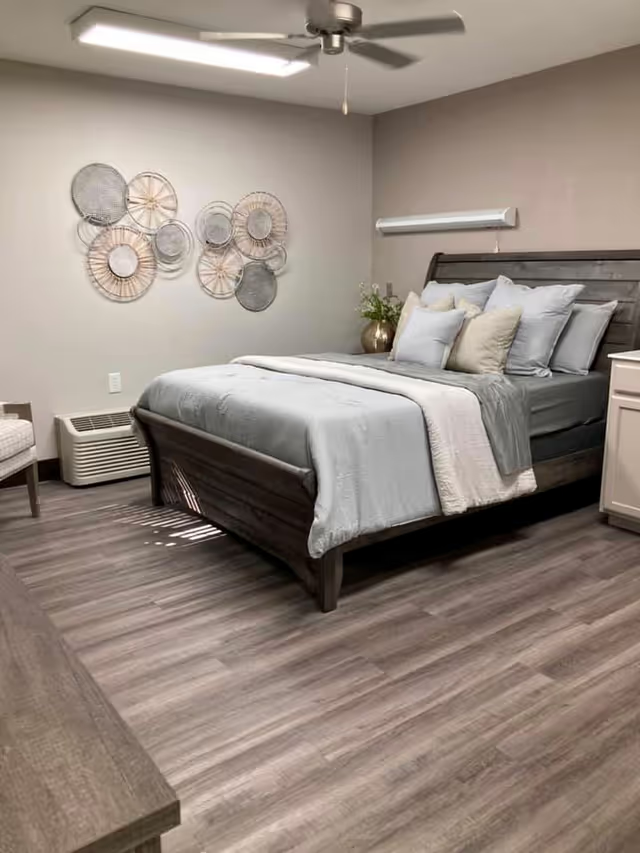
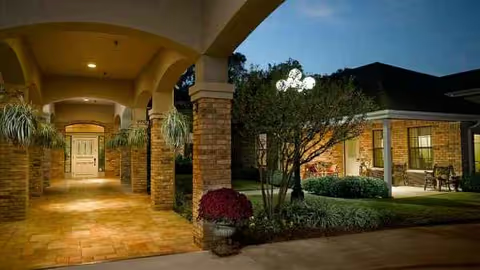
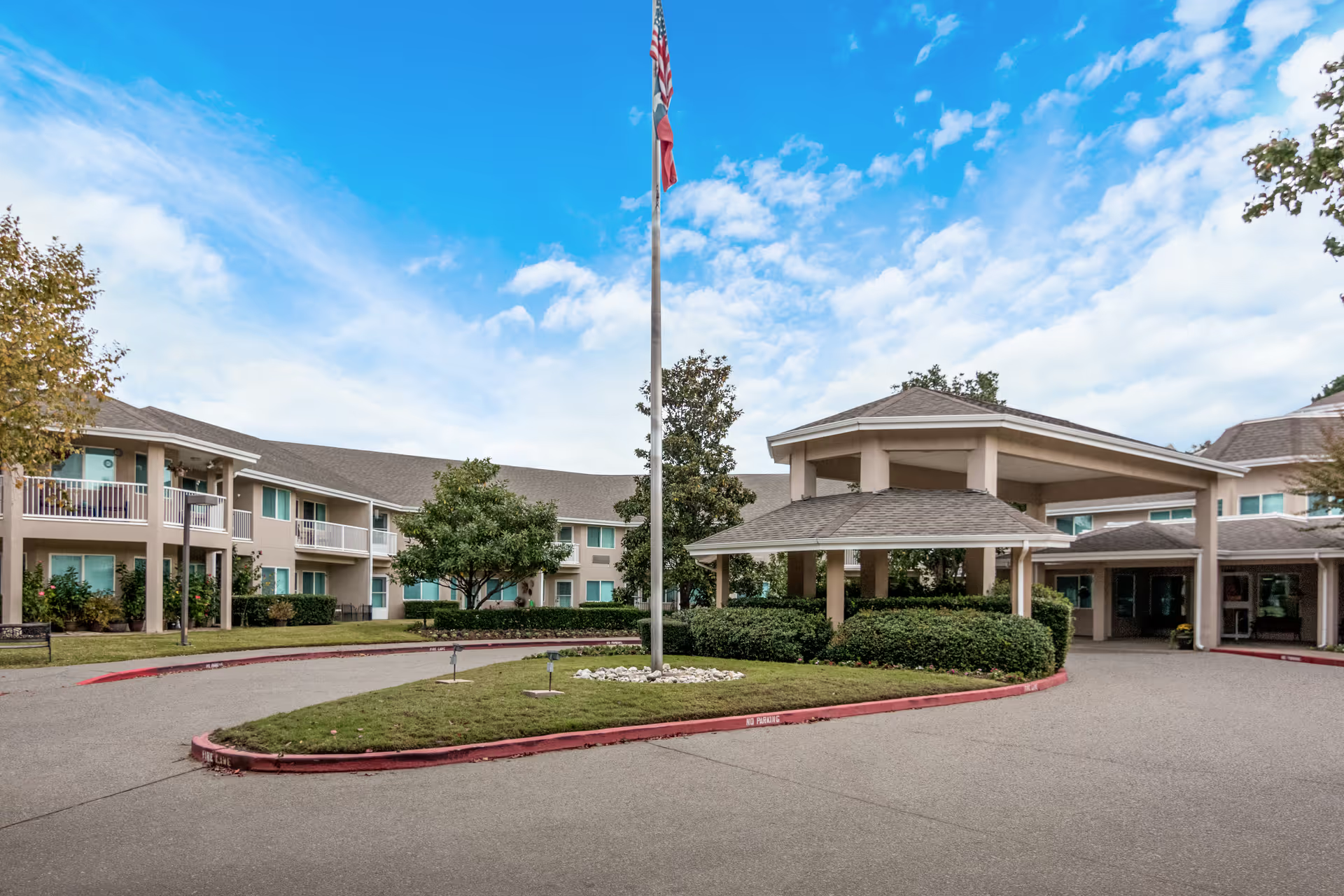
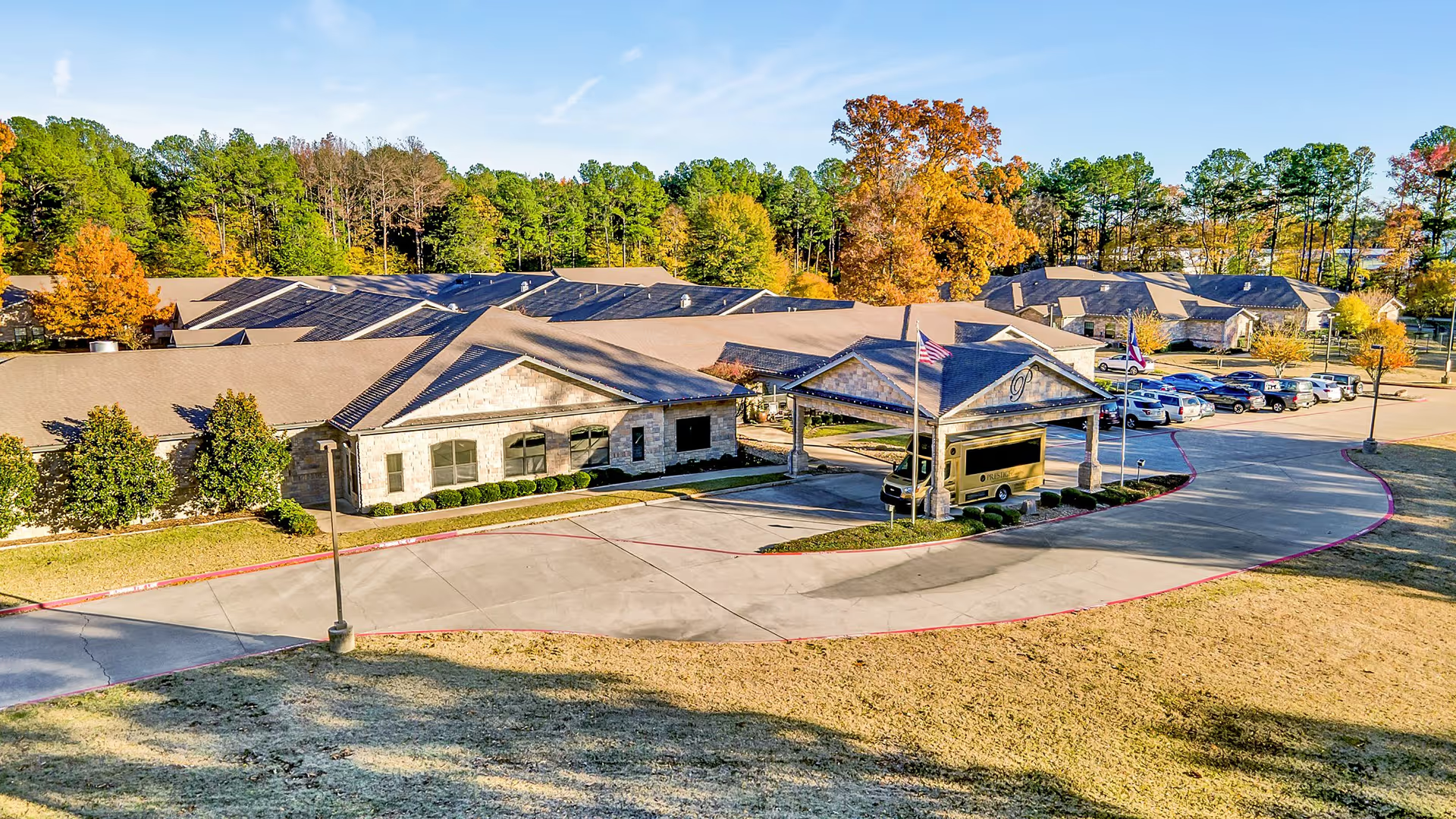
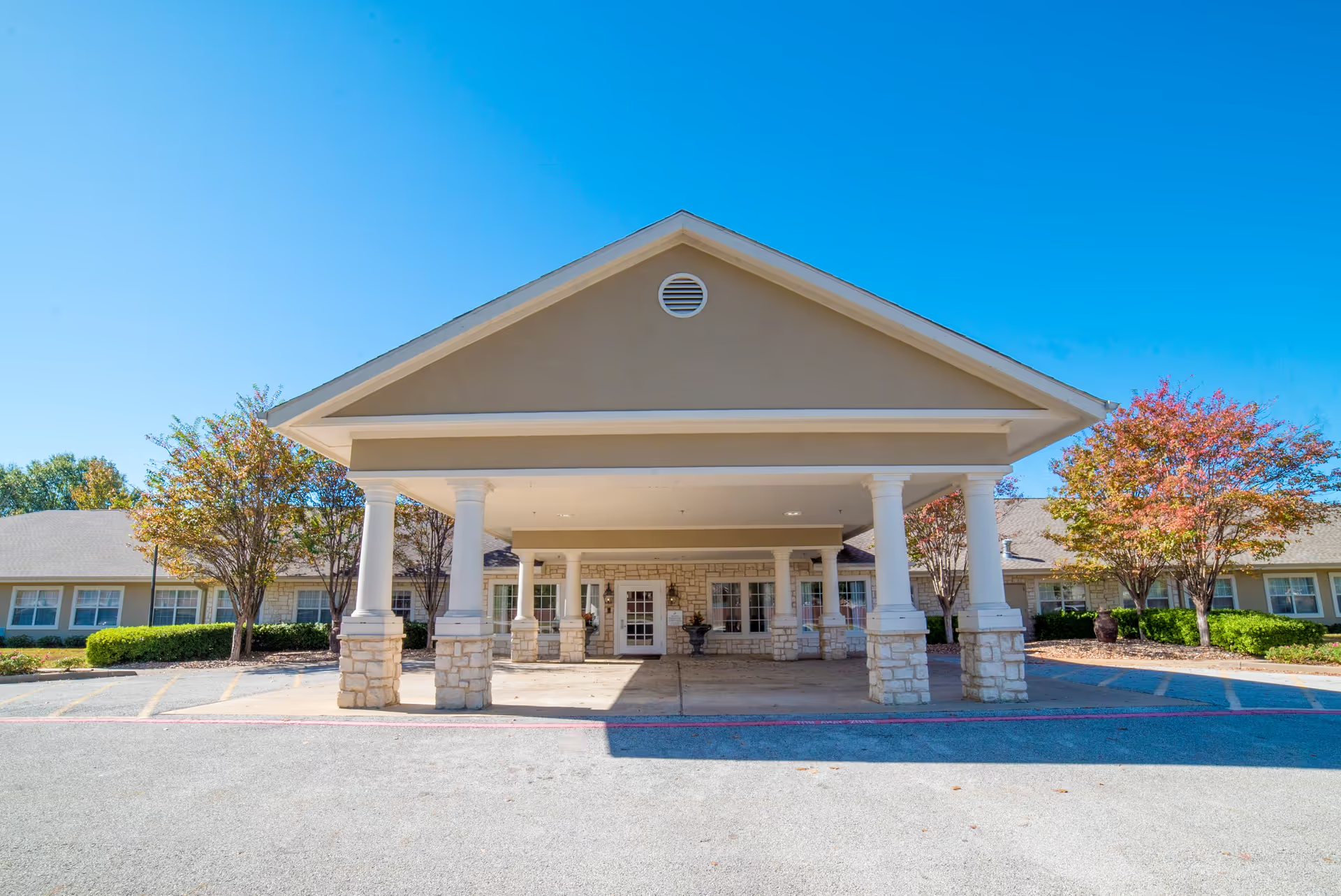
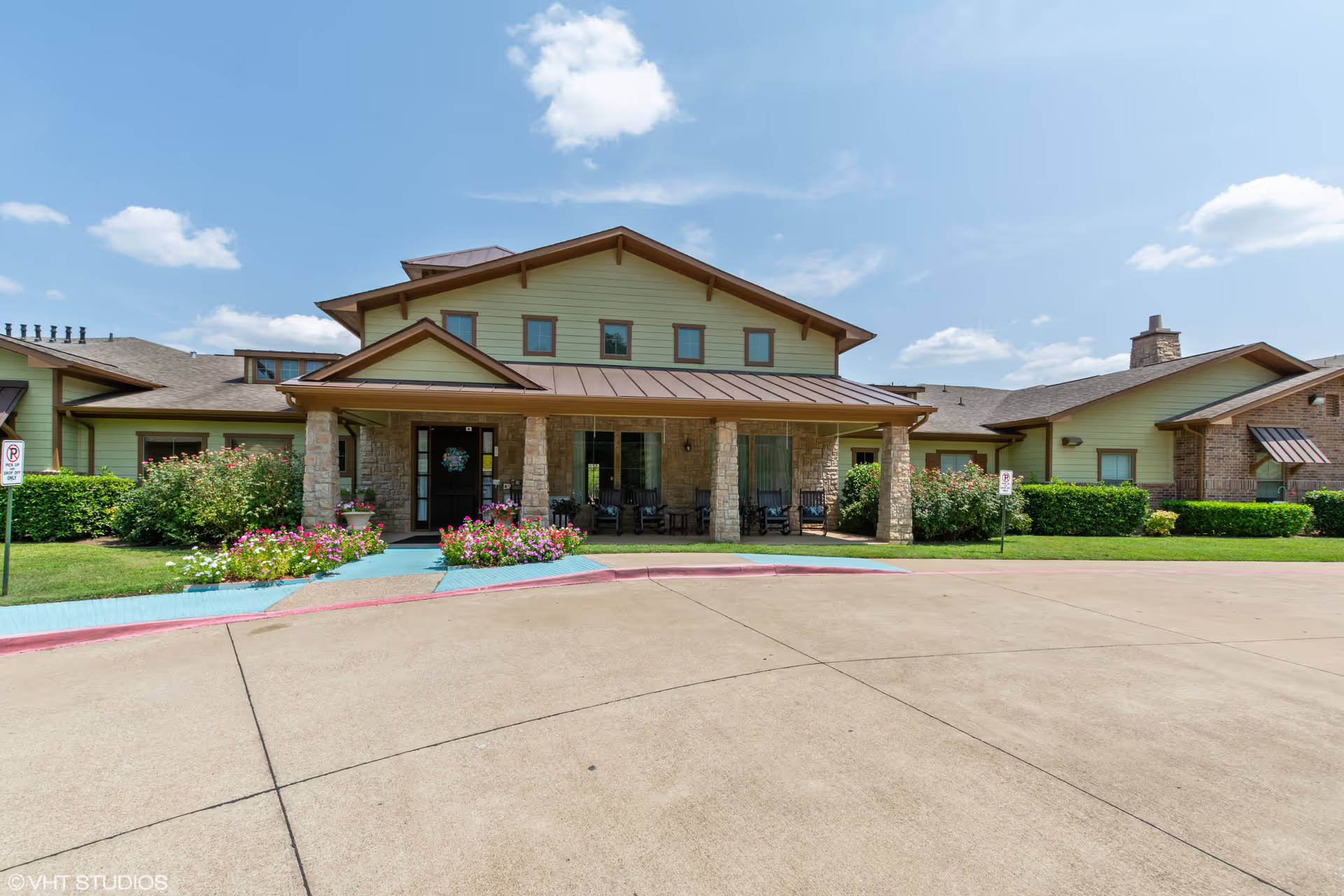
Watkins-Logan Texas State Veterans Home receives substantial praise for its veteran-centered culture, cleanliness, and the quality of daily living spaces. Many families and visitors describe a welcoming front-desk and greeting culture, well-kept grounds with porch seating, private roomy accommodations, and bathrooms adapted for accessibility. The facility is frequently characterized as clean and odor-free, with responsive maintenance and a physical environment that supports comfort and dignity for long-term residents.
Clinical care and staffing show a mixed but generally positive picture. Reviewers commonly note dedicated nursing staff and long-tenure aides who provide respectful, attentive interactions; regular care-team meetings and prompt nursing notifications are cited as strengths. The home provides 24-hour skilled nursing and dementia care, and staff engagement with veterans — including veteran-focused events and social programming — is a consistent plus. Activities programming, including dementia-appropriate engagement opportunities, and a strong sense of resident camaraderie are also highlighted as contributing to quality of life.
Dining is frequently praised for variety, nutrition, and presentation. Multiple accounts describe appealing, well-prepared meals and positive kitchen staff interactions, and the facility’s food service is seen as a strength by many families. Facility cleanliness and orderliness extend to public areas and resident rooms, reinforcing perceptions of overall good housekeeping and infection-control practices.
However, several operational concerns recur across reviews and merit careful consideration. Communication with families is described as inconsistent at times, with gaps in timely updates and liaison functions. Visitation policies and their enforcement are a notable pain point: families report restrictive access requirements and inconsistent application of visitor rules, which has created tension in some cases. There are also recurring concerns about care-plan continuity and documentation, including instances where services were discontinued or care expectations changed abruptly for residents with cognitive or behavioral needs.
More serious clinical and conduct-related patterns appear in a subset of accounts. These include concerns about medication-management practices that reviewers feel have contributed to reduced responsiveness in some residents, and sanitation or incontinence-care lapses that warrant investigation. Several families raised isolated but serious concerns about staff conduct and professional tone; while these appear to be limited in frequency relative to the volume of positive comments, they are significant in impact and should be addressed by leadership.
In summary, Watkins-Logan offers many strengths important to veterans and their families: a clean, comfortable environment, veteran-centered culture, engaged nursing and activity programs, and generally good dining and maintenance. Prospective families should balance these positives with the documented operational issues — particularly around family communication, visitation policy, care-plan continuity, medication-management practices, and incontinence-care protocols. Asking specific questions about visitation rules, staff-training and supervision, care-plan review processes, and how medication changes are documented and communicated will help families assess fit for their loved one.