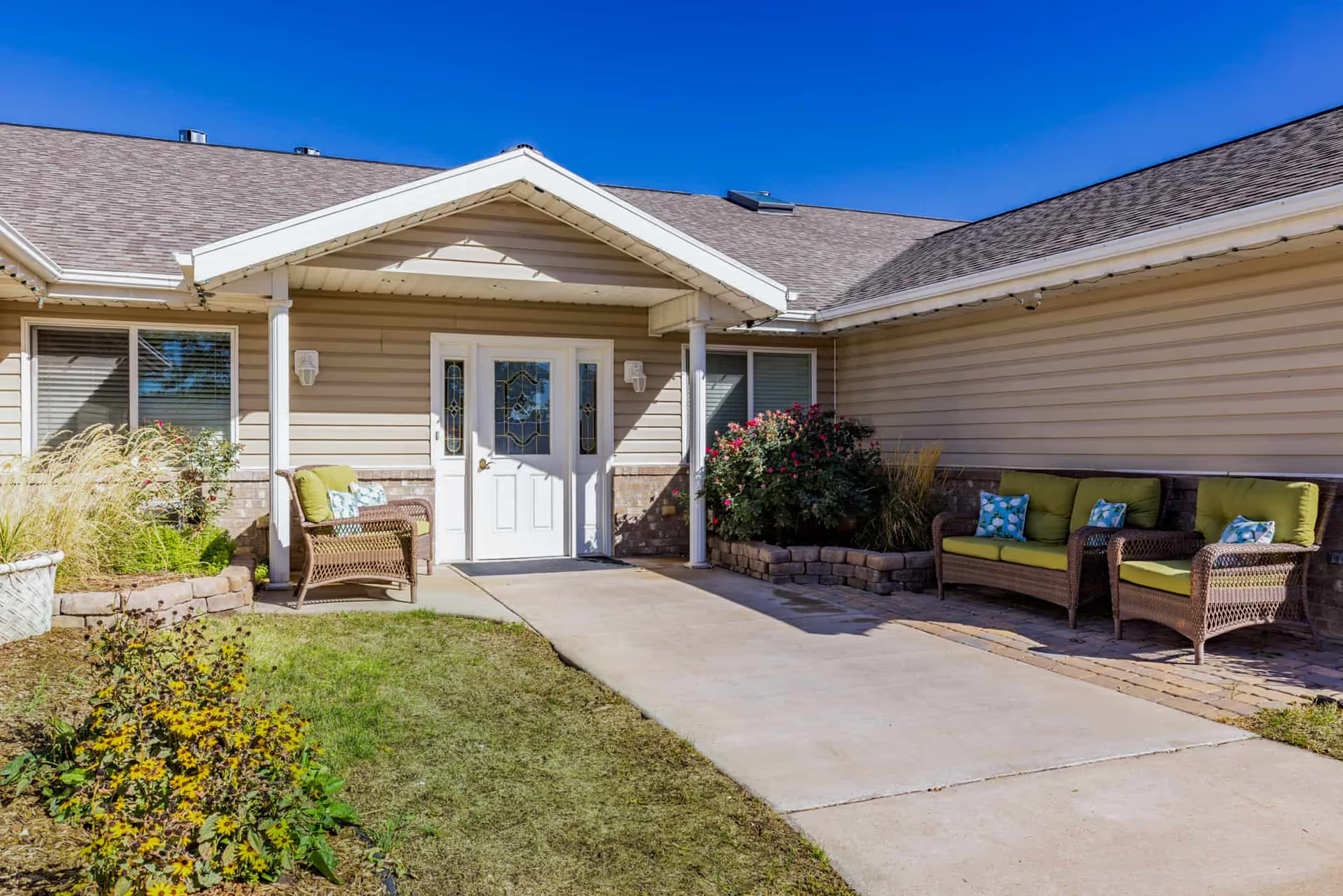
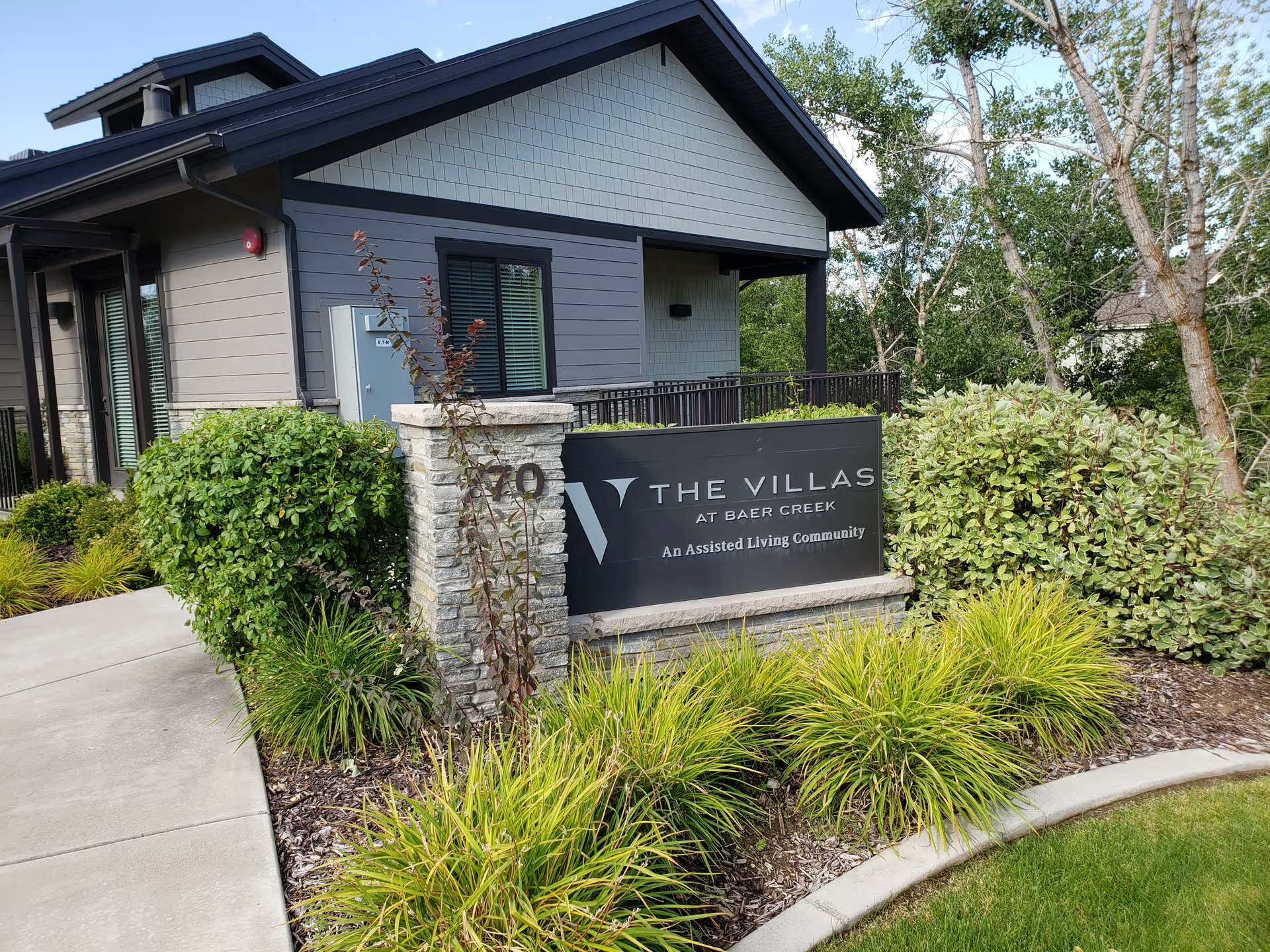
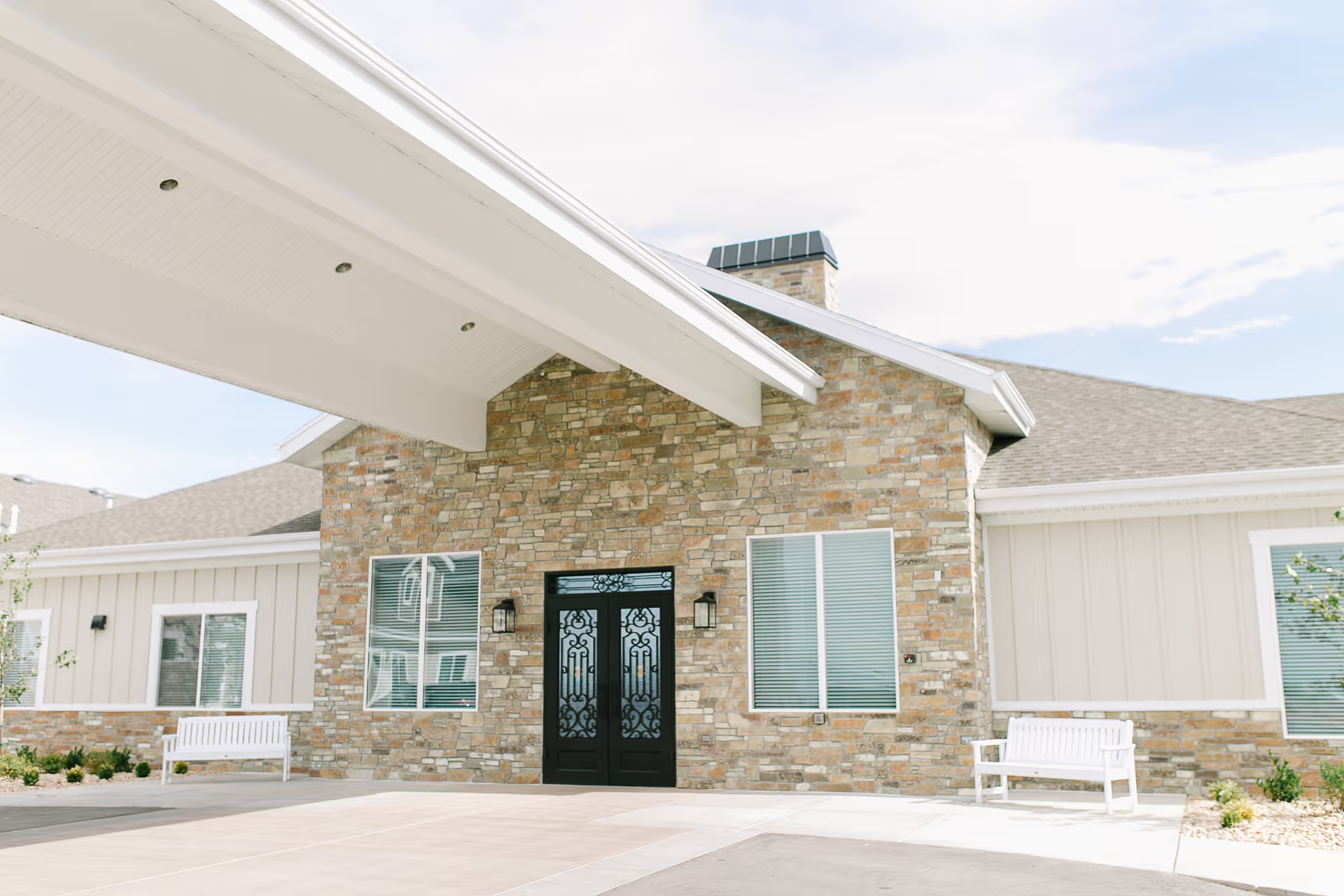
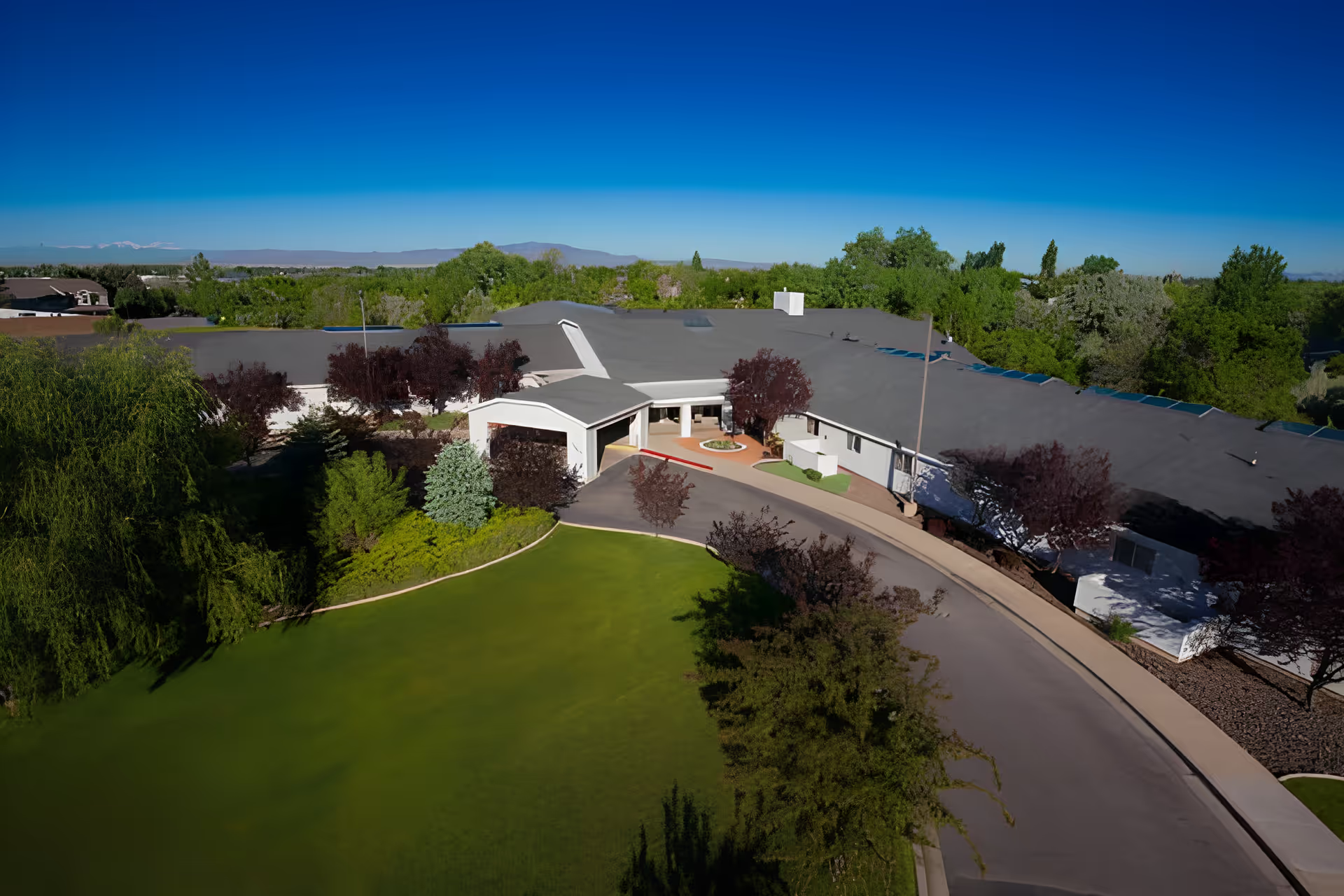
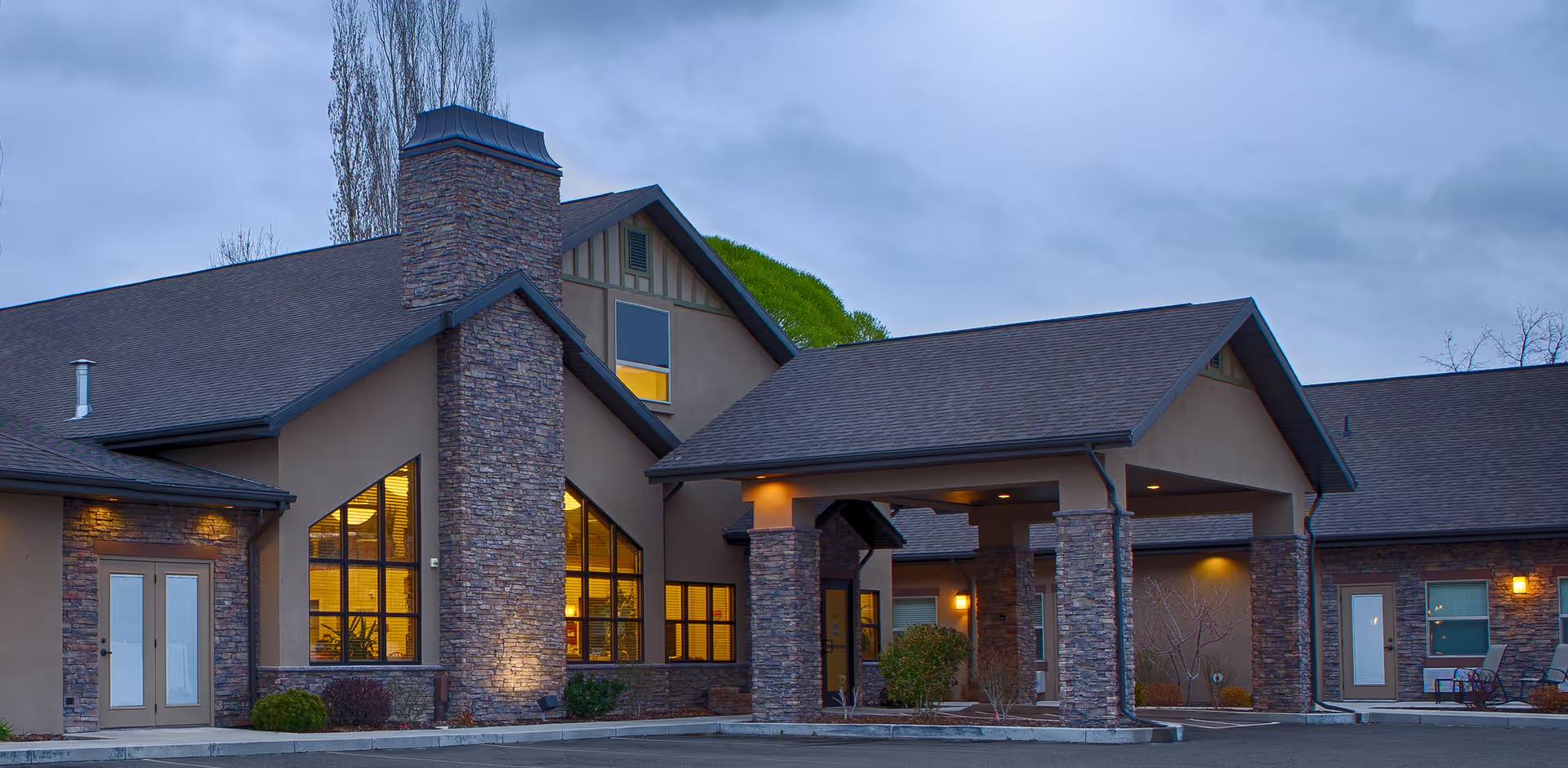
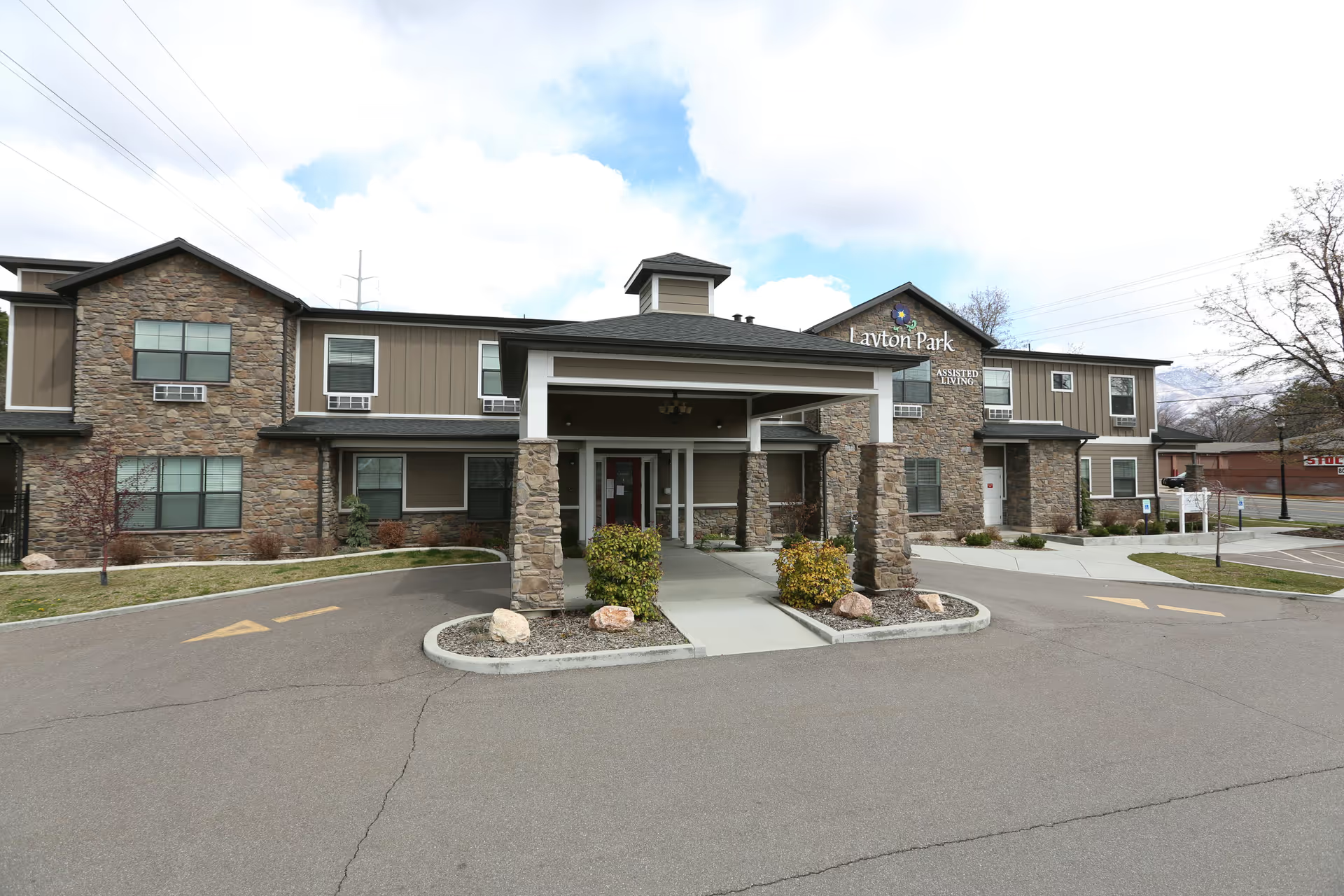
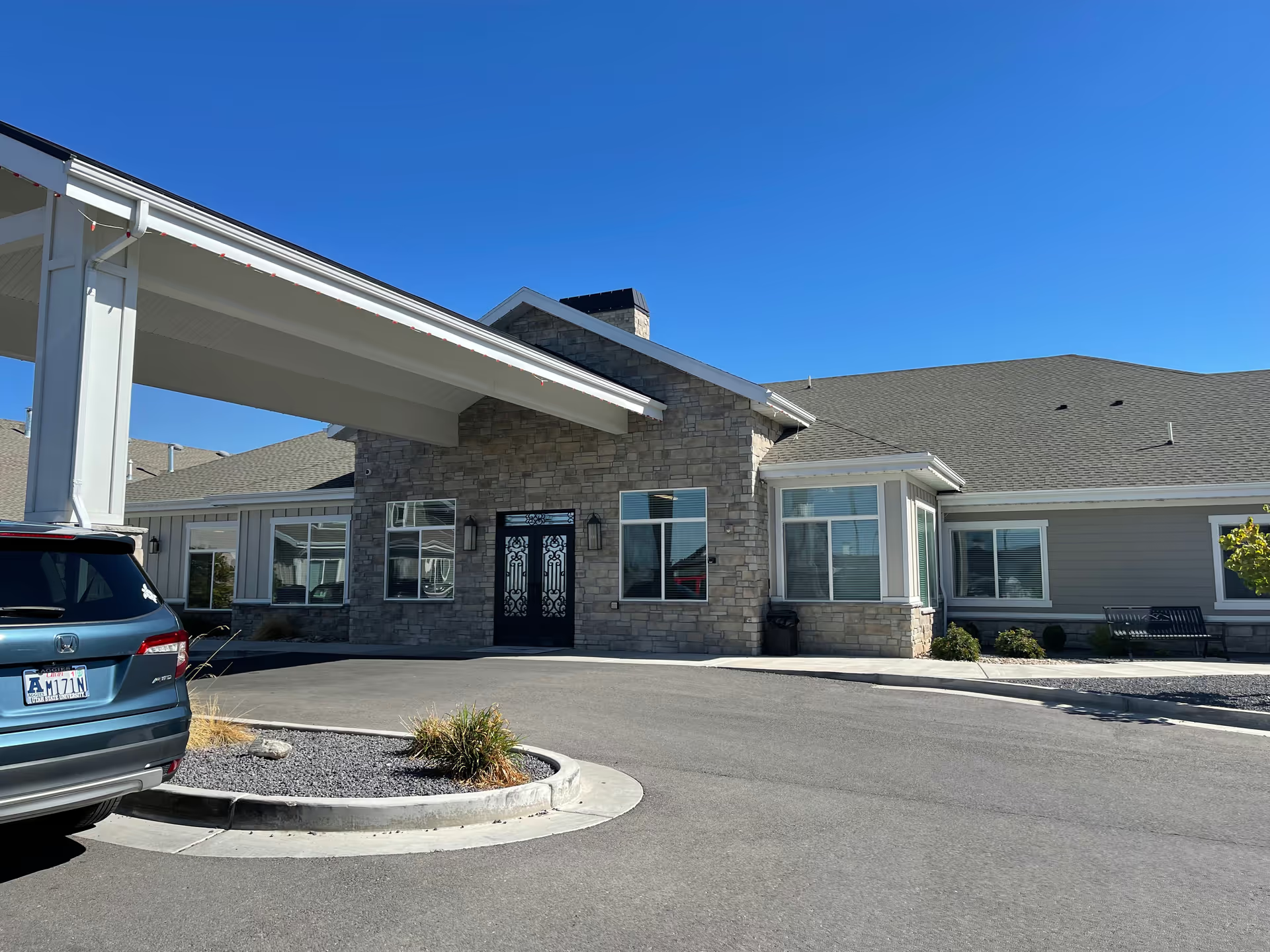
Legacy House of Park Lane is frequently described as a new, well-appointed community with a resort-like design and an extensive amenity set. Reviewers consistently praise the physical environment: bright, clean common areas, inner courtyards, and apartments with kitchenettes or full refrigerators. The site-level programing is broad, including a movie theater, salon/barber, fitness room, game and craft rooms, and regular outings and entertainment. Families and residents often highlight a welcoming, social atmosphere and a strong activities program that supports socialization and physical engagement.
Care quality and staff interactions are a dominant positive theme. Many families describe nursing and CNA staff as compassionate, attentive, and knowledgeable; several reviews cite smooth transitions to higher levels of care, prompt maintenance responses, and good coordination with therapists and hospice when needed. The memory-care unit and the hybrid independent/assisted model receive favorable comments for safety and person-centered approaches. At the same time, a pattern emerges around variability: some reviewers report exemplary, long-tenured caregivers and excellent individualized attention, while others note delays in assistance, missed clinical updates, or variability when contracted caregivers are used.
Dining and day-to-day service draw mixed but informative commentary. The dining program, including menu customization and an identifiable chef, is frequently praised for restaurant-style presentation and occasions of high-quality meals. Several families describe personalized meals, cooked-to-order breakfasts, and strong kitchen responsiveness. However, there are also recurring notes about inconsistent meal quality across days and occasional service lapses (missing common items, inadequate place settings), which suggest operational variability in kitchen and dining-room processes.
Activities and resident life are strong points: organized outings, exercise classes, musical entertainment, crafts, bus trips, and a lively social calendar are repeatedly cited as contributors to resident wellbeing. Residents are described as socially engaged and often report improved mood, weight gain where desired, and new friendships. The facility's ability to host religious services, on-site therapies, and community events is seen as supporting a holistic approach to daily life.
Management and operational patterns are the area with the most divergent feedback. Several families praise specific leaders and admissions staff for being helpful, communicative, and proactive; others describe leadership turnover, a harsher management tone, and concerns about management–staff interactions. Operational weaknesses inferred across reviews include staffing instability and onboarding gaps, intermittent sanitation concerns in dining and resident areas, inconsistent documentation and clinical updates, and occasional delays responding to pendant or call-button requests. Billing transparency and ancillary charges are also cited as a recurring family concern, and some reviewers report difficulty reaching corporate contacts promptly.
For prospective residents and families, the overall pattern suggests a facility with strong design, robust programming, and many dedicated frontline caregivers, coupled with operational variability related to management practices, staffing stability, dining consistency, and billing transparency. Recommended questions at tour or during contracting include current staffing ratios and turnover, oversight of contracted caregivers, recent sanitation or dining-service quality audits, response-time expectations for call pendants, and a clear written schedule of ancillary fees and refund policies. These inquiries can help clarify whether recent leadership or operational changes have been addressed and whether the specific apartment and caregiving plan meet the family's priorities.