Sunridge Assisted Living of Layton is described by many families as a warm, home-like community with a strong emphasis on personal attention and social engagement. Most reviews highlight compassionate, attentive caregivers, a welcoming environment, and a well-kept physical plant. The facility’s activity program and transportation offerings — concerts, scenic drives, holiday events, exercise classes and regular outings — are frequently cited as strengths that keep residents engaged. Several comments single out in-house continuity (therapy services and consistent staff presence) and private, spacious rooms as contributors to resident comfort.
Dining and daily life receive generally positive assessments: reviewers praise nutritious, varied menus, family-style dining, and staff members (including cooks and dining staff) who go beyond routine service to personalize meals. At the same time, the review set contains contrasting accounts about meal-service consistency and feeding support; while many applaud the food quality, others describe instances of missed assistance at mealtimes or inconsistent meal handling. Activities staff and directors are repeatedly noted for creating a busy calendar that residents enjoy, and the social atmosphere is often described as friendly and family-oriented.
Care quality and staff performance present a mixed picture. Numerous reviewers commend nurses, CNAs, and management for compassion, responsiveness, and advocacy; visible leadership and accessible contact information were also reported as reassuring. However, an important pattern in the reviews points to variability in staff training, clinical execution, and overnight coverage. Specific operational weaknesses referenced across reviews include medication-administration and documentation gaps, inconsistent clinical responsiveness, and sanitation or incontinence-care concerns. These issues appear unevenly distributed: some families experienced excellent continuity of care, while others encountered care lapses that prompted relocation.
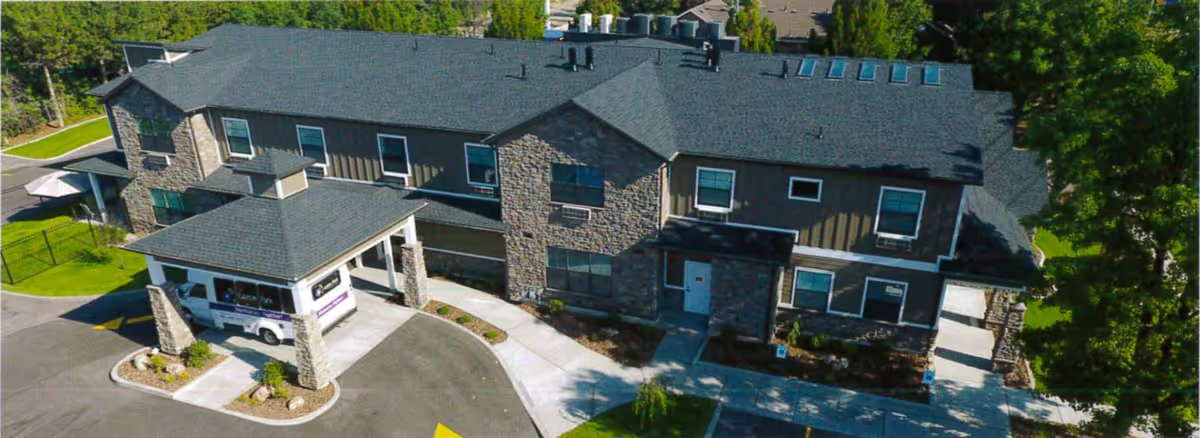
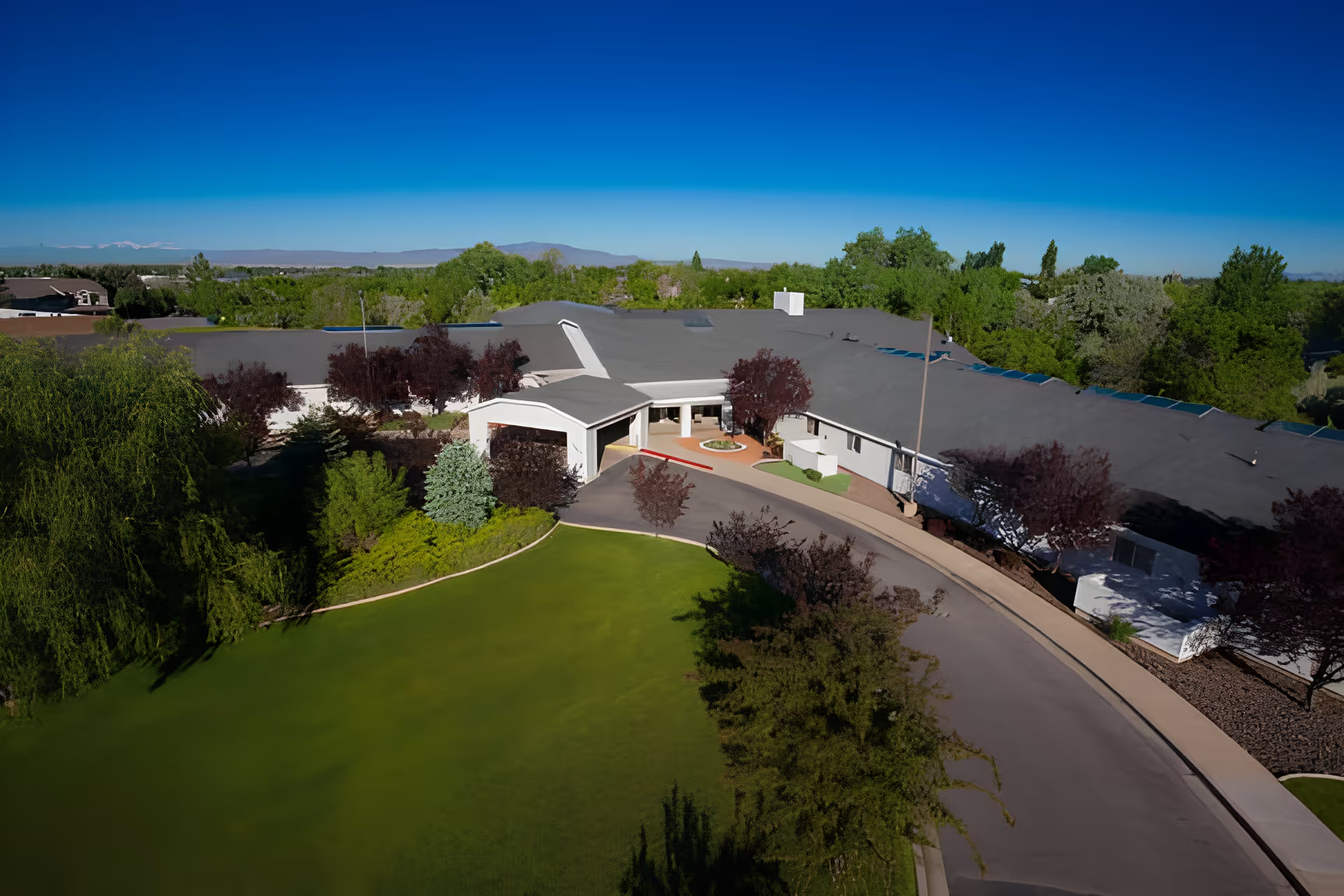
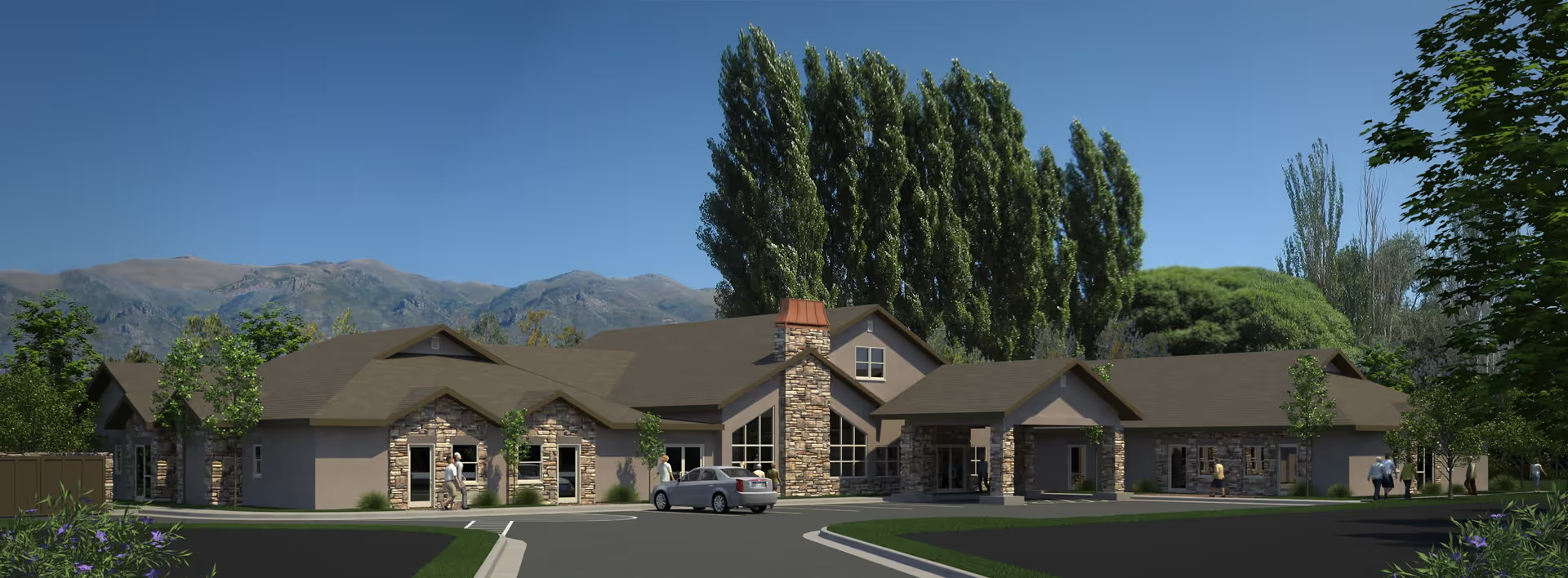
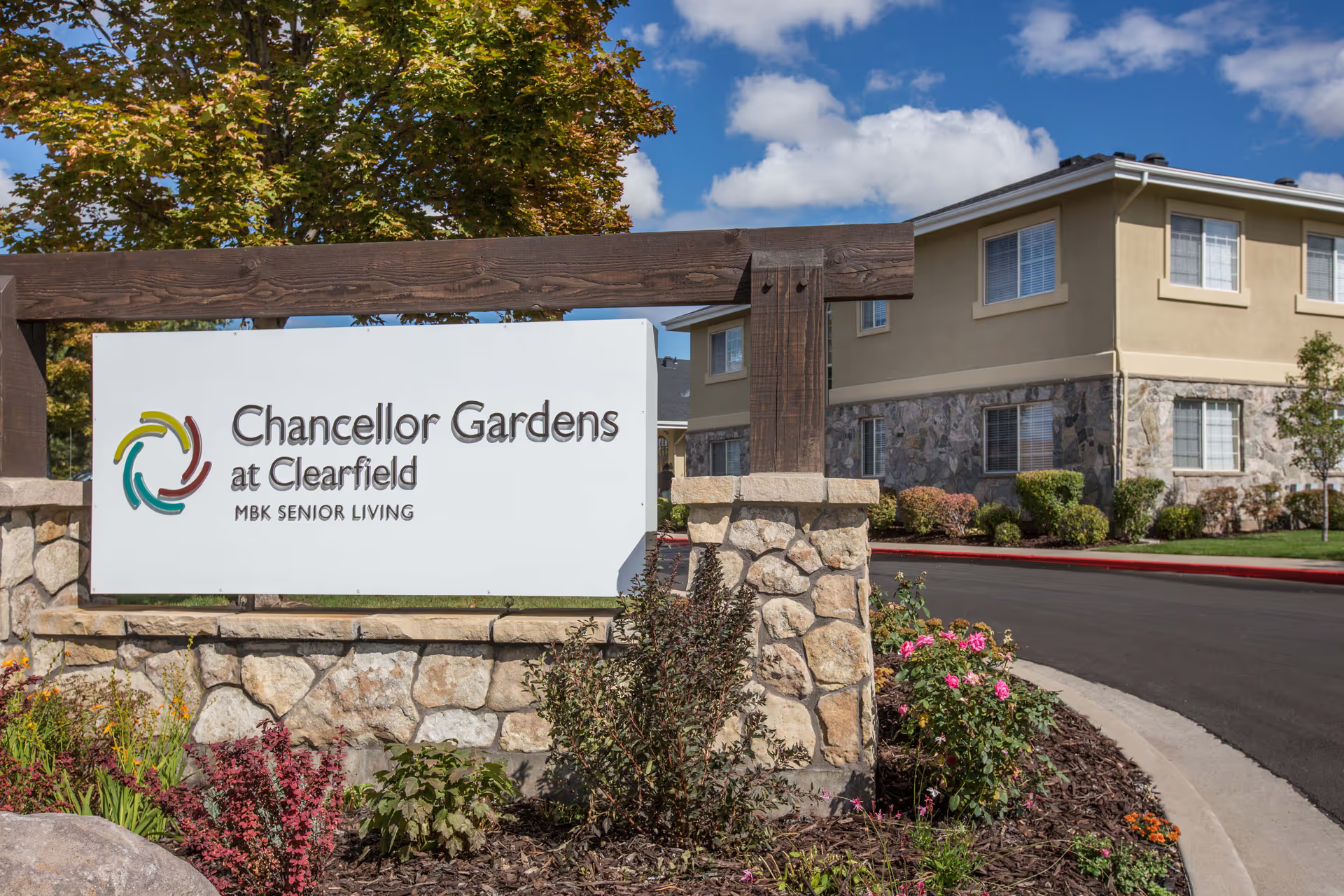
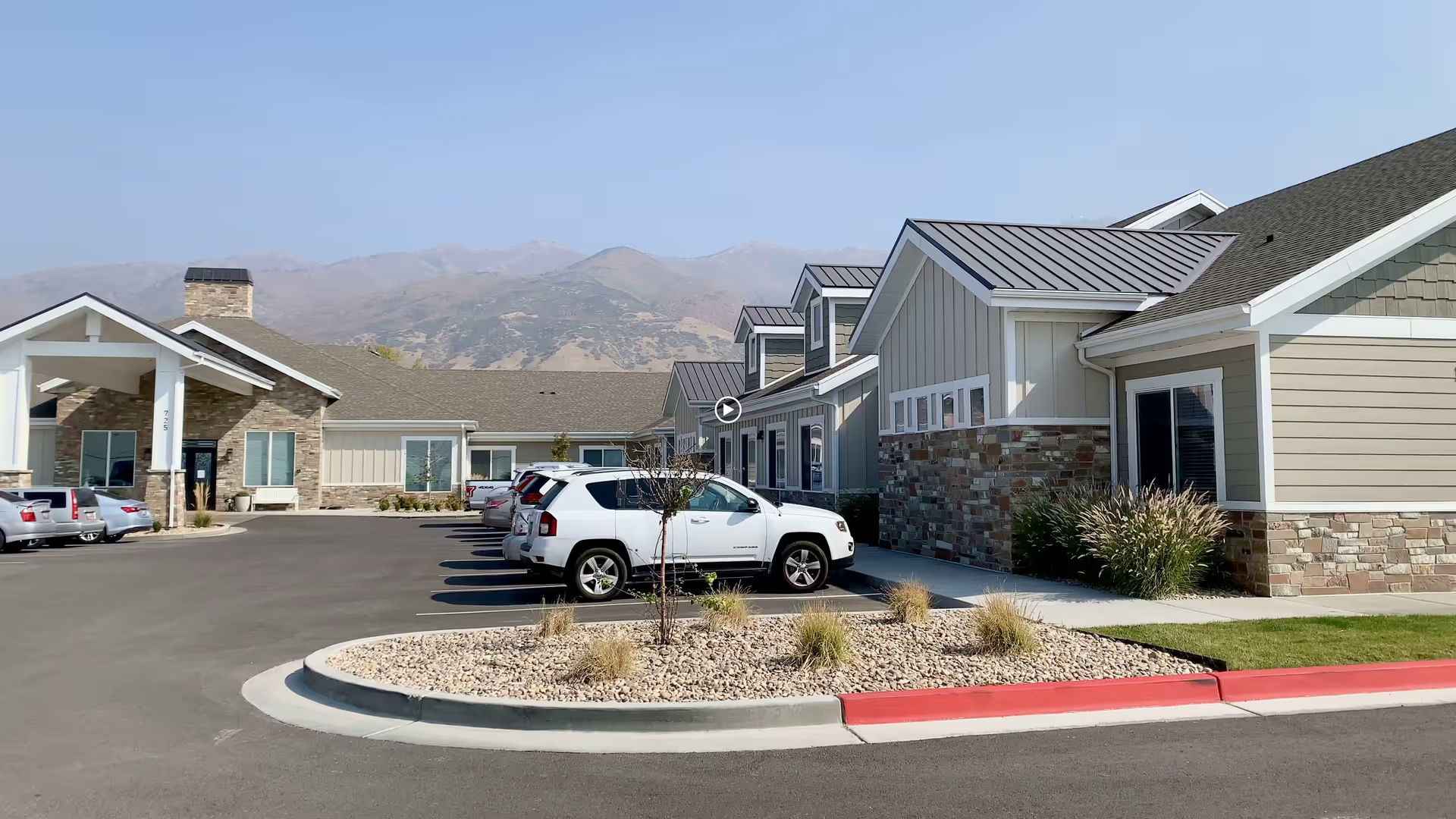
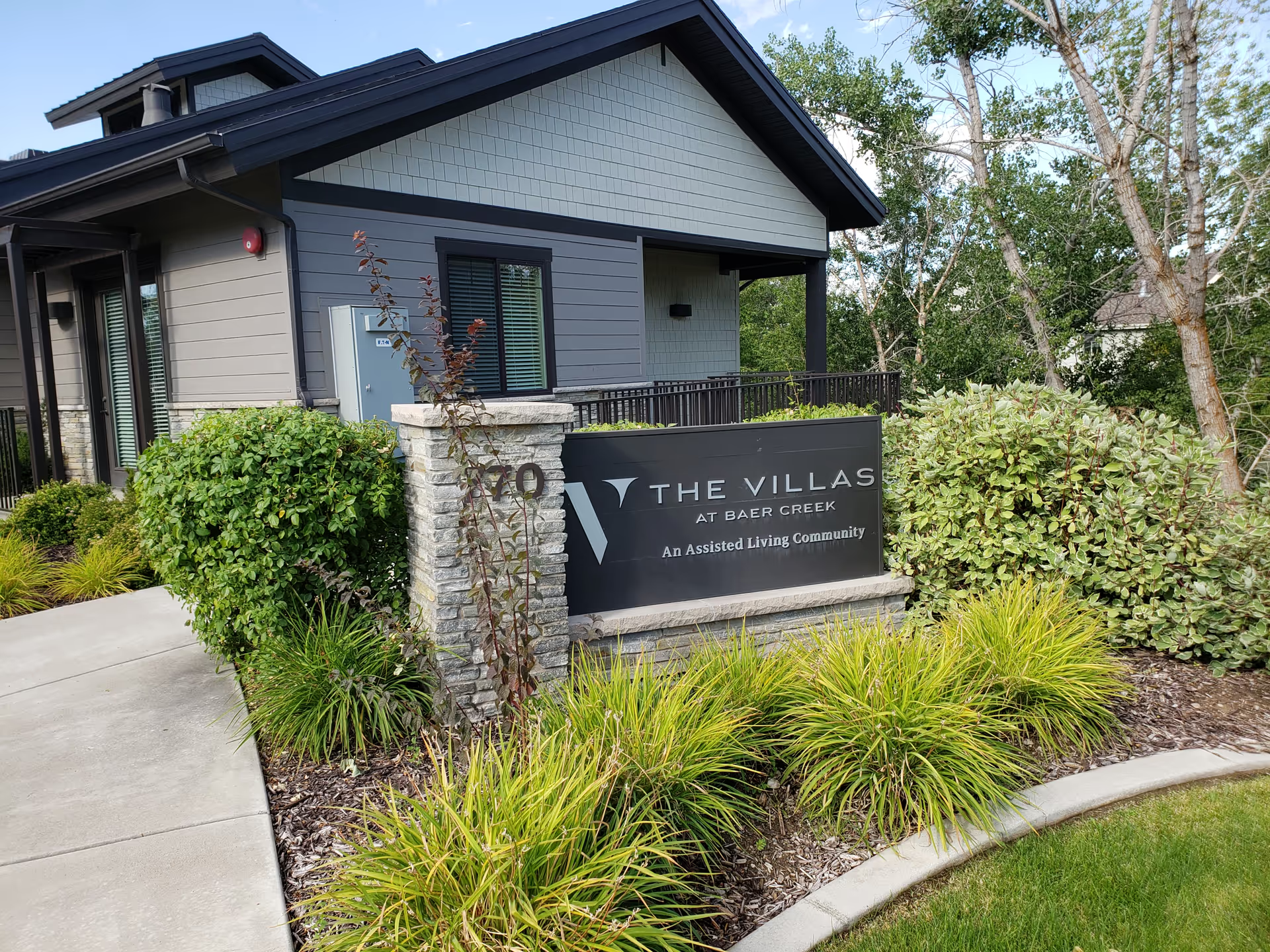
Facility and management notes: the building and grounds are frequently described as modern, clean, and attractively maintained. Several reviewers praise a strong “first-day” admissions experience and staff who assist with move-in logistics. Management is often singled out by name for being engaged and responsive; conversely, a subset of reviews describes slow or conflicting communication and uneven follow-through on concerns. Financially, a number of families noted substantial rate increases over time and expressed concern about perceived value relative to cost.
Notable patterns for prospective families: the community demonstrates clear strengths in social programming, dining options, and a caring culture led by visible management. At the same time, there is a recurring signal about inconsistency — specifically in staff training/competence, medication and clinical processes, overnight monitoring, and select sanitation practices. Prospective residents and families should weigh the facility’s strong social and environmental attributes against the operational variability reported by some families. When evaluating placement, consider direct questions about staffing ratios (especially overnight), medication-administration protocols, sanitation procedures, meal-assistance practices, and recent fee-change history; request references or recent family contacts and observe staff–resident interactions during multiple visits, including evenings or weekends if possible.