Legacy House of Logan is frequently described as a clean, well‑maintained assisted‑living community with a clearly home‑like atmosphere and an active social program. Families and residents commonly praise the facility’s caregiving staff as compassionate, attentive, and resident‑focused; many reviews highlight staff who know residents by name, provide individualized care plans, and assist with medical coordination. The facility’s recreational leadership is a standout in many accounts, with frequent, varied activities, outings, and photo/video updates that families cite as contributing to resident engagement and social connection.
Clinical care impressions are mixed but largely positive for routine assisted‑living needs. Numerous families report prompt admissions, helpful transition coordination, and competent nursing oversight, including support for oxygen and transfers to higher levels of care when arranged. At the same time, a minority of reviews describe serious safety and medication‑management incidents — including medication‑dispensing errors, falls with injury, and concerns following a resident’s death — that point to gaps in medication controls, incident response protocols, and family notification practices. Prospective families should ask specific questions about medication‑management systems, fall‑prevention policies, and after‑hours clinical coverage during tours.
Dining and nutrition elicit divergent views: many reviewers appreciate restaurant‑style service, variety, and chef‑quality meals, while others describe dissatisfaction with certain menu items or cafeteria‑style service. This suggests variability in meal execution and individual preference alignment rather than a uniform standard. Similarly, activities and social programming are a major strength — regular outings, games, entertainment, and one‑on‑one engagement are repeatedly mentioned — and activity staff are often cited by name as a strong asset.
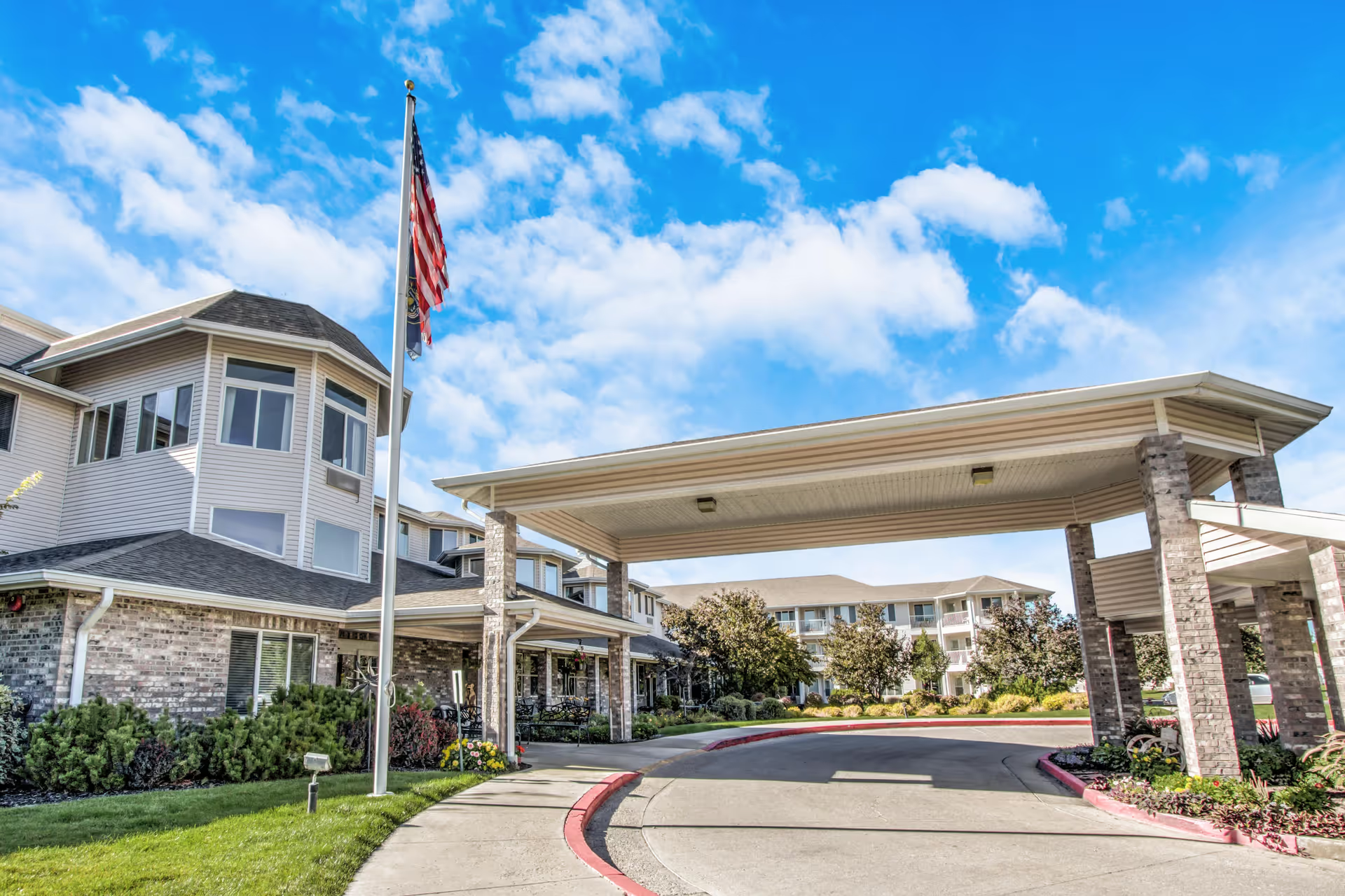
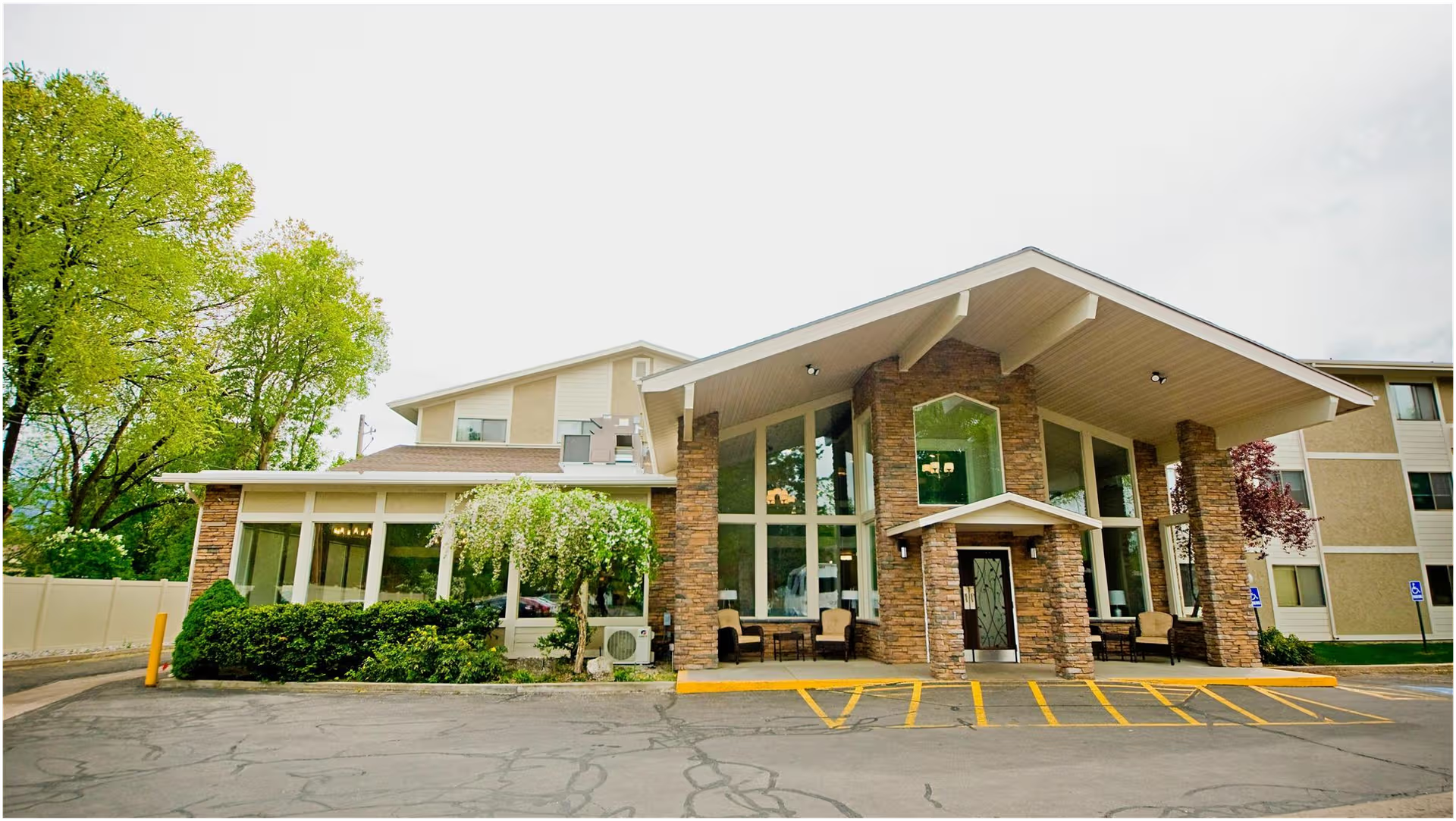
Facilities and campus features receive consistent praise: reviewers note bright, attractive common areas, well‑kept courtyards, outdoor seating, and proximity to local services. Apartment sizes are generally viewed as comfortable for assisted living, but a number of families report that private units and one‑bedroom options can be small and limited in availability; those seeking larger apartments should verify unit dimensions and waitlist status ahead of a move.
Management and communication are described positively in many accounts — particularly for routine updates and recreational photo/text communications — but there are recurring concerns about inconsistent responsiveness during clinical incidents, the tone and professionalism of front‑desk interactions in isolated cases, and occasional extra charges or pricing changes. Taken together, the pattern is of a facility with strong culture around activities, resident engagement, and day‑to‑day caregiving, coupled with operational areas that would benefit from focused attention: medication‑management systems, fall‑prevention protocols, standardized incident communication, and consistency in dining quality.
For families considering Legacy House of Logan, strengths to weigh include the active social program, visible recreational leadership, clean environment, and generally caring staff. Important screening questions at tour time should include: how medications are dispensed and audited, staffing levels and clinical coverage after hours, fall‑prevention and transfer procedures, dining menus and accommodation for preferences, unit sizes and waiting lists, and how the facility communicates serious incidents to families. These targeted inquiries will help align expectations with the facility’s strong social model while clarifying areas where oversight and procedural improvements have been indicated in some accounts.