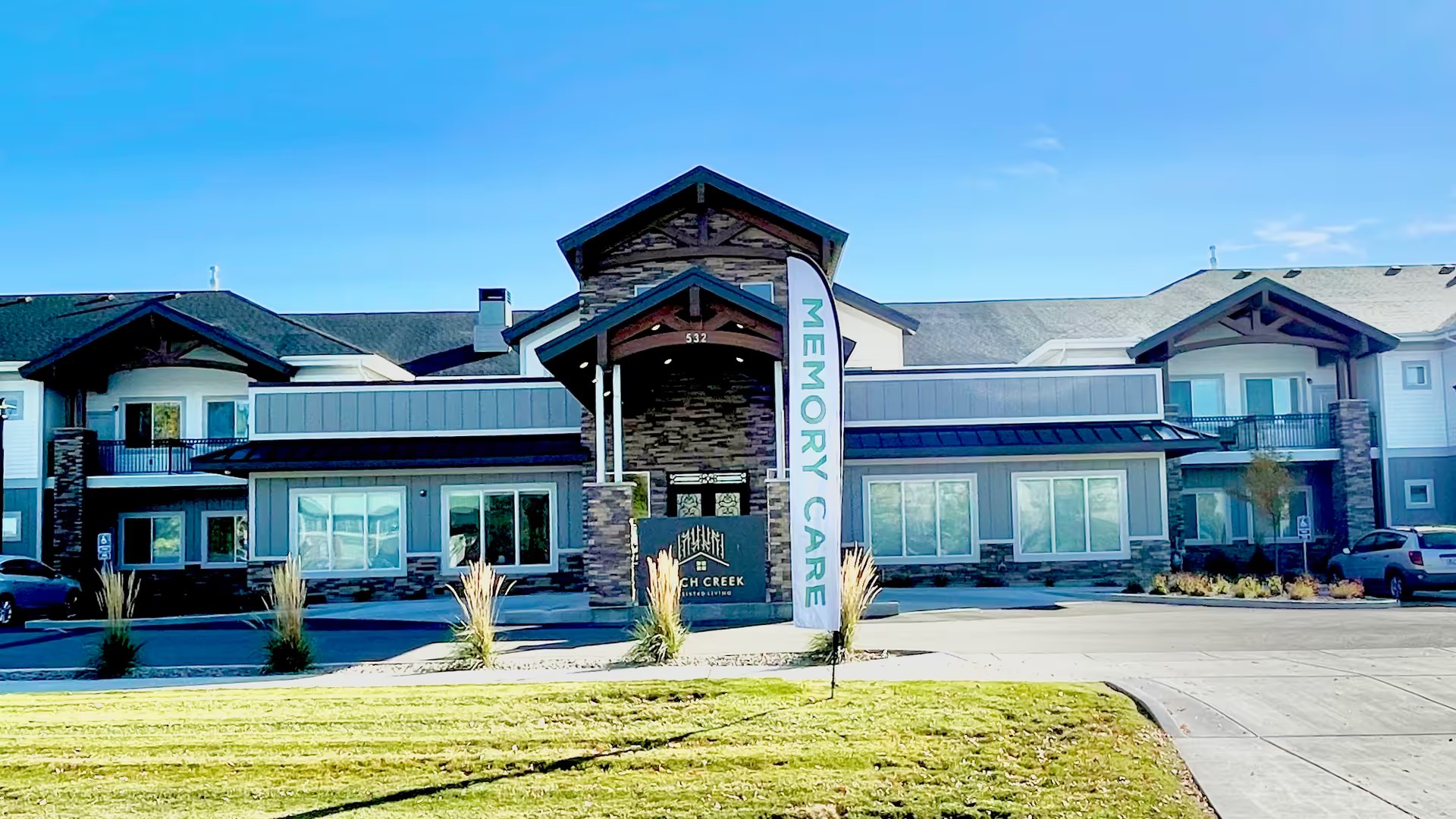
Overall impression Cache Valley Assisted Living and Memory Care is described primarily as a compassionate, home-like community with many reviewers praising individual caregivers, nursing staff, and administrative responsiveness. Strengths that recur across reviews include attentive CNAs and med techs, an activities program that offers frequent outings and events, a generally clean and well-decorated building, and a dining area noted for pleasant views. Families and outside clinicians (including hospice staff) have highlighted personalized attention and a sense that residents are treated like family.
Care and staffing Clinical and direct-care staff are frequently characterized as caring, patient, and willing to go above and beyond. Several reviewers singled out nurses, hospice partners, and named administrators for proactive involvement. At the same time, staffing consistency emerges as the facility's principal operational risk: reviewers report understaffing, high turnover, long waits for assistance, and staff stress or low morale. These staffing patterns are associated with slower response times to call lights and occasional lapses in routine monitoring. A number of reviewers connected staffing pressure to delays in assistance and to broader concerns about continuity of care.
Clinical-monitoring and memory-care patterns There are mixed signals about clinical oversight. Many families compliment the facility’s dementia-care expertise and individualized approaches, while other accounts point to substantive concerns in the memory-care unit—specifically, insufficient on-unit presence at times, difficulties with night-time wandering supervision, and evidence of gaps in nutrition/hydration monitoring and medication oversight. A small subset of reviews describe serious individual outcomes that led families to relocate residents; these reviews indicate the need for careful assessment of the unit’s staffing, observation protocols, and medication-monitoring practices before placement.
Dining and daily life Dining and activity offerings are generally praised. Reviewers describe a varied menu, communal meals, and opportunities for family participation; some also mention occasional blandness or meal-service delays during periods of staffing strain. The activities program is a consistent strength, with an active calendar, field trips, creative programming, and an engaged activities director that contribute to resident socialization and quality of life.
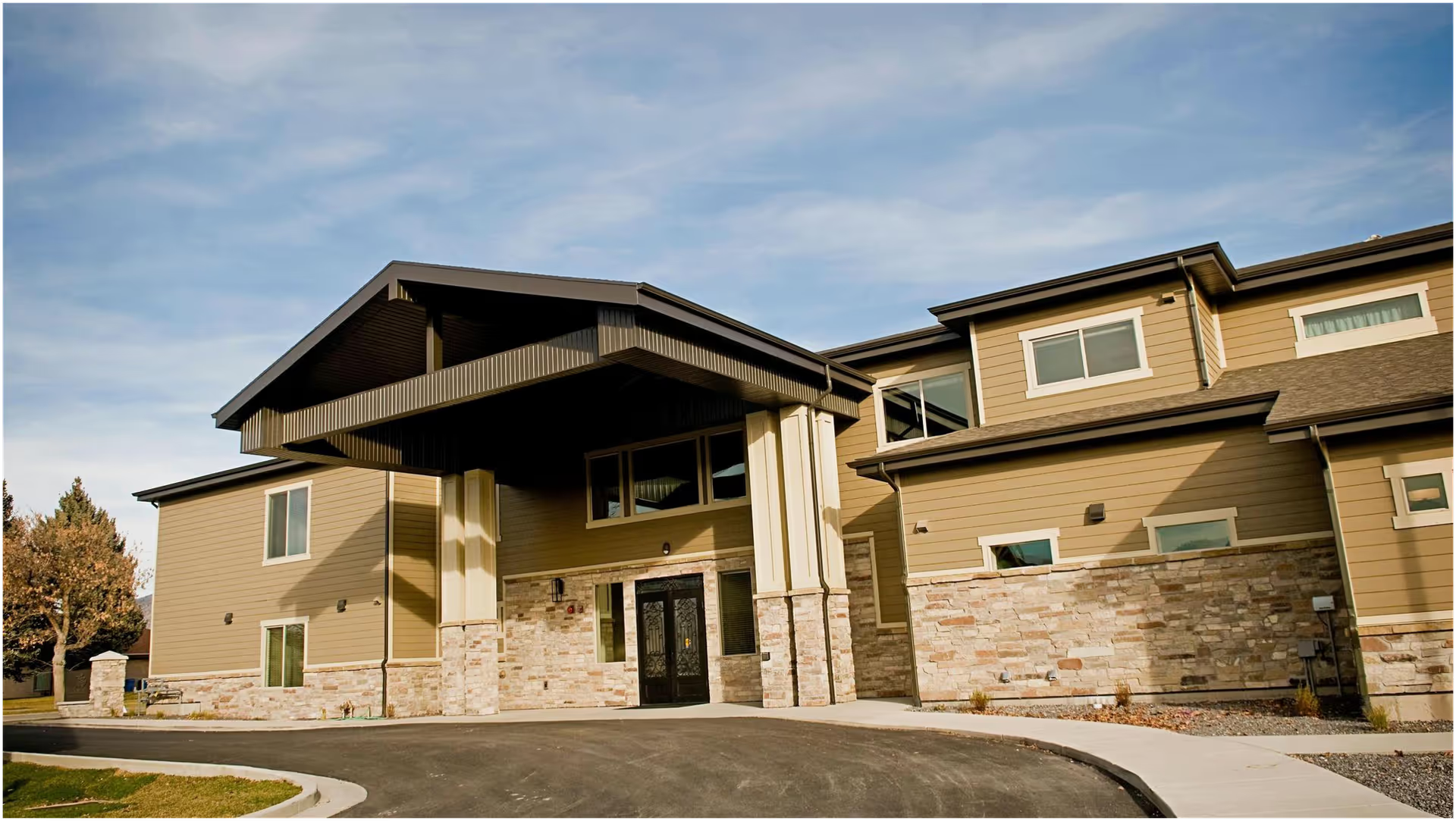
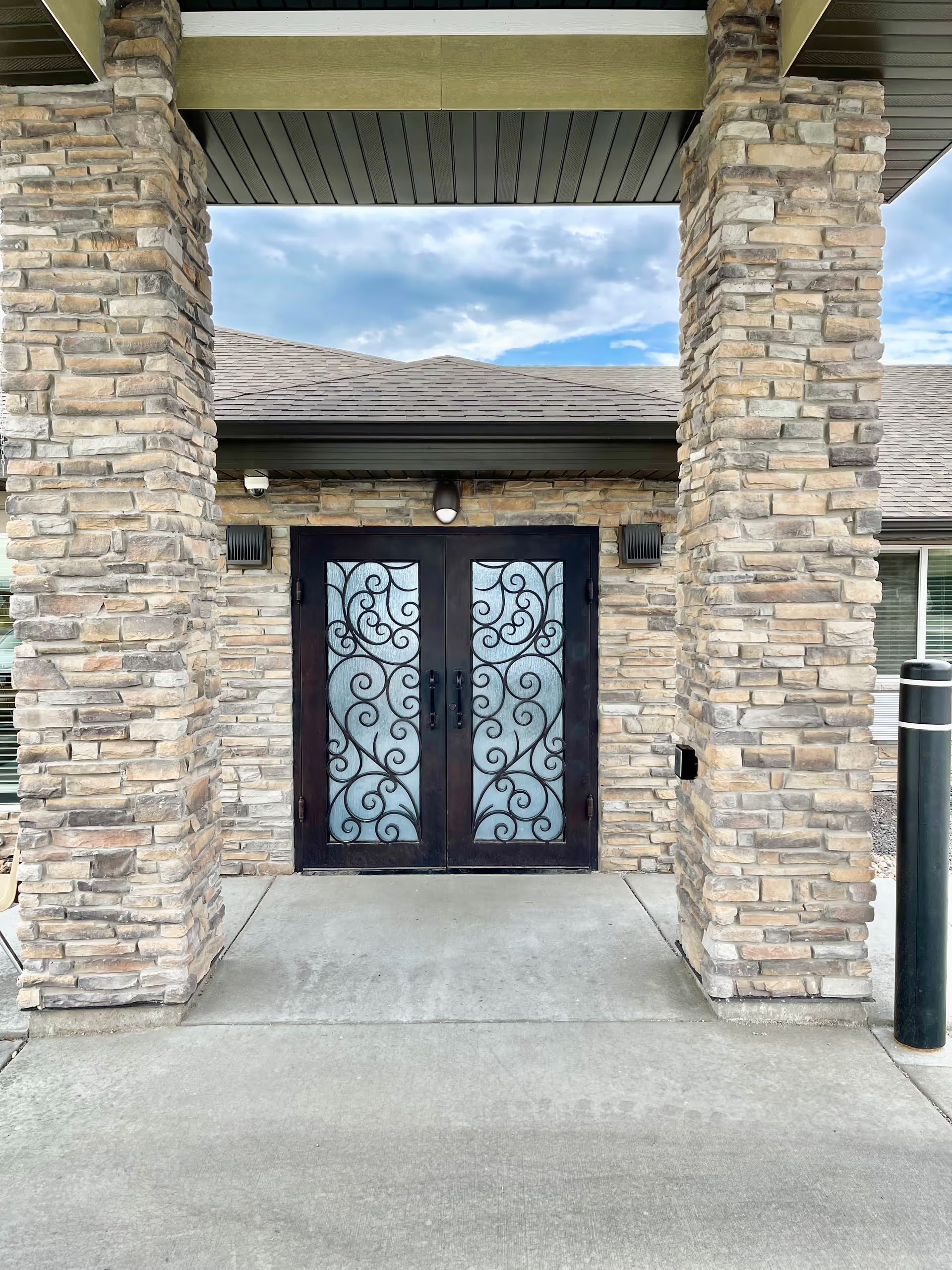
Facilities and operations The physical plant is described as clean, bright, and well-maintained, with home-like décor and scenic dining views. A few reviews note localized cleanliness or odor-control issues in specific areas and occasional maintenance items (for example, leaking ceilings or door-lock concerns). Administrative accessibility is often noted positively—named staff members are referenced as responsive—but some reviewers raise concerns about inconsistent family communication and unexpected ancillary charges for specific services.
Management and culture Management receives both positive and critical observations. Many reviewers report hands-on, caring administrators who respond to feedback; others raise concerns about ownership priorities, staff compensation, and practices that may suppress frank discussion of staffing challenges. These cultural and operational tensions appear to contribute to turnover and to variability in day-to-day resident experience.
What prospective families should consider Prospective residents and families will likely find a community with genuine strengths in caregiving, activities, and hospitality. At the same time, it is advisable to directly evaluate current staffing ratios (especially in the memory-care unit and overnight), medication-management procedures, nutrition/hydration monitoring practices, and facility-specific cleanliness/maintenance follow-up. Ask for recent staffing rosters, nursing coverage patterns, written protocols for wandering and night supervision, and examples of how the facility communicates clinical changes to families. A tour that includes the memory-care unit and time to speak with nursing leadership will help assess whether the operational risks noted in some reviews have been addressed.