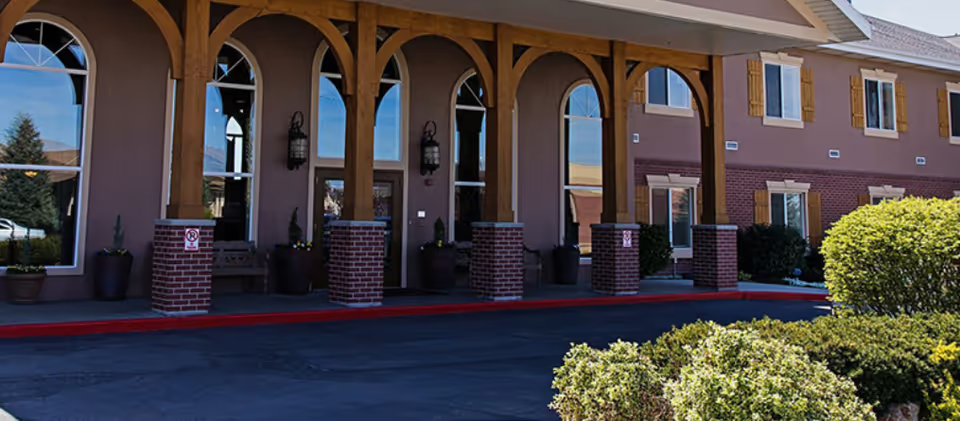
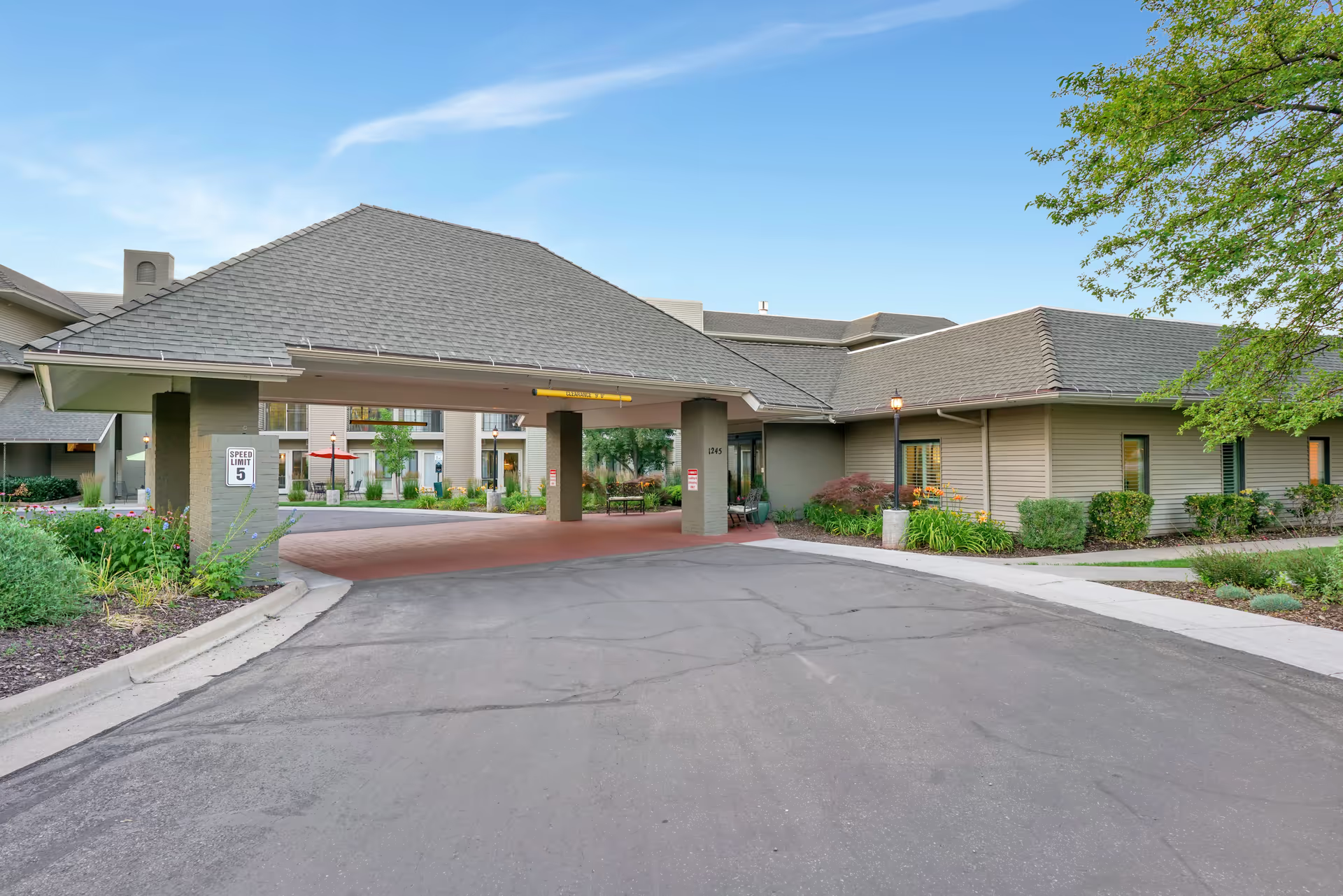
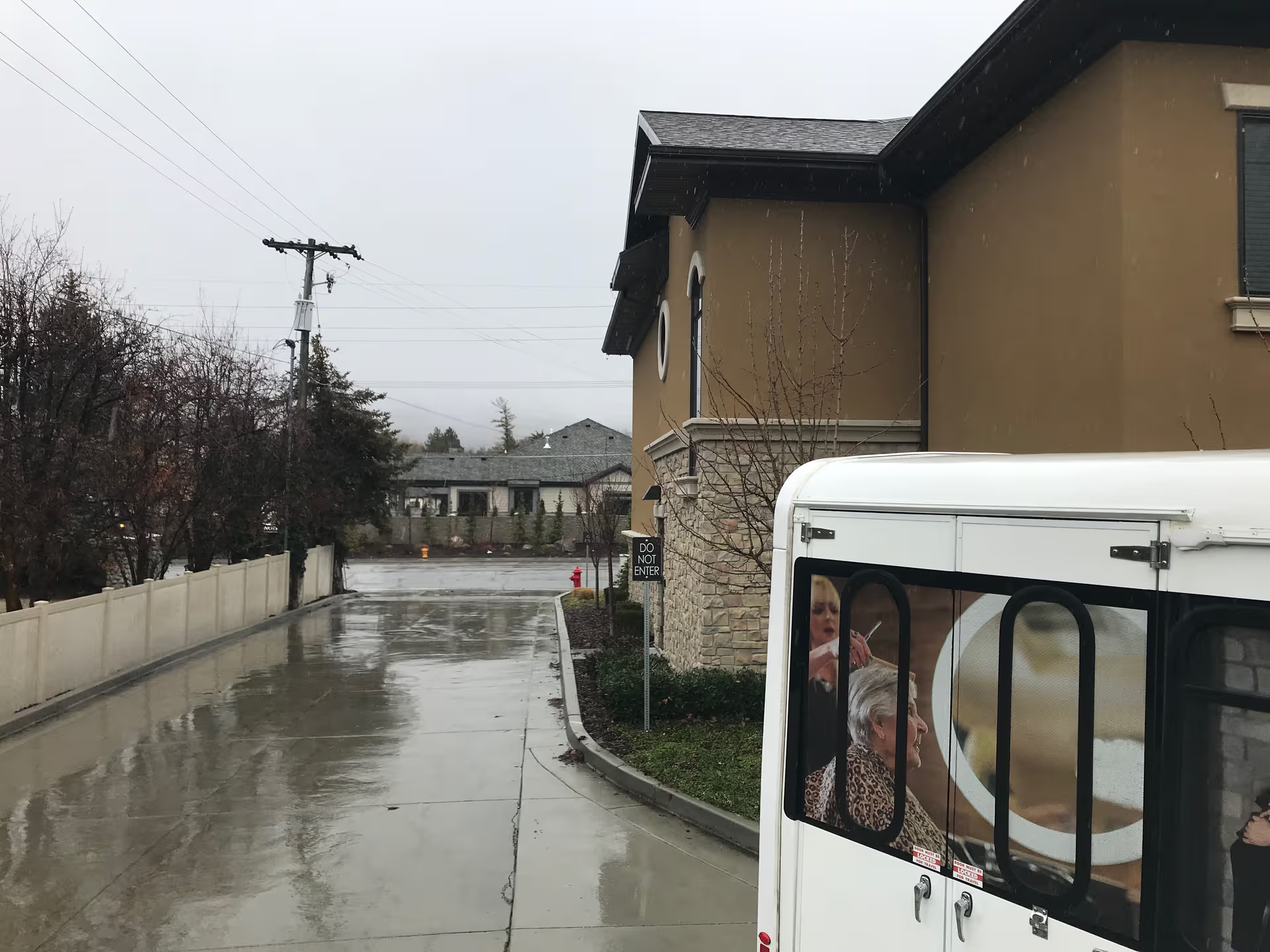
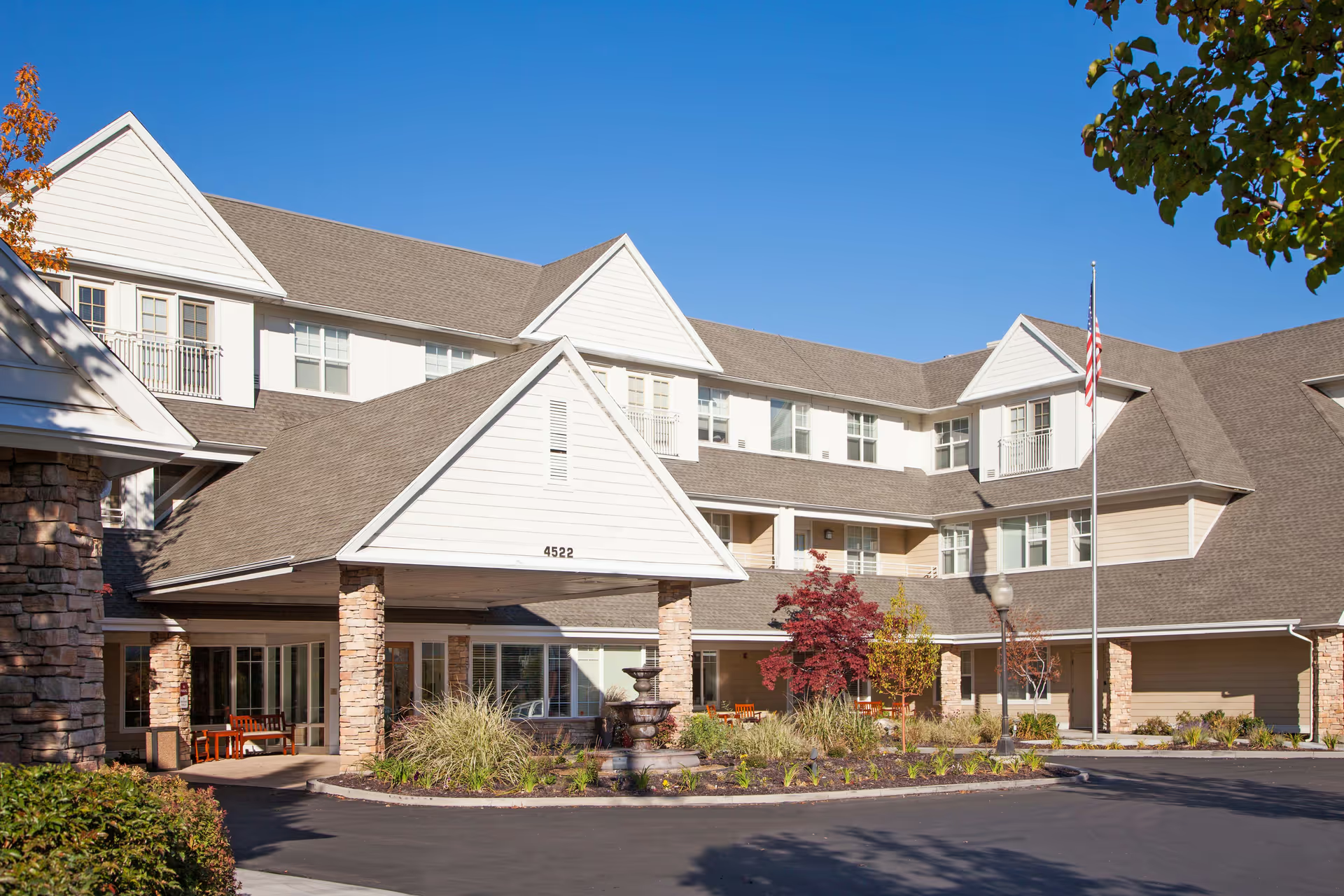
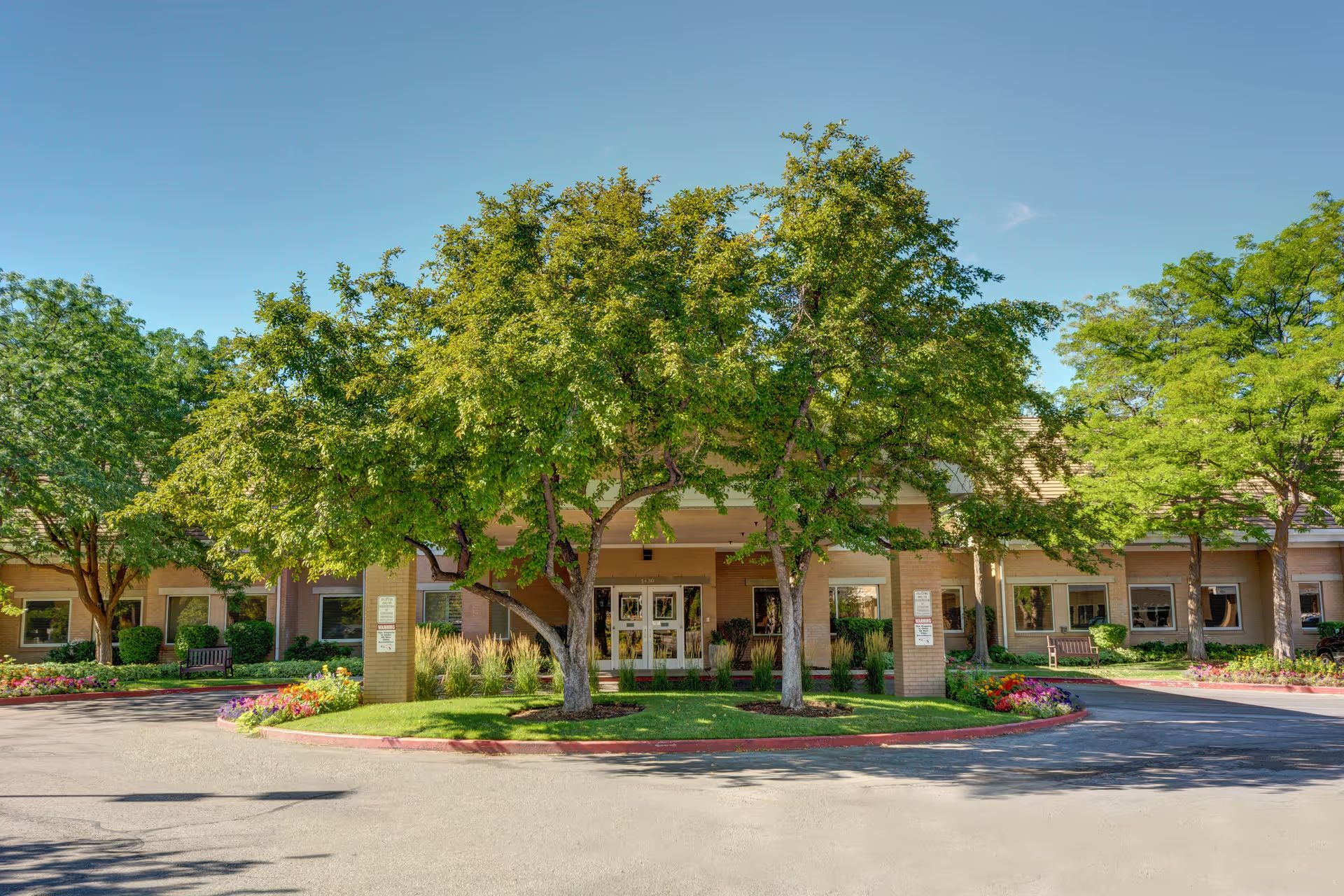
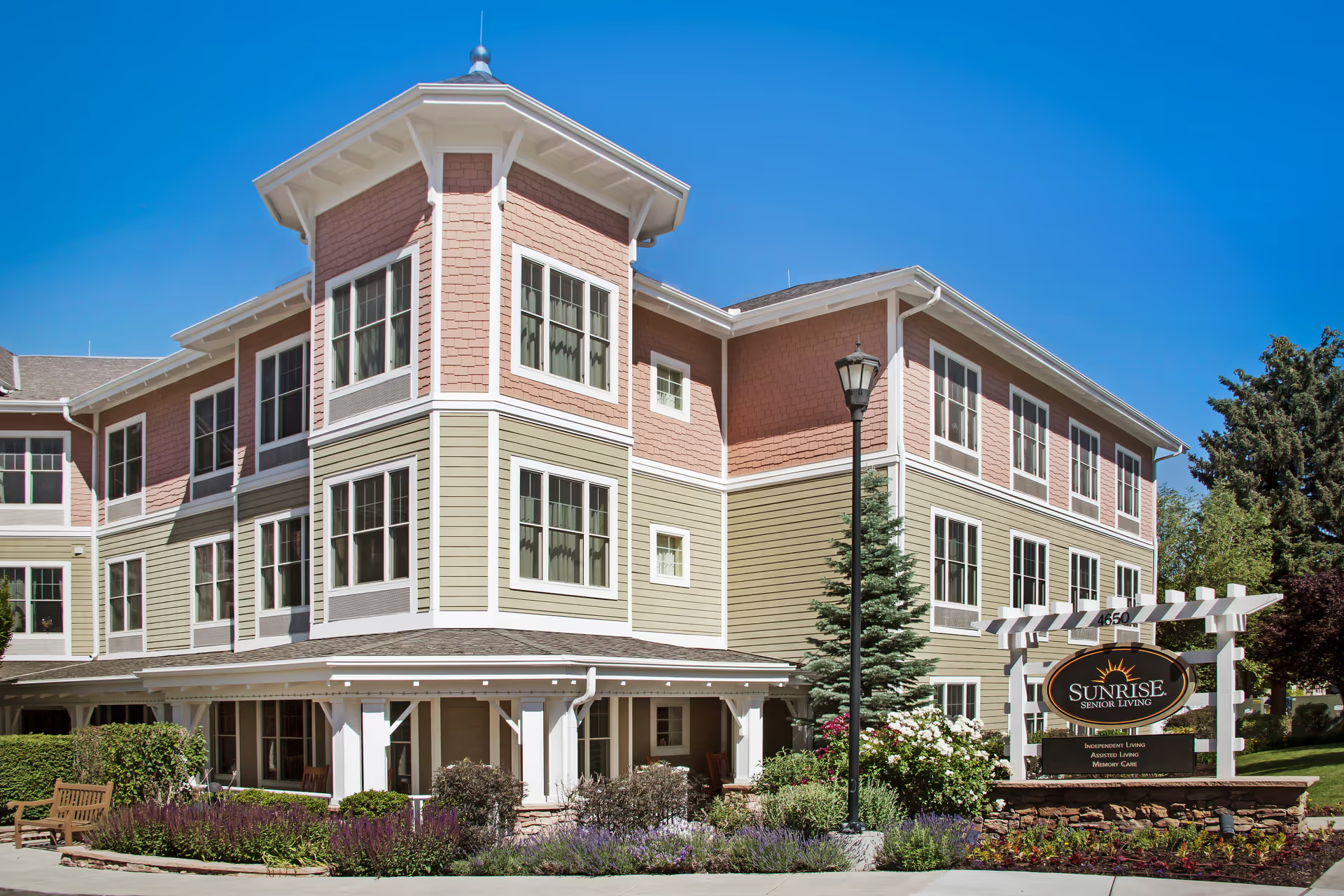
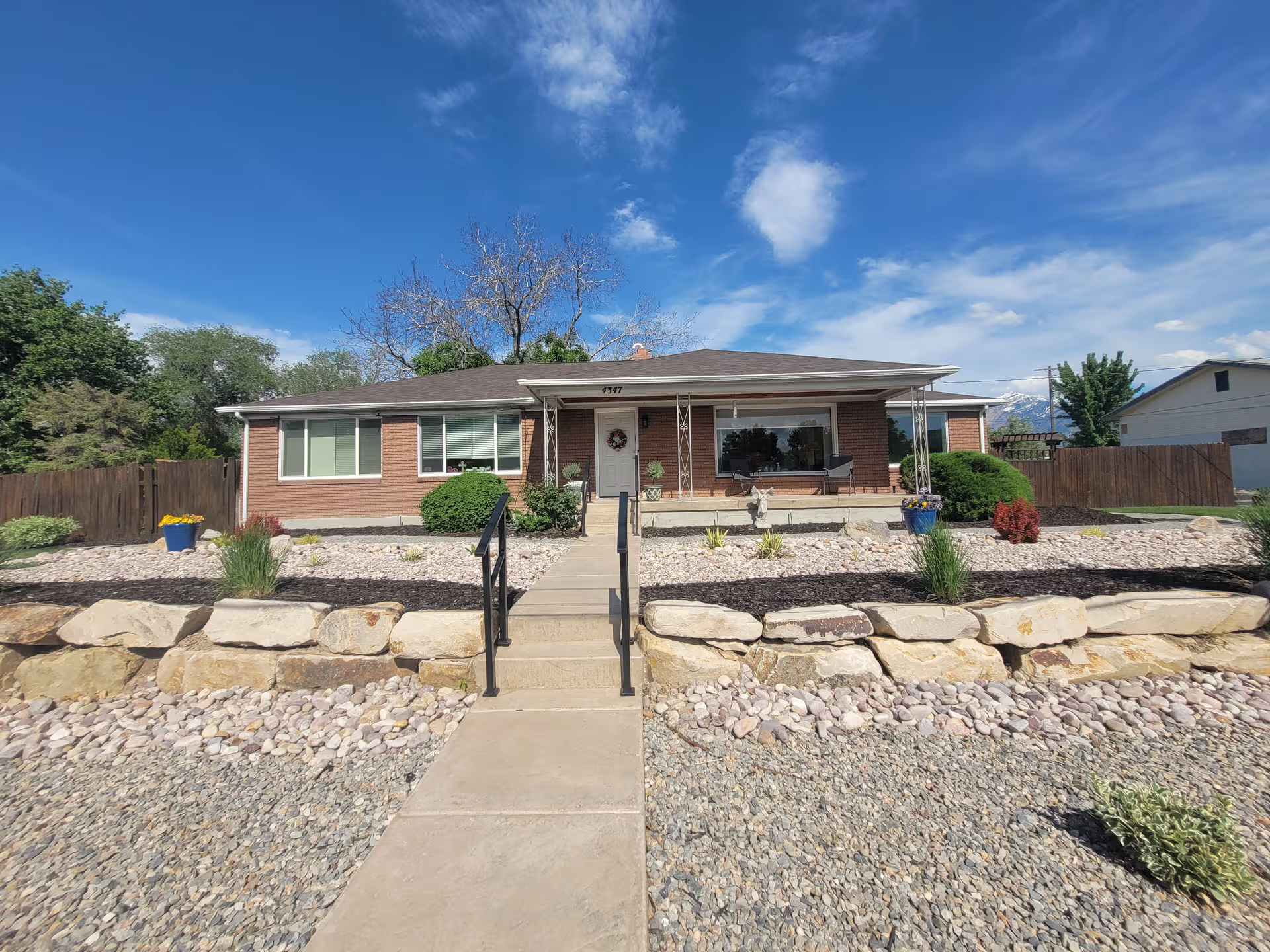
Olympus Ranch presents as a well‑appointed independent‑living community with a strong emphasis on social programming, dining, and an inviting built environment. Common areas are frequently described as light, bright, and decorated with significant artwork; wide hallways, large dining spaces, and outdoor walking paths contribute to an open, walkable feel. The property offers a broad choice of apartments (studios through two‑bedrooms, corner units, patios) and several on‑site amenities such as a fitness room, salon, library, and laundry facilities, which support an independent‑living lifestyle.
Staff performance and everyday care are the facility's most consistently cited strengths. Reviewers emphasize friendly, attentive, and helpful personnel who assist with transitions, set up resident technology, and accommodate special diets. Housekeeping and maintenance are generally described as responsive, and many families appreciate the social warmth among residents and staff. At the same time, several reviewers described operational pressures: staffing levels can be inconsistent (including weekends), turnover has been noticeable in certain leadership roles, and some support roles have been stretched thin. Prospective residents should clarify current staffing levels and how weekend coverage and turnover are managed.
Dining is a central feature. Many reviewers praise quality, variety, and presentation—three meals daily with multiple options, accommodations for special diets (keto, dairy‑free), and on‑site cooking rather than frozen meals. Others, however, experienced variability in food temperature, seasoning, or service speed at times. Meal timeliness and consistency of meal quality are points to confirm during a visit, particularly if dining scheduling or dietary needs are important.
Activities and social life are robust, with a full calendar that includes movie nights, bingo, day trips, religious services, music, educational meetings, and fitness programming. Transportation via mini‑bus and scheduled outings to shopping and cultural sites are recurring positives. Some reviewers noted lower resident participation in certain activities or limitations due to individual schedules; activity engagement can vary by cohort, so visitors should sample current programming to assess fit.
Operational and management patterns merit attention. There are repeated mentions of management turnover, occasional communication gaps with families, and perceived inconsistencies in administrative responsiveness. Pricing and affordability were also flagged: some described the community as high‑cost or carrying an elite membership fee, though others judged it good value for services provided. Infrastructure issues such as slow or limited elevator capacity and constrained parking were cited as practical inconveniences. Additionally, while the community supports independent living well, it has limited capacity for higher‑acuity skilled nursing—prospective residents needing progressive clinical care should verify available clinical resources and transfer pathways.
A small number of serious individual concerns were raised; families should request the facility's incident‑response protocols and ask how allegations and sensitive incidents are investigated and communicated. In summary, Olympus Ranch is frequently praised for its compassionate staff, active social programming, appealing physical environment, and meal program, but prospective residents should evaluate current staffing stability, management communication, meal consistency, and the fit between independent‑living services and any future clinical needs before committing.