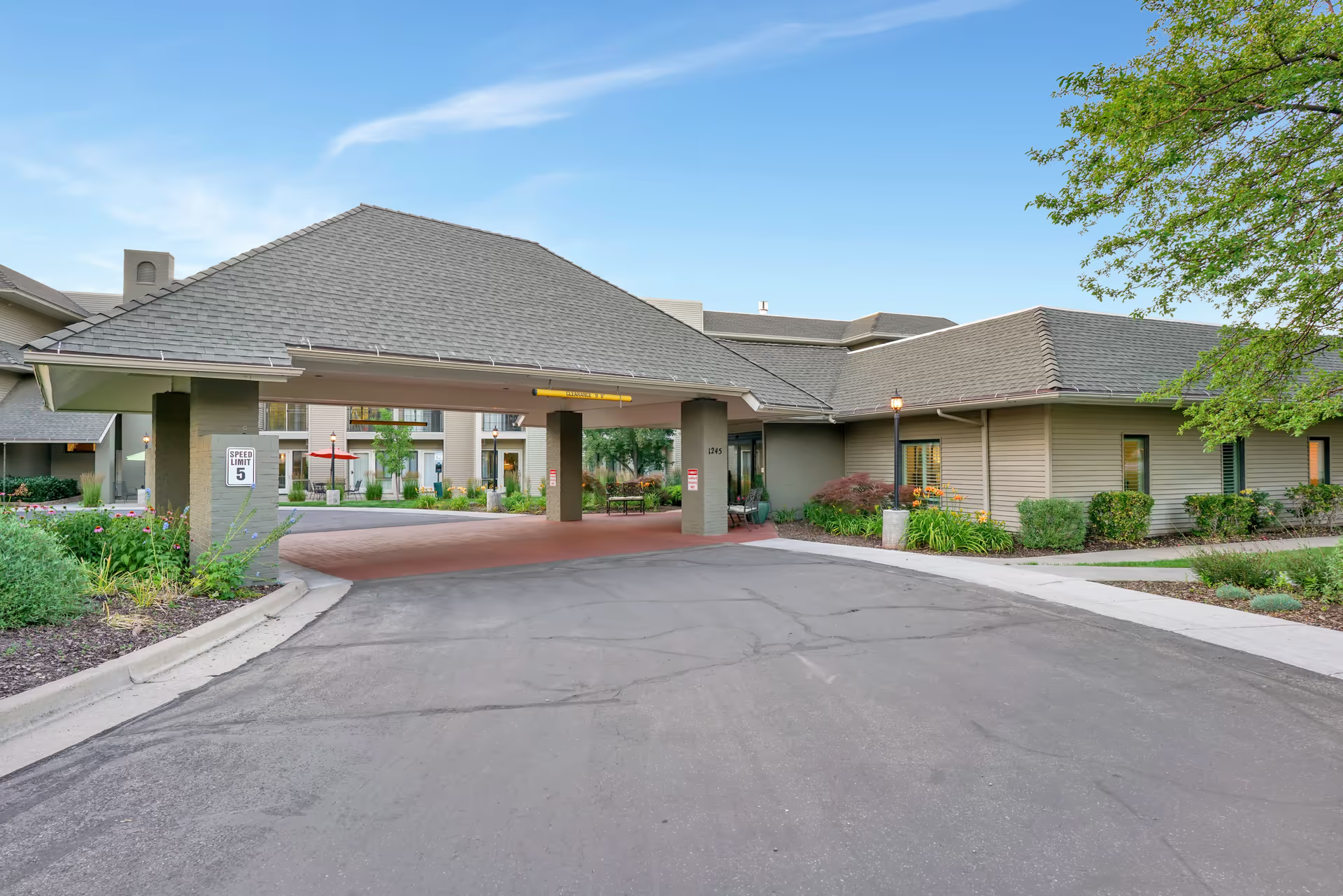
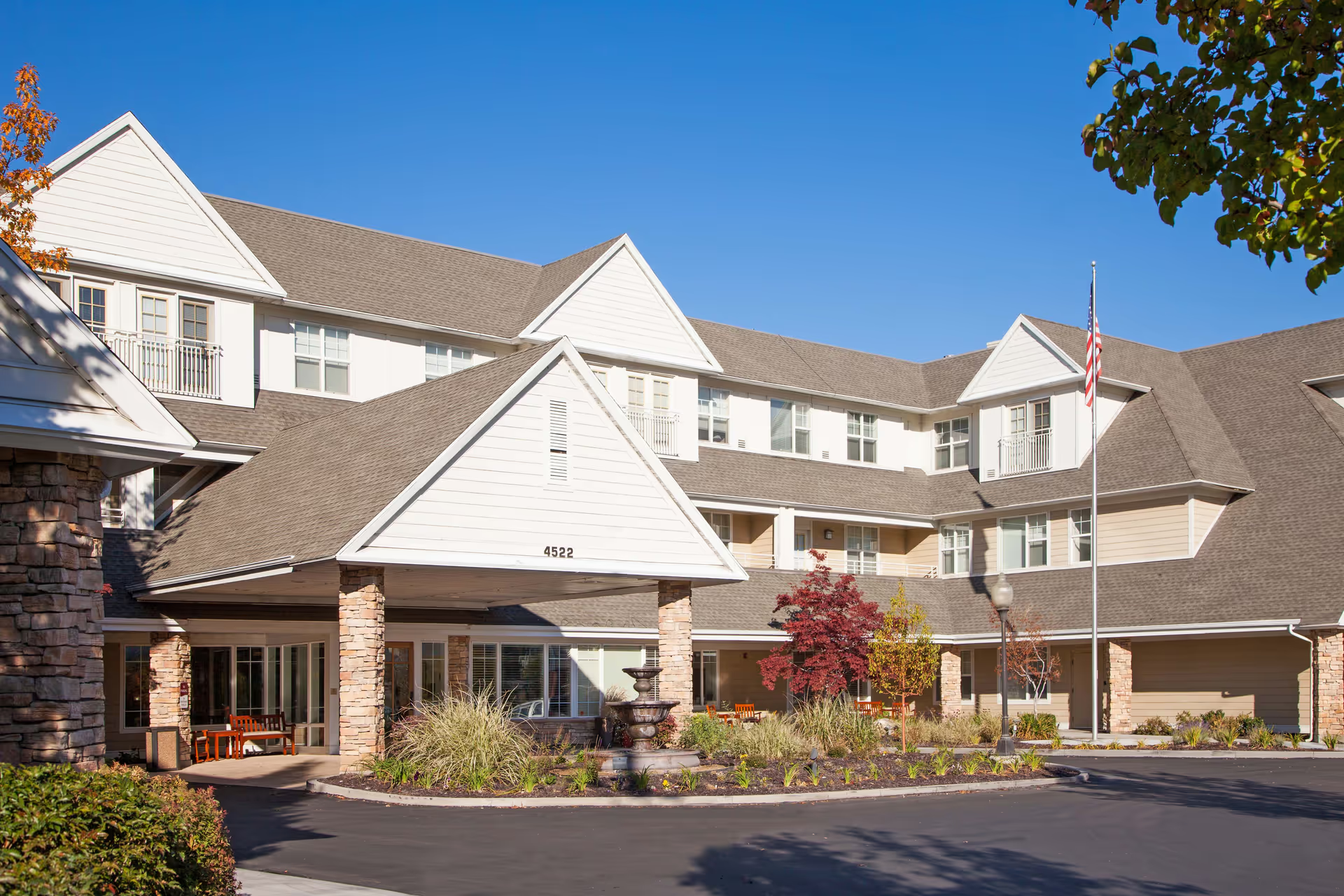
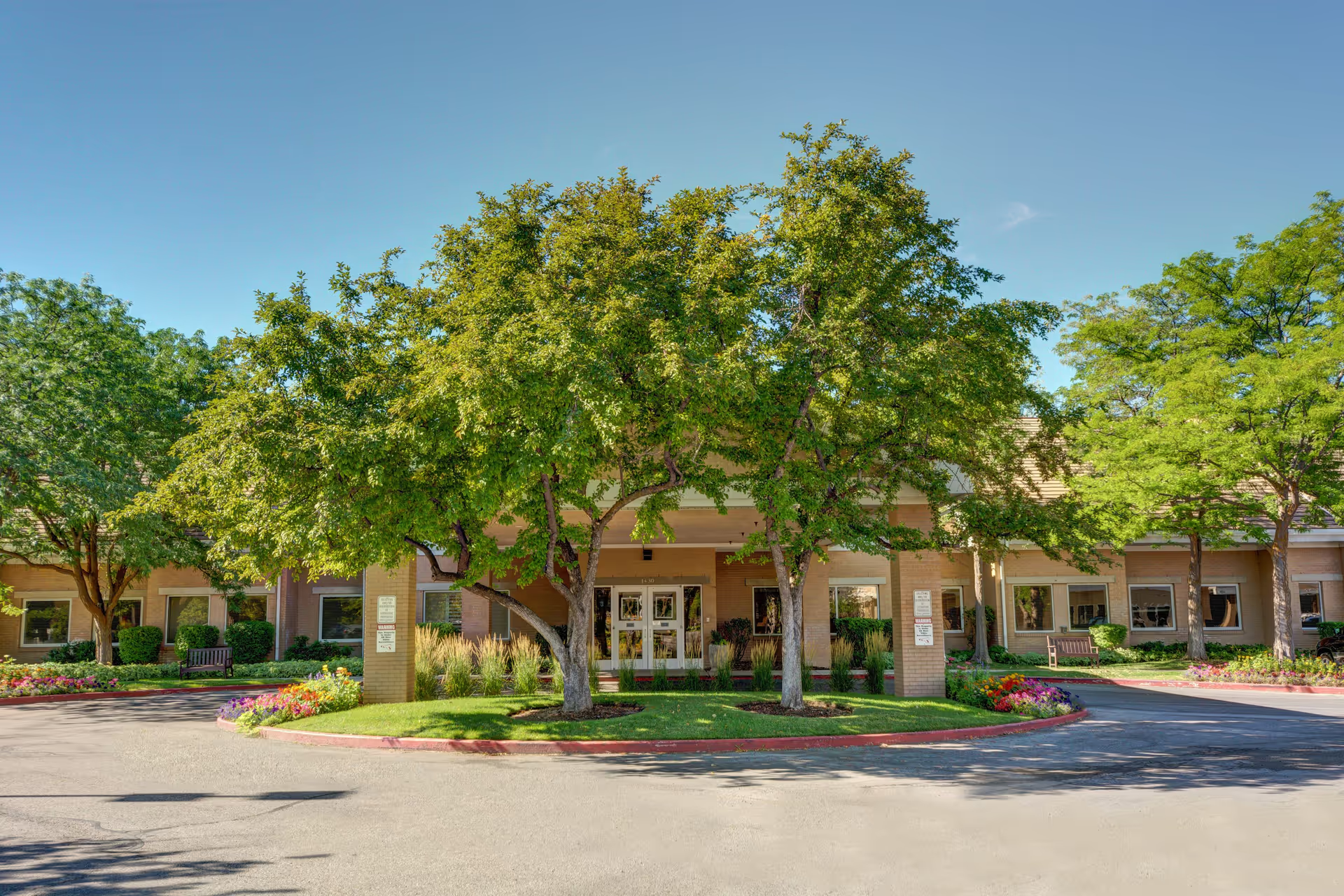
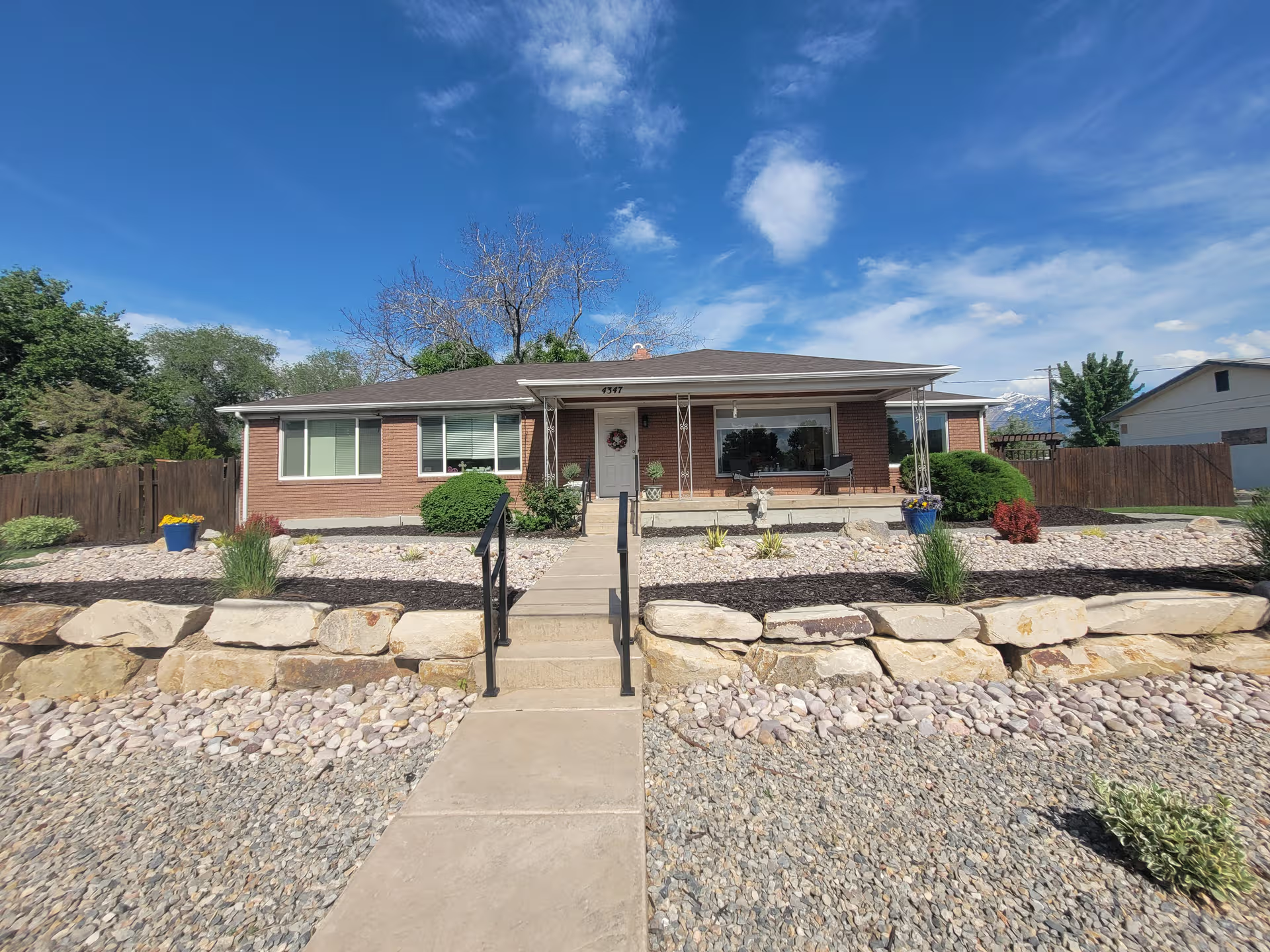
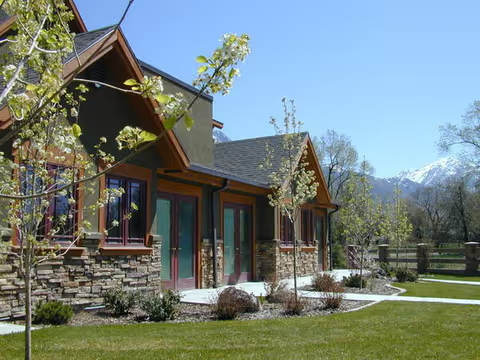
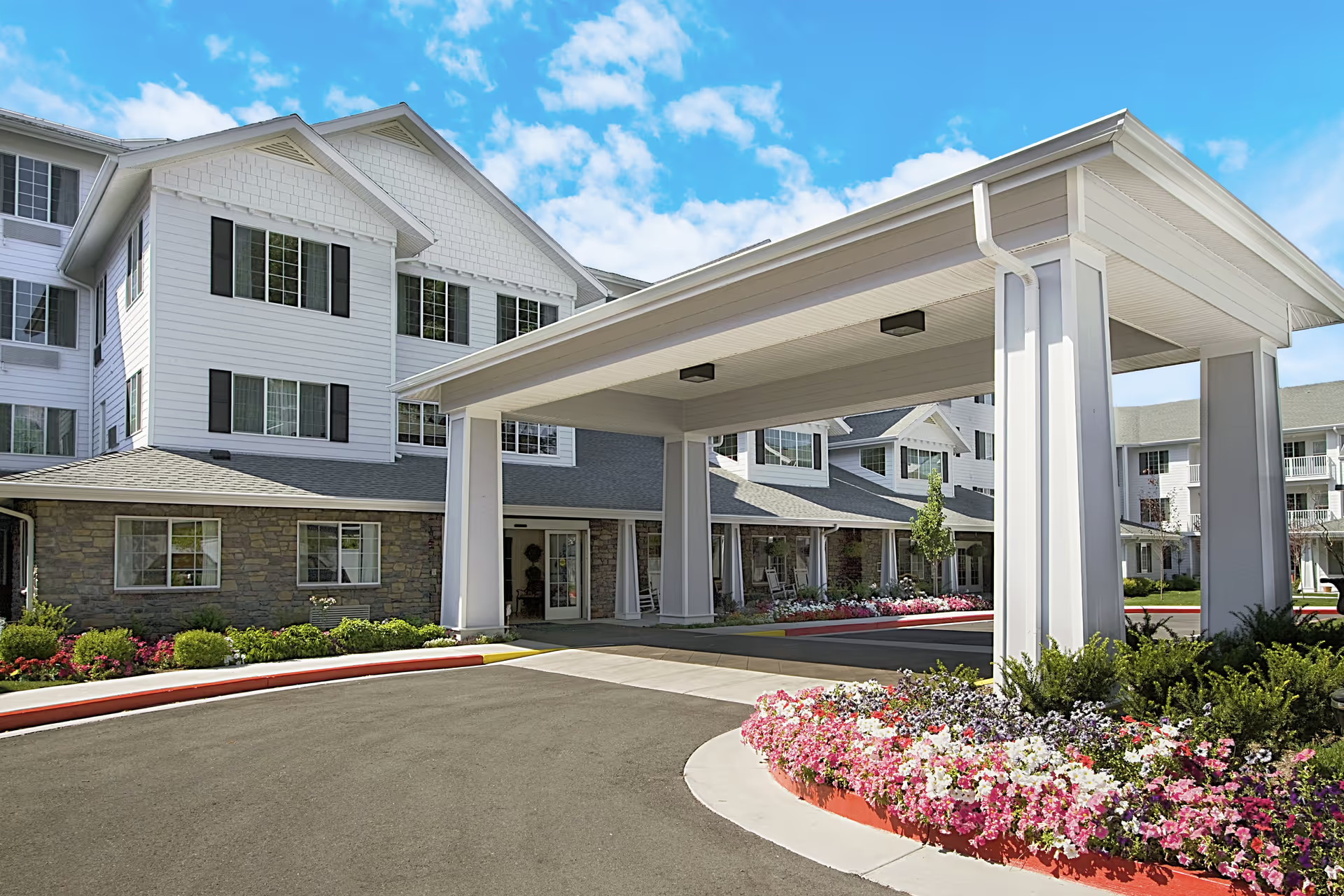
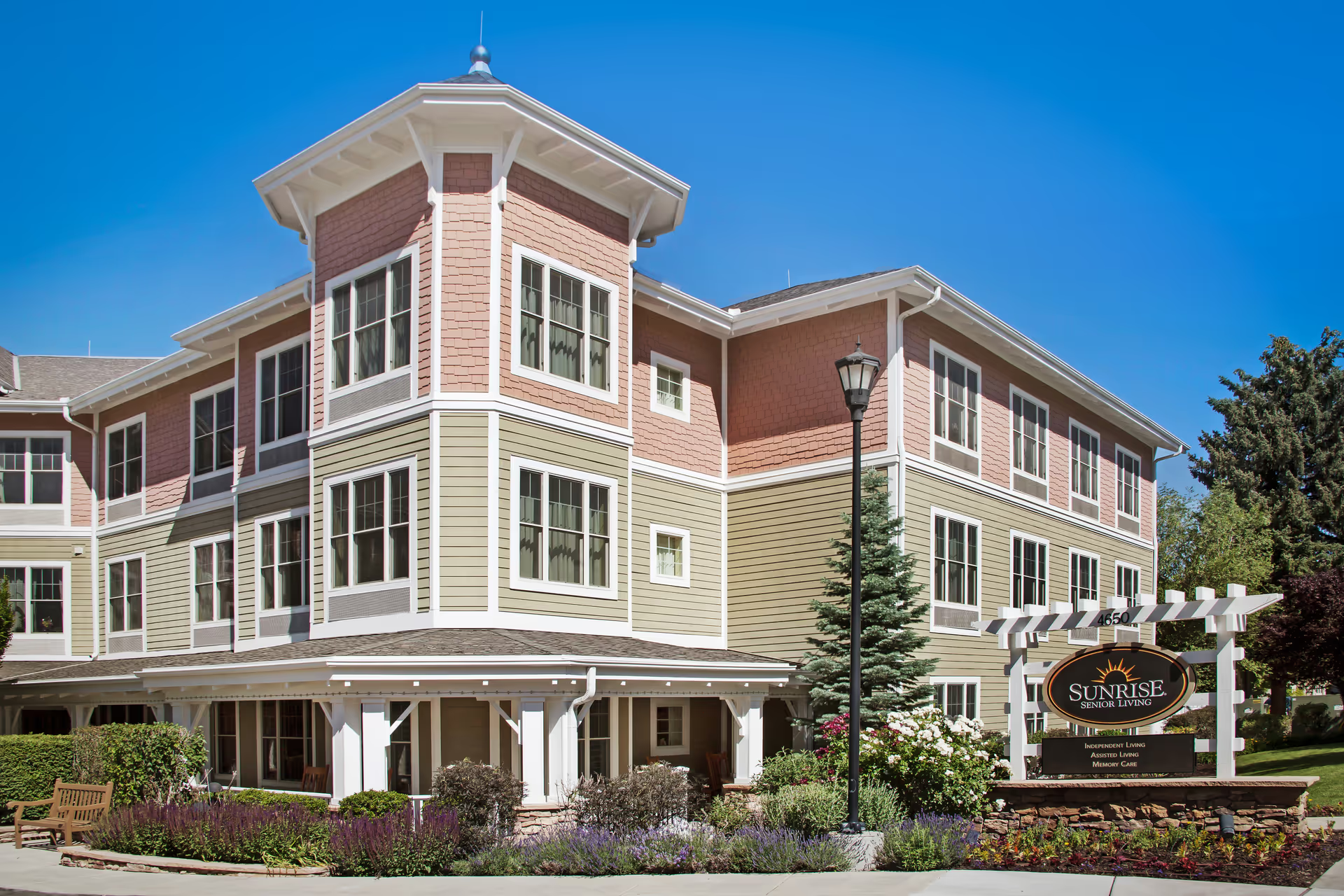
Overall impression: Reviews describe a small, home-like assisted living community with many strengths in personal care, cleanliness, and community life. Families commonly emphasize compassionate, respectful caregiving, accessible nursing, and individualized one-on-one attention. The facility's size and atmosphere are frequently described as family-like and welcoming; many reviewers cited pleasant odors, tidy common areas, frequent laundry and showers, and residents who form friendships and social connections.
Care and staff: The dominant pattern in the positive comments is consistent warmth and attentiveness from direct-care staff and nurses. Multiple accounts cite patient, respectful interactions — including with memory-impaired residents — and staff who learn residents’ preferences and provide dignity-preserving care. At the same time, several reviewers described operational weaknesses related to staffing: turnover and changes in leadership corresponded with reduced caregiver coverage during some shifts and variability in how often CNAs were available during care times. These staffing patterns were associated with family concerns about responsiveness and with gaps in the facility’s clinical-incident response and communication with relatives.
Dining and activities: Dining receives generally favorable comments for homestyle, hot, freshly prepared meals and an accommodating kitchen staff. However, a minority of reviewers found some meals unappealing, indicating variability in meal appeal and consistency. Activities are a strong point for many residents — contests, parties, outings, and an active activities director were praised — but activity continuity appears sensitive to staffing and leadership stability; some families reported a reduction in programming after staff changes, which can increase the risk of social isolation for certain residents.
Facilities and operations: The physical environment is repeatedly described as clean, well-run, and tidy, with frequent laundry, comfortable common spaces, and small-scale rooms that contribute to a home-like feel. Small room size and a higher proportion of residents with mobility limitations were noted by a few families as potential fit issues. Operationally, several reviewers expressed concern about safety preparedness and evacuation planning, suggesting the facility should be able to more clearly communicate emergency procedures and staffing contingencies.
Management and notable patterns: Administrative responsiveness draws mixed feedback: many families praised an accommodating, problem-solving administrator and supportive staff, while others experienced difficulty reaching owners or perceived that business decisions were made without transparent family consultation. Staffing instability and leadership changes emerge as the principal risk factor linking positive and negative comments — when staffing and management were steady, residents and families reported strong outcomes; when turnover occurred, reviewers documented declines in activity availability, reduced direct-care coverage, and strained family communication. One reviewer referenced a later organizational change or closure; prospective families should verify current operational status.
Practical takeaway: Prospective residents and families should weigh the facility’s strong points — compassionate staff, clean environment, homestyle meals, and active community life — against documented operational risks related to staffing continuity, activity consistency, emergency preparedness, and management accessibility. During a tour, consider asking about current staffing ratios, recent turnover, typical CNA coverage during care periods, activity schedules, evacuation plans, and how the administration communicates with families about clinical incidents and policy changes.