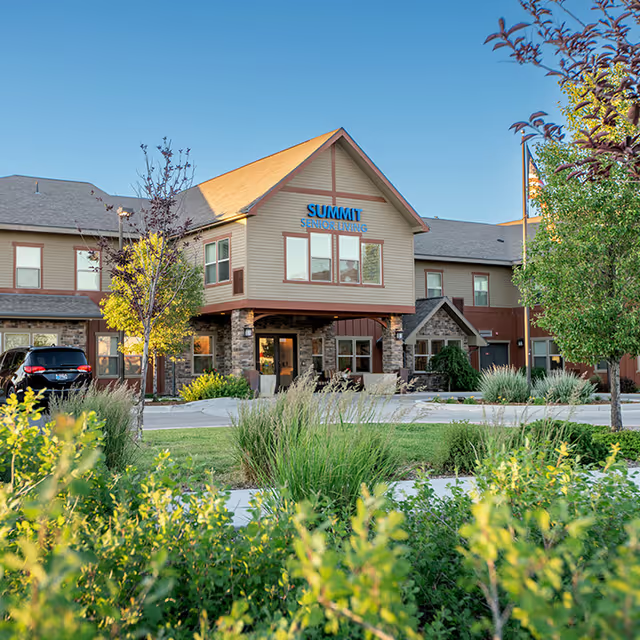
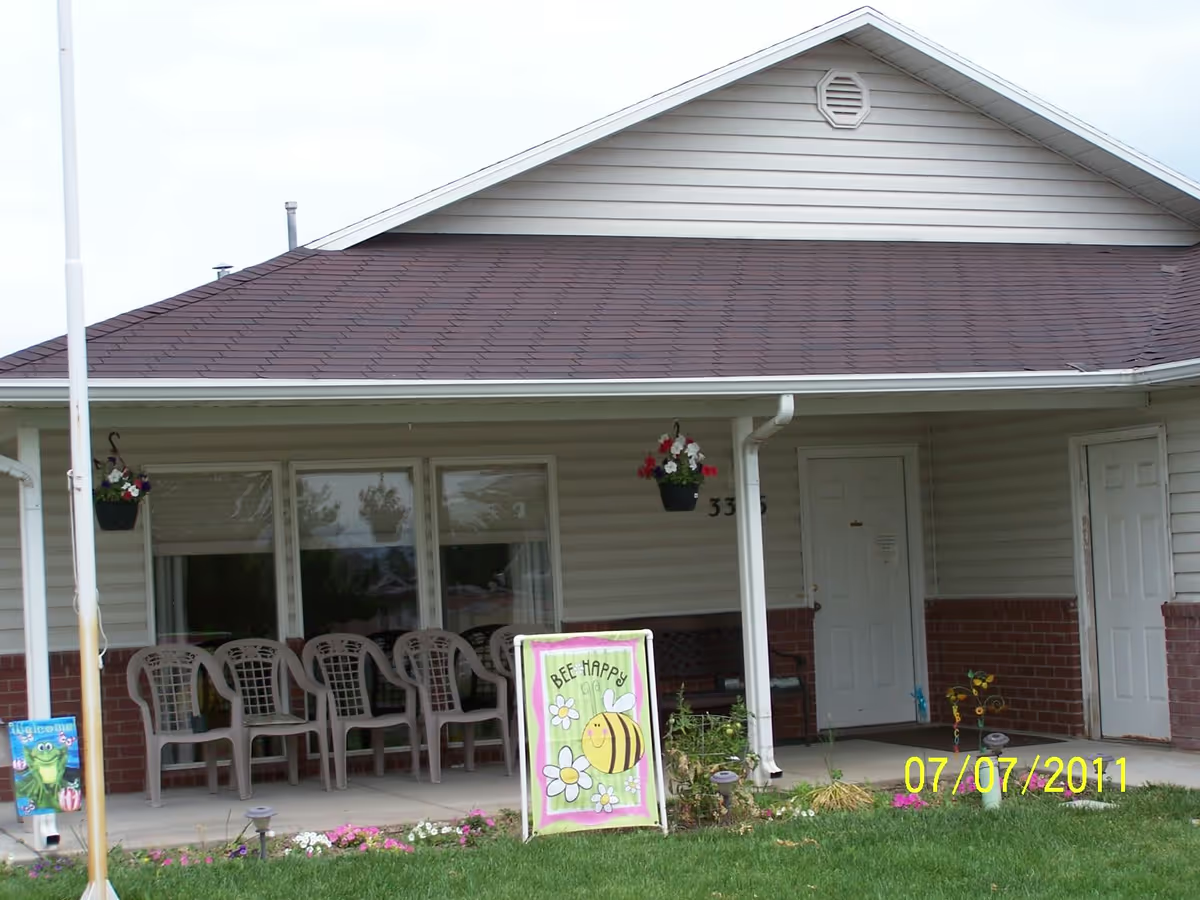
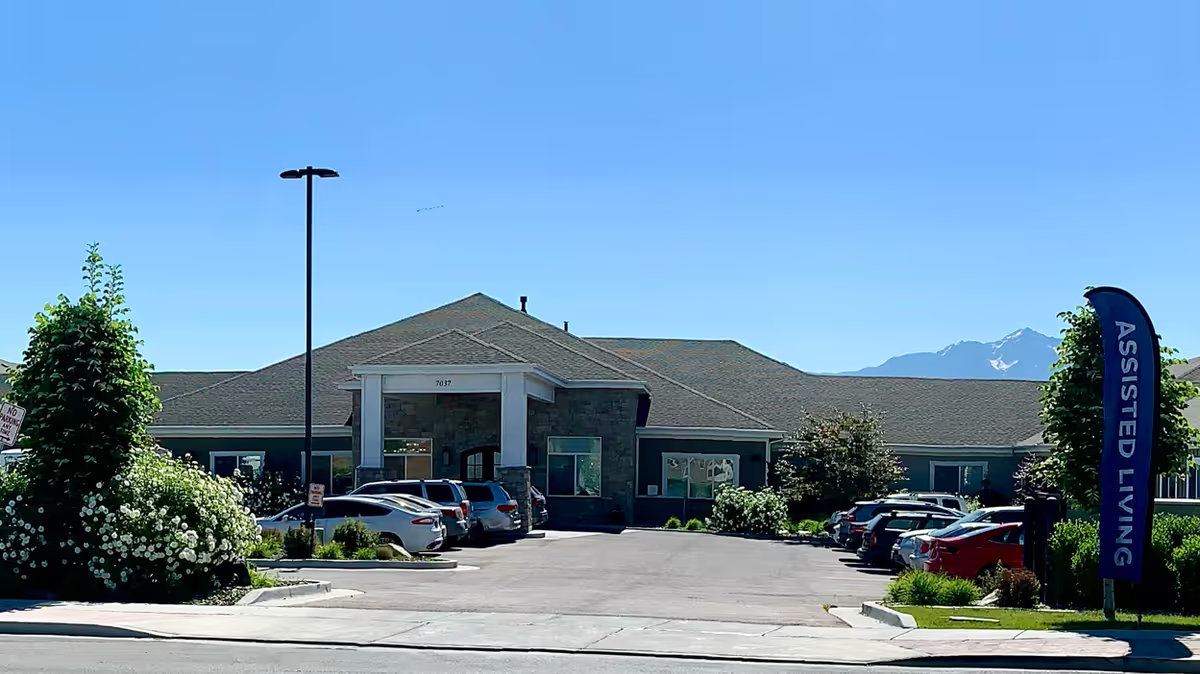
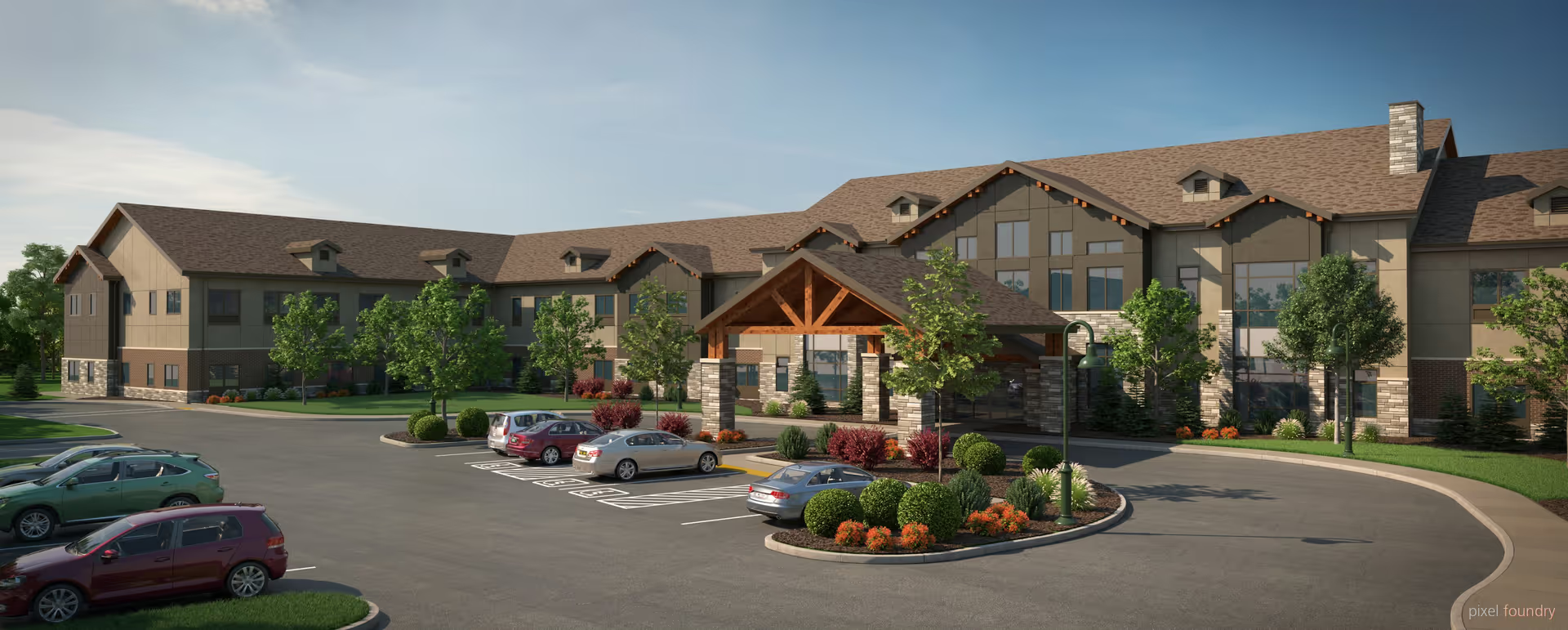
Overall impression: Review patterns indicate a facility that is frequently characterized by a warm, small-house environment with attentive, compassionate staff and strong family communication. Many families describe individualized care, prompt responsiveness from staff and management, and a home-like atmosphere supported by hands-on owners. Cleanliness, appealing decor, and well-maintained rooms are recurring positives.
Care quality and staff: Care is repeatedly described as compassionate and attentive. Reviewers emphasize personalized care plans, attentive feeding and assistance, and staff who ‘‘go the extra mile.’’ Several accounts highlight strong communication between staff and families and staff support during end-of-life and bereavement periods. The presence of engaged, visible owners or a compassionate director is noted as contributing to a family-like culture.
Dining and daily living: Meals are described positively, with references to high-quality food and an inviting dining environment. Reviewers also mention affordability and value for cost. The facility’s small size appears to support individualized attention in routine daily activities and meals.
Activities and social environment: Activity programming is commonly mentioned as a strength. Crafts, game days, tours, and other social events contribute to a lively atmosphere and family-style engagement. Pet-friendliness (dog-friendly) and a warm décor further reinforce the home-like social setting.
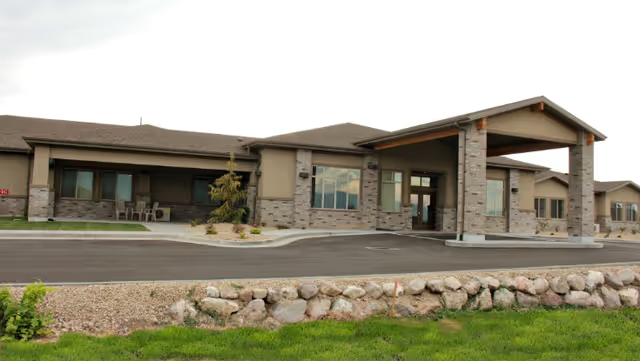
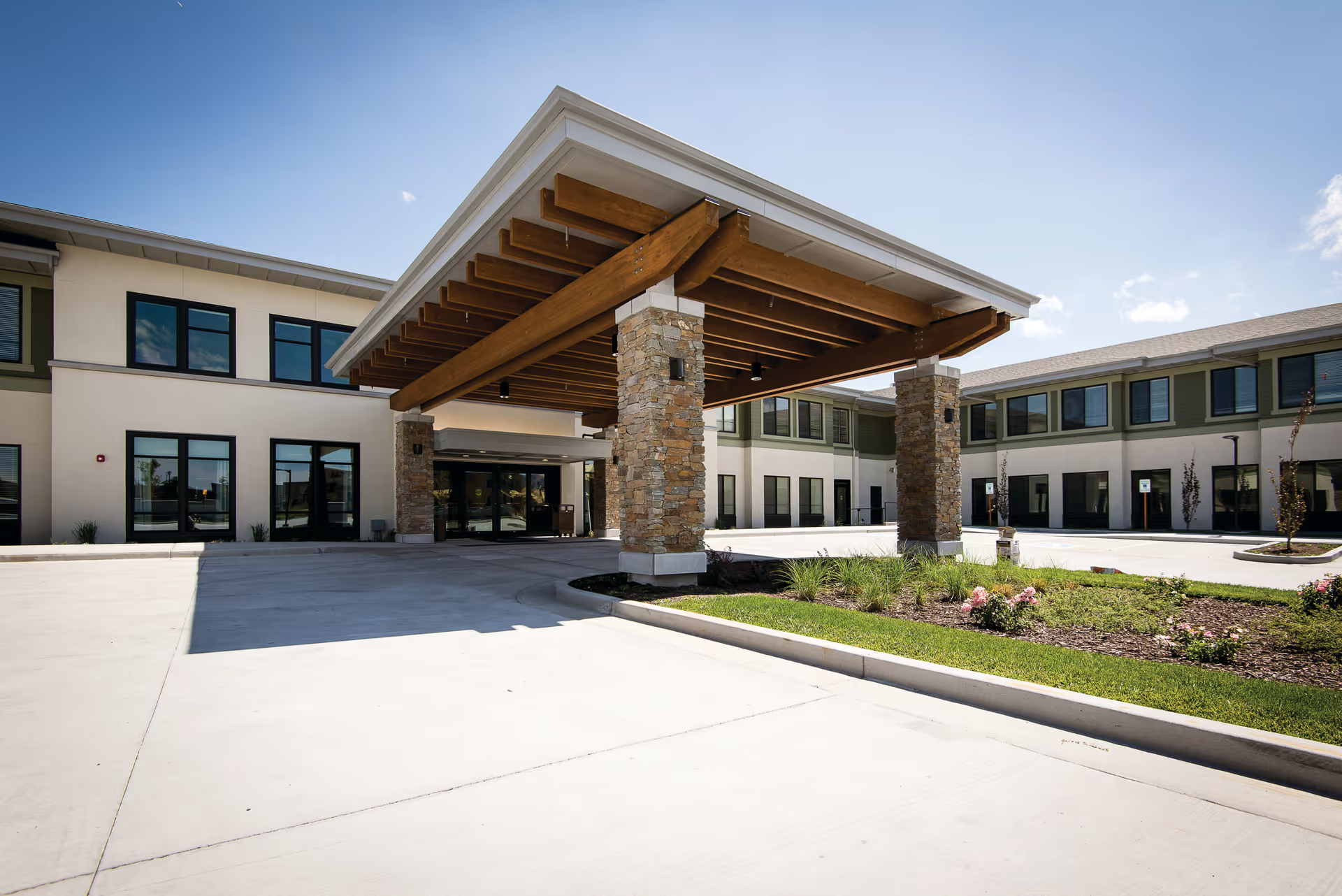
Facilities and cleanliness: The facility is frequently described as clean, well-kept, and attractively decorated. Rooms and common areas are cited as pleasant and inviting, supporting the overall sense of a small residential home rather than an institutional environment.
Management and notable patterns: Most feedback about management is positive, describing responsive communication and hands-on owners or directors. However, there is at least one serious allegation of unethical conduct and an unresolved dispute over personal belongings that escalated to police involvement. That account suggests potential gaps in property-handling procedures and dispute-resolution practices. Prospective residents and families would be prudent to ask about written policies for personal property, grievance processes, and escalation channels when assessing placement.
Considerations for prospective families: The facility’s small scale appears to be both a strength (personalized care, family atmosphere) and a potential limitation. Families should confirm the facility’s capacity for specialized clinical services, staffing patterns across shifts, and formal administrative procedures (including property and dispute policies). Overall, the pattern of reviews emphasizes strong interpersonal care, active programming, and a clean, welcoming environment, while flagging administrative consistency and property-handling protocols as areas to clarify before placement.