Overall impression: Reviews describe a facility with a strongly polarized set of experiences. Many families and residents praise the caregiving staff for being compassionate, attentive, and effective—particularly in medication management, blood-sugar checks, rehabilitation therapy, and discharge planning. Multiple accounts highlight warm, personable interactions, regular check-ins, and social-work support for navigating legal and care transitions. At the same time, other families describe serious operational and clinical concerns that have led to markedly different outcomes for some residents.
Care quality and clinical operations: Positive accounts emphasize individualized care, reliable medication administration, and successful short-term rehabilitation stays. Conversely, other accounts indicate delays in attending to basic needs, missed meals, late medications, and significant unintended weight loss in specific cases. These patterns suggest inconsistent implementation of clinical protocols and monitoring—strength in some shifts or units, but gaps in others. Concerns about documentation and medication timing were commonly described alongside praise for individual nurses who provided strong care.
Staff and workplace culture: Staff are frequently described as warm, affectionate, and dedicated; many reviewers singled out nurses, therapists, and support staff for their kindness. However, serious concerns about training, supervision, and workplace dynamics also appear. Descriptions of gossip, biased management behavior, insufficient onboarding, and ignored internal complaints point to weaknesses in leadership accountability and staff development. Staffing shortages and long hours were cited as contributors to burnout and variability in performance.
Dining, laundry, and activities: Several reviewers were satisfied with meals, accommodations for special diets, and a generally pleasant dining experience. Other reviewers found meal quality inconsistent and the overall value poor. Laundry and personal-care services were likewise inconsistent, with isolated reports of missed laundry days. Activity programming and outings received less detailed commentary overall; recreational and social interaction were noted positively when present but described as limited in some accounts.
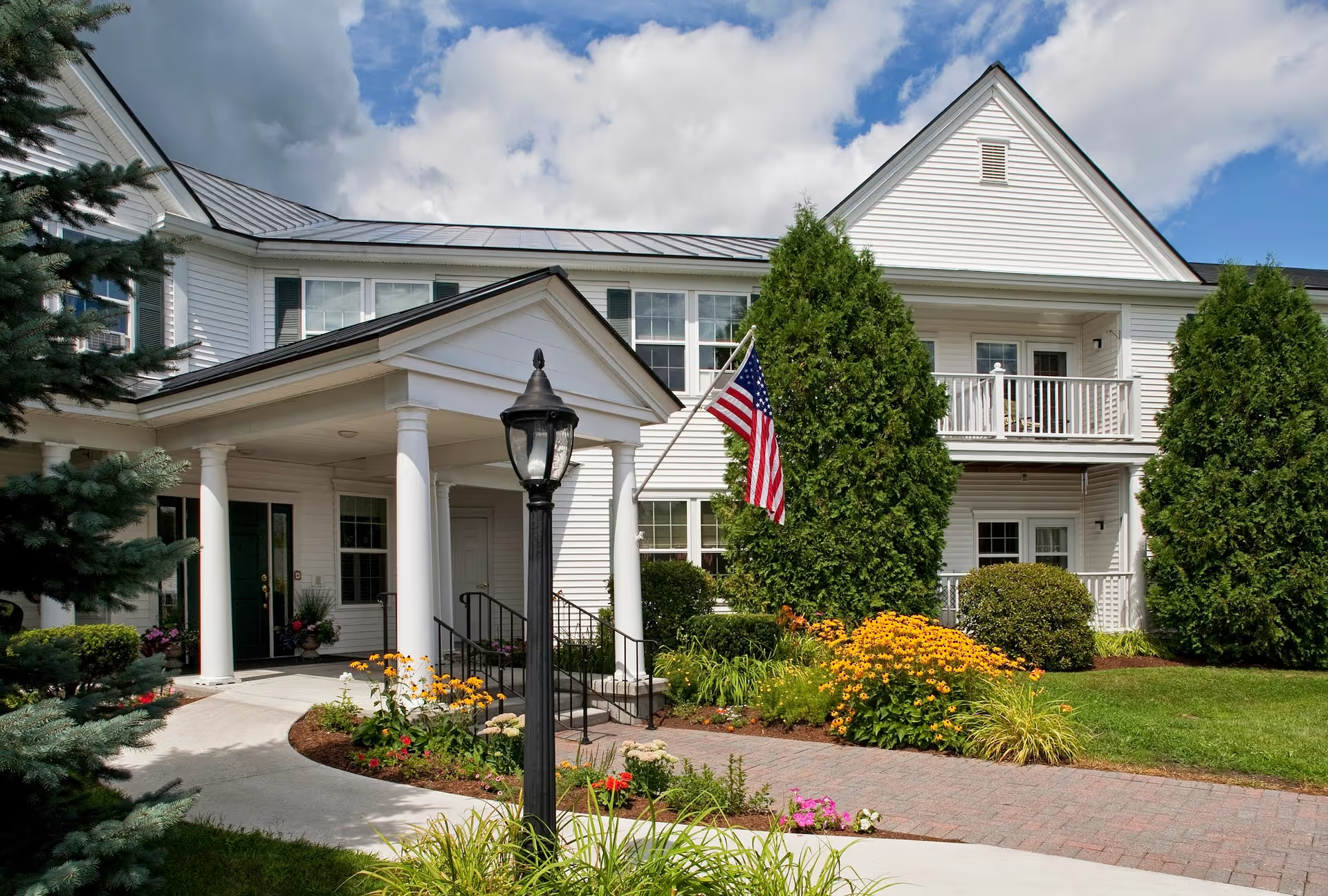
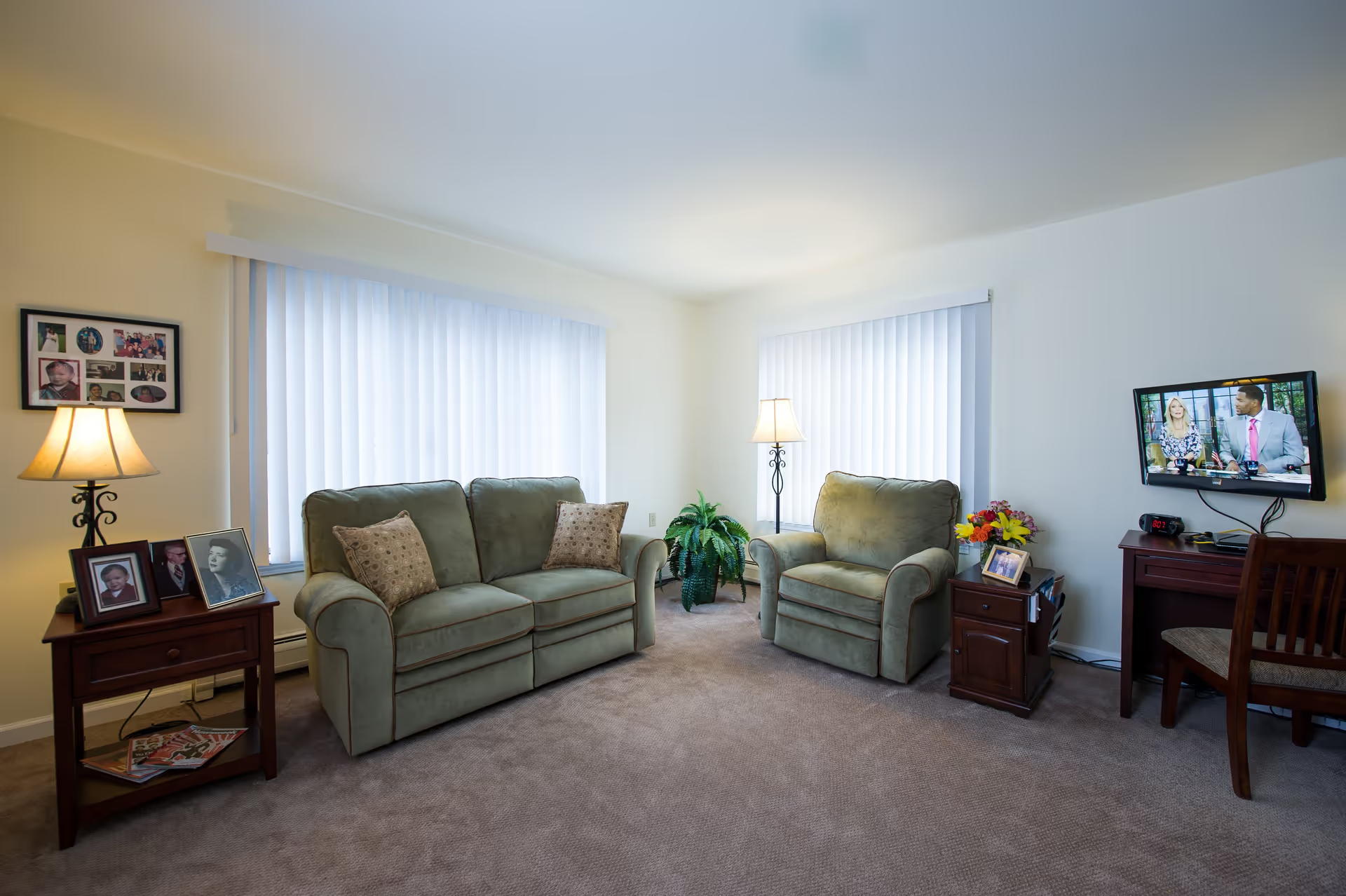
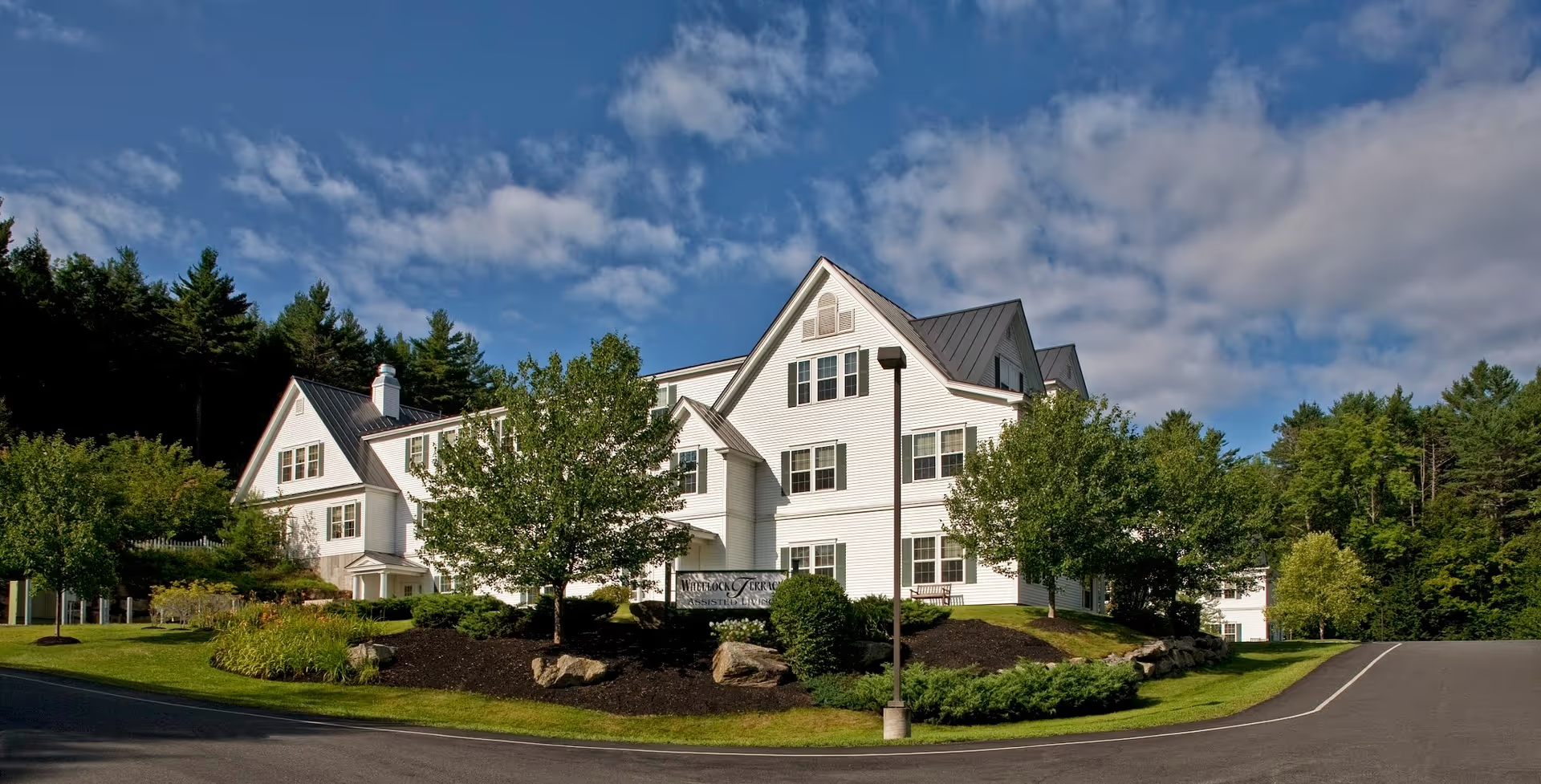
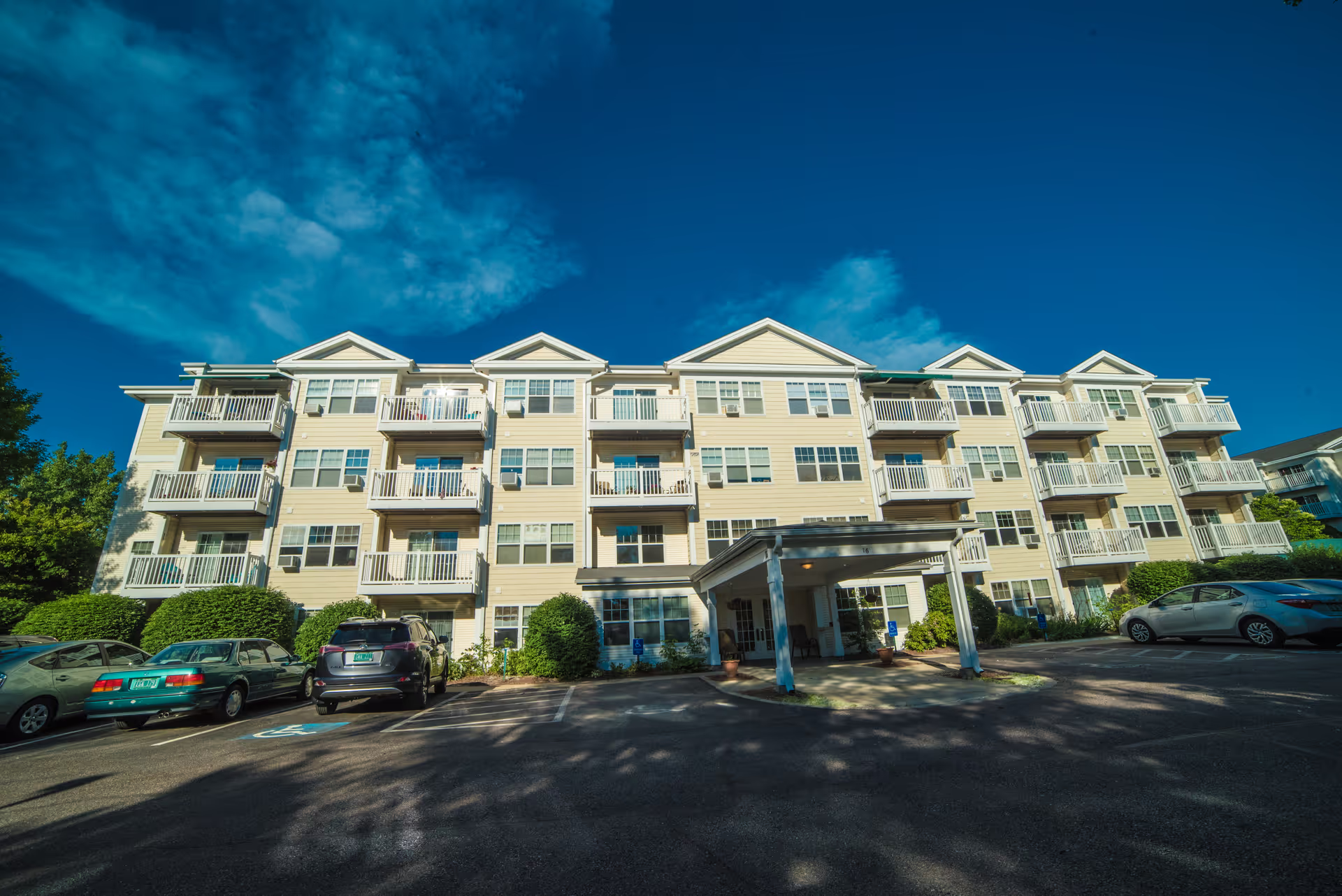
Facilities and maintenance: Many reviewers described the facility as clean and well-maintained, particularly common spaces. At the same time, there are specific concerns about mold and other maintenance issues that warrant attention. There are also multiple accounts indicating problems with storage, safeguarding, and return of personal belongings.
Management, communication, and safety concerns: A recurrent theme is inconsistent family communication and problems with emergency notifications—examples include failures to notify families in a timely manner and concerns following a resident's death. More serious are allegations concerning missing personal items and possible financial misconduct; these issues suggest a need for clearer property-handling policies and stronger inventory controls. Reviewers also described management responses as insufficient when staff misconduct or inter-staff conflicts were raised, indicating gaps in accountability and complaint resolution.
Patterns and takeaways: Prospective residents and families should note the bifurcated nature of feedback: many positive, person-centered care experiences coexist with operational inconsistencies that have, in some cases, led to significant harm or distress. If considering this facility, ask for written policies on staffing ratios and overtime, medication administration and documentation practices, maintenance and mold remediation records, procedures for handling resident belongings, emergency-notification protocols, and evidence of staff training and supervision. Arrange an on-site visit across multiple shifts to observe responsiveness, cleanliness, meal service, and staff interactions firsthand, and request references from recent families whose needs align with your own priorities.