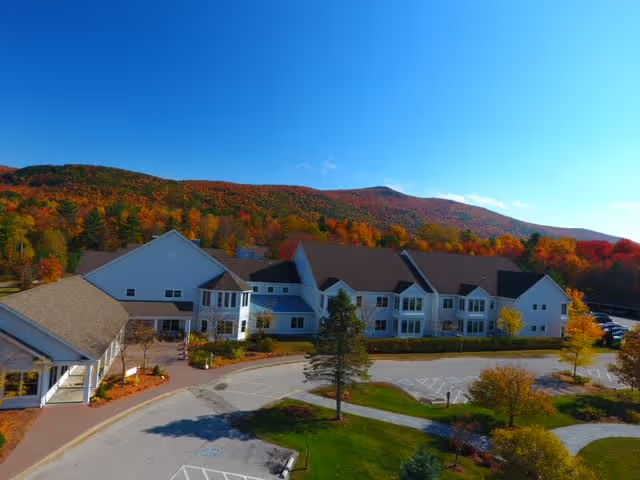
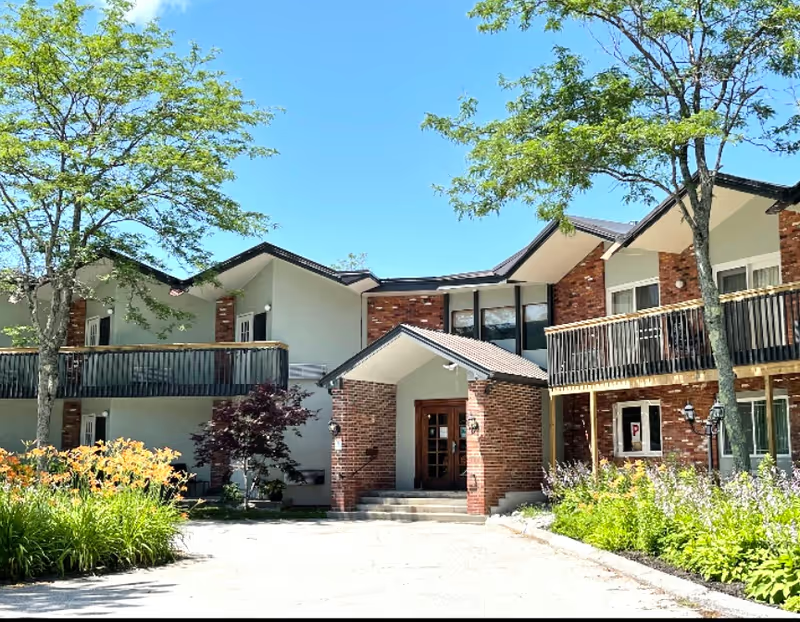
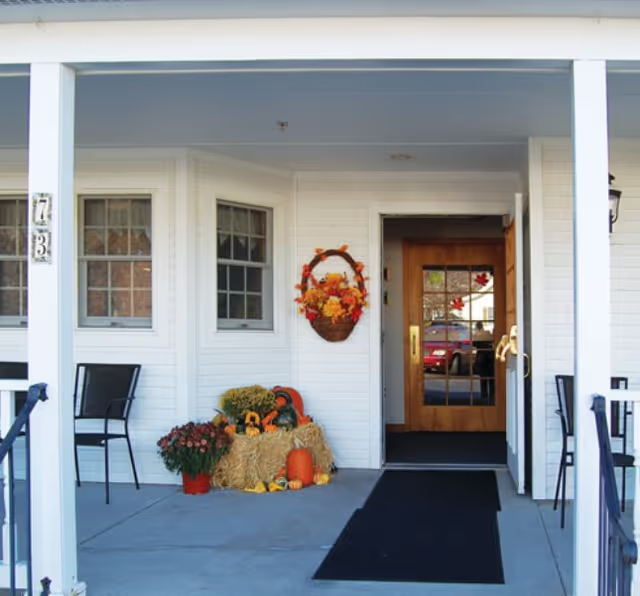
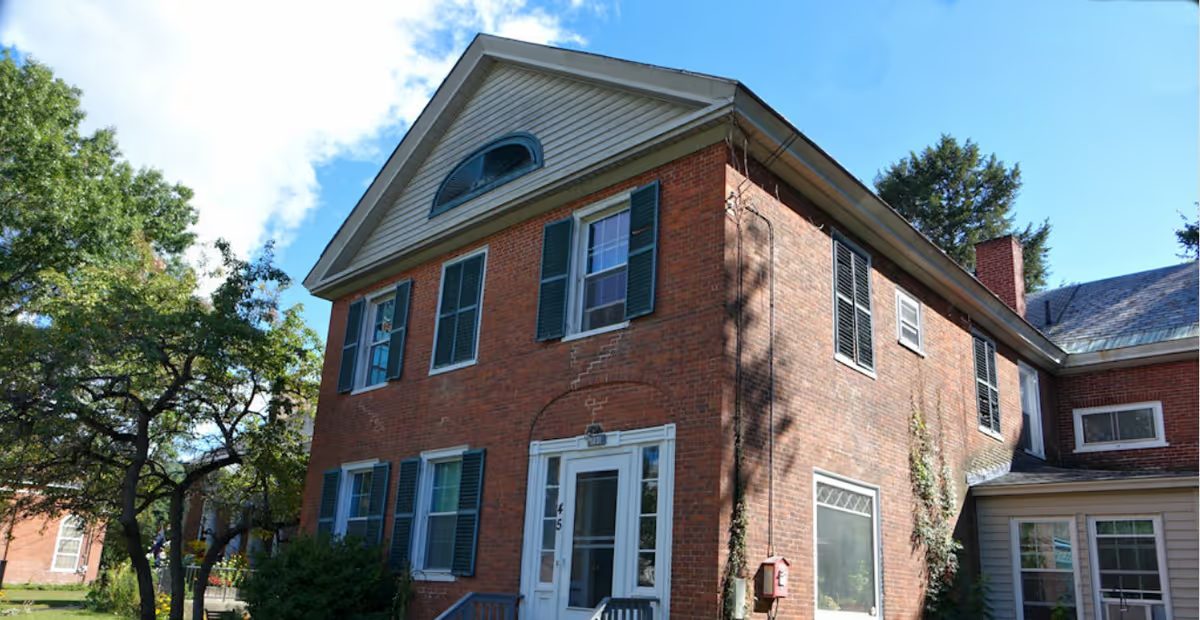
Overall sentiment in the reviews is strongly positive with consistent praise for cleanliness, maintenance, safety, and a friendly resident community. Multiple reviewers emphasize that the property is well-kept and inviting; staff and maintenance are described as attentive and knowledgeable. Security and COVID-conscious measures are repeatedly cited as strengths, and the secured entry, shuttle/bus service, and proximity to doctors and a hospital contribute to a sense of safety and convenience that many residents and family members appreciate.
Care quality and staff: Reviewers repeatedly identify staff as knowledgeable, attentive, and organized. The presence of visiting nurse services and staff responsiveness to maintenance issues reinforce confidence in day-to-day support. There is no prominent criticism of clinical care in the summaries provided; however, reviewers do note the community model is oriented toward independent living rather than higher levels of medical or personal care, which affects expectations about long-term care transitions.
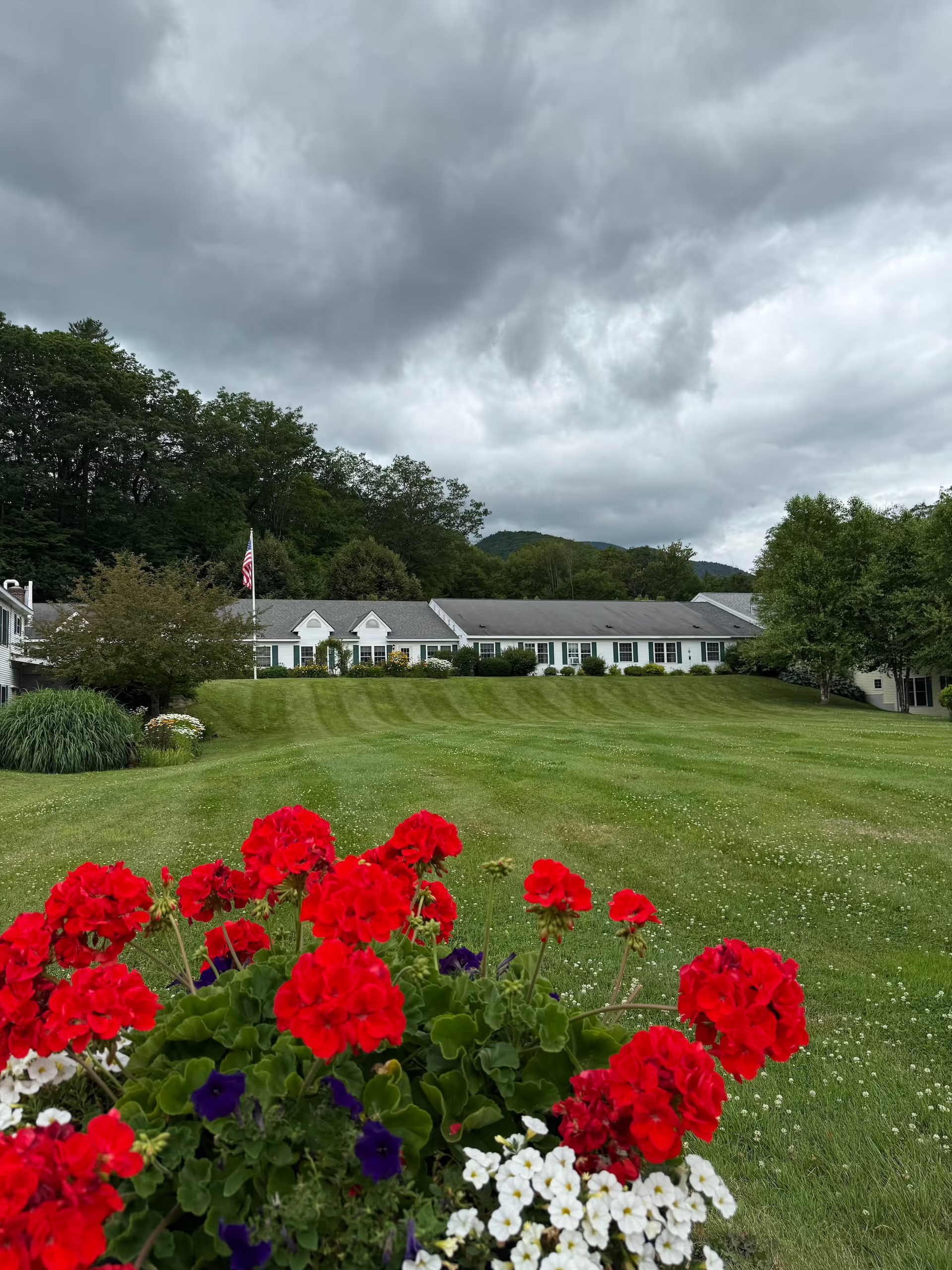
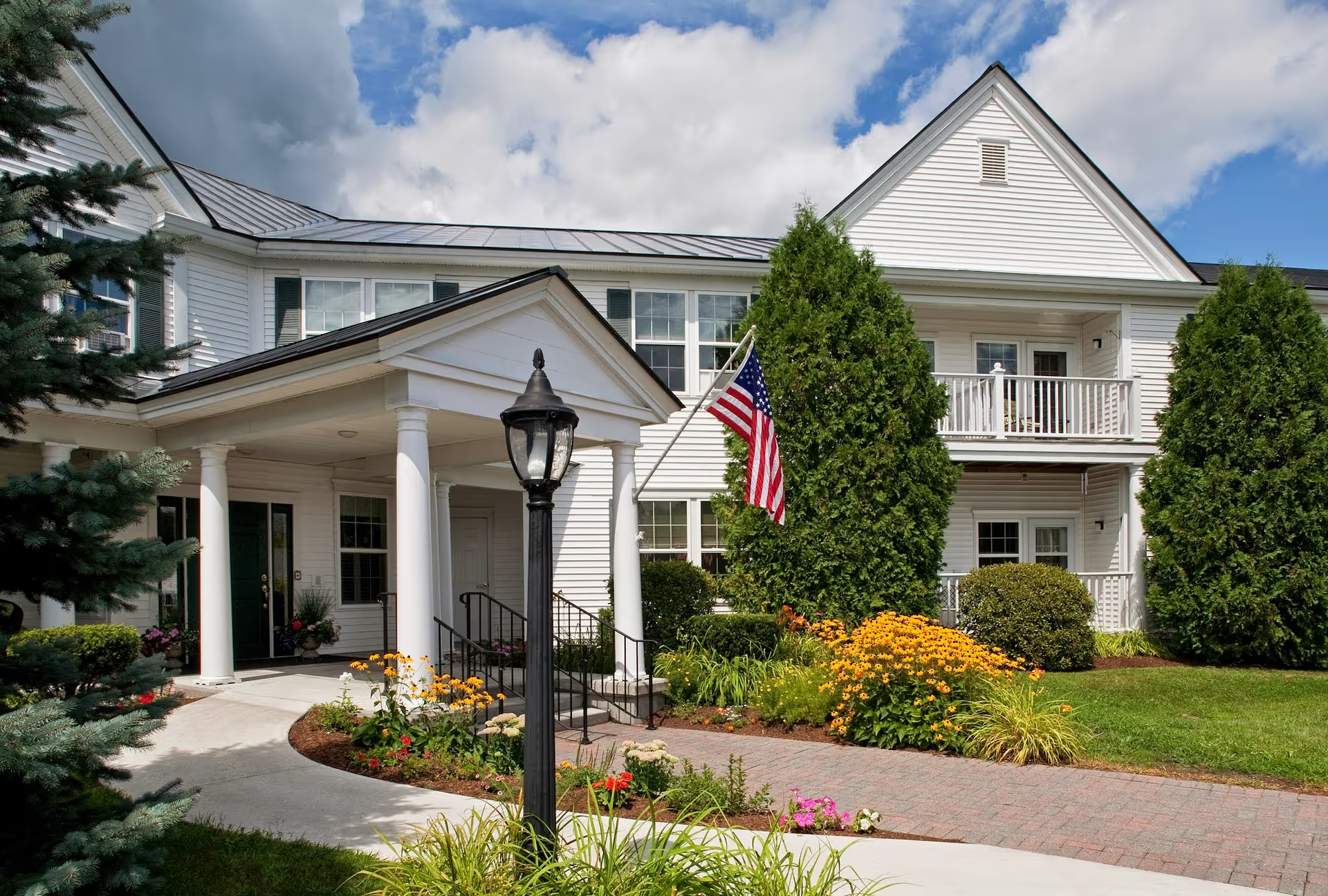
Facilities and amenities: The physical environment receives high marks—very clean, comfortable apartments, common areas such as a reading room and book exchange, exercise room, gardening plots, and well-run maintenance are commonly mentioned. The community also runs COVID-conscious safety practices and has a secured entry system. Transportation is a clear advantage: reviewers note a local bus every 30 minutes and an on-site shuttle service, making access to medical appointments and off-site activities straightforward. That said, reviewers point out some limitations: certain apartment types (notably two-bedroom units) were not available to view, and some feel the community lacks the breadth of amenities found in larger senior living campuses.
Dining and meals: A consistent theme — and the primary area of concern — is dining. The community operates on an independent-living model where residents generally prepare their own meals; there are occasional dinners or meals provided (noted as twice weekly by some reviewers), but there is no regular dining service or daily communal dining room experience. Several reviewers specifically say they would prefer more frequent prepared meals and a common dining room where residents could eat together. This is an important distinction for prospective residents: Maples Senior Living Community appears to favor private apartment living and resident independence over a full-service dining program.
Activities and social life: Activity programming is a major strength. Reviewers describe an activity-packed calendar that includes physical exercise classes, intellectual and educational experiences, celebratory gatherings (caroling, chorale), and both on-site and off-site outings. The atmosphere is described as lively by many, with residents participating actively; others mention that the community can feel quiet, indicating variability in how individuals experience social energy depending on personal preferences and expectations.
Management, cost, and practical concerns: The community is repeatedly described as reasonably priced and well-organized. The proximity to medical services and reliable transportation options add practical value. However, there are a few recurring practical concerns: some residents or family members mentioned issues related to air conditioning costs and restrictions on fans/personal cooling devices, which could affect comfort and utility affordability. Another operational limitation is that the community is not set up for aging in place, so residents needing increasing levels of medical or personal care may need to relocate elsewhere in the future.
Notable patterns and recommendations: The dominant pattern is a satisfied base of residents and family members who value independence, cleanliness, safety, and a strong activity program. The most consistent shortcoming is dining — many reviewers would prefer more frequent, organized communal meals. Other actionable areas for management include clarifying utility/AC policies and costs, expanding amenity offerings if possible, and communicating unit availability (e.g., two-bedroom options) more clearly. Prospective residents should weigh the benefits of independent apartment living, active programming, and affordability against the lack of full dining services and the limitation that the community does not provide higher-level care for aging in place.