Care quality: Reviews present a mixed but actionable picture. Many families described compassionate, attentive caregivers and routine rehabilitation therapy that supported residents’ comfort and mobility. Several specific staff members were named positively for patience and competence. At the same time, reviewers expressed concern about inconsistent care delivery — particularly delays in responding to call lights and variability in assistance with activities of daily living. A small number of reviews raised concerns following resident deaths and requested clearer communication around end-of-life events.
Staff and staffing patterns: Strengths include numerous descriptions of dedicated, hardworking CNAs and support staff who go above and beyond on shifts when present. However, staffing shortages and turnover are recurring themes. Reviewers linked understaffing to delayed assistance, uneven skill mix (especially on nights), and a sense that management does not consistently support retention. There were also serious-sounding allegations about staff conduct and call-system handling; those items increase the importance of asking about staffing ratios, night coverage, and call-response metrics when evaluating the facility.
Dining and daily operations: Several reviewers described meal service as chaotic at times, with problems such as interrupted tray delivery that required staff to feed residents manually. These descriptions point to unreliable meal-service continuity and operational gaps in the dining workflow. Administrative processes have both positives and negatives: the visitor sign-in process was described as simple, but there were occasional technology hiccups (for example, ticket printing failures) that create friction.
Activities and therapy: Rehabilitation and daily therapy services were cited positively, and family members reported that therapy staff contributed to improvements in resident comfort and function. Reviewers who felt positively about the facility often noted that therapy and engagement activities were reliable parts of the care plan.
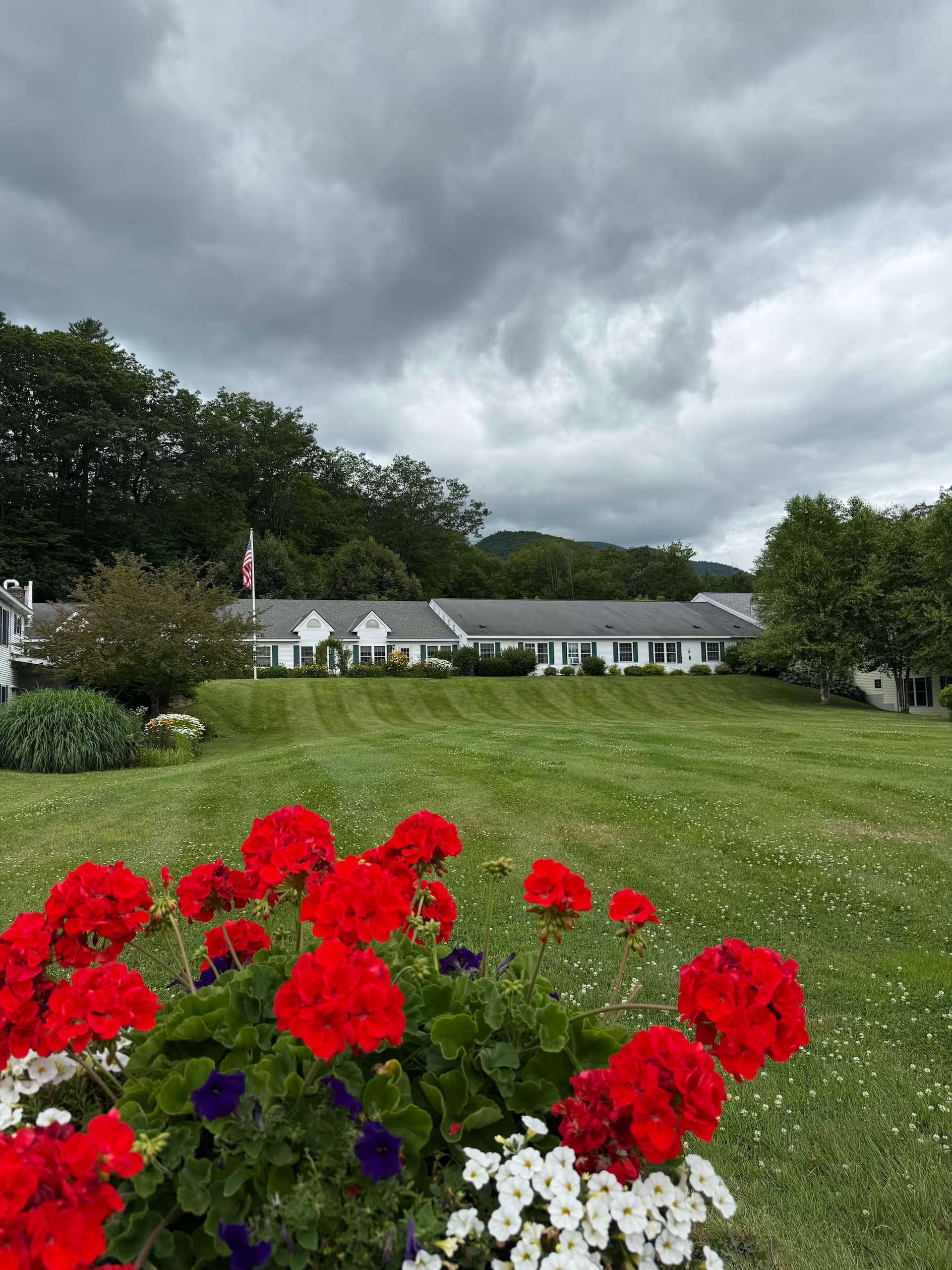
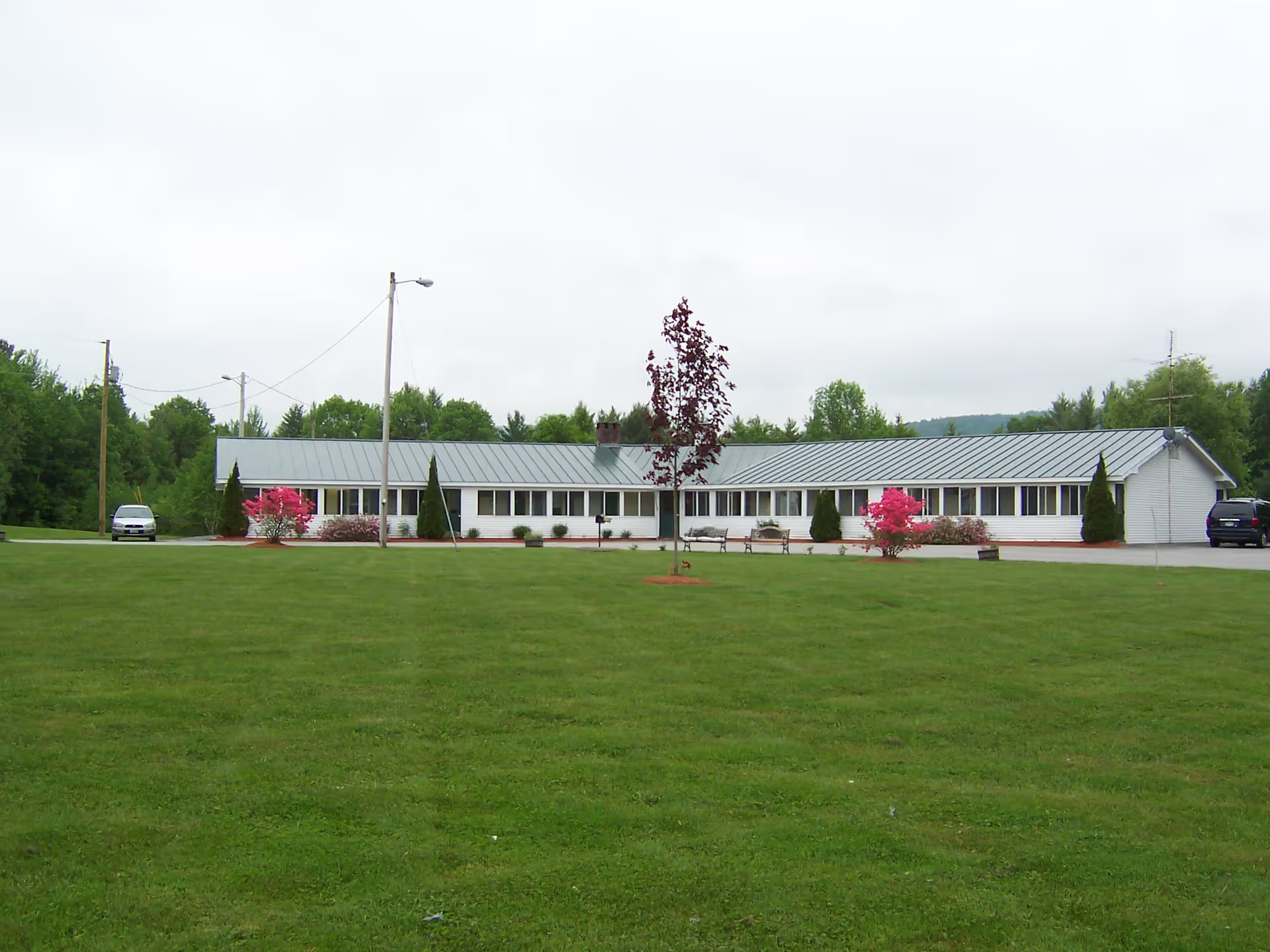
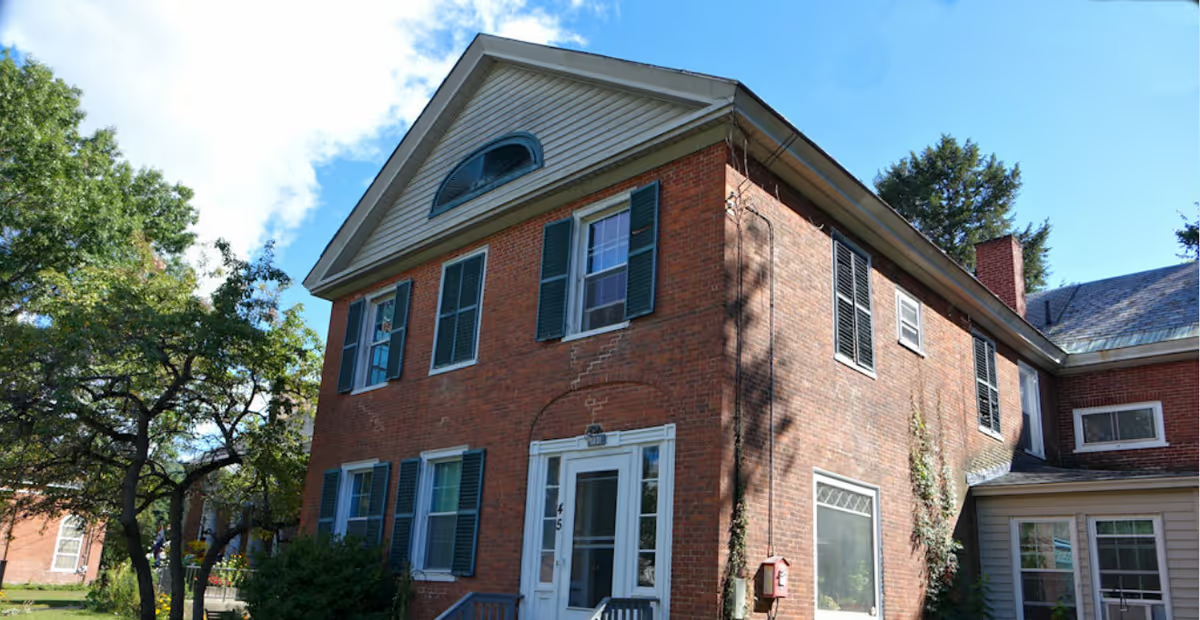
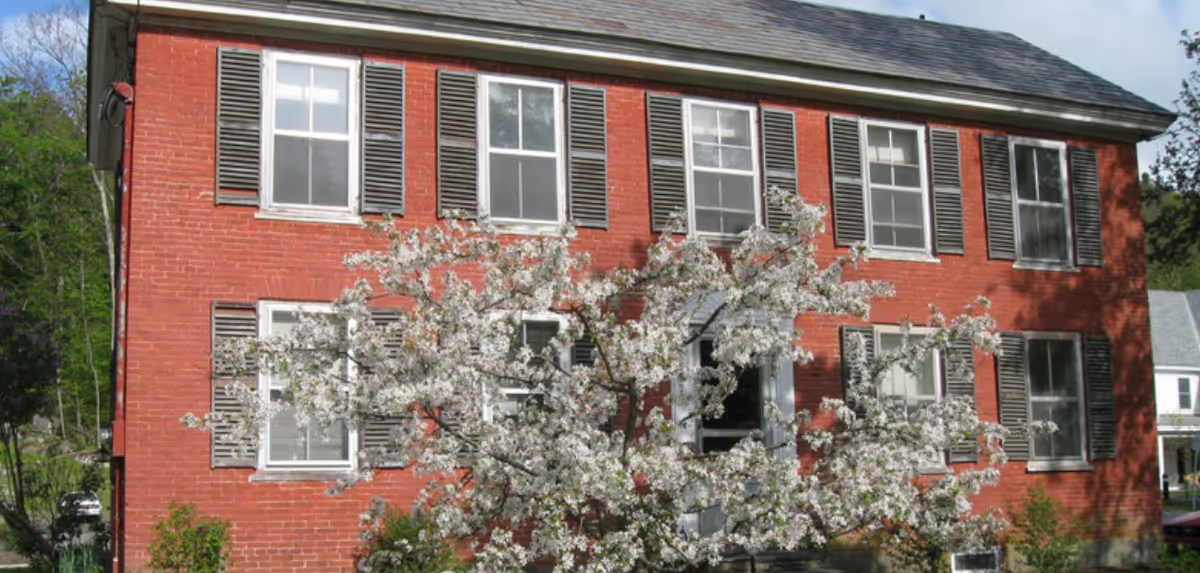
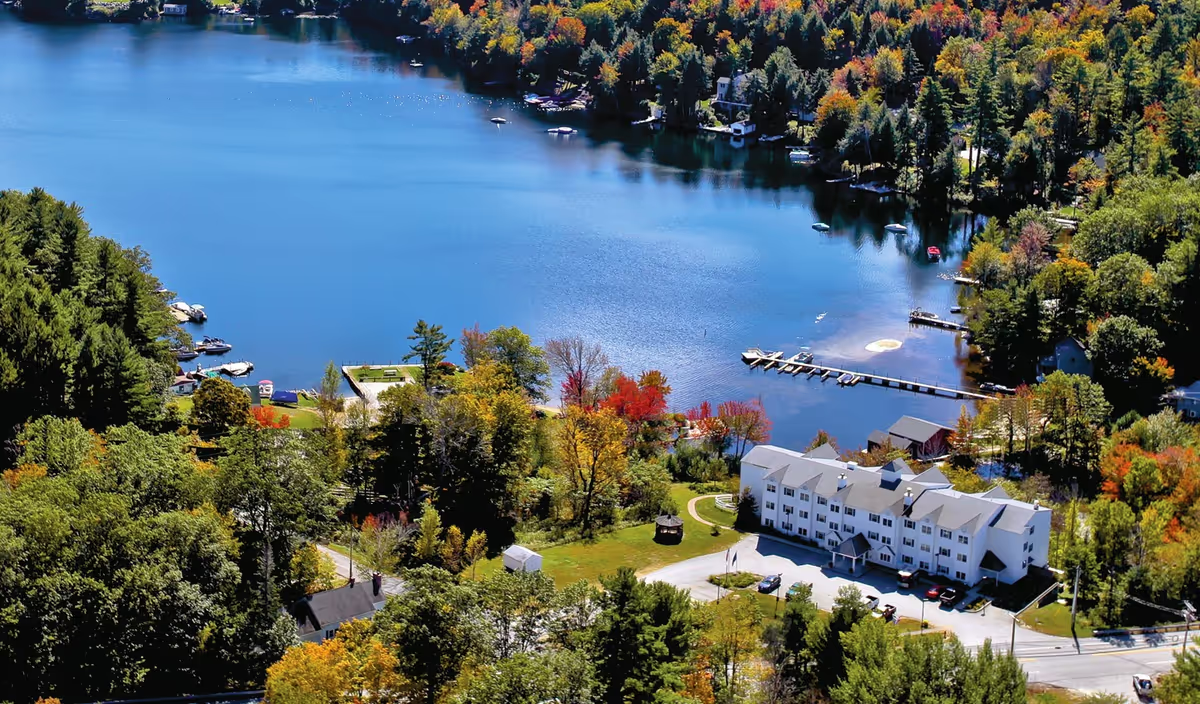
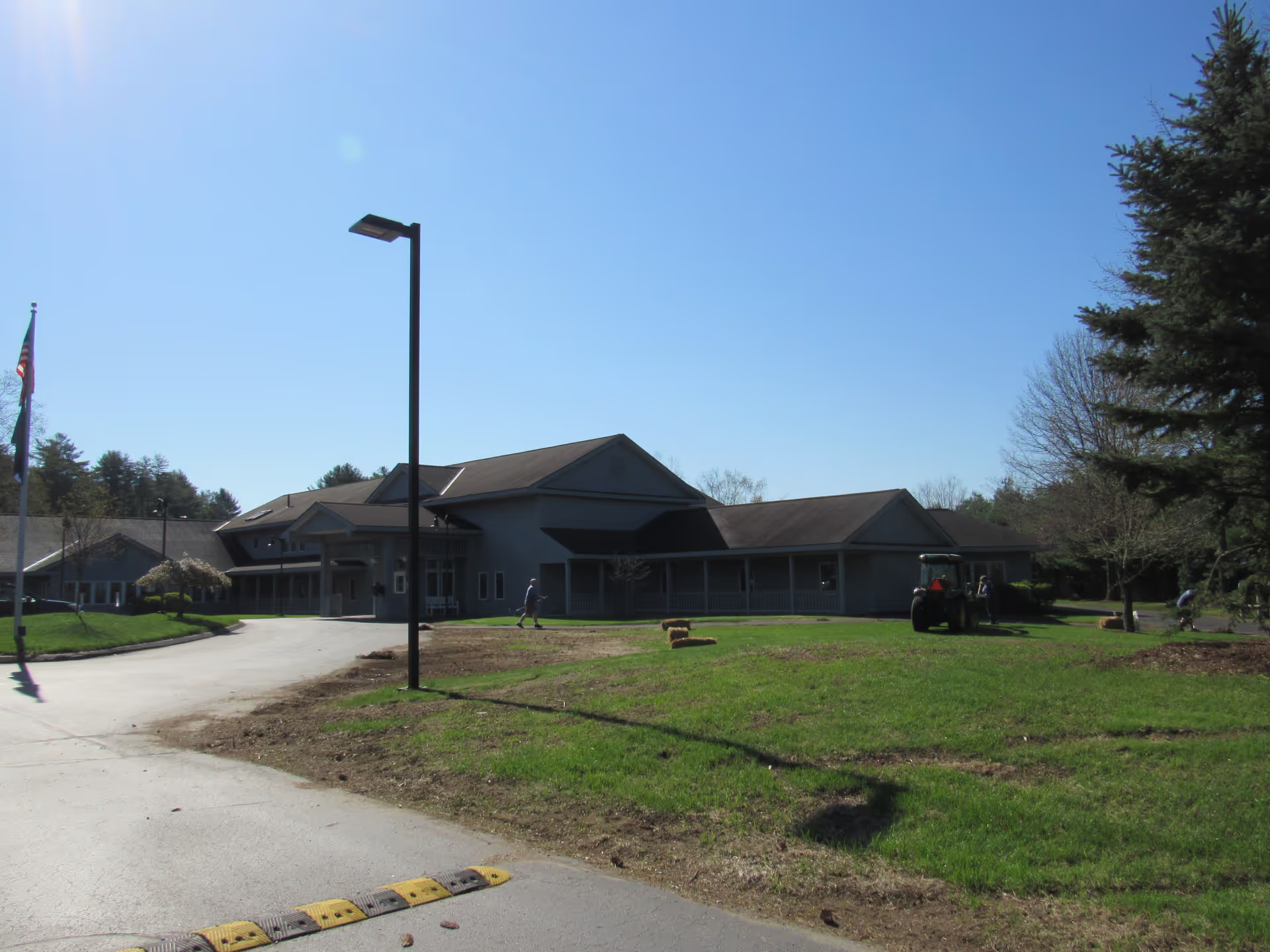
Facilities and cleanliness: The building is described as older, which reviewers flagged as an infrastructure limitation. Despite that, many visitors found the environment generally clean and orderly; however, there are reports of variable housekeeping standards across shifts. Prospective families should tour physical spaces to assess whether the facility’s age or layout will affect mobility, privacy, or infection-prevention practices.
Management and communication: Feedback about leadership is mixed. Some reviewers praised an accommodating and informative administrator who provided reassurance. Others described poor management support for frontline staff, which reviewers tied to turnover and morale problems. Taken together, the pattern suggests strong individual caregivers working under operational strains; management stability and active workforce-support strategies would likely improve consistency of care.
Notable patterns and considerations: The dominant themes are clear: committed, compassionate staff exist and provide meaningful care, but persistent staffing and operational weaknesses produce inconsistencies. Families evaluating this facility should ask targeted questions about current staffing levels and turnover, night-shift staffing and supervision, call-response times, meal-service protocols, and housekeeping schedules. Requesting recent staffing ratios, a tour that includes meal and medication rounds, and references to recent regulatory or quality audits can help clarify whether the operational concerns have been addressed.