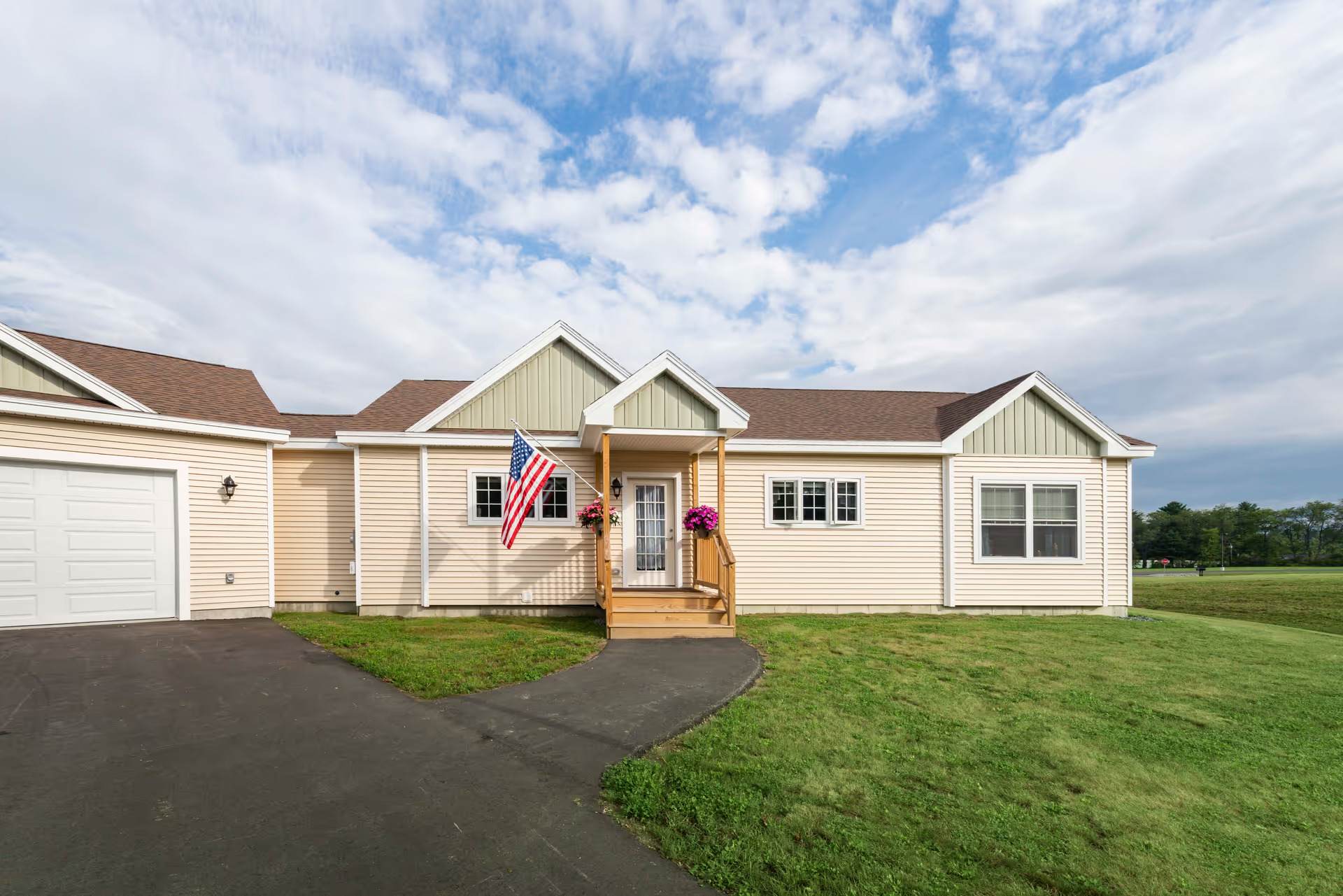
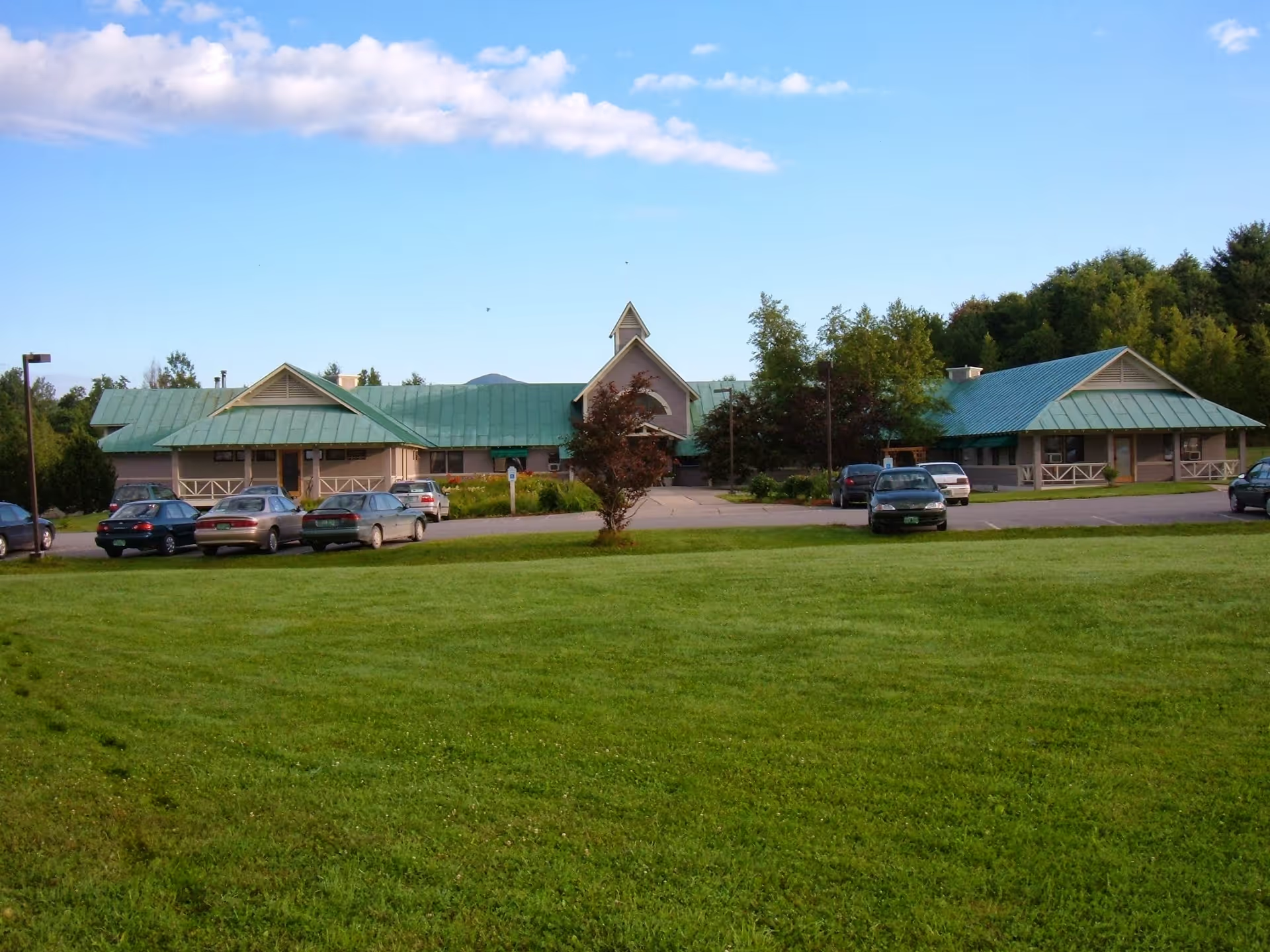
Reviews of St. Johnsbury Health and Rehabilitation Center present a mixed picture: several accounts describe warm, helpful staff and successful short-stay rehabilitation experiences, while other accounts raise operational concerns that prospective families should weigh. Positive comments emphasize caring interpersonal interactions, an orderly and updated physical environment, and effective short-term rehab outcomes. Critical comments cluster around responsiveness, communication, safety, and dining.
Care quality appears uneven. Many families and residents praised individual caregivers for being attentive and effective—examples include prompt assistance in specific incidents and successful post-fall or post-operative rehabilitation. Concurrently, there are recurring descriptions of delays in attending to residents, missed routine clinical tasks (for example, inconsistent bathing and checks), and pressure-injury/skin integrity concerns. Safety observations include supervision gaps and fall risk concerns; these suggest opportunities to strengthen transfer and monitoring routines and to verify staffing levels relative to resident acuity.
Staffing and team behavior are characterized as inconsistent. Multiple reports commend specific staff and leadership—one reviewer singled out the director of nursing for strong performance—while others describe disengaged or unprofessional interactions, including inattentive phone etiquette and an accusatory tone in difficult conversations. These contrasts suggest variability in staff training, supervision, or morale. Several comments imply short-staffing contributes to delayed care and communication breakdowns.
Communication and management processes are another notable pattern. Families described inadequate or untimely updates about hospital transfers, difficulty locating or retrieving advance-care documentation, and weak coordination with external providers. There are also operational concerns around property management, with at least one allegation of missing personal items and requests for phone-log transparency not being fulfilled. Taken together, these indicate opportunities to strengthen information flow, documentation practices, and family liaison protocols.
Dining and ancillary services received predominantly negative feedback. Multiple reviewers characterized the meals as low quality and suggested outsourcing or revising food service arrangements. Conversely, the facility itself was described by several families as clean, modernized, and pleasant on entry. The small-facility scale was frequently cited positively for enabling more personalized attention.
In summary, St. Johnsbury Health and Rehabilitation Center shows strengths in individualized care, a clean environment, and effective short-term rehabilitation for some residents. However, persistent themes of delayed responsiveness, inconsistent completion of nursing tasks, communication failures with families and external providers, variable staff professionalism, and substandard meal service are areas of concern. Prospective residents and families should consider speaking directly with current residents and leadership about staffing ratios, emergency-response procedures, documentation practices (including advance directives), and meal plans before placement. If choosing this facility, an initial care plan meeting with clear communication expectations and regular family check-ins may help mitigate some identified risks.