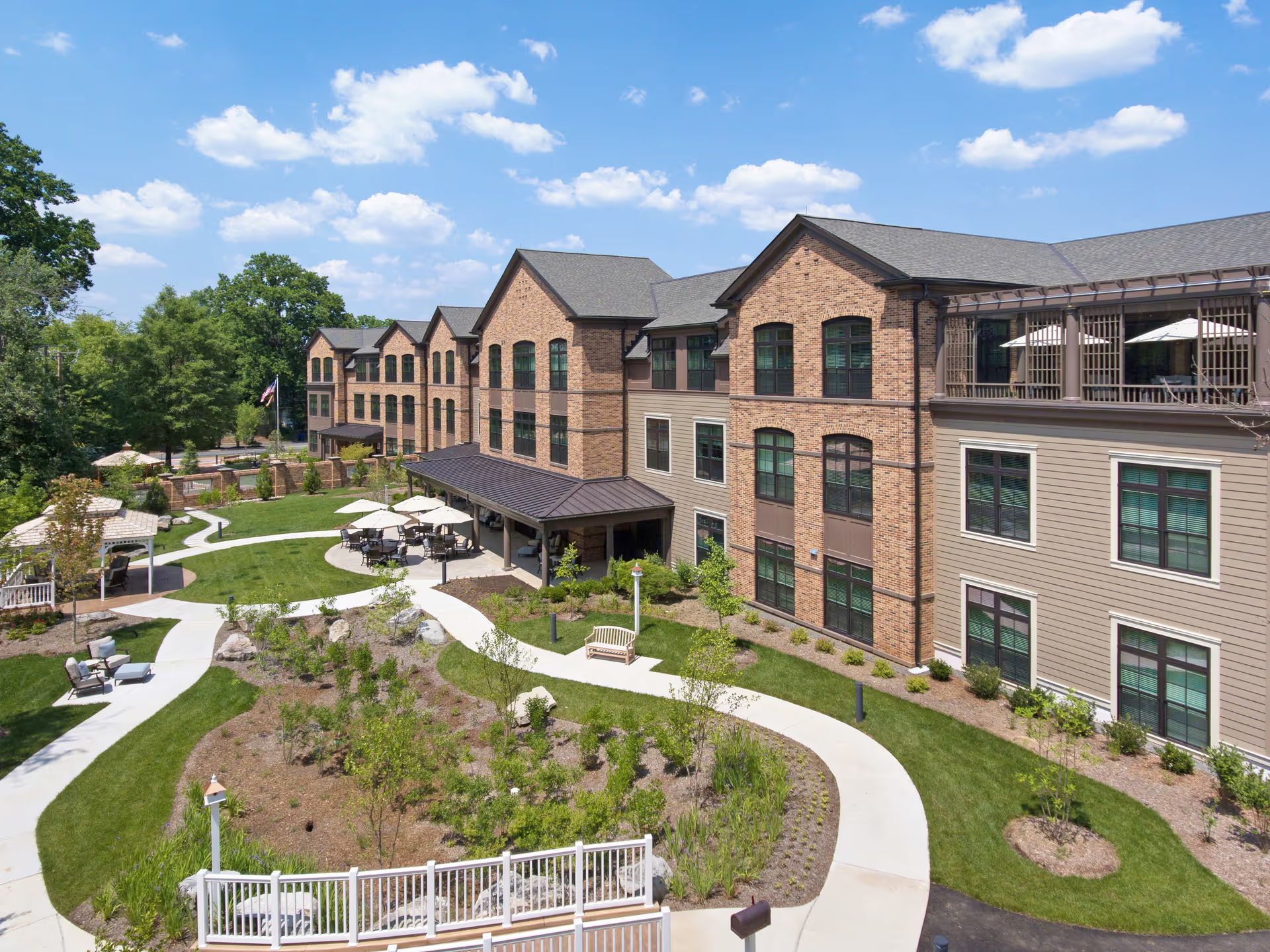
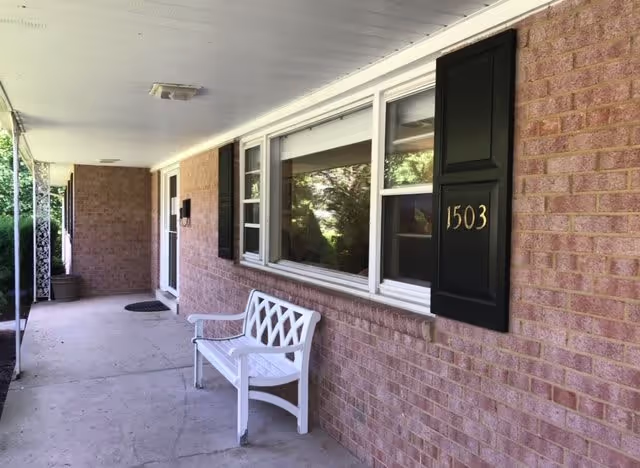
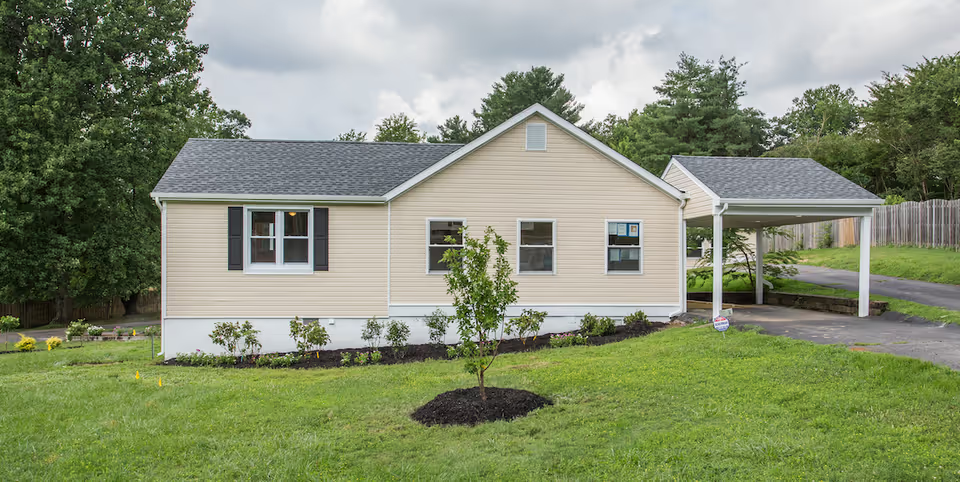
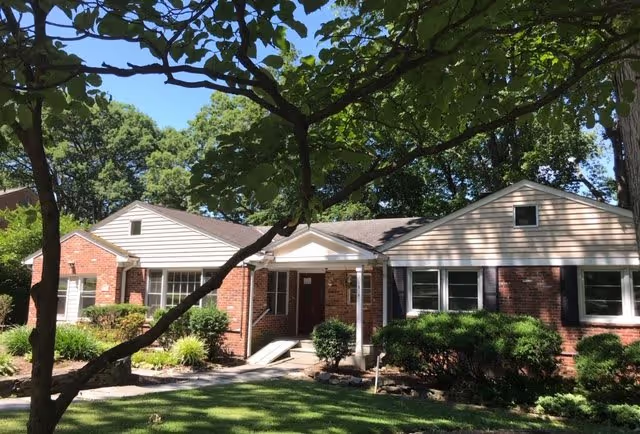
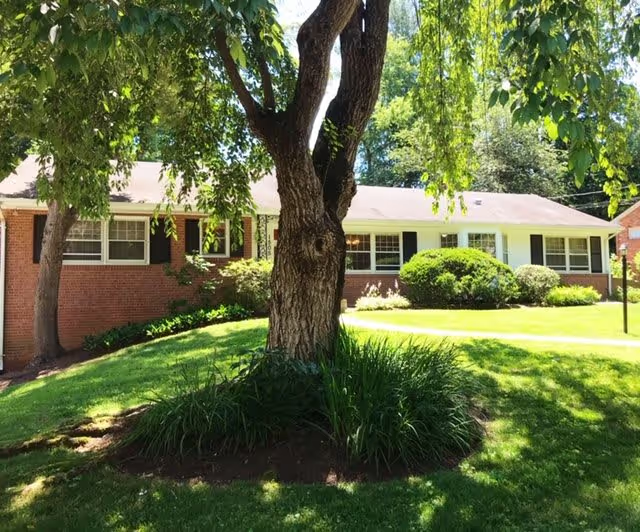
Chesterbrook Residences is described overall as a clean, well-maintained assisted-living community with a strong emphasis on social engagement, restaurant-style dining, and a residential atmosphere. Many families and residents cite attentive staff, regular housekeeping, on-site amenities (such as a salon and shuttle service), and a peaceful, tree-lined campus as core strengths. The facility's dining program receives frequent praise for varied, well-prepared meals and a restaurant-like experience. Move-ins are often described as smooth, and several accounts emphasize that residents feel safe, supported, and quickly integrated into the community.
Care and staffing present a generally positive picture with 24-hour nursing availability and on-site physical therapy cited as assets for residents with assisted-living needs. Reviewers describe individualized attention, staff who remember residents by name, and responsive assistance during common difficulties. At the same time, a subset of accounts raises operational concerns: inconsistent communication, intermittent unresponsiveness, and turnover among caregiving staff. A few families described serious clinical concerns following a resident decline; these comments suggest that expectations around clinical oversight and escalation should be clarified during tours and intake discussions.
Programming and social life are clear selling points: daily activities, exercise classes, movie and game nights, live music, monthly performances, and frequent outings to cultural venues and shopping are commonly noted. However, several reviewers would like more variety within the activity schedule and described occasions where scheduled programs did not occur as planned. This suggests strong baseline programming but occasional reliability and variety gaps in activity delivery.
Facility features are widely praised: apartments are described as comfortable and customizable, common areas and grounds are immaculate, and the overall environment feels homelike to many residents. Practical limitations surfaced repeatedly: apartment type availability is constrained (limited two-bedroom options and no studio units), laundry is handled via shared paid machines rather than in-unit washers, and the community maintains a no-pets policy. Although 24-hour nursing is available for assisted-care needs, the community does not appear to be a full skilled-nursing campus; residents who require higher-level skilled nursing may need to relocate to a different setting.
Management impressions are mixed. Many families commend staff warmth, helpfulness, and the peace of mind the community provides; others note administrative shortcomings such as abrupt phone interactions, scheduling failures, and program cancellations. Prospective residents and families should balance the facility's strong social and dining offerings and generally high cleanliness standards against operational issues around communication, staffing consistency, and apartment-type availability. Asking questions about program reliability, staffing ratios, escalation procedures for clinical changes, and unit availability during a visit will help clarify whether Chesterbrook aligns with a prospective resident's care and lifestyle needs.