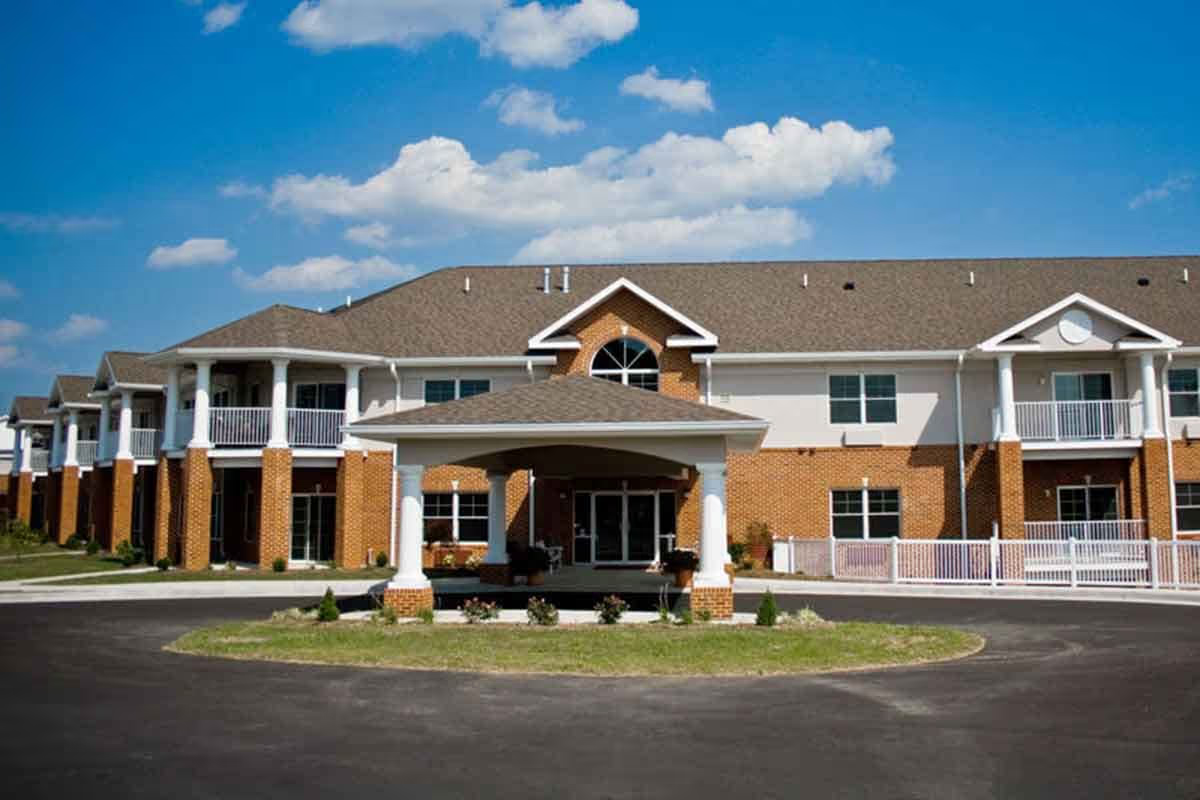
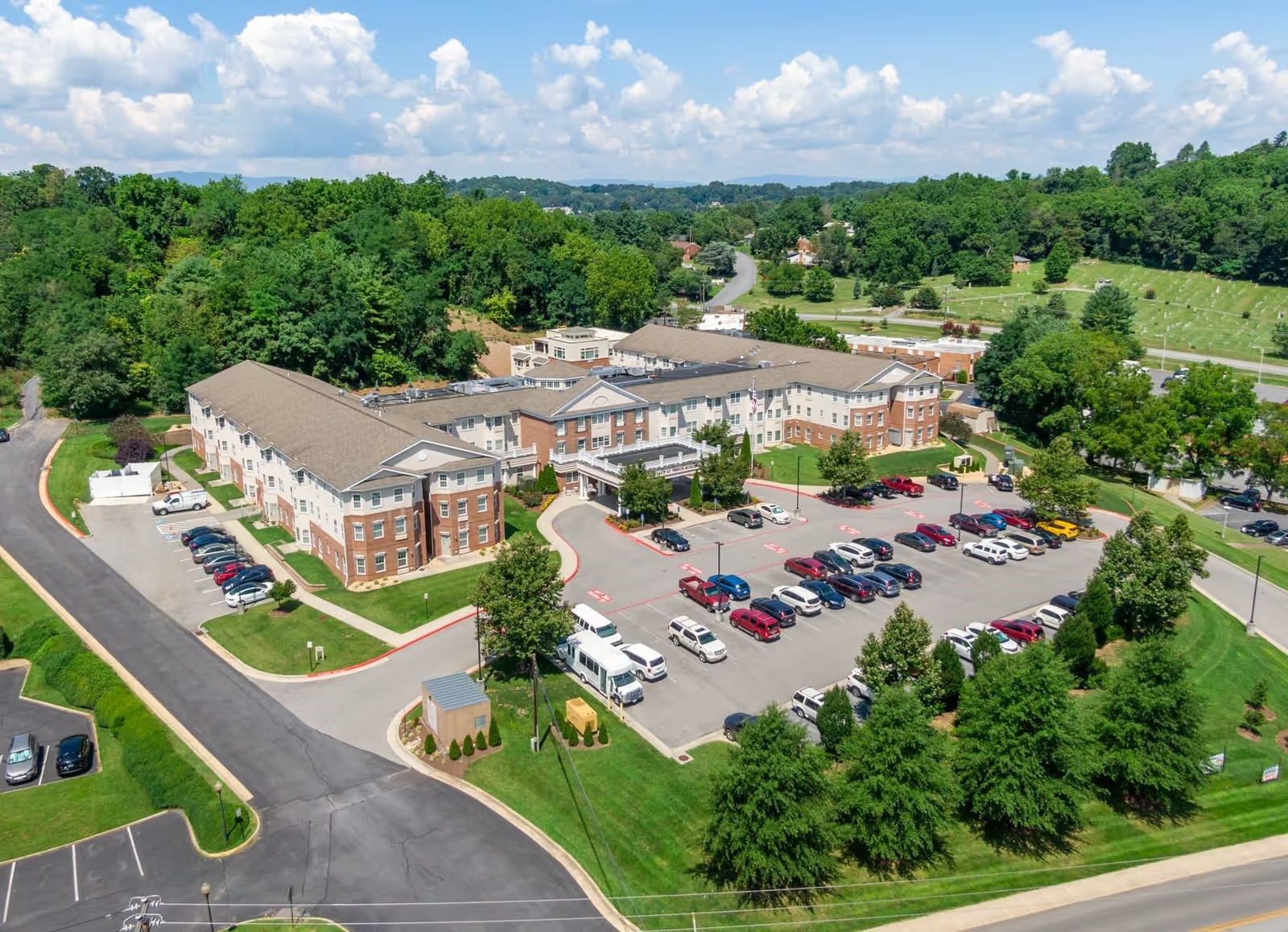
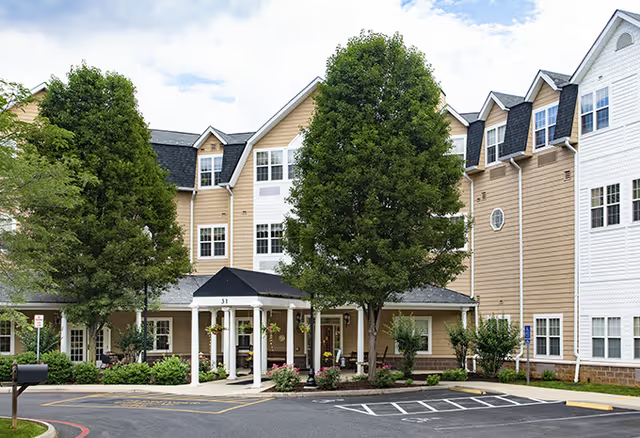
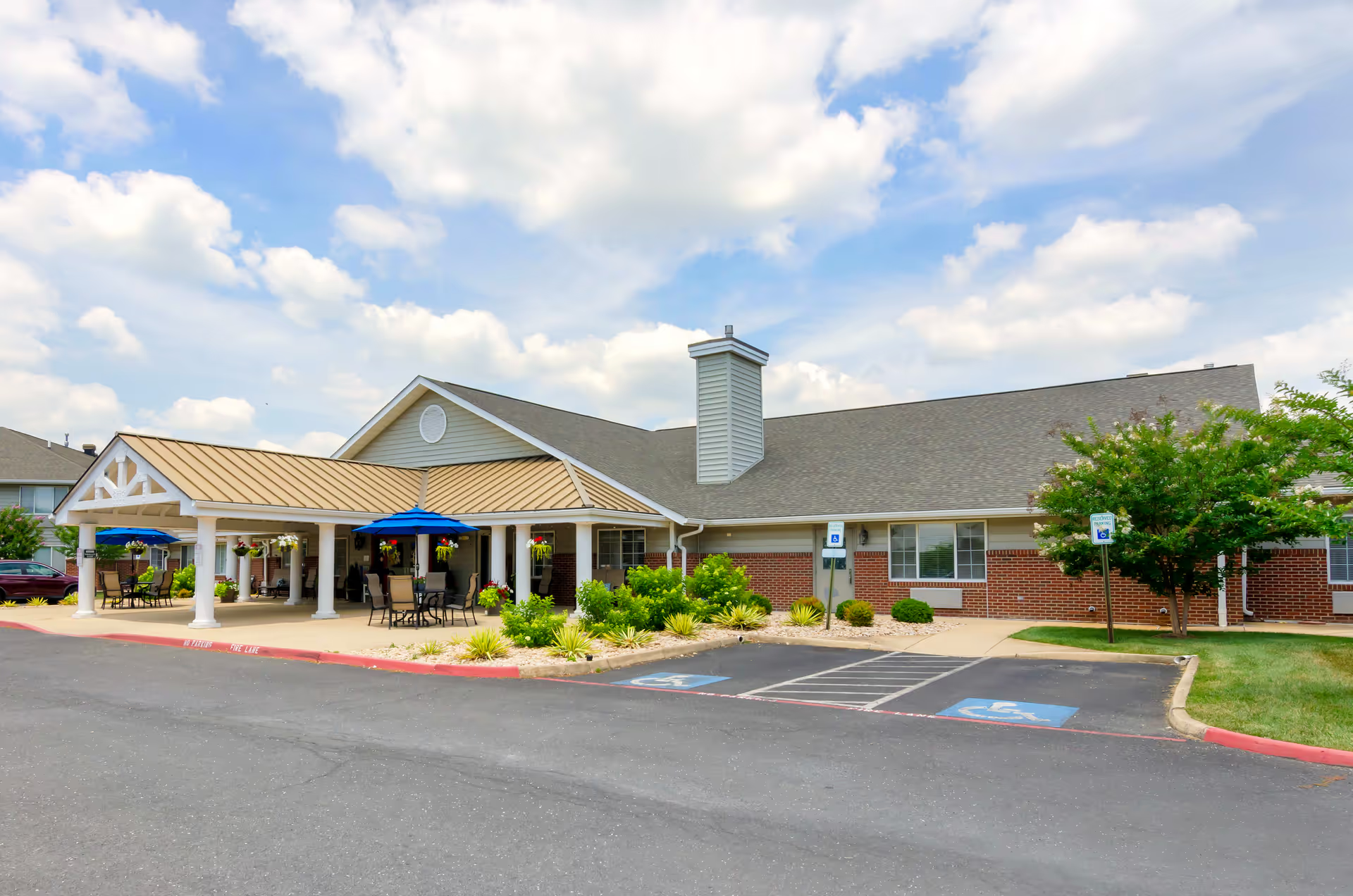
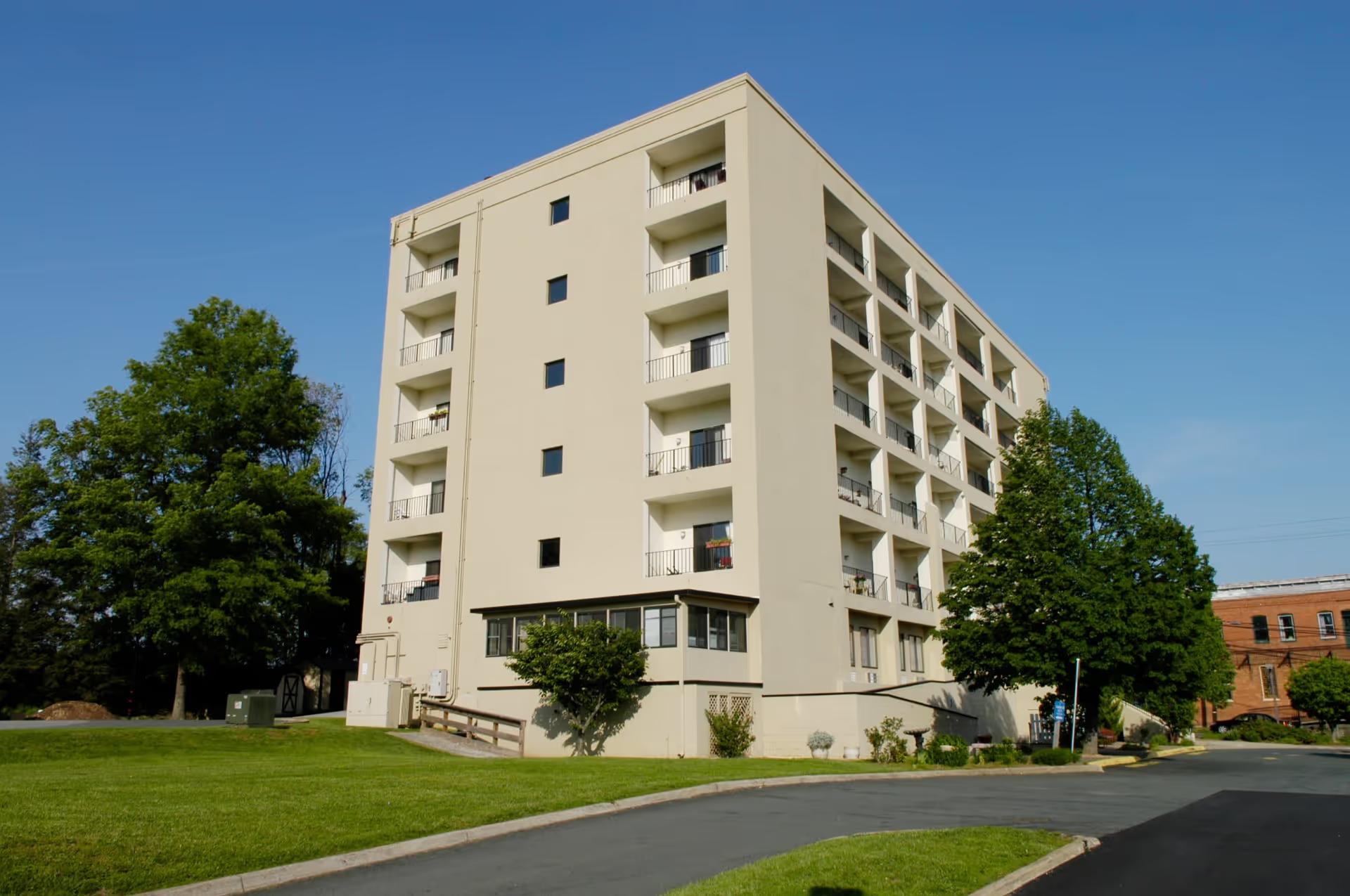
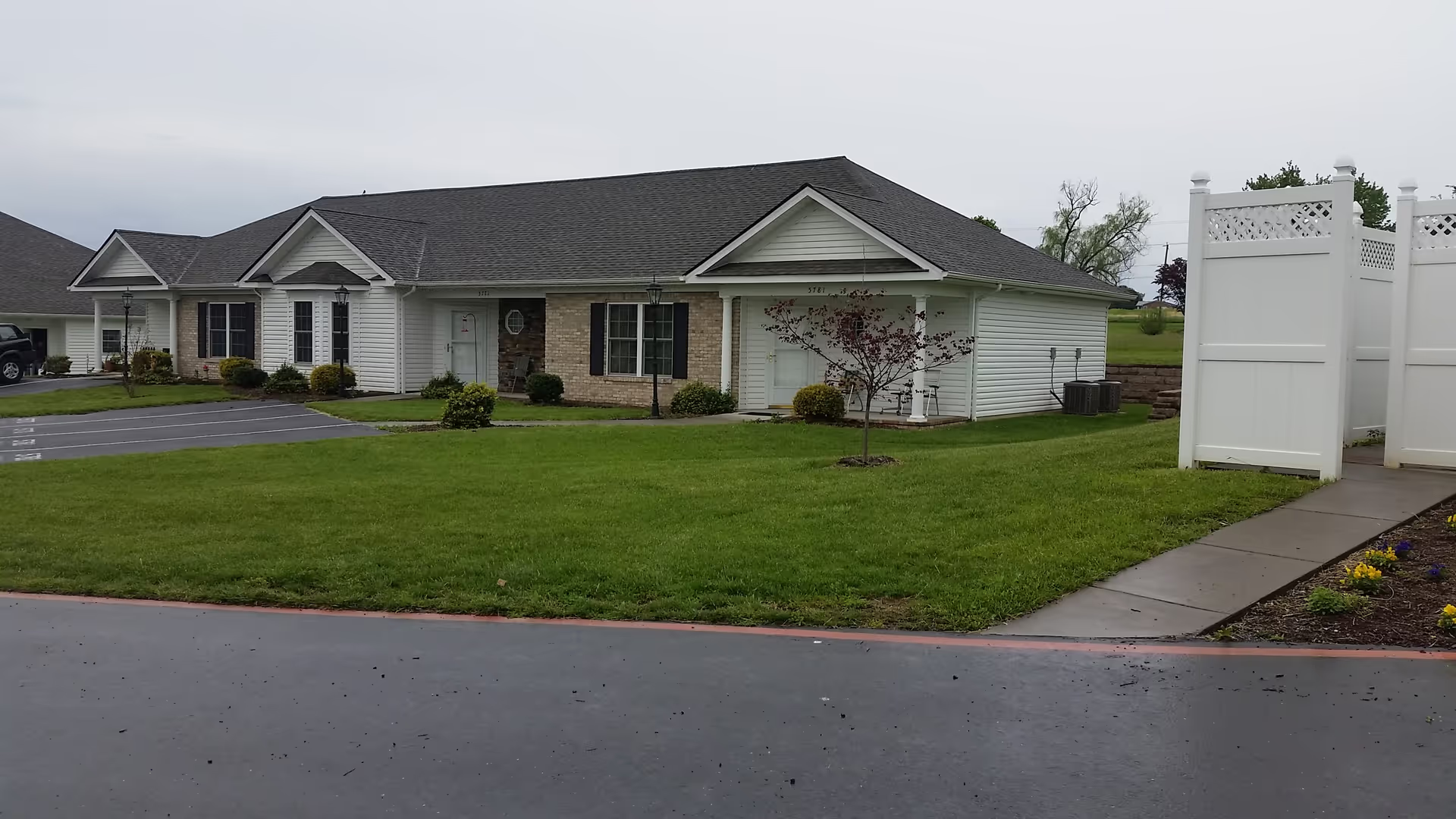
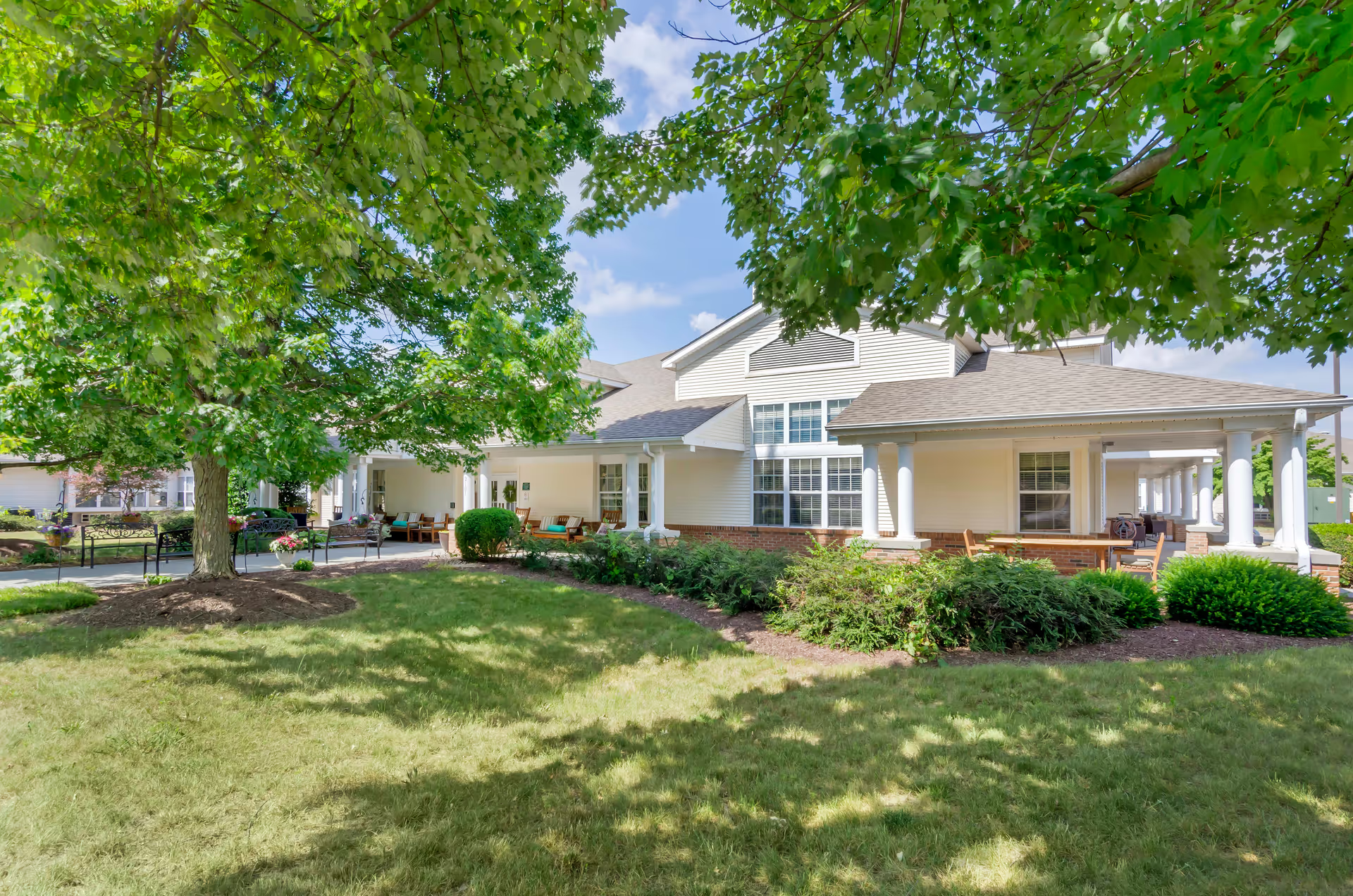
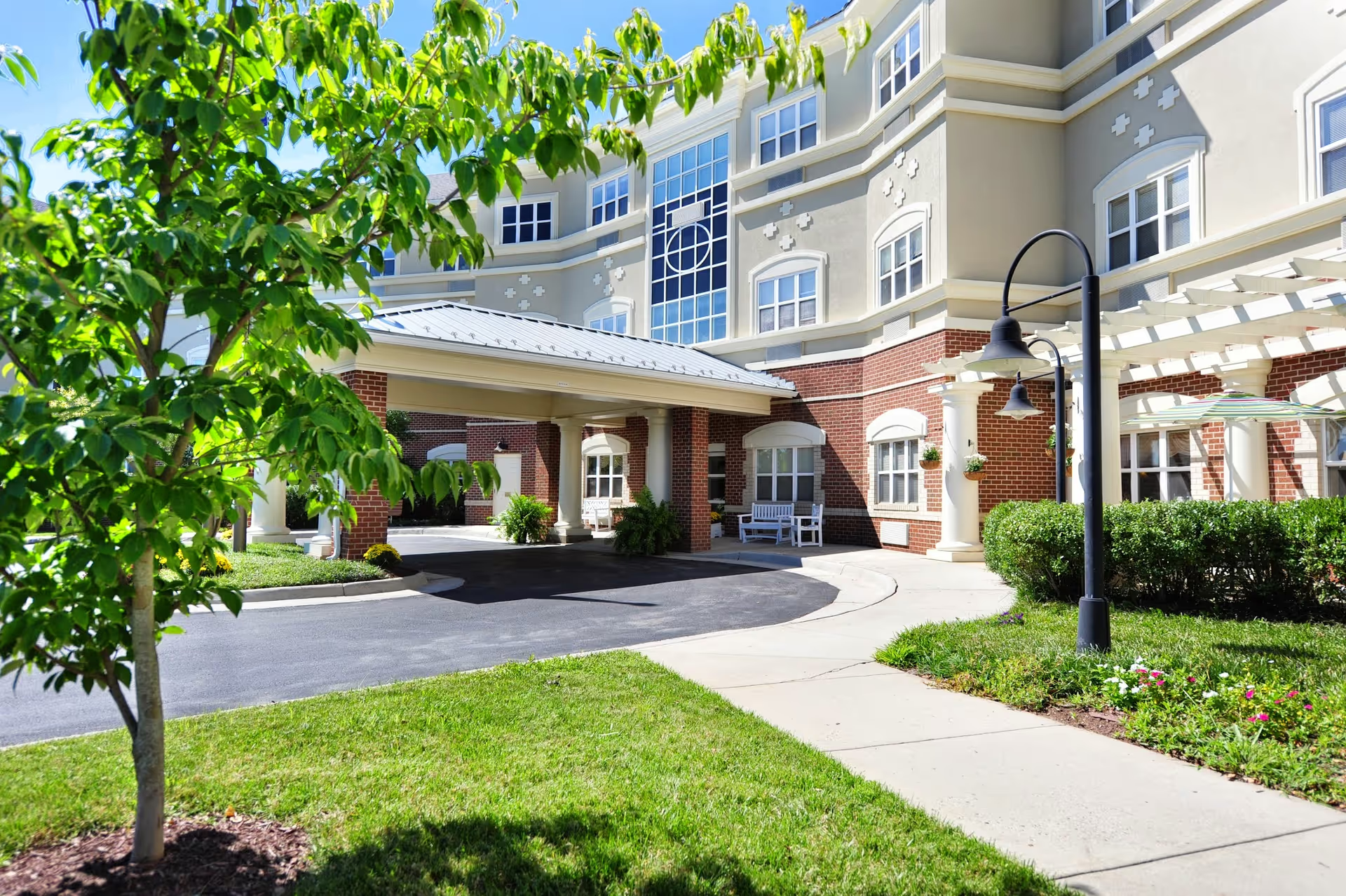
Overall impression: Regency at Augusta presents as a newly built, well-appointed assisted living and memory care community with many physical and programmatic strengths alongside noticeable operational inconsistencies. Multiple reviewers praise the facility’s modern construction, bright common spaces, skylights, and a strong amenity set that includes salon/barber services, private family meeting spaces, courtyards, and multiple dining rooms. The location near Augusta Hospital and the ability for residents to personalize apartments, bring pets, and enjoy sunlit lounges are commonly described as positive selling points.
Care and staff: Experiences with clinical care and caregiving staff are mixed but often positive. Numerous reviewers emphasize compassionate, attentive nurses and direct-care aides, with frequent mention of warm interactions, individualized attention, and staff willingness to assist during move-in and transition. At the same time a distinct pattern emerges around inconsistent staffing levels and turnover; families report periods when staff are harder to locate, when communication among staff is inconsistent, or when daytime supervisory presence is limited. These staffing inconsistencies are linked in reviews to delays in routine clinical tasks and reduced availability of activities or services at times.
Dining: Dining quality is another area of divergence. Many reviewers describe nutritious, delicious meals with good variety and attractive dining spaces. Conversely, other families note interruptions to kitchen staffing, meal presentation issues, and occasional use of disposable serviceware that detracts from the dining experience. Some reviewers perceived a difference between advertised “chef-prepared” meals and what was served during staffing interruptions. The pattern suggests the dining experience is contingent on kitchen staffing continuity and service processes.
Activities and social life: The community offers an active program of social and recreational activities, including clubs, a theatre, library, and scheduled events that many residents enjoy. Reviewers who attended activities found them engaging and well organized; however, several comments indicate activity frequency and variety can diminish when staffing is reduced, and pandemic-related restrictions have affected dining and group options at times.
Facilities and operations: The physical plant and housekeeping receive consistently positive feedback for cleanliness, modern finishes, and well-maintained common areas. Operationally, families appreciate the organized concierge/desk presence and helpful admissions staff who assist with paperwork and scheduling. At the same time, reviews raise operational concerns such as tracking of personal belongings, inconsistent supervision on the residential floors, and limitations in after-hours access for family members.
Management and communication: Management impressions are mixed. Some reviewers praise visible leadership, resident-first messaging, and staff-first culture; others describe gaps in floor-level management presence, slow or inconsistent family communication, and concerns about service responsiveness. There are isolated but serious allegations involving incentivized positive reviews and coaching of staff on reputation management; these merit attention and verification by anyone evaluating the community. Reviewers also cite perceived value issues related to pricing when services are inconsistent.
Notable patterns and considerations: The dominant pattern across reviews is variability. Many families report excellent, consistent care in a beautiful new environment; others describe operational lapses that affect meals, visits, and timely clinical services. Staffing levels and turnover appear to be a key driver of variability: when staffing is adequate, reviewers describe warm relationships, timely care, and robust programming; when staffing is constrained, families report delays, diminished activities, and weaker communication. Prospective families should tour the community, ask about current staffing ratios and contingency plans for kitchen and clinical coverage, inquire about after-hours visitation policy, and request recent examples of how management addresses service lapses and personal-belongings protocols.
Bottom line: Regency at Augusta offers a high-quality physical environment and many elements of strong assisted living and memory care programming, with notable strengths in staff compassion, amenities, and facility design. However, operational consistency—particularly staffing stability, meal-service continuity, and family communication—varies across reviews and should be explored directly with management during a decision-making process.