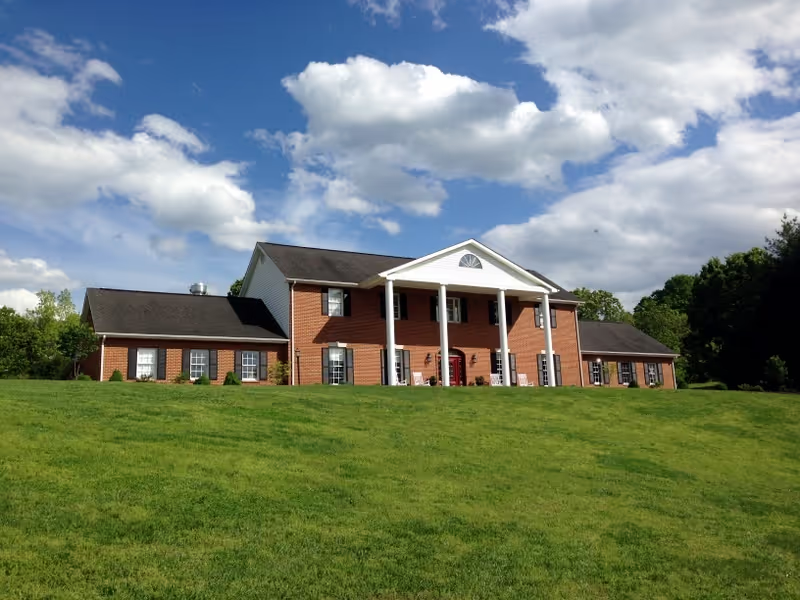
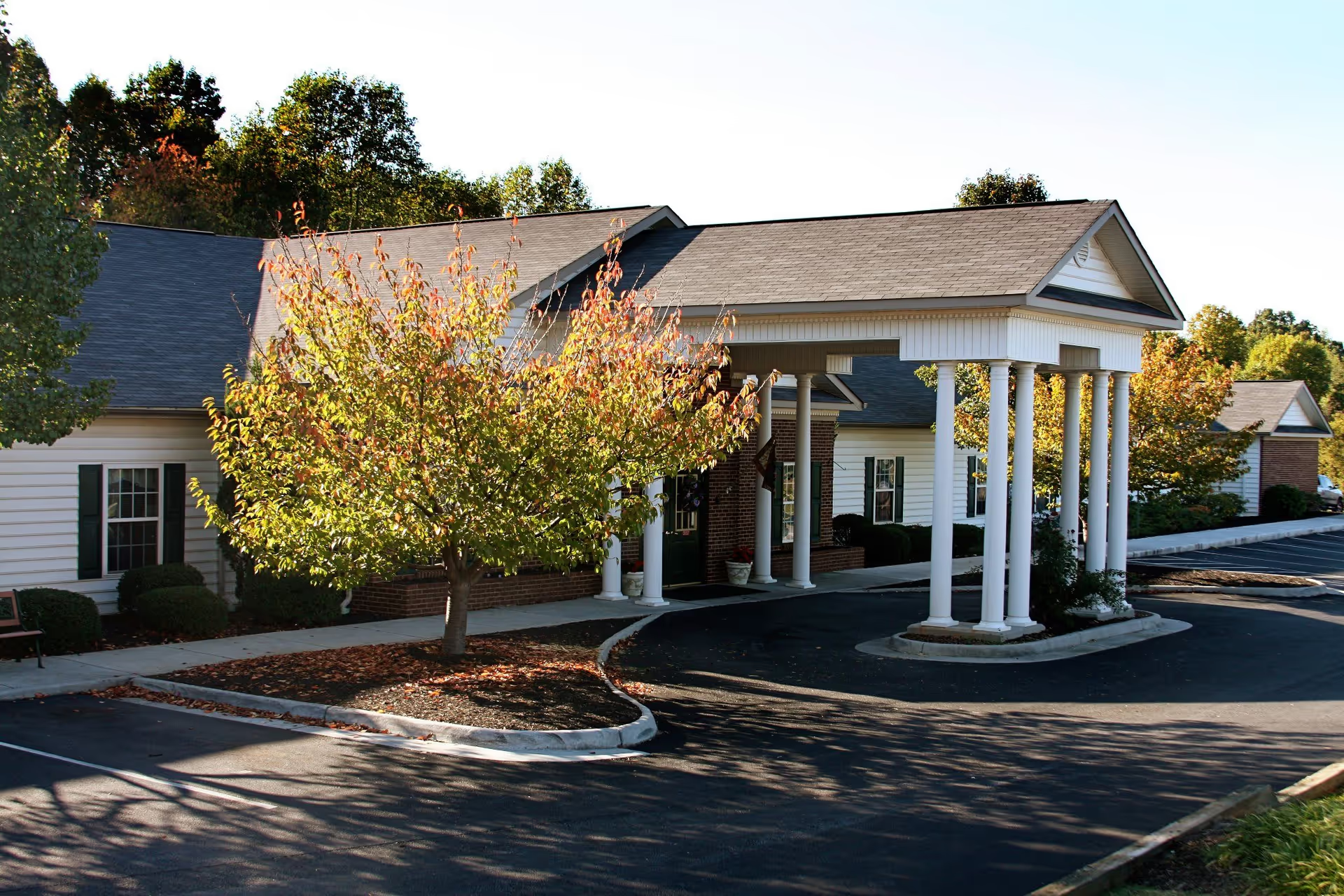
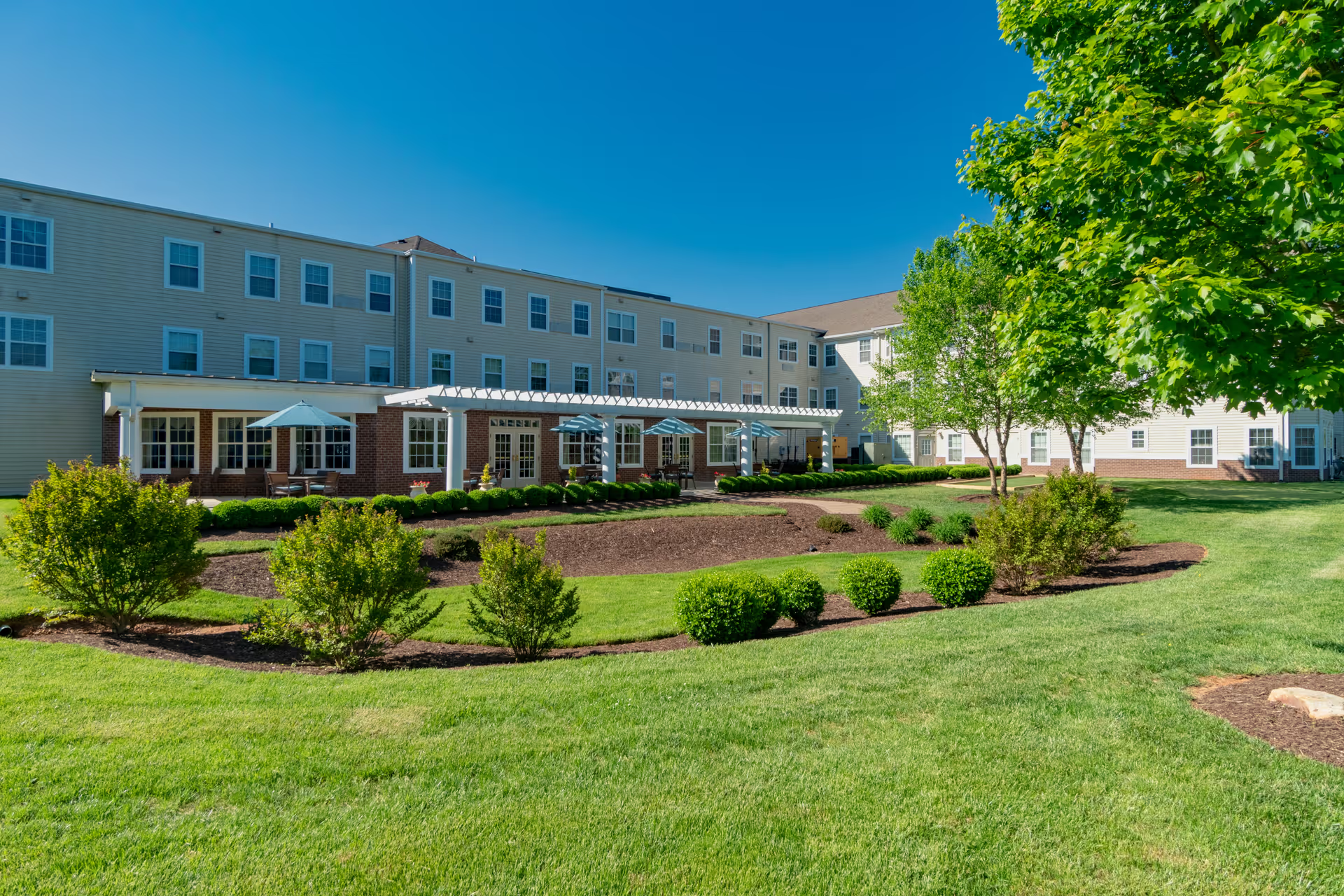
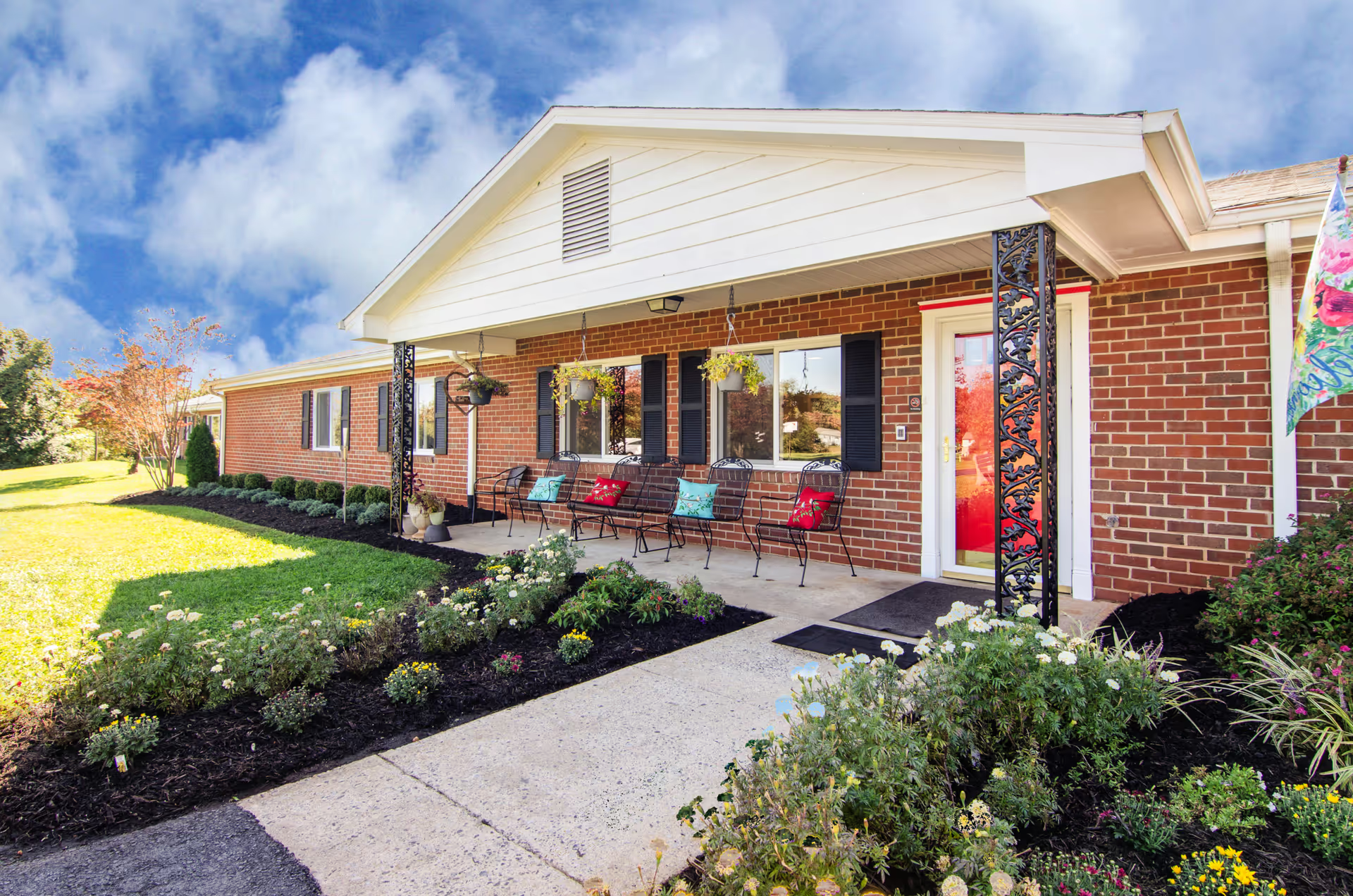
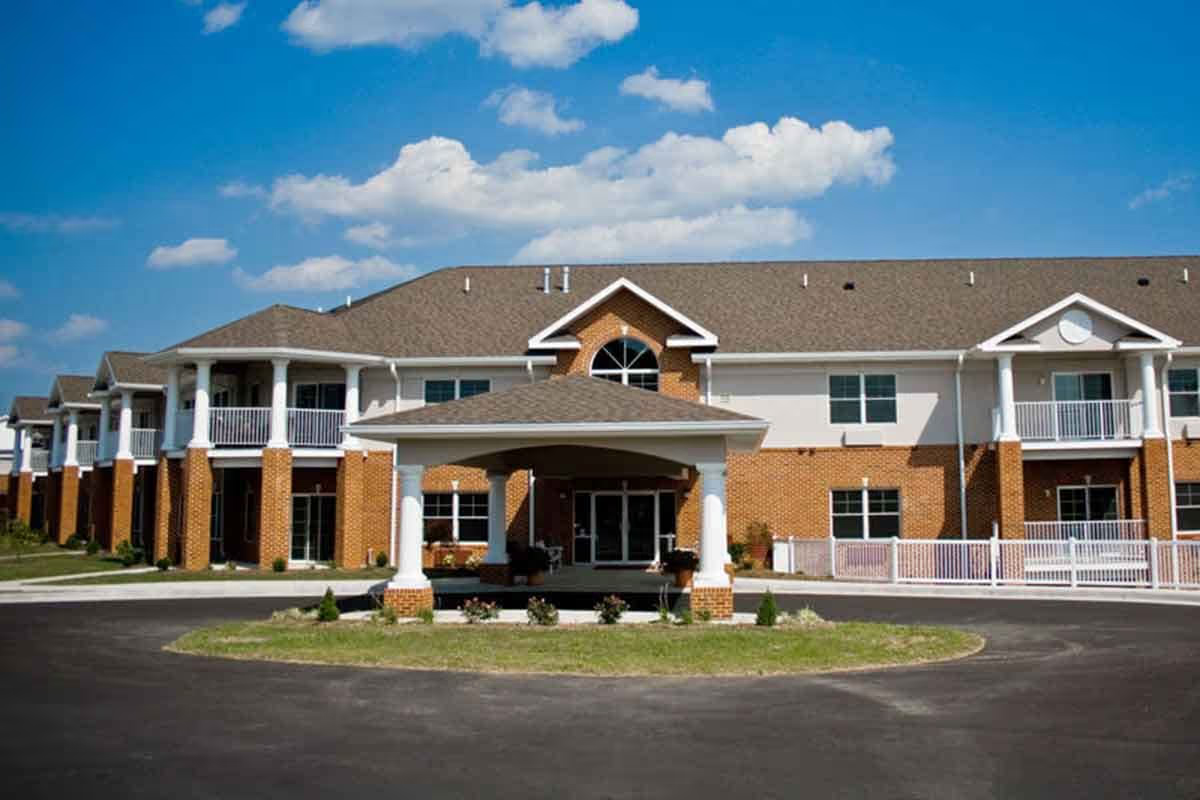
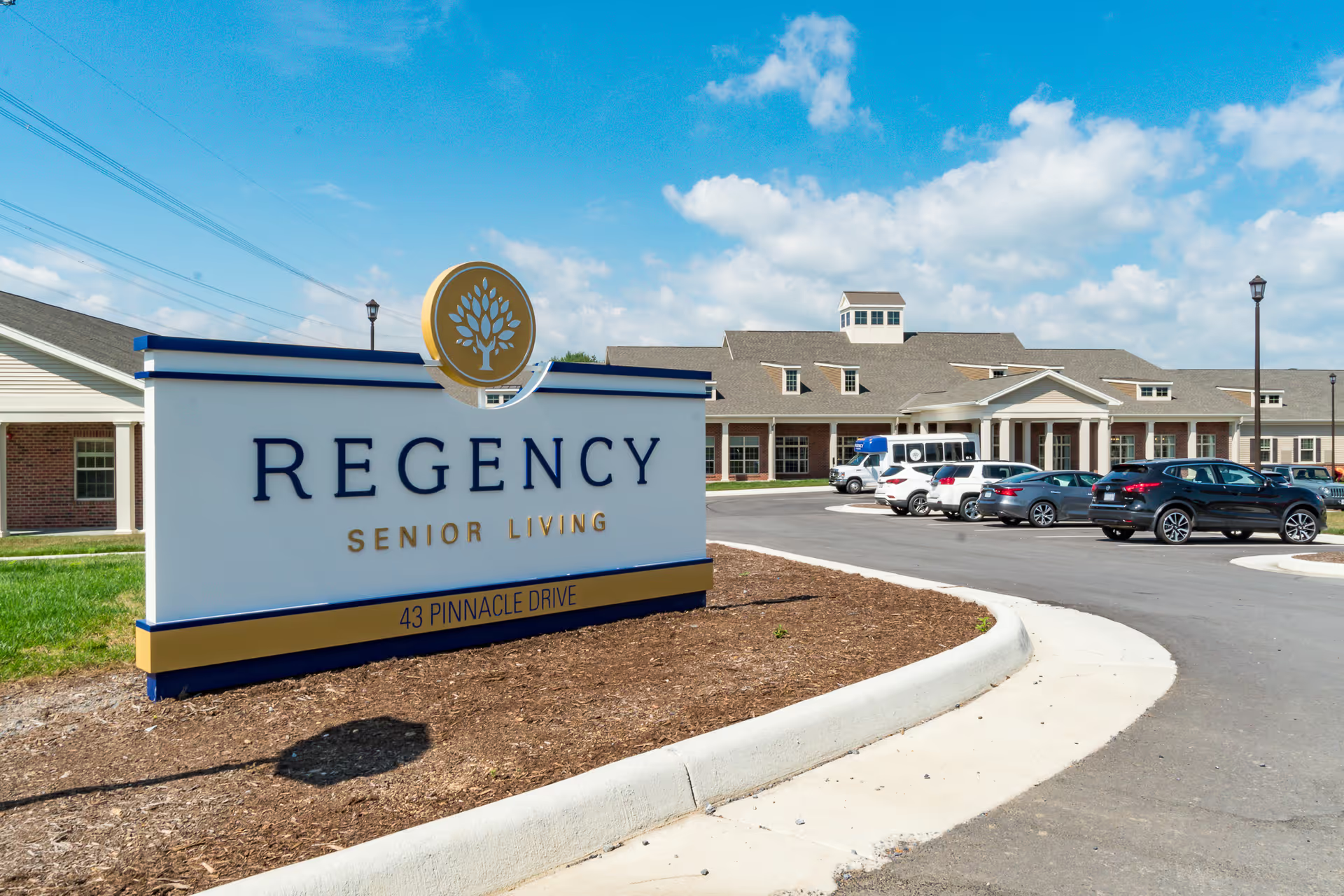
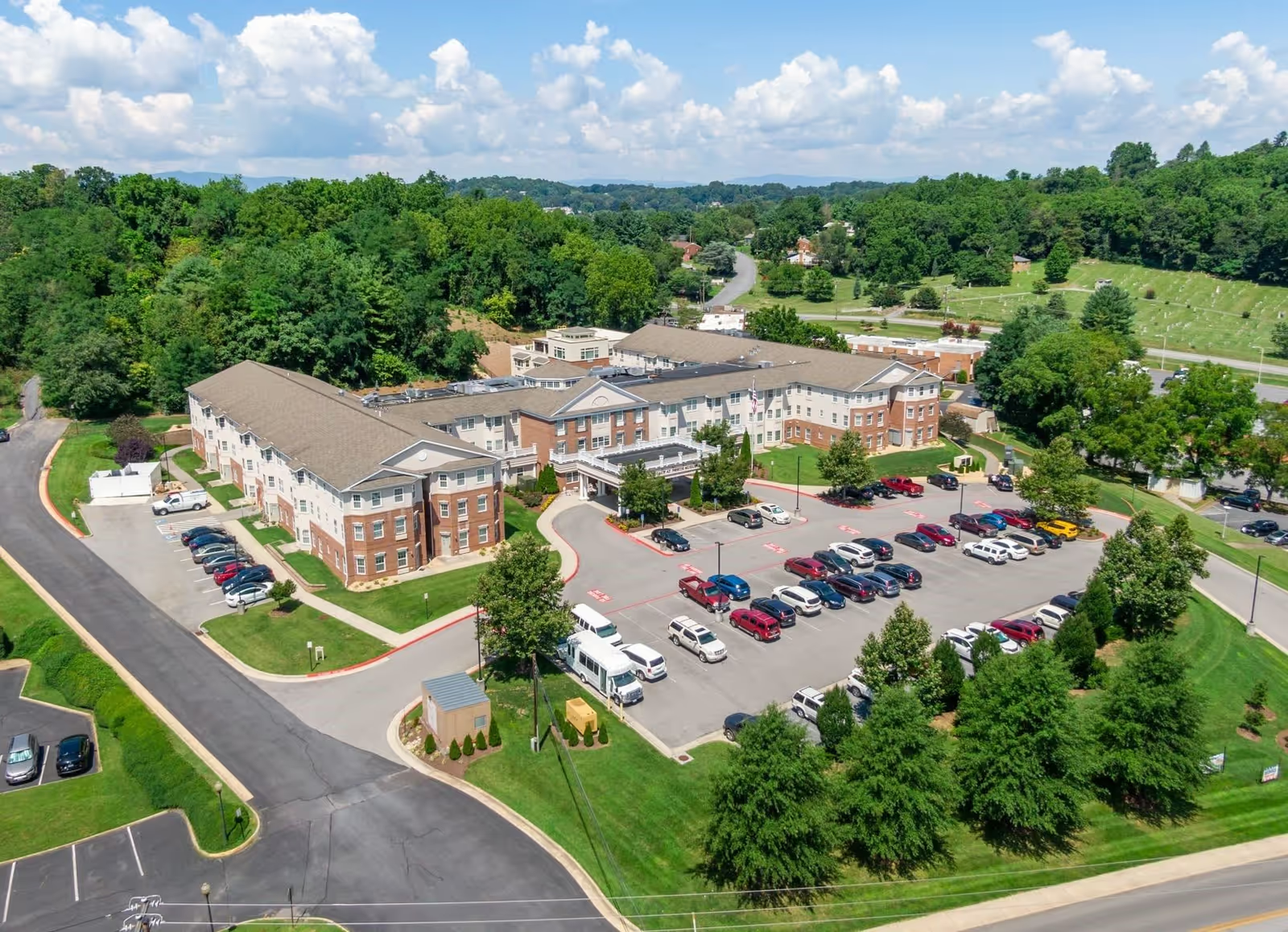
The Mayflower by American Retirement Homes elicits a mix of positive impressions and operational concerns. Many families and visitors describe the facility as warm and home-like, emphasizing a compassionate and professional staff that provides personalized attention and a family-style atmosphere. Admissions and transitions are often described as smooth, and nursing and therapy services are perceived as effective in restoring independence for some residents. The setting—historic architecture in a convenient Lexington/Rockbridge County location with bright interiors and outdoor patio access—is repeatedly noted as attractive.
Care and staffing quality show a clear pattern of strengths and variability. Reviewers frequently praise individual caregivers and the overall professionalism of the team; specific staff members, directors, and daytime teams receive positive mention for communication and attentiveness. At the same time, there are recurring concerns about staffing consistency outside daytime hours: reduced coverage and slower responsiveness in evening and night shifts is a notable pattern that families should evaluate during tours. There are also comments indicating uneven clinical communication and continuity between shifts, which can affect family updates and day-to-day follow-up.
Dining and programming are strengths for many residents: home-style cooking, plentiful portions, live music, games, outings and organized social events contribute to a lively community feel. Conversely, several reviewers express reservations about nutritional quality and variability in meal preparation; prospective families should assess menus and special-diet accommodations if nutrition is a primary concern.
Facility condition and housekeeping present mixed signals. The building’s historic character and bright common areas are assets, but the physical plant is described as older, with smaller resident rooms and some areas that would benefit from modernization. There are recurring sanitation and housekeeping concerns specific to resident rooms, carpets, and baseboard/room-detail cleaning; these suggest inconsistent housekeeping processes rather than a uniformly poor environment. Room configurations vary and include shared rooms with shared bathrooms in some units, which may not suit all residents’ preferences.
Management and operations show both attentive elements and areas for improvement. Staff training and family-oriented practices are emphasized, yet reviewers highlight limited common-area space during busy programming and occasional difficulties navigating the facility’s layout. Prospective residents and families should weigh the facility’s strong social programming, compassionate daytime staff, and convenient location against the operational issues of evening staffing, housekeeping consistency, and the constraints of an older building. A practical next step for decision-making is an in-person visit during multiple shifts (day and evening), a review of housekeeping and meal-service protocols, and clarification of room options and staffing ratios to ensure alignment with the resident’s needs.