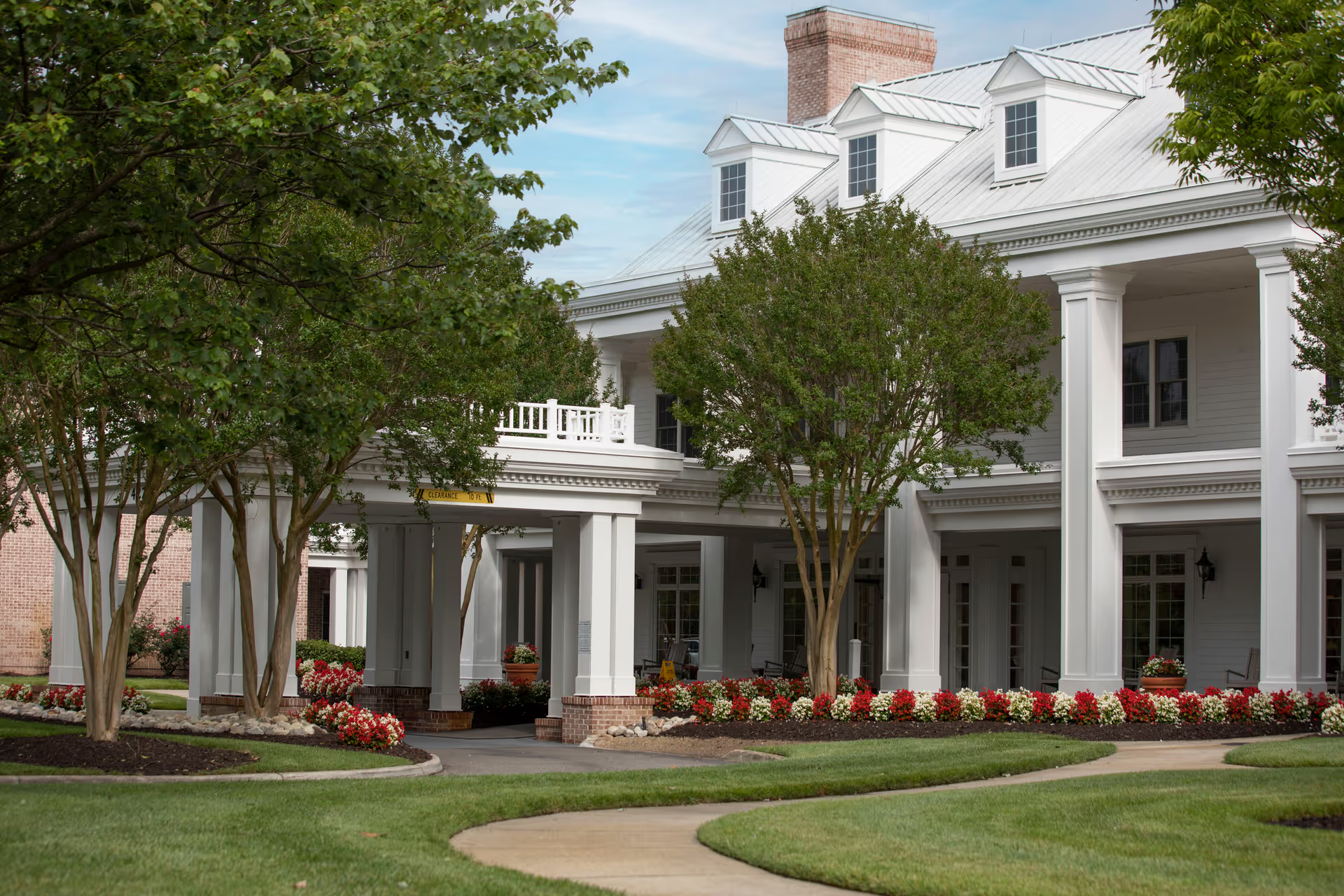
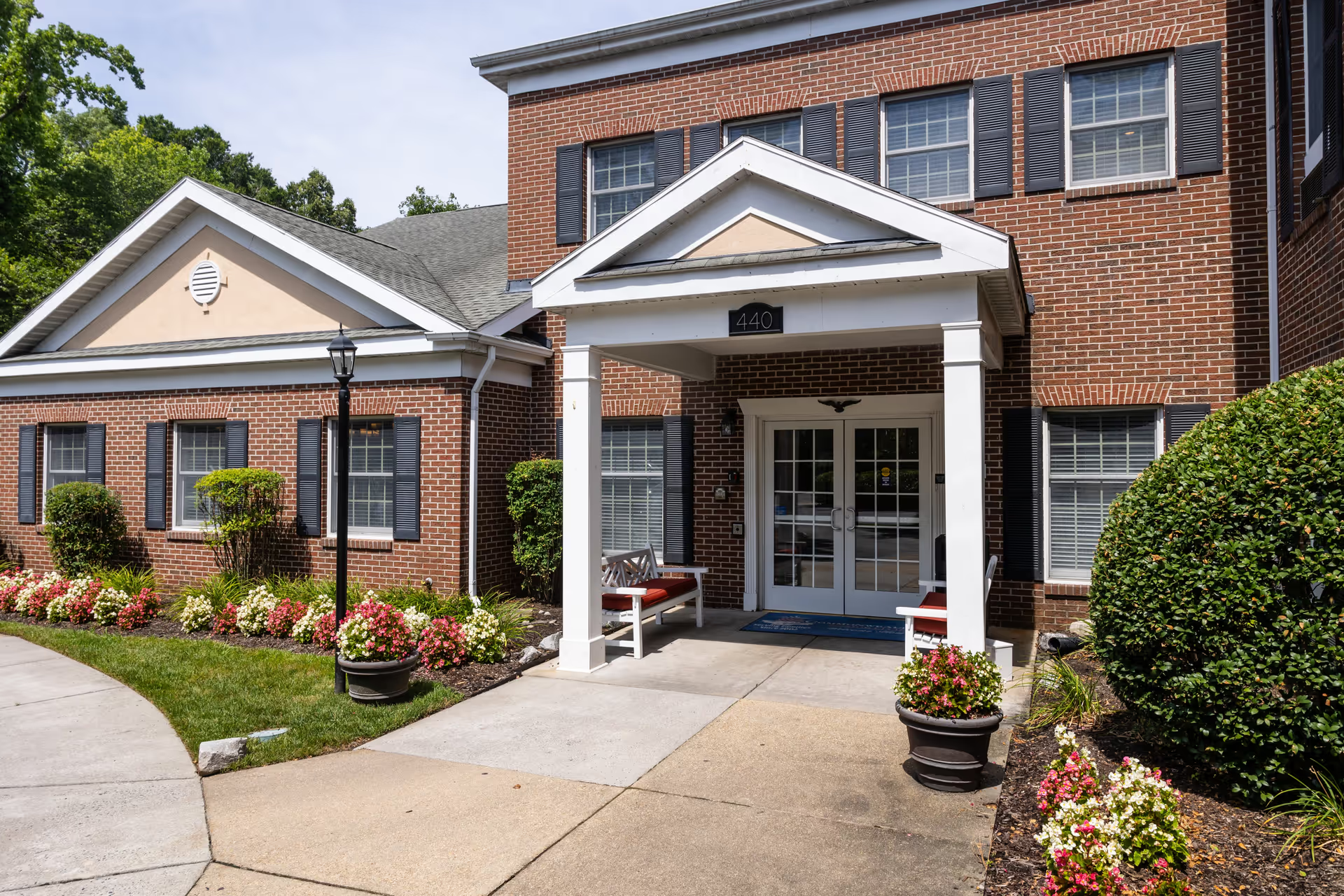
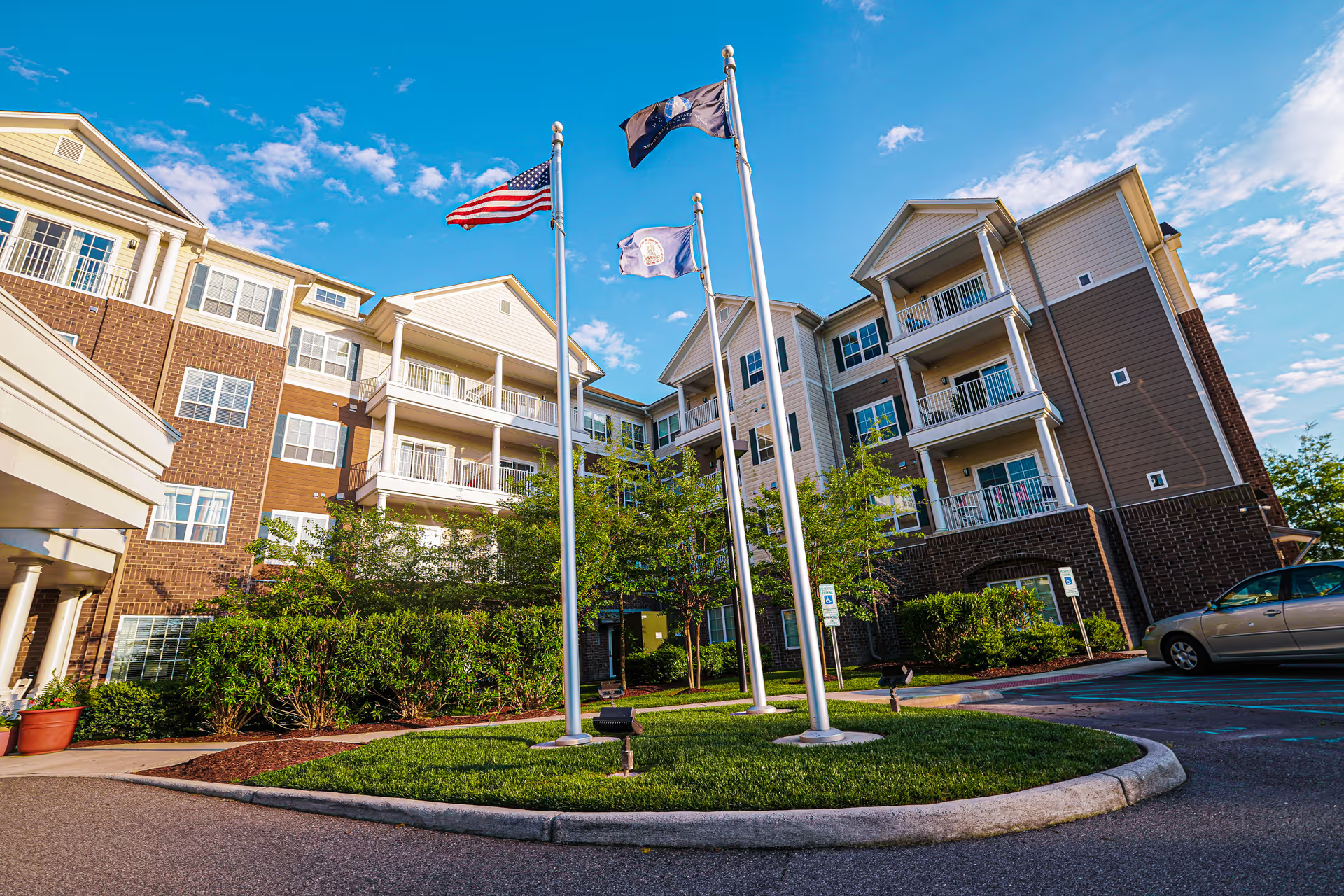
Reviews for this community are mixed, with clear strengths alongside recurrent operational concerns. Positive accounts emphasize compassionate, knowledgeable caregivers, a broad calendar of activities and outings, on-site rehabilitative and medical services, and hospitality-style dining and events. Many families and visitors praised attractive grounds, secure outdoor areas, a range of room configurations (including private options), and staff members who are welcoming on tours and engaged with residents.
Care quality and staffing present a divided picture. Numerous reviewers described attentive aides and strong nursing leadership at times, but an equally common theme was inconsistent staffing levels and high turnover. These workforce gaps are linked in several reviews to delayed assistance with mobility and toileting needs, inconsistent bathing and personal-care schedules, and delays or errors in medication administration. Several accounts also raised concerns about clinical training for some med-tech staff and variability in on-floor staff visibility, particularly on nights and weekends.
Dining and activities are often cited as strengths, with several mentions of restaurant-style dining, themed meals, and a lively activities program that includes games, music, exercise classes, and regular outings. That said, other reviewers described repetitive menus, uneven food quality, and occasions when kitchen staffing disruptions affected meal service. Memory-care programming similarly shows contrast: some families praised meaningful engagement and an attentive staff, while others described limited activities and staffing shortfalls in the dementia unit.
Facility condition and maintenance are also mixed. Many reviewers complimented recent updates, clean common areas, and well-kept outdoor spaces. Conversely, a subset of reviews noted deferred maintenance issues, intermittent housekeeping and laundry problems, and spotty cleanliness or odor concerns in particular areas. Front-desk coverage and access controls were flagged at times as inconsistent, which some reviewers felt affected security and family access.
Administration and communication emerge as recurrent decision points for prospective residents and families. Positive experiences include visible, involved directors and helpful admissions staff. Negative experiences center on gaps in incident reporting, slow or limited responses to family concerns, billing discrepancies, and at least one set of allegations concerning missing personal items and unclear fees. Given the polarized feedback, prospective families should prioritize direct inquiries during a visit: verify current staffing ratios and turnover, review medication and incident-reporting protocols, observe dining service and housekeeping, and request written clarification of billing and admission terms. These steps can help reconcile the community’s clear programmatic strengths with the operational variability reflected in reviews.