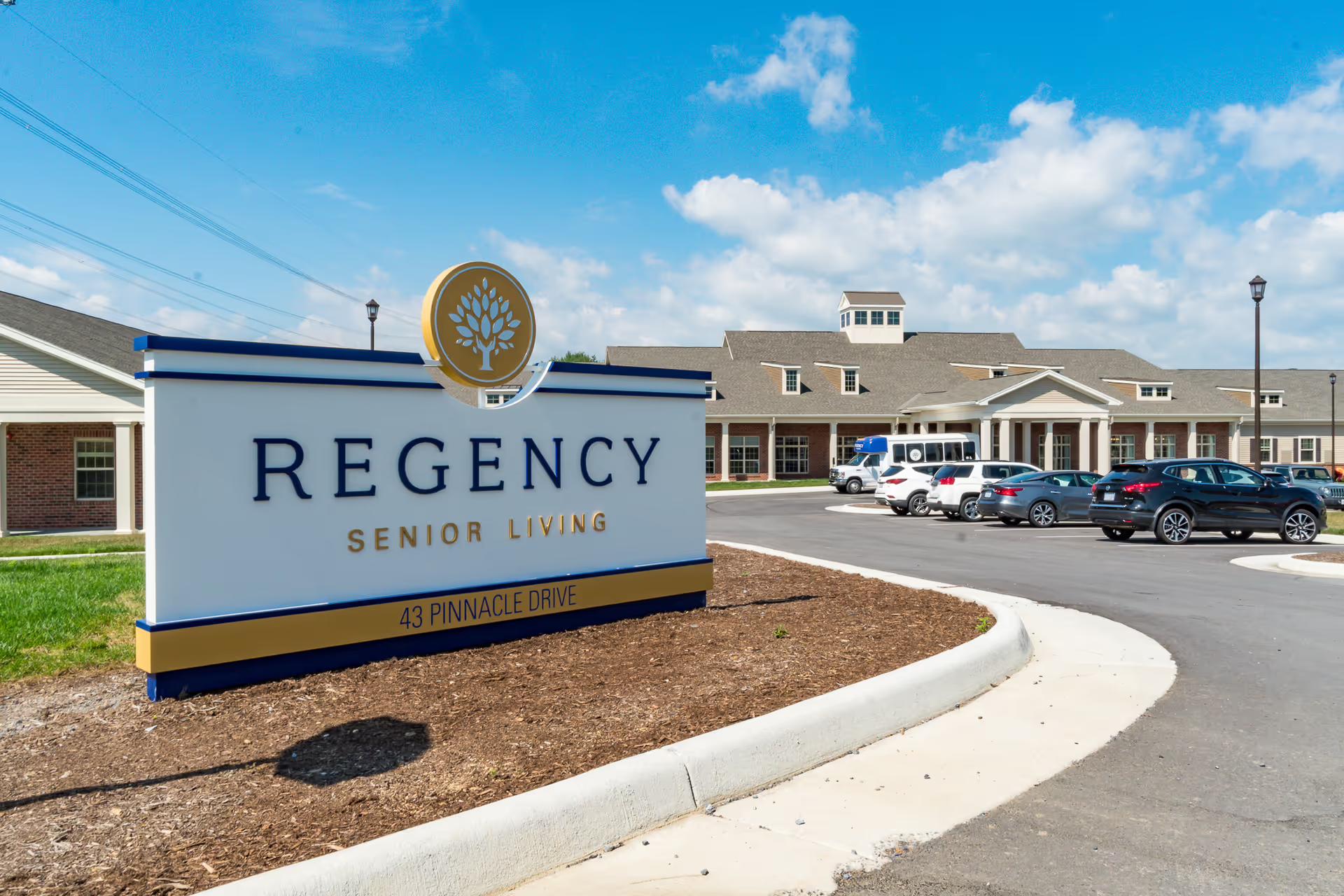
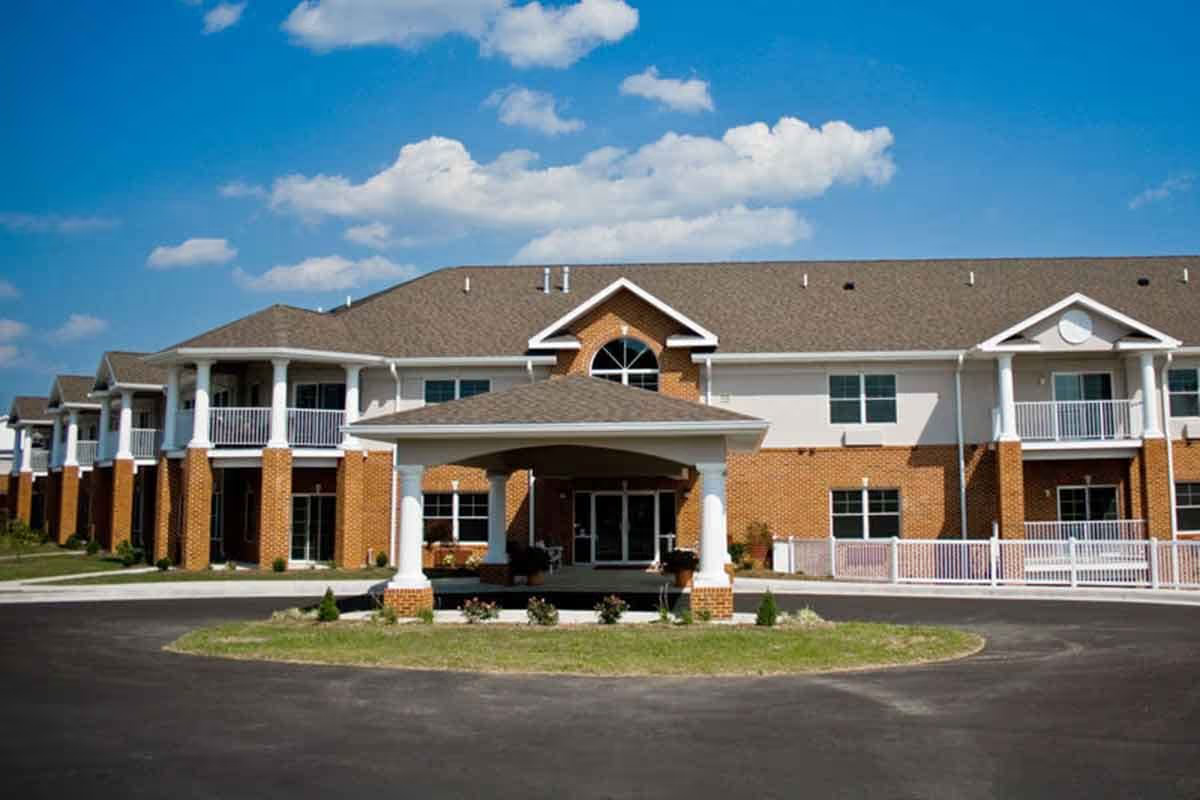
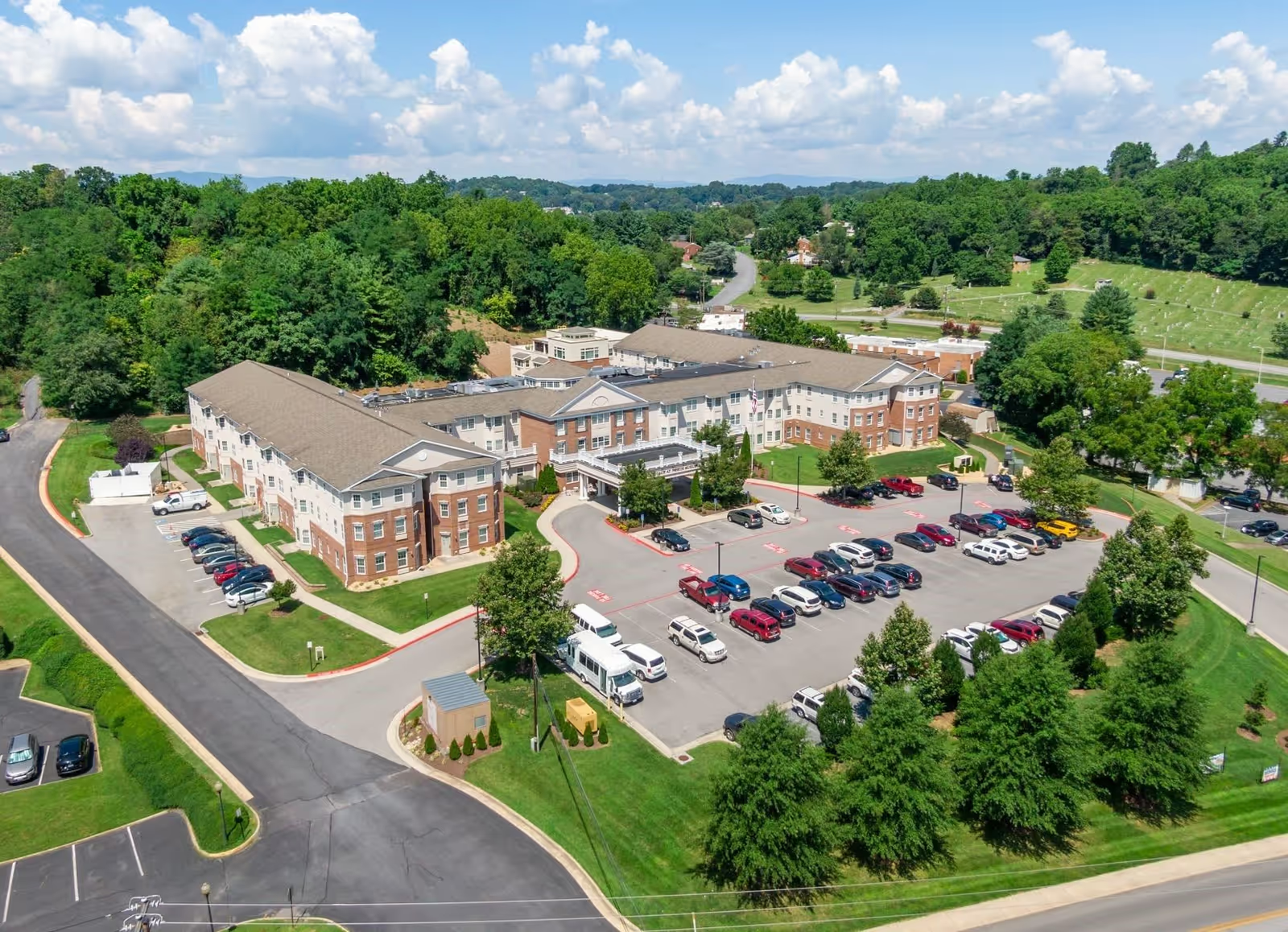
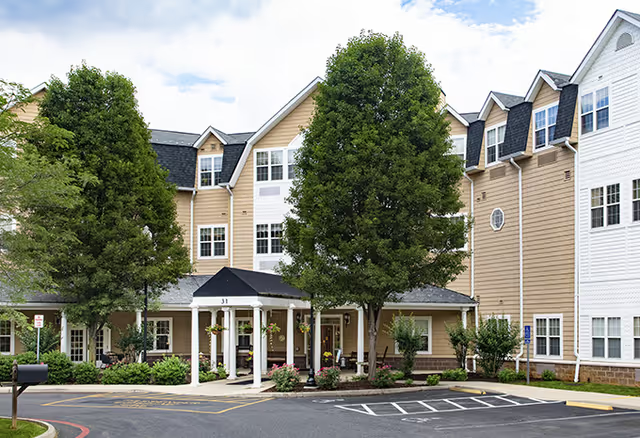
The reviews for River Edge Rehab & Nursing present a mixed but instructive picture. Many families and residents describe highly positive clinical and rehabilitative experiences: staff are frequently characterized as compassionate, attentive, and professional, nursing leadership and attending physicians are viewed as knowledgeable, and the rehabilitation program (including a newly renovated therapy gym) receives consistent praise. Admissions and some administrative staff are commonly described as helpful and well organized, and maintenance and housekeeping are noted as strengths in numerous comments. The facility also appears to sustain a range of engaging activities and community partnerships that families appreciate.
At the same time, a recurrent operational theme is inconsistent frontline capacity. Several reviews indicate staffing shortages on nursing units that coincide with slow responses to call bells and delays in attending to residents' needs. Those staffing constraints are linked in some accounts to gaps in transfer and fall‑prevention practices and delayed assistance with eating and toileting needs; reviewers describe these as systemic timing and responsiveness problems rather than isolated single-person concerns. Related operational weaknesses include inconsistent meal quality and continuity, sanitation and odor concerns in particular areas, and weaknesses in laundry and personal-belonging management.
Communication and procedural issues are another notable pattern. Multiple comments identify gaps in incident documentation and in timely family notification when events occur. There are also concerns framed around medication handling and coordination of off-site transport (for example, for dialysis or medical appointments). Reception and front-desk interactions are described variably — some reviewers praise specific staff, while others report brusque or unhelpful encounters — suggesting uneven customer-service practices.
Overall, the facility demonstrates clear strengths in rehabilitation, therapeutic engagement, and in caregiving by many individual staff members. However, recurring themes around staffing levels, responsiveness, sanitation control in some areas, personal-item management, and documentation/communication practices suggest operational vulnerabilities families should evaluate when considering placement. There are also a small number of serious allegations — including concerns about missing belongings and concerns following a resident's death — that would warrant direct inquiry with the facility, review of incident records, and, if appropriate, verification through inspection or regulatory channels. Prospective residents and families would be advised to visit in person, ask about current staffing ratios and incident-reporting procedures, review therapy outcomes, and speak with recent families about how the facility handled any adverse events.