Summary of care quality and staff: Reviews describe a bifurcated picture of clinical care. Many families emphasize compassionate, attentive nursing and CNA support, with staff who create a family-like, reassuring environment and keep relatives informed. At the same time, other accounts describe inconsistent responsiveness, delays in attending to resident needs, and competency gaps among some clinical staff. These contrasting reports suggest variability in care quality that may depend on staffing levels, shift coverage, or unit-specific practice.
Staffing and training: Staff are frequently characterized as warm and professional, and several comments indicate strong bedside manner and effective family communication. However, understaffing is a recurring theme; reviewers link reduced staffing levels to slower response times and decreased availability of routine assistance. There are also repeated concerns about training and competency for some nurses and CNAs, indicating potential need for stronger orientation, supervision, or continuing education programs.
Dining and special-diet management: The facility receives mixed feedback on dietary services. Some praise routine meal service and organization, but there are explicit concerns about the facility’s approach to dietary restrictions—specifically, a requirement that an allergy be documented before accommodations are made—which some families found inflexible. Those making dietary accommodations inquiries should confirm policies and documentation requirements beforehand.
Activities and atmosphere: Several reviewers describe a warm, home-like atmosphere and a generally happy resident population, which supports the facility’s suitability for social comfort and end-of-life care. Specific information about organized activities is limited in the reviews provided; prospective residents may wish to ask for the current activity schedule and examples during a tour to assess programming consistency.
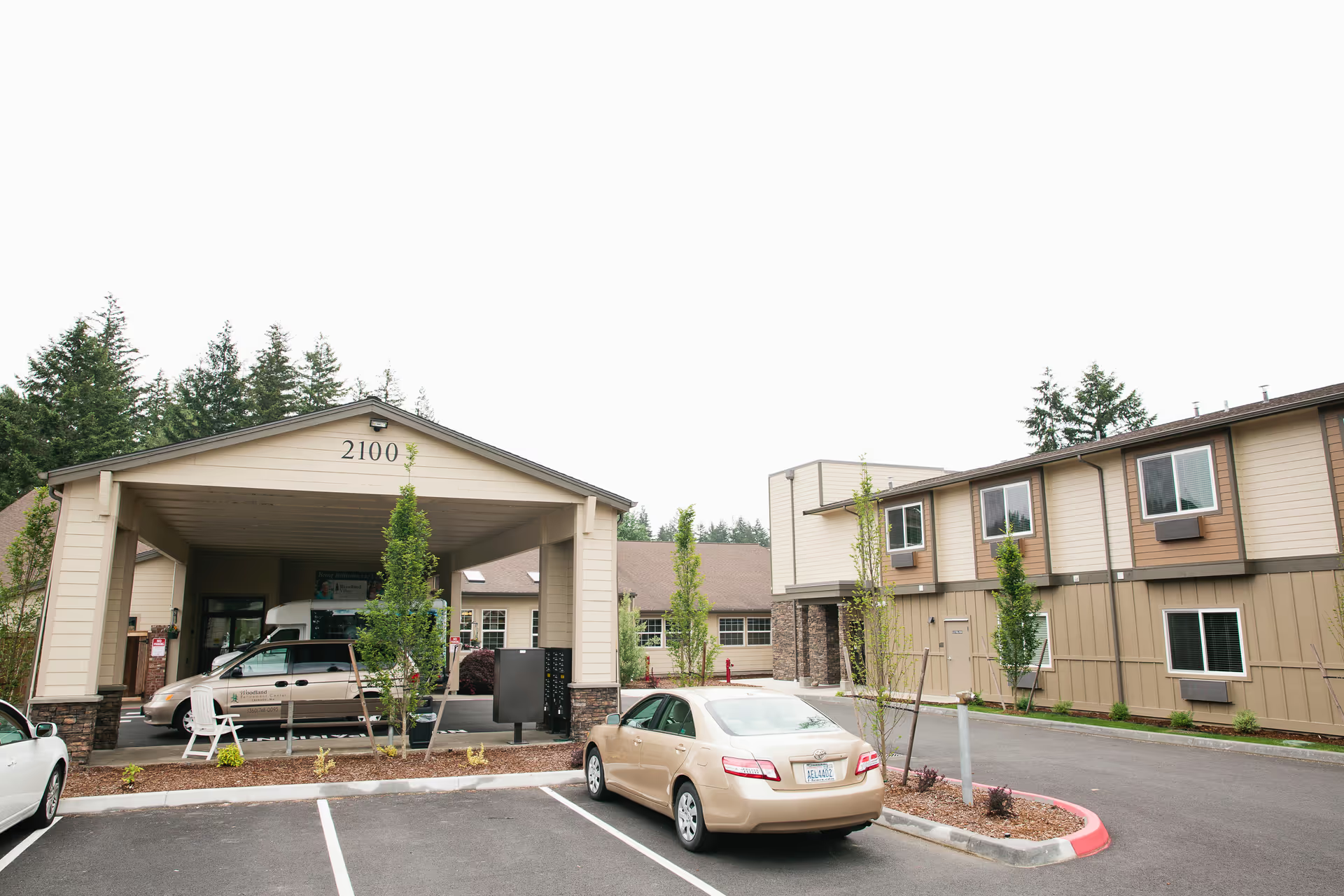
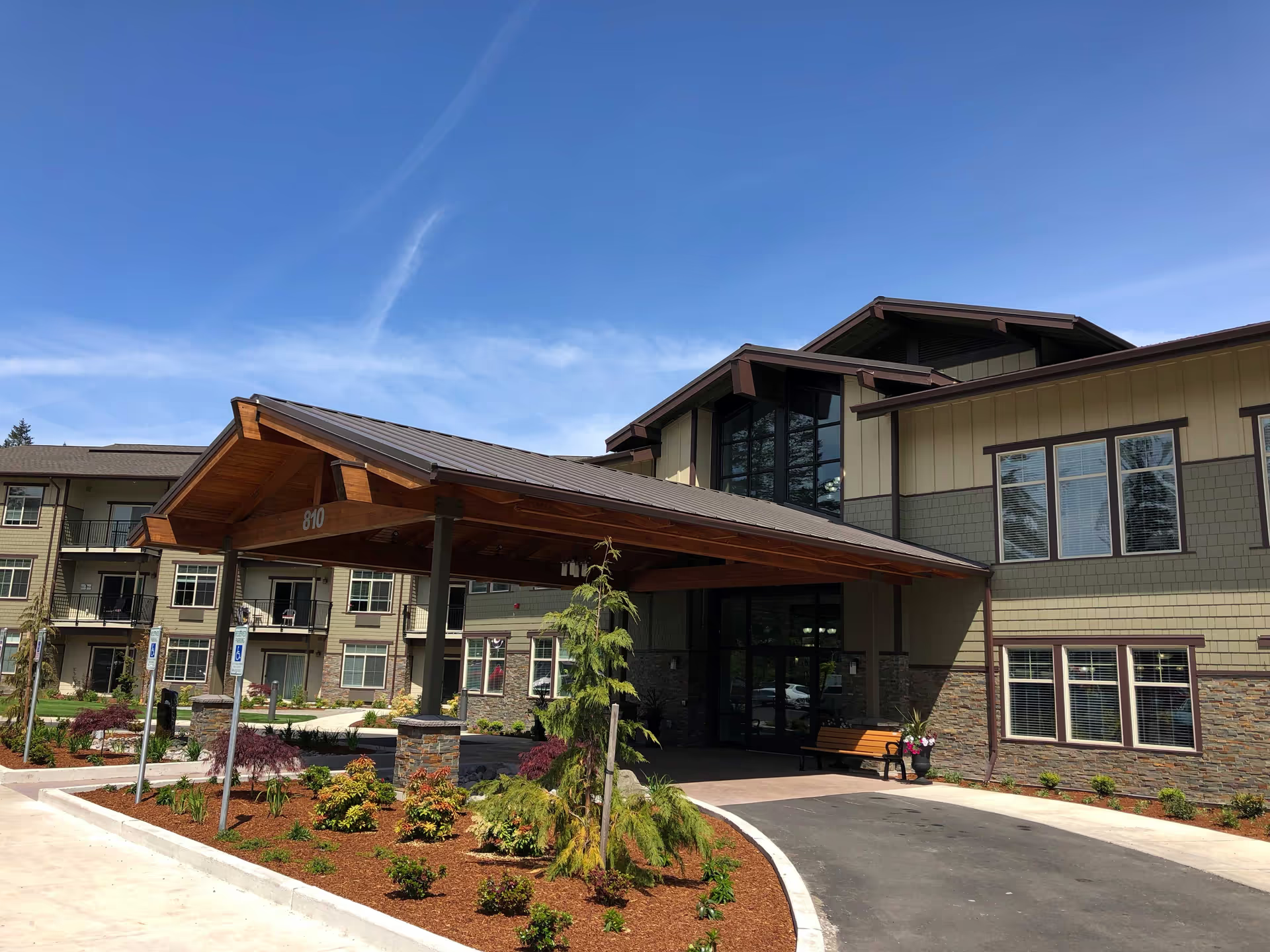
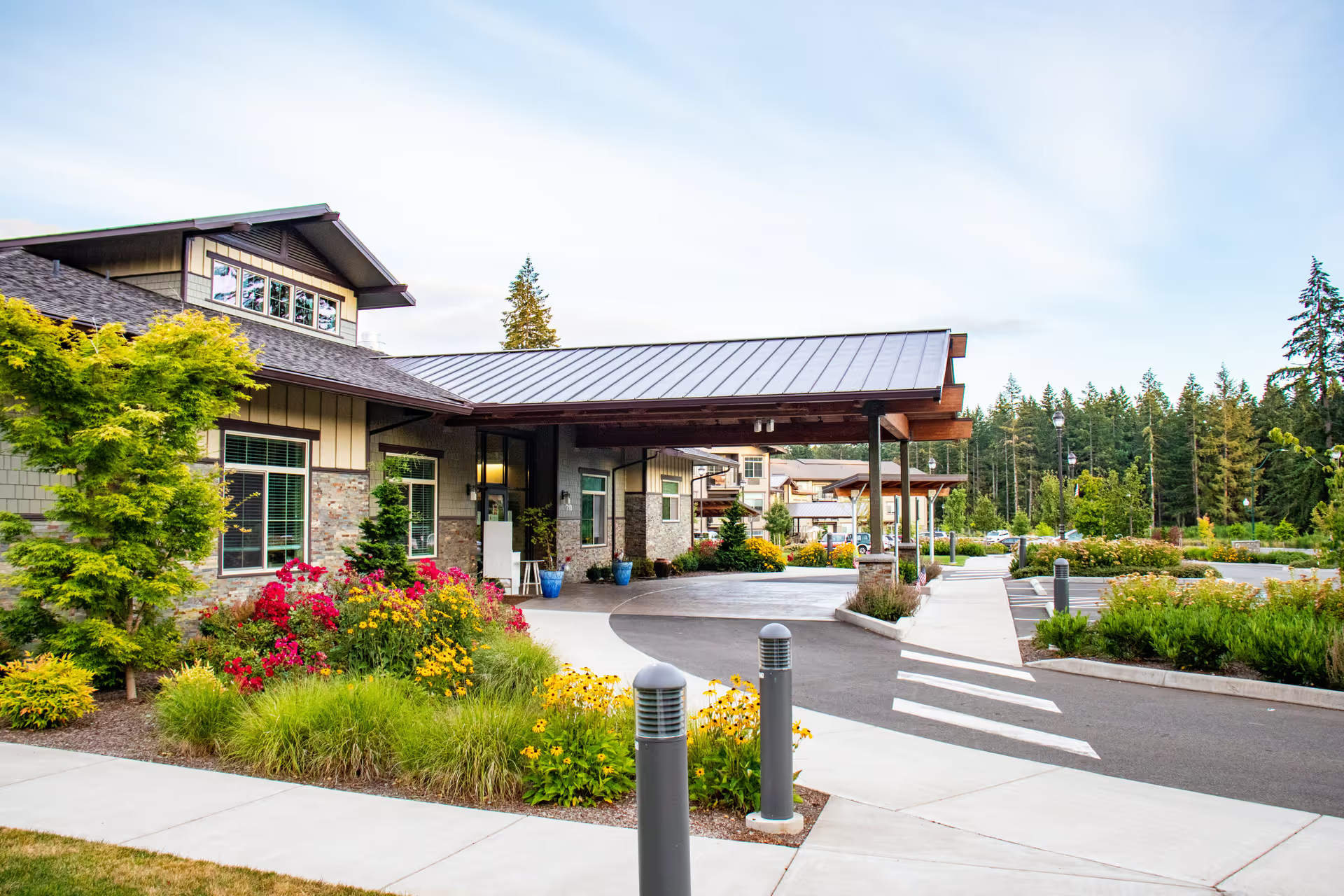
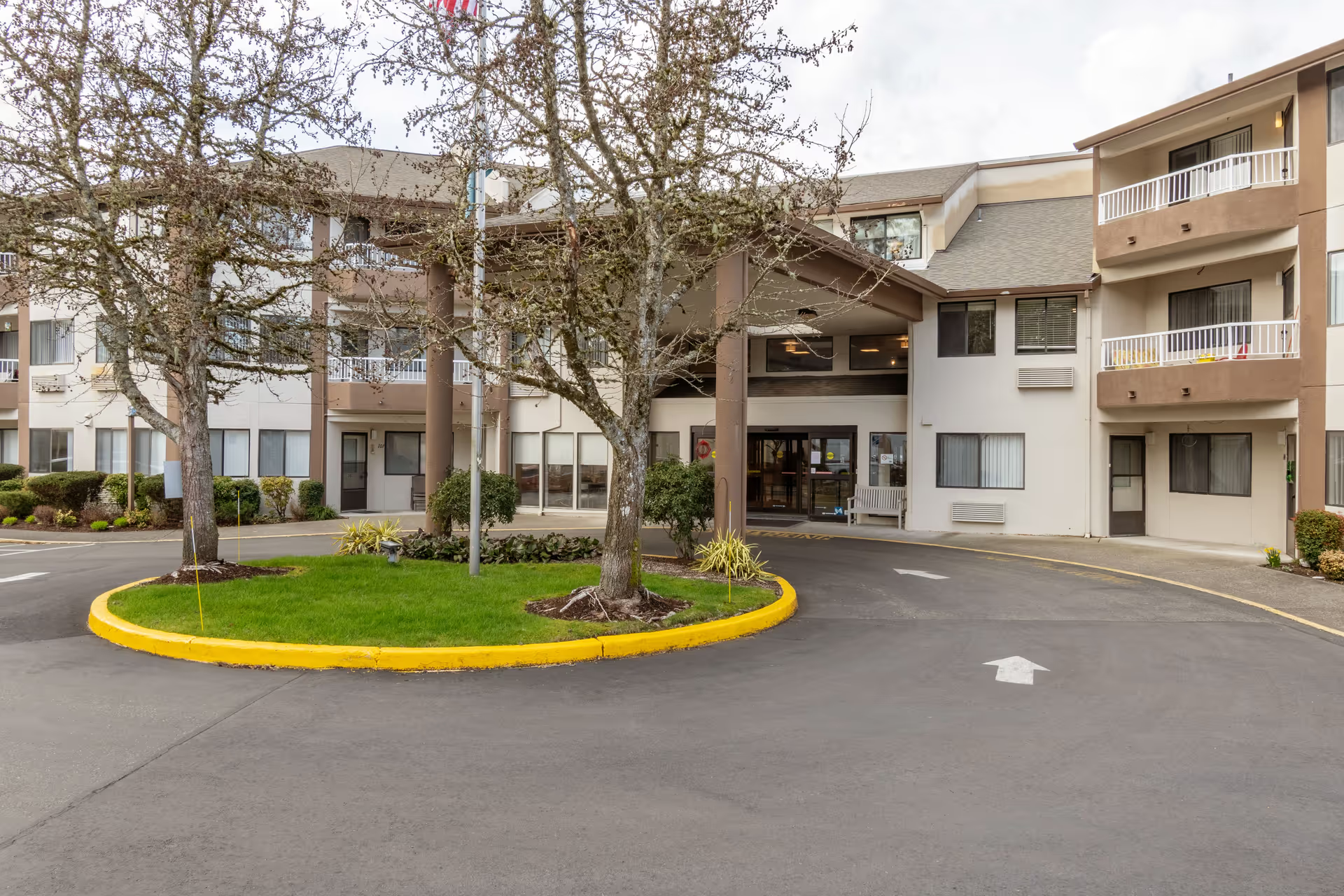
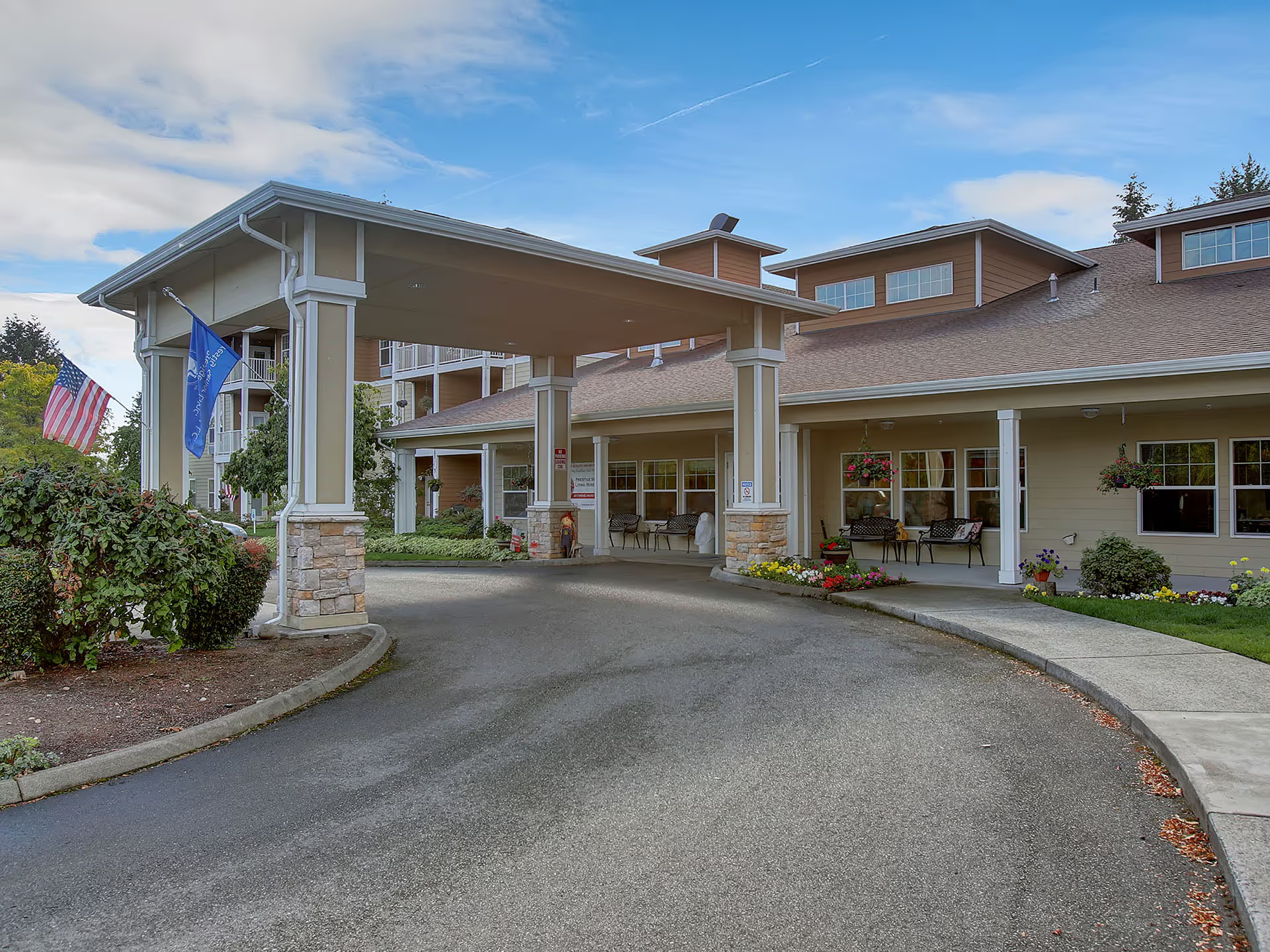
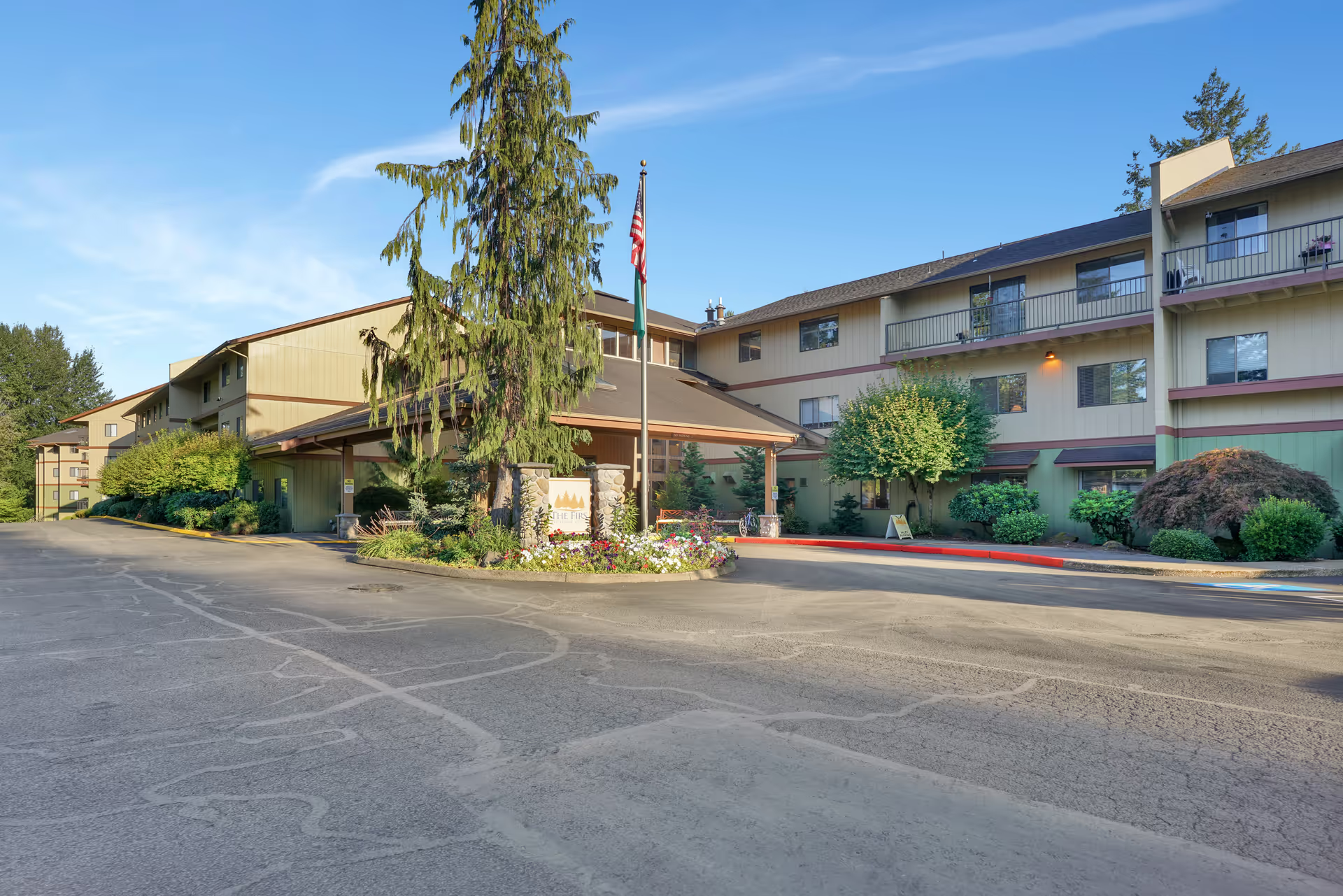
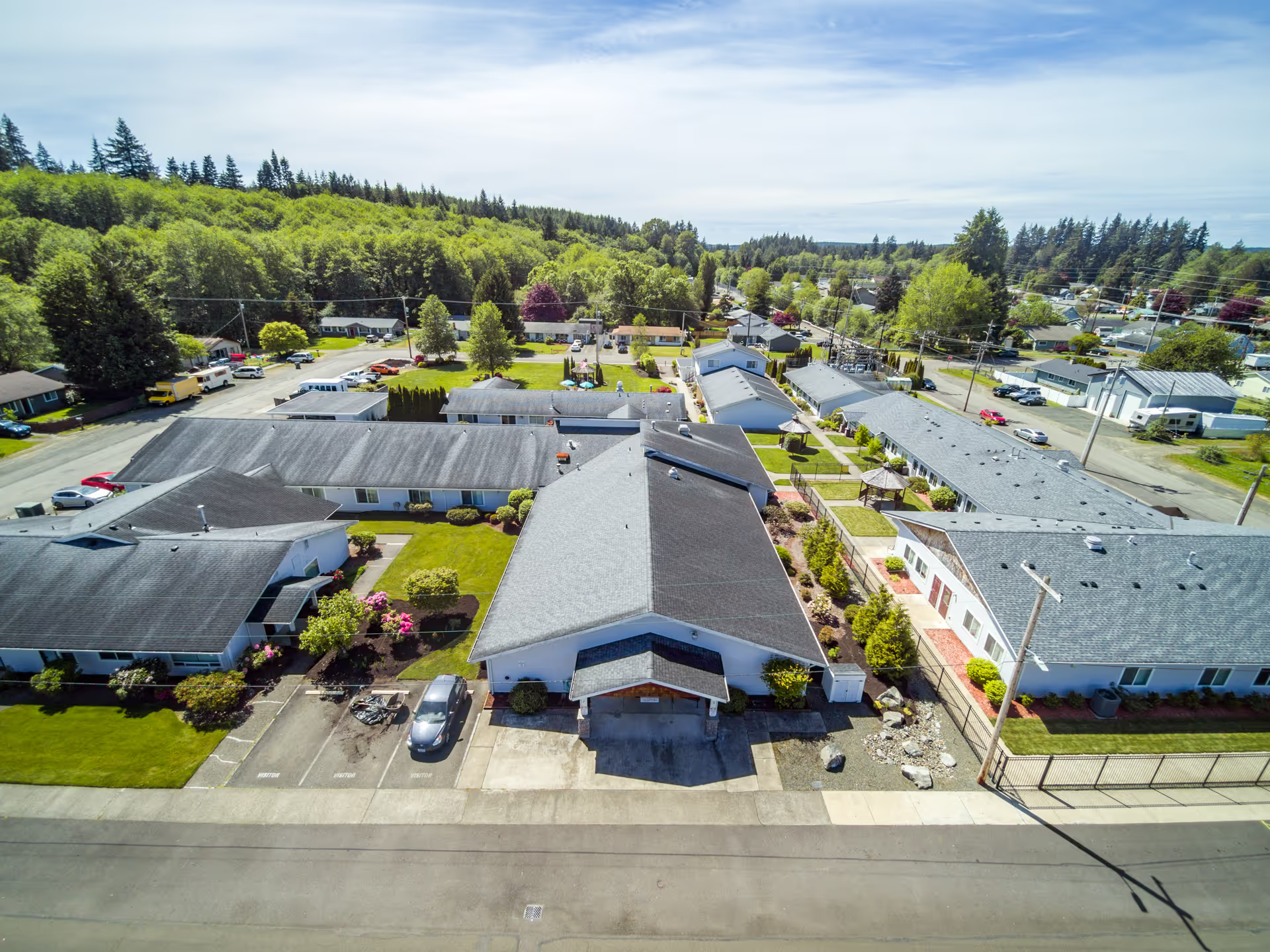
Facilities and infection-control/maintenance: Facility-condition reports are mixed. Many reviewers note clean, well-organized interiors, while others raise concerns about maintenance backlogs and building-system issues—examples include heating/exhaust problems, damp conditions, and moisture-control problems in bathing areas. These conditions are operational issues that can affect sanitation and comfort; they warrant direct inspection and clarification of the facility’s maintenance and remediation plans during a visit.
Management, billing, and operations: Operational concerns include perceived corporate, profit-driven priorities and opaque billing practices—specifically an extra charge for conversion to skilled nursing after rehab—that have frustrated families. There are also mentions of unreliable delivery or service logistics and overcrowding pressures. The facility has a noted history with a state survey in 2018; prospective families should request up-to-date survey results, corrective-action information, and current occupancy levels to understand recent operational performance.
Notable patterns and recommendations for families: The overall pattern in reviews is polarized: several families report excellent, compassionate care and strong communication, while others describe slow responses, maintenance and sanitation concerns in specific areas, and billing or policy frustrations. This variability suggests that experiences may differ by unit, shift, or over time. Prospective residents and families should (1) tour the specific unit where the resident would be placed, (2) ask about current staffing ratios and staff training/turnover, (3) review recent state surveys and corrective actions, (4) inspect bathroom and HVAC conditions, and (5) clarify billing and dietary-accommodation policies in writing. Doing so will help align expectations with current facility operations.