The reviews reflect a strongly mixed picture of clinical and service performance. Many families praised the facility’s rehabilitation capabilities, citing strong physical, occupational, and speech therapy programs and therapists who facilitate measurable recovery. Numerous comments also highlighted compassionate nursing and CNA care, a generally clean environment, and an atmosphere that some residents and families described as home-like and bright. Social programming, engaging activities, supportive social work, and practical services such as transportation were also noted as positives that contributed to shorter-term recovery and better resident morale.
Counterbalancing those strengths are repeated operational concerns that families should weigh carefully. Communication with powers of attorney and families is a frequent issue: reviewers described inconsistent updates, difficulty obtaining medical records and personal belongings, and billing or charge notifications that arrived without prior discussion. Staffing patterns contributed to lapses in responsiveness; families described delays in call responses, inconsistent assistance with mobilization or therapy tasks, and variability in night and weekend physician availability. Those staffing and communication gaps were often tied to inconsistent execution of individualized care plans, particularly rehabilitation schedules and clinical follow-up.
Clinical safety and basic-care consistency emerged as another area of concern. Several reviewers noted problems with wound and infection management, missed or inconsistent bathing and incontinence care routines, and at least a few incidents that families felt reflected gaps in emergency response or equipment checks. These descriptions suggest uneven adherence to monitoring and documentation practices rather than a uniformly applied clinical standard. Related operational issues included delays or confusion around discharge paperwork and coordination, difficulty retrieving belongings, and inconsistencies in medication communication and billing practices.
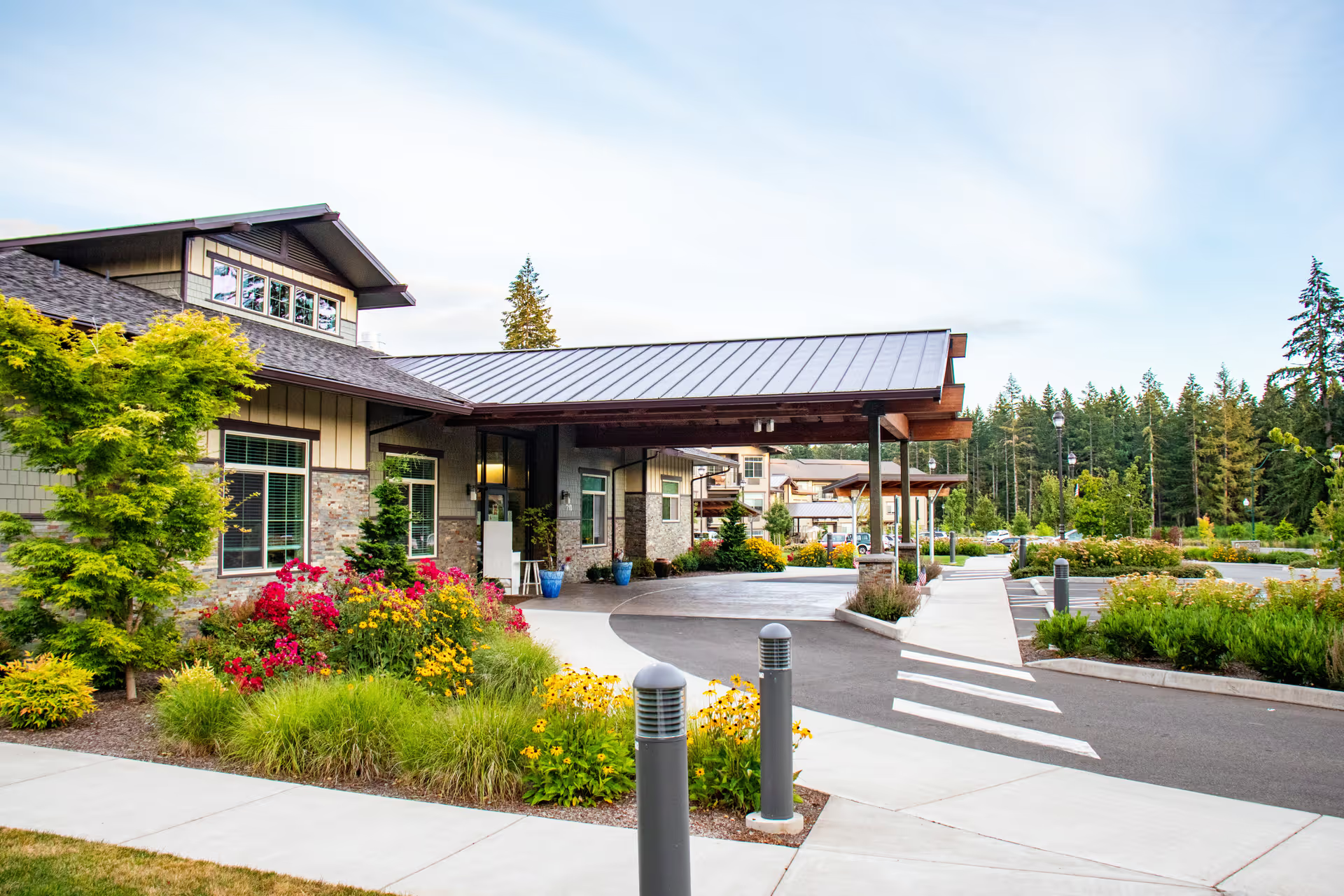
Dining, activities, and physical environment are generally cited as relative strengths: many reviewers described hot meals with choices, tasty offerings from cooks, regular group activities (including specialty items like popcorn Fridays), and clean rooms with attentive housekeeping. That said, meal quality and service continuity were not uniformly consistent across reviews, and some families raised concerns about the dietary options and food preparation on certain days.
Finally, there are occasional references to more serious incidents — for example, emergency transfers and involvement of outside authorities in specific cases — which some reviewers described as prompting further family action. Those items appear episodic but significant when they occur; prospective residents and families may want to ask about the facility’s emergency protocols, staffing ratios, wound-care oversight, and grievance resolution processes. Overall, the facility shows notable clinical and program strengths in therapy and many aspects of daily life, but recurring operational inconsistencies around communication, staffing, clinical follow-through, and administrative processes suggest the need for careful, case-specific evaluation before placement.