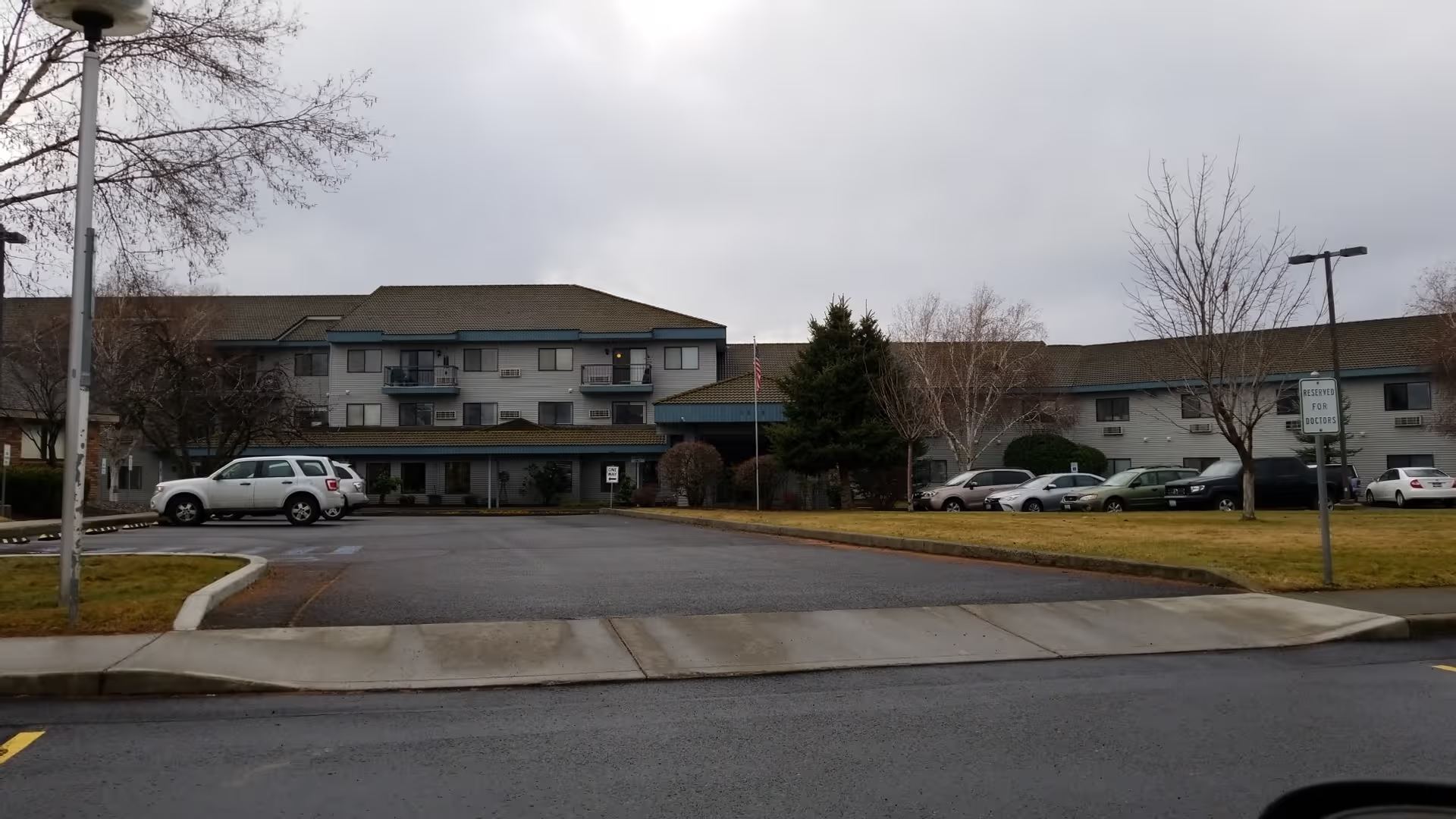
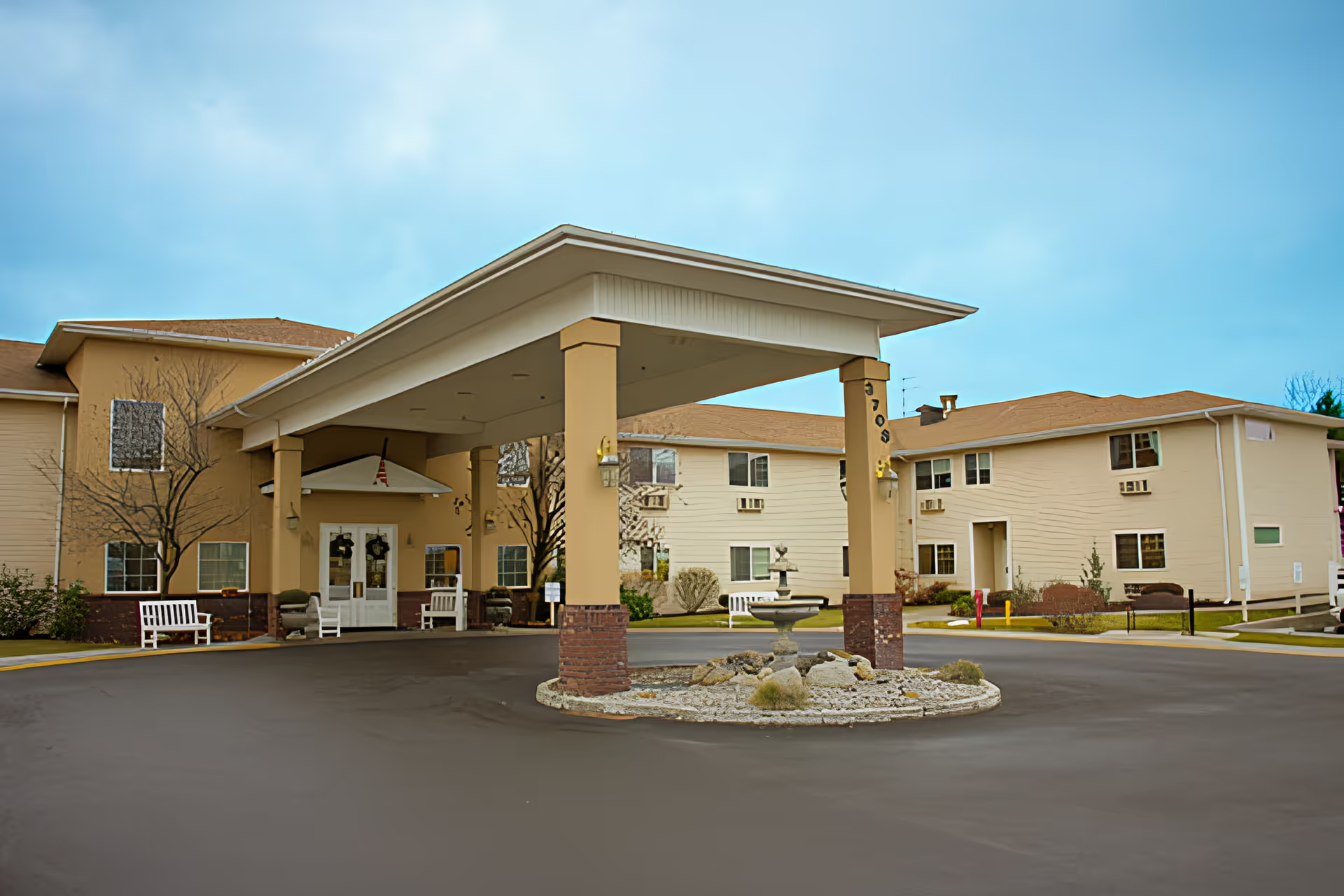
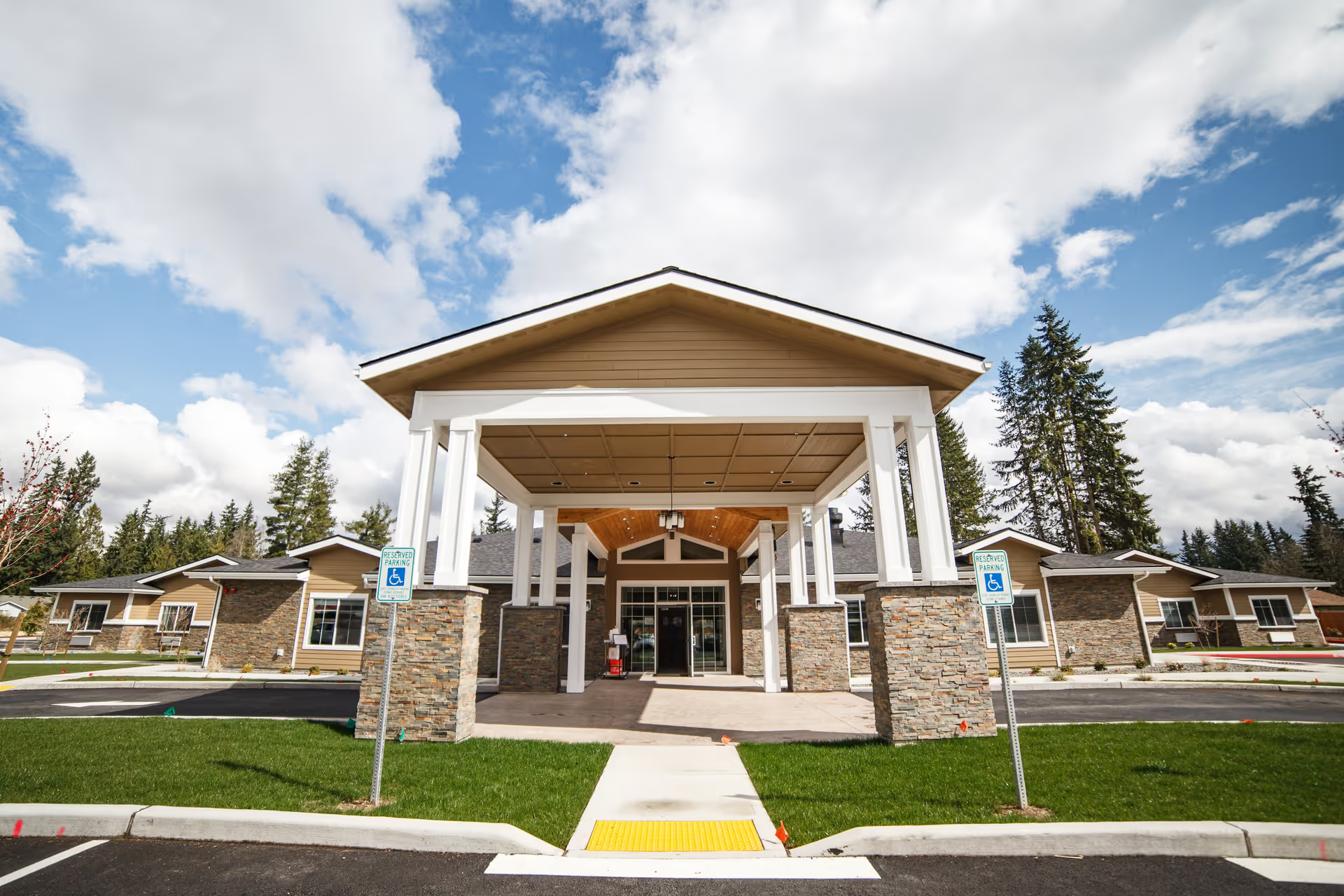
Feedback for Colfax of Cascadia is polarized: a number of accounts describe high-quality hands-on care, strong therapy outcomes and an engaged dietary team, while other accounts raise operational, maintenance and communication concerns. Prospective families should expect a mix of consistently praised frontline caregiving alongside areas where facility-level systems appear inconsistent.
Care quality appears mixed. Several reviewers praise nursing staff and therapists for attentive care and strong rehabilitation results; the Chief Nursing Officer is specifically cited as a positive leadership presence by some accounts. However, there are also substantive concerns about medication-administration timing, long call-button response intervals, and gaps in restorative-care availability. A few reviews include serious claims about coercive discharge practices and problematic staff conduct; these are notable and merit direct inquiry during a tour or intake conversation.
Staffing and communication show contrasting impressions. Many families commend individual staff members for compassion and responsiveness, and some teams are described as accommodating and solution-oriented. At the same time, reviewers indicate understaffing at certain shifts, inconsistent interdepartmental communication, and failures to coordinate with external providers (for example, delays in arranging equipment delivery or notifying home-health agencies). These operational gaps translate into variability in day-to-day experience depending on unit and time of day.
Dining and therapy are frequently cited strengths. The dietary team receives positive mentions for meal service and accommodation, and several comments highlight effective physical and occupational therapy. That said, there are complaints about inaccurate marketing of amenities — for example, an advertised on-site gym or restorative equipment that is not available — and about limited therapy staffing or reduced therapist capacity at times.
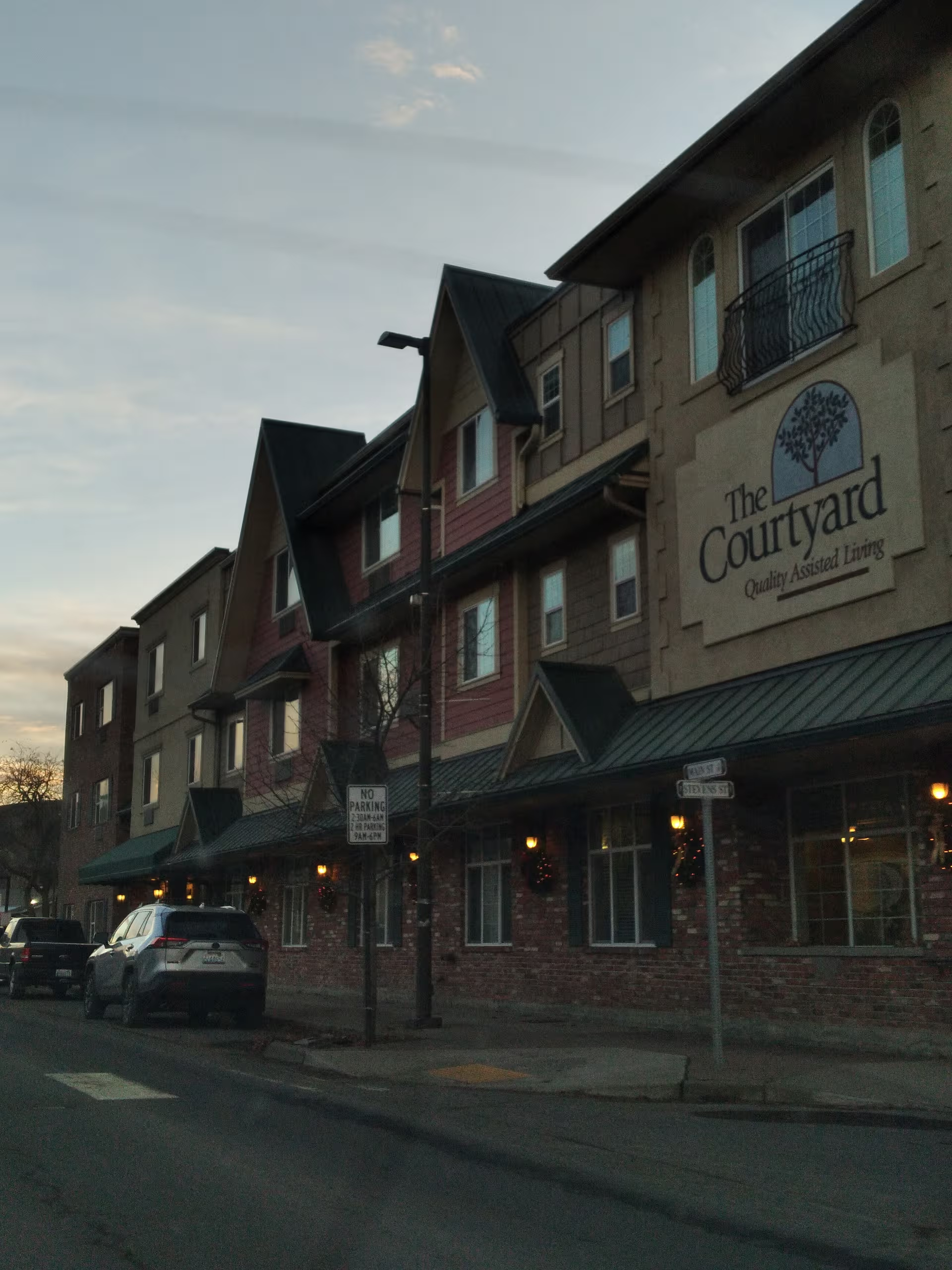
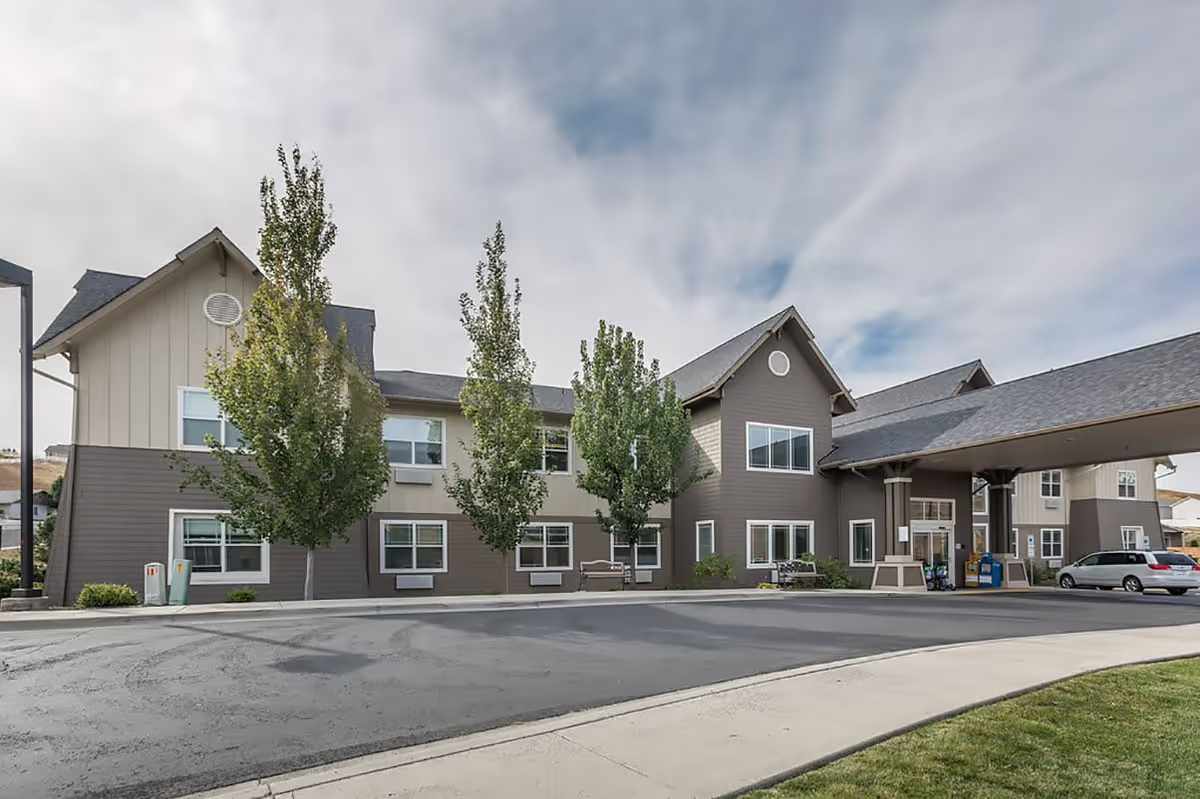
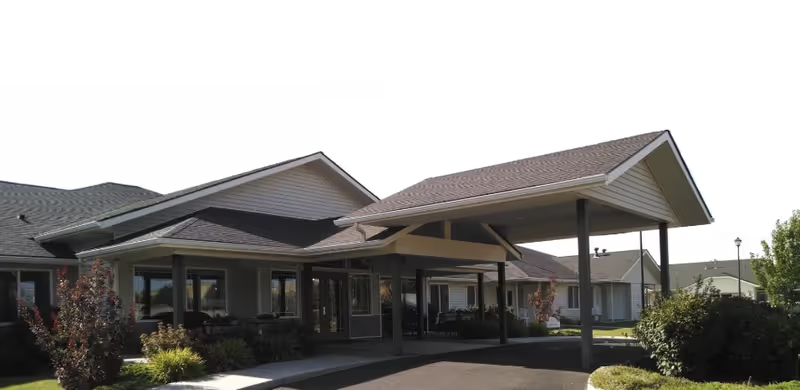
Facility condition and maintenance are areas of concern for some families. While some reviewers describe a clean, odor-controlled environment, others note aging finishes, carpeting deterioration, moisture-related problems, weak shower water pressure and potential hallway water risks. Housekeeping and sanitation appear inconsistent across units or shifts according to reviewers, suggesting the need to confirm cleaning schedules and preventive-maintenance plans.
Management and administrative practices show signs of transition. Several accounts describe positive changes under new management, whereas other feedback points to opaque billing practices, aggressive collections behavior, and unsatisfactory complaint resolution by higher-level administration. Given this variability, prospective residents and families should ask targeted questions about billing policies, grievance procedures, staffing ratios, therapy availability, medication-safety protocols, and recent maintenance work.
Overall pattern: strong individual care providers and clinical leadership are balanced against facility-level operational weaknesses that affect consistency. An in-person visit at multiple times of day, questions about current therapy staffing and medication protocols, and review of recent inspection or quality reports will help families evaluate fit and verify whether recent management changes have addressed the operational concerns reflected in some reviews.