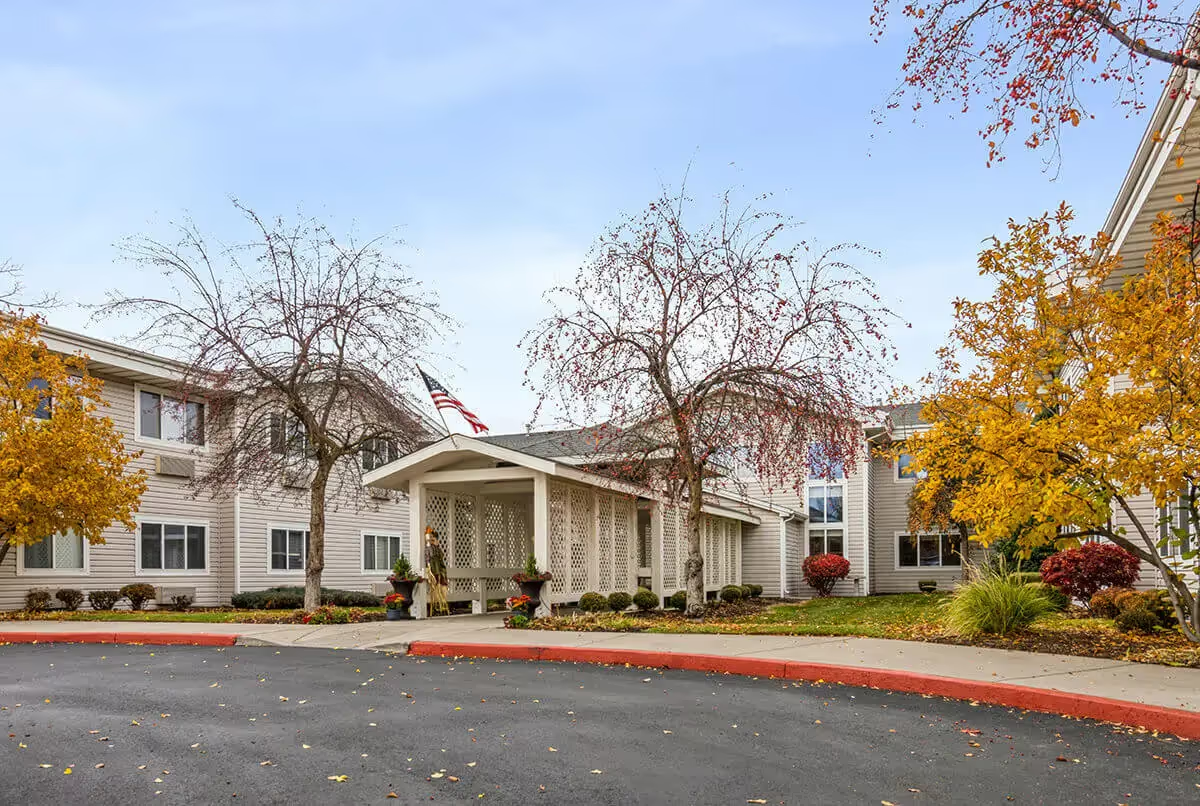
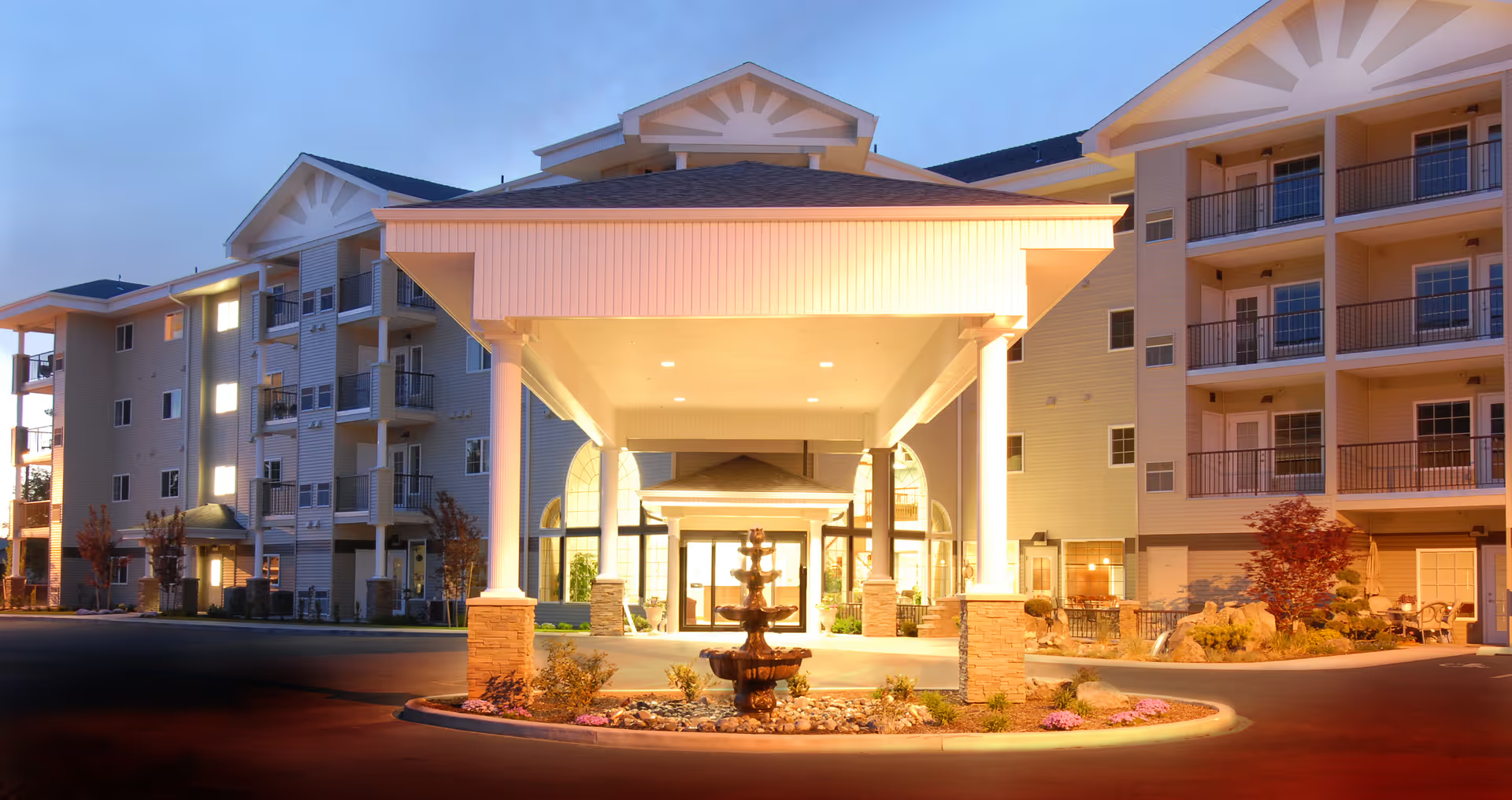
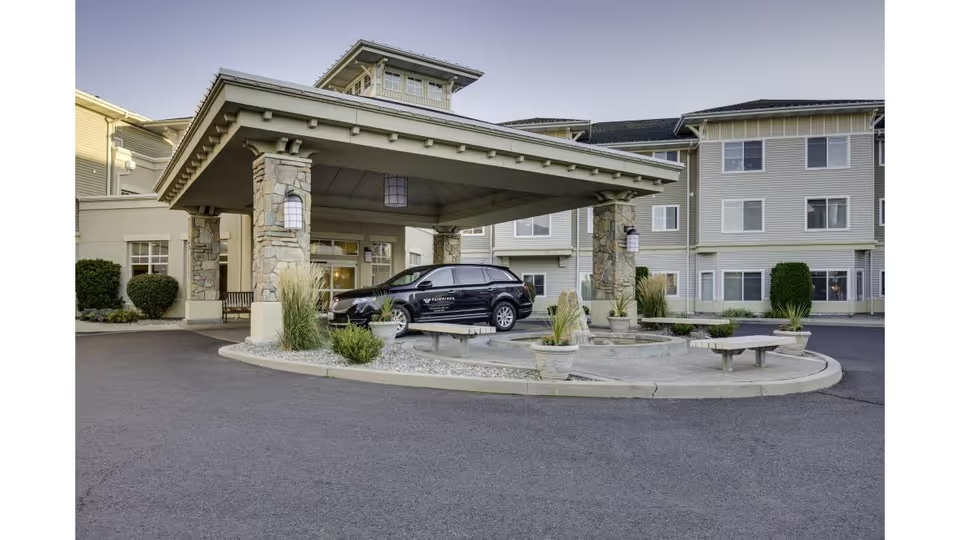
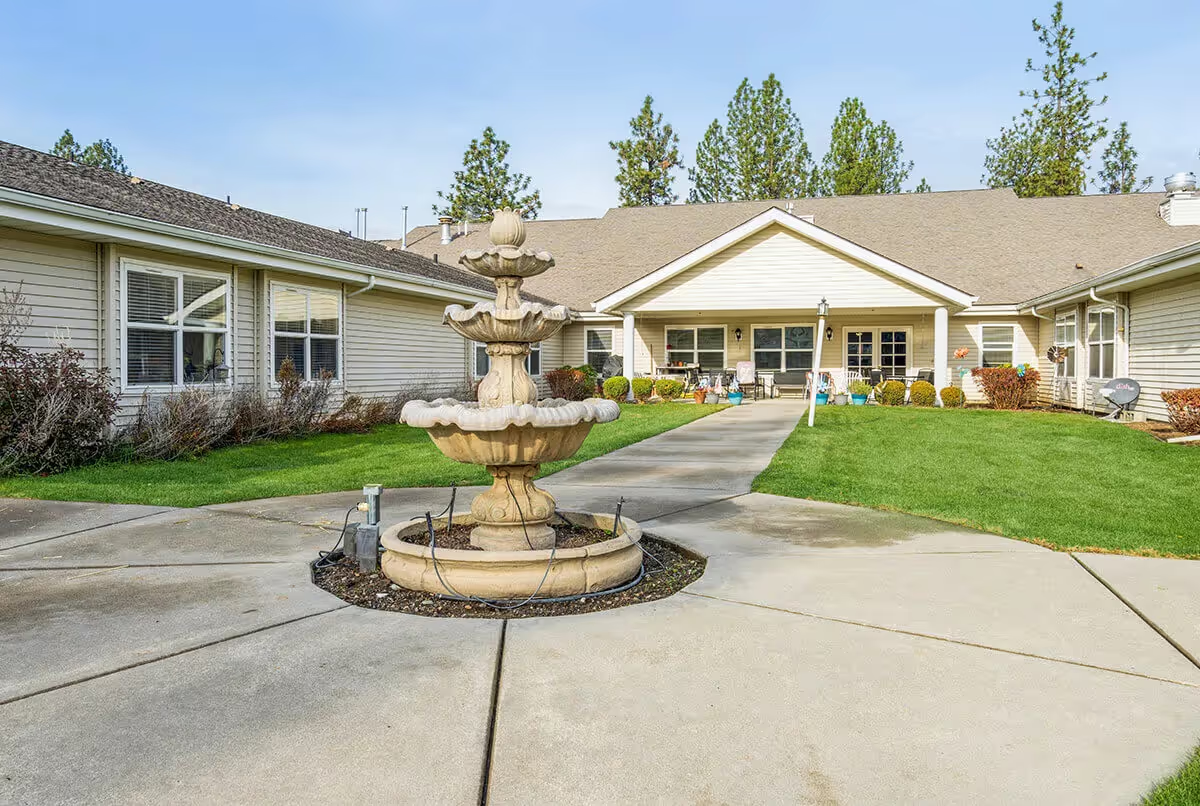
CIEL of Spokane is frequently described as a new, well‑designed memory‑care community with many built‑in amenities and a home‑like feel. The physical environment is a recurring strength: reviewers highlight a clean, attractive building with accessible outdoor areas, a fireplace/ great room, on‑site salons and theater, and single‑room options that support privacy. Housekeeping and sanitation were regularly praised, and the facility’s layout and memory‑care design elements are viewed as supportive for residents with cognitive impairment.
Staff quality and interpersonal culture are among the facility’s most commonly cited positives. Many families describe caregivers and nurses as compassionate, attentive, and relationship‑focused; staff are credited with meaningful engagement, personalized interaction, and going above and beyond routine duties. The community’s dementia expertise and activity leadership earn particular note, with numerous programs such as exercise, arts and crafts, field trips, live music, games, and special events that promote socialization and cognitive stimulation.
Care quality assessments are mixed. While many reviewers report high standards of daily care and close attention, there are recurring operational concerns tied to staffing and clinical oversight. Reviewers indicate periods of staff turnover and variable staffing levels that correlate with inconsistent personal‑care routines and monitoring (for example, gaps in scheduled checks, fall‑risk supervision, and timely assistance). Several families recommend staying actively involved in care planning; documentation practices such as inconsistent use of family information packets and care plans were mentioned as areas needing reinforcement.
Dining and nutrition receive generally favorable comments for taste, presentation, and availability of snacks, and some reviewers appreciate menu options and constant food availability. However, others raised concerns about nutritional oversight and feeding practices for residents who require assistance, suggesting variability in how feeding and special‑diet needs are managed across shifts or units.
Management and administration are described in balanced terms. Administration is often characterized as responsive and willing to implement improvements based on feedback, and leadership receives praise for accessibility and kindness. At the same time, a management transition and the facility’s for‑profit model were associated with staff turnover and questions about long‑term placement stability and cost. Pricing is viewed by some families as relatively high, and reviewers advise clarifying financial terms and potential relocation scenarios if funding changes.
Operational details to confirm during a visit include staffing levels at different times (including weekends), fall‑risk and medication‑side‑effect monitoring protocols, how individualized feeding and nutrition needs are handled, family‑communication expectations and documentation practices, and transportation/ emergency‑transport provisions. In summary, CIEL of Spokane presents many strengths in environment, compassionate staffing, dementia programming, and activities, while exhibiting occasional operational inconsistencies tied mainly to staffing, clinical monitoring, and documentation that prospective families should evaluate and discuss with leadership before placement.