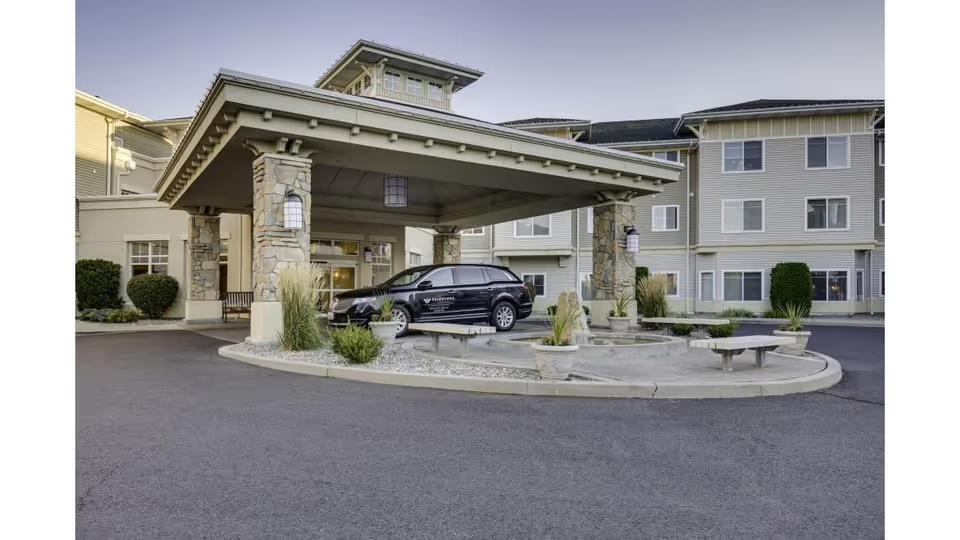
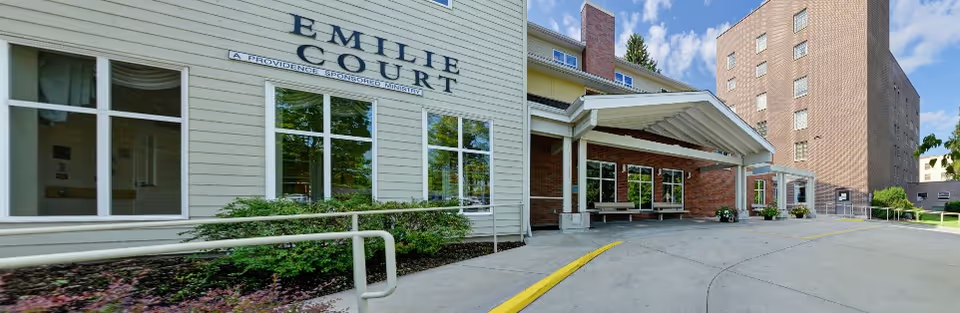
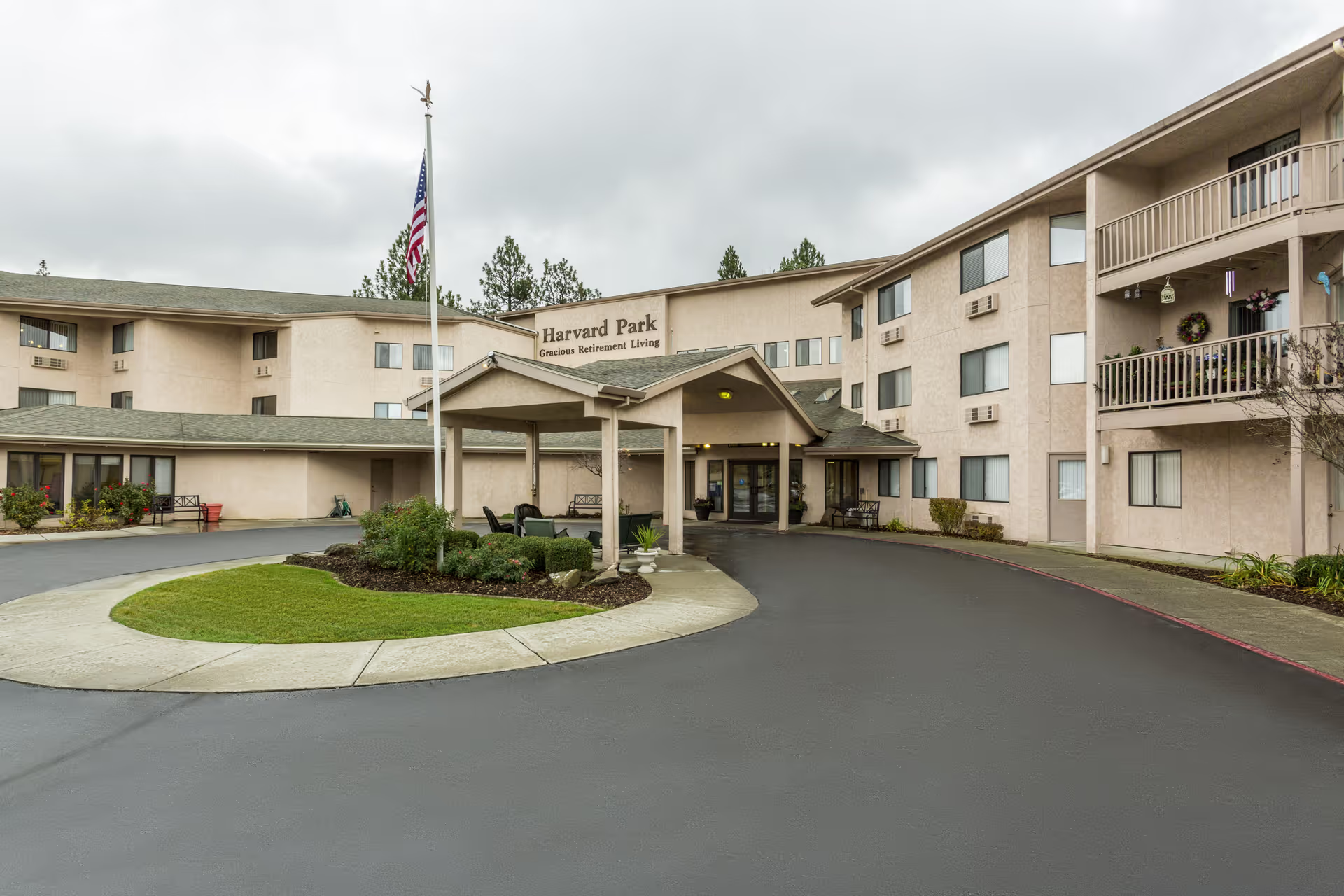
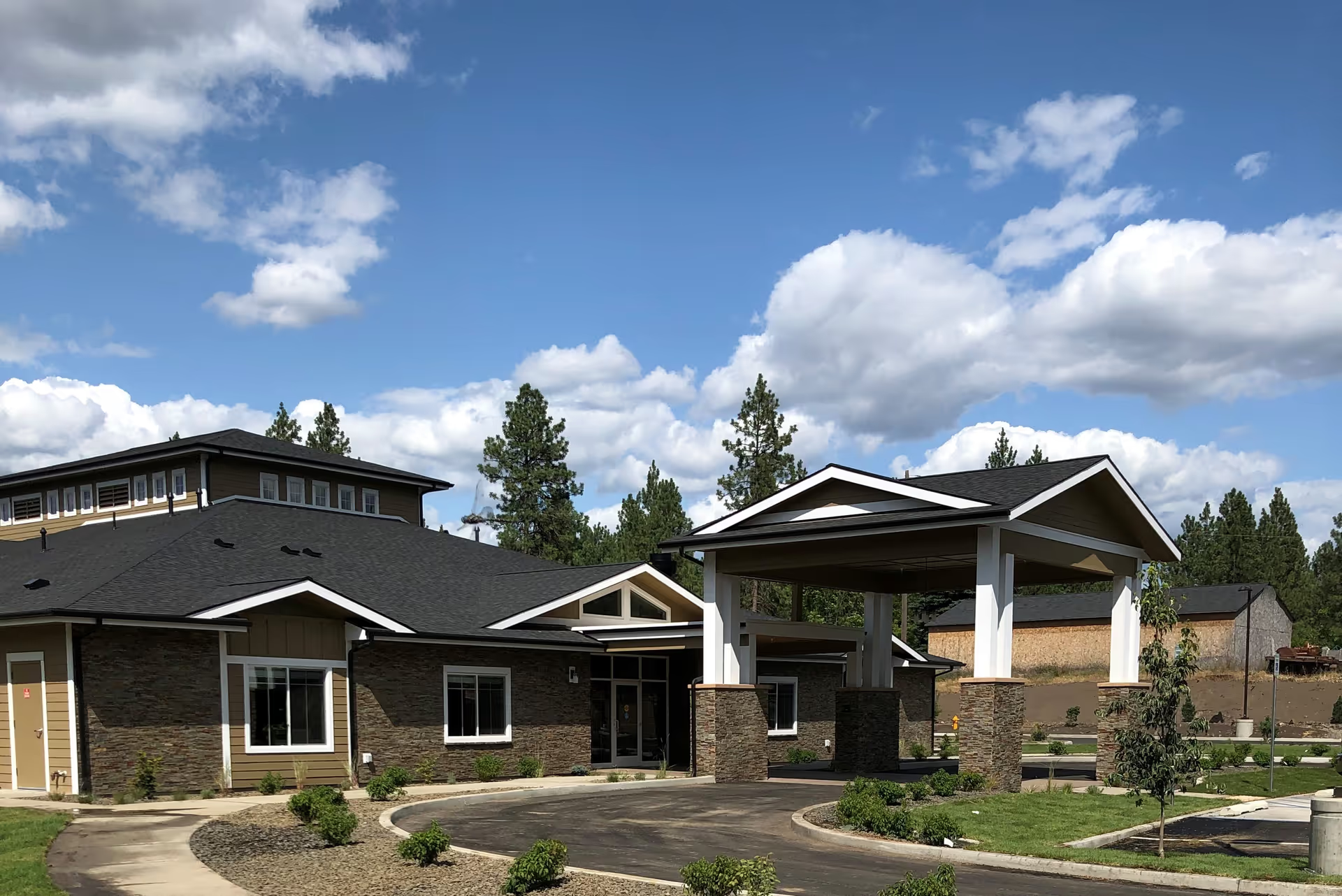
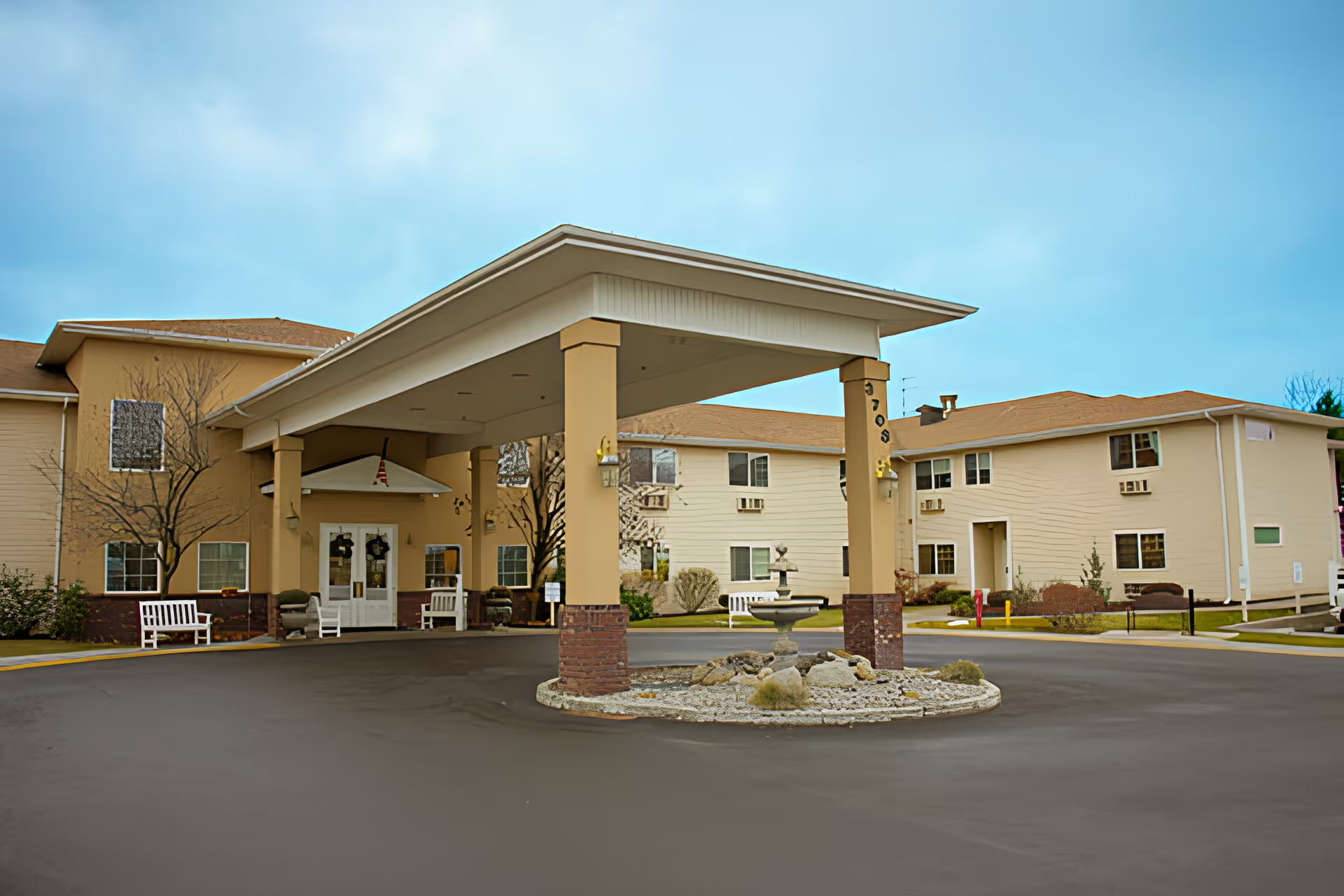
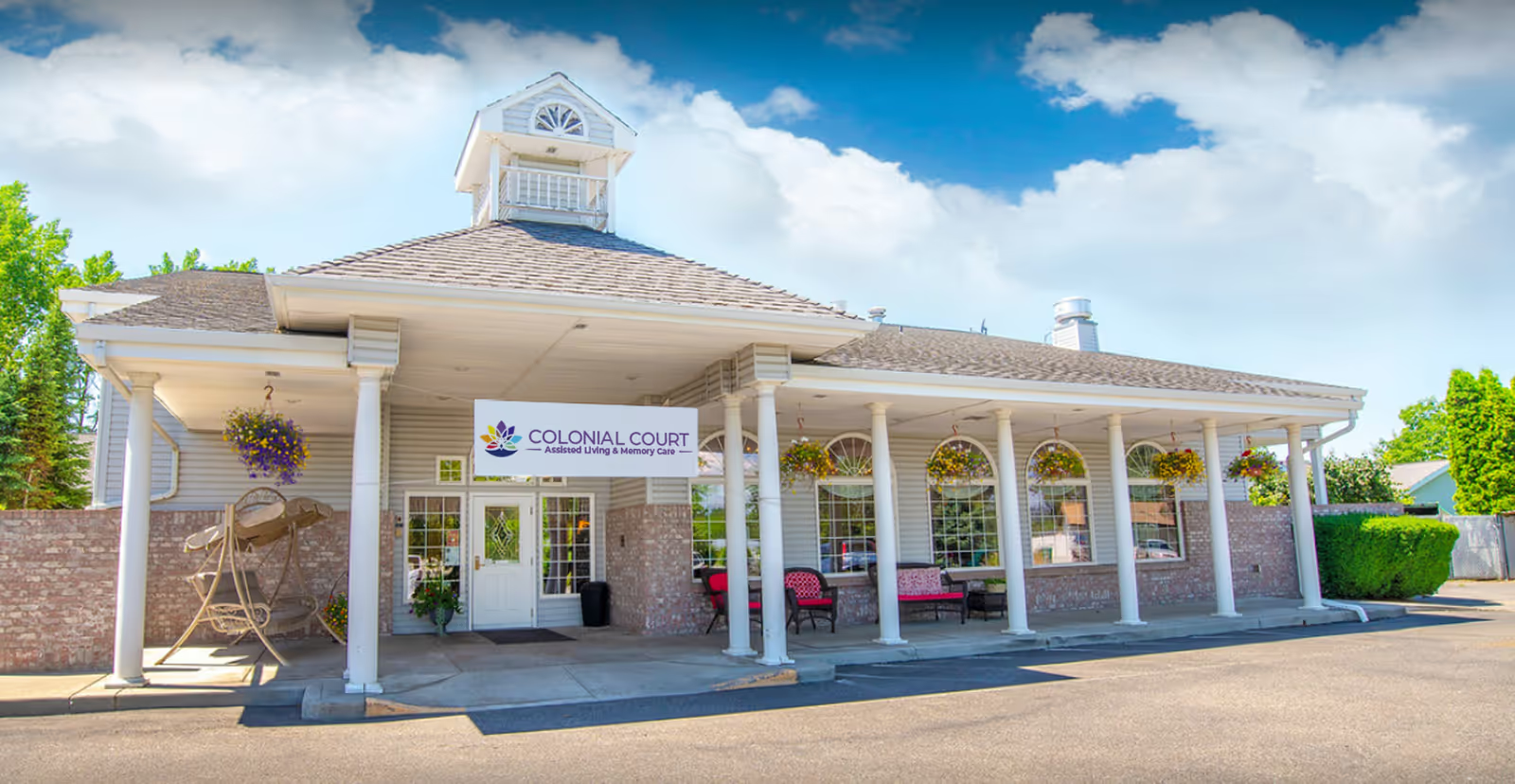
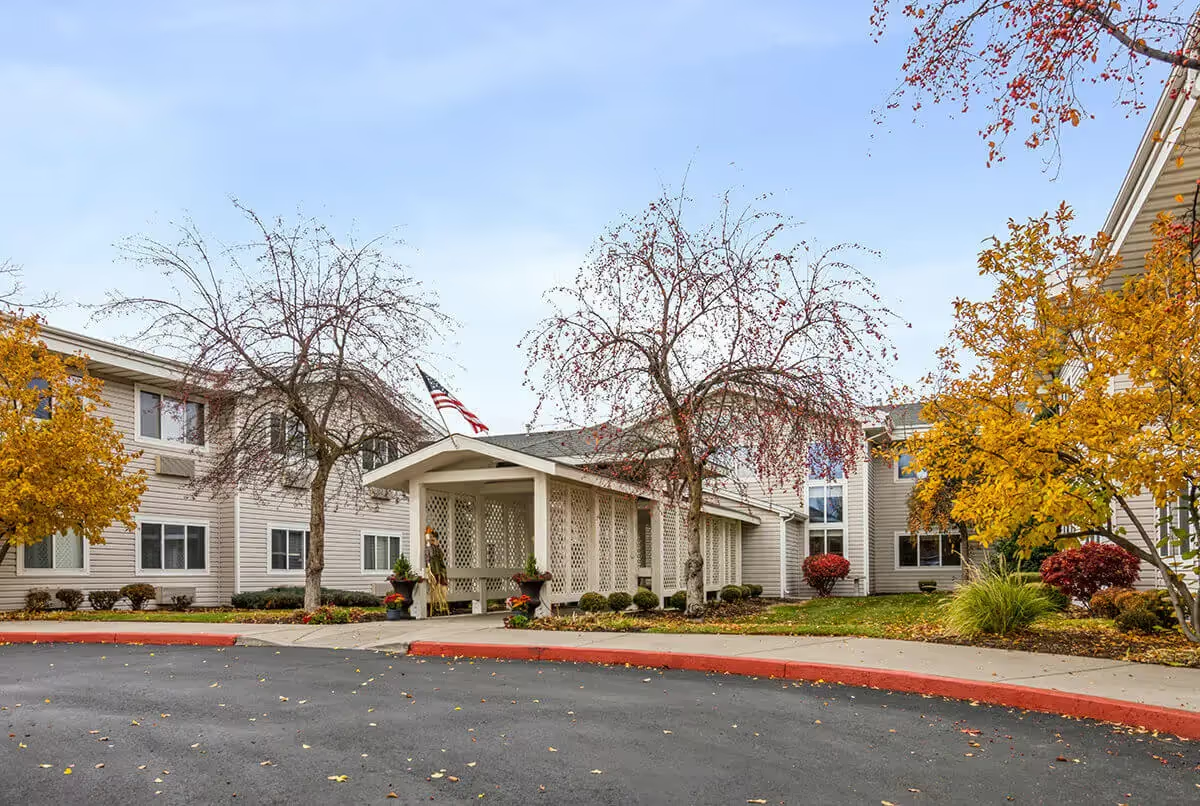
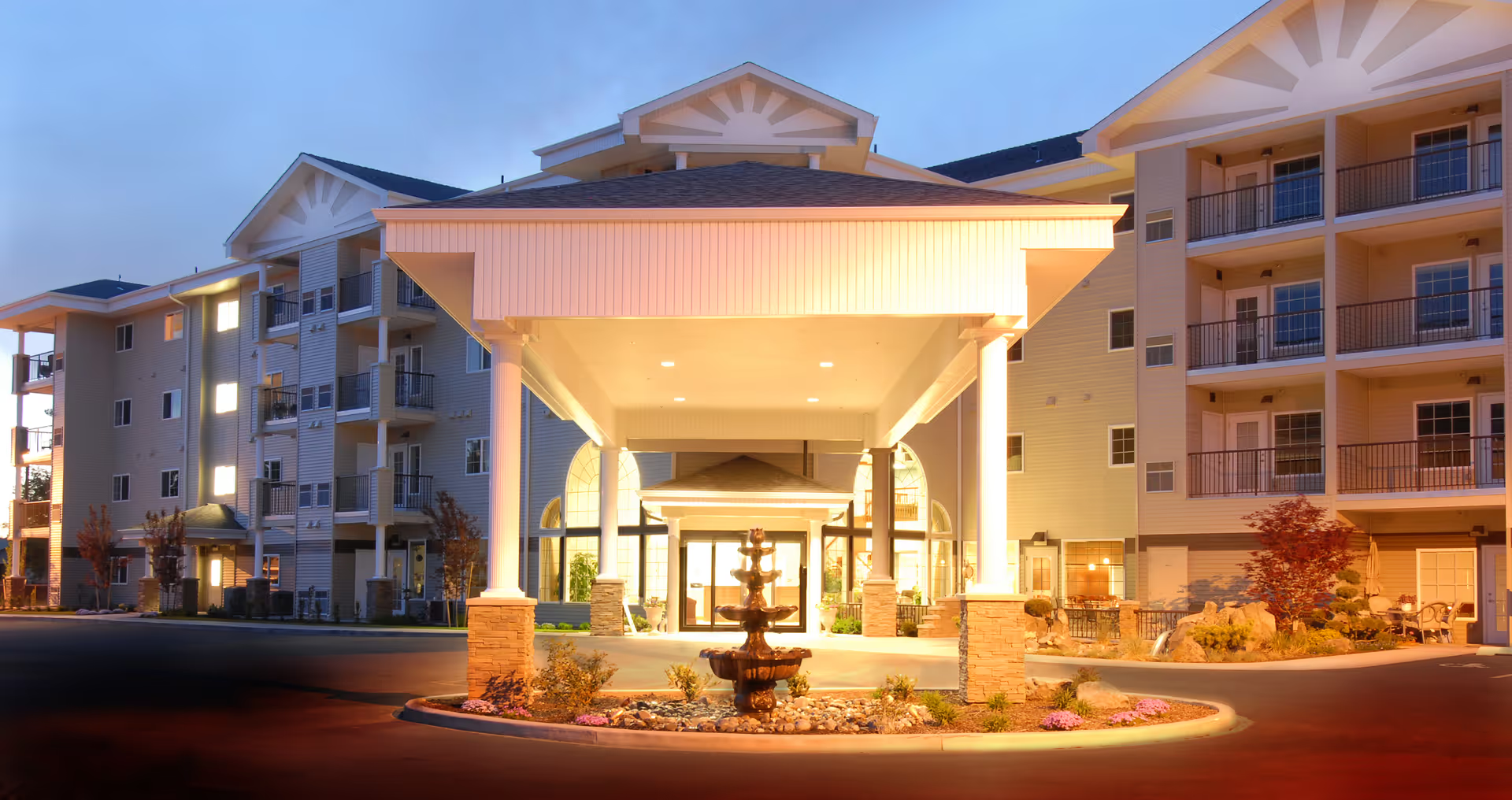
Overall impression: The facility is consistently described as a small, home-like assisted living community with a strong emphasis on compassionate, personalized care. Families frequently highlight attentive day-to-day caregiving, knowledgeable nursing oversight, and an accessible leadership team that participates in resident life. The environment is single-level, well maintained, and designed for ease of mobility, with sunny common areas, an indoor courtyard, outdoor seating and pet-friendly spaces that contribute to a residential feel rather than an institutional one.
Care and staffing: Clinical coordination and individualized care plans are recurring strengths — reviewers mention nurse-manager advocacy, regular Nurse Practitioner visits, 24-hour supervision, and staff who learn residents’ preferences. Staff are commonly described as kind, patient, and proactive, and several accounts note strong support during transitions from hospital or rehab. At the same time, there are operational concerns: families note staff turnover, periodic reliance on agency personnel, and perceptions of caregiver workload that can affect consistency. Some families also described intermittent gaps in family updates and communication about care changes.
Dining and nutrition: Dining is generally viewed positively; comments include appetizing portions, a chef on staff, homemade items (for example, milkshakes), and a balanced menu. Many residents and families appreciate the family dining options and social mealtimes. A few reviewers, however, identified shortcomings in specialized dietary planning — dietetic responses did not fully address certain individual dietary needs for some residents.
Activities and social life: The activities program is a clear strength for many residents. An engaged activities director organizes crafts, games, outings, musical acts, and family events that generate regular social stimulation. The small size supports close-knit participation but can also limit social diversity and the breadth of programming for residents seeking a larger peer group or highly varied activities. Overall, programming emphasizes creative and intergenerational events and fosters visible resident enjoyment.
Facilities and logistics: Physical features are consistently praised: neat, clean common areas, accessible layouts for walkers, pleasant natural light, and maintenance that is responsive. Apartments are generally described as cozy and functional, though some units are noted as compact with limited storage. Additional conveniences include an on-site beauty parlor, shuttle/transport services, and an organized move-in process. A facility-level limitation is the absence of an on-site nursing home level of care or extensive memory-care services, which may make the community unsuitable for residents who require a higher clinical acuity or a full care continuum.
Management and notable patterns: Leadership and front‑line staff receive frequent commendation for hands-on involvement, responsiveness, and advocacy. Families find comfort in the sense of safety and personalized attention; there are multiple accounts of supportive end-of-life care and peace-of-mind outcomes. Conversely, recurring operational issues to consider are limited payment options (no Medicaid acceptance), occasional communication lapses with families, staff turnover/agency staffing, and intermittent gaps in hospice coordination. For prospective residents and families, the community scores well on warmth, cleanliness, and individualized attention, but it is important to verify financial fit, memory-care needs, and current staffing/communication practices during a tour and follow-up conversations.