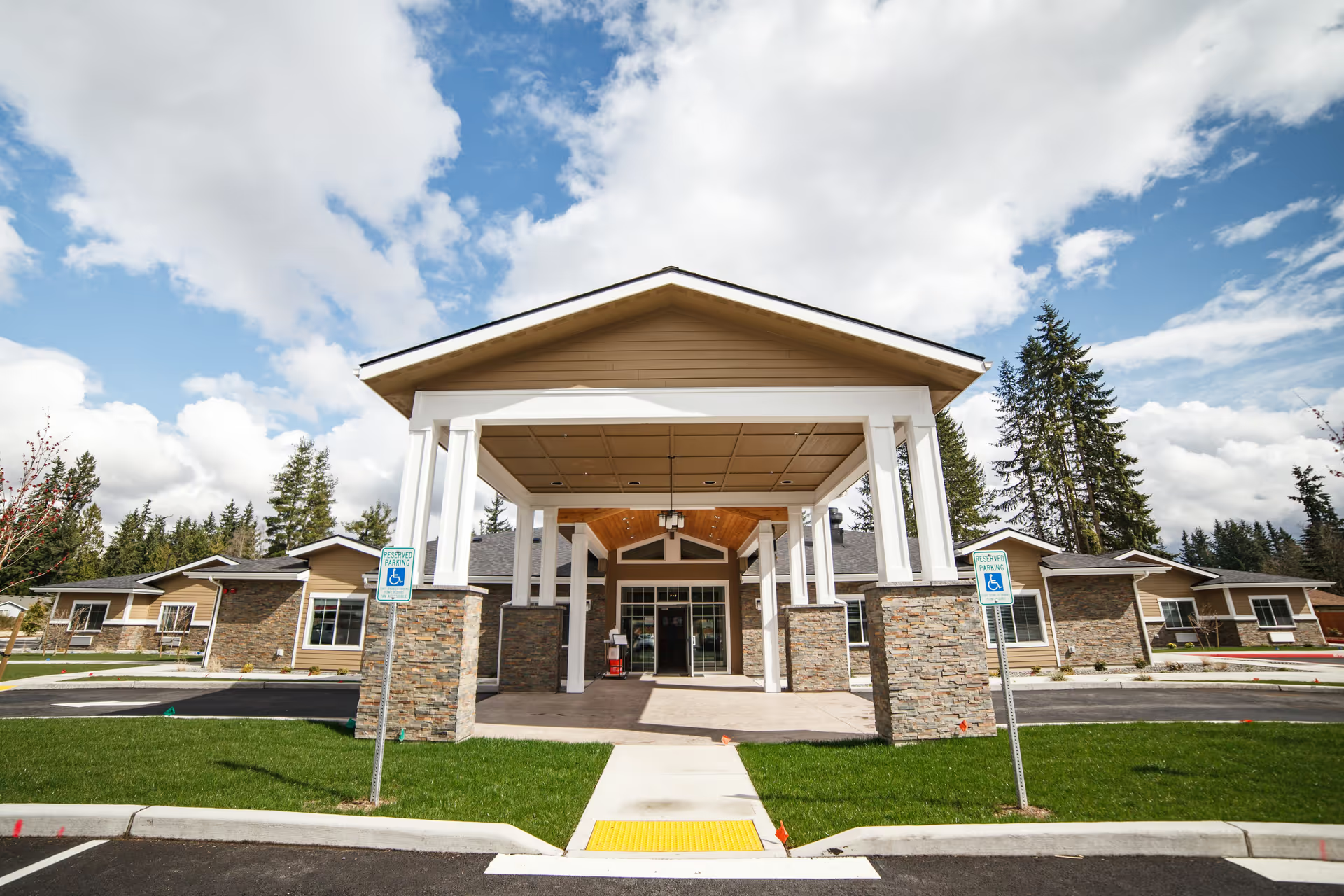
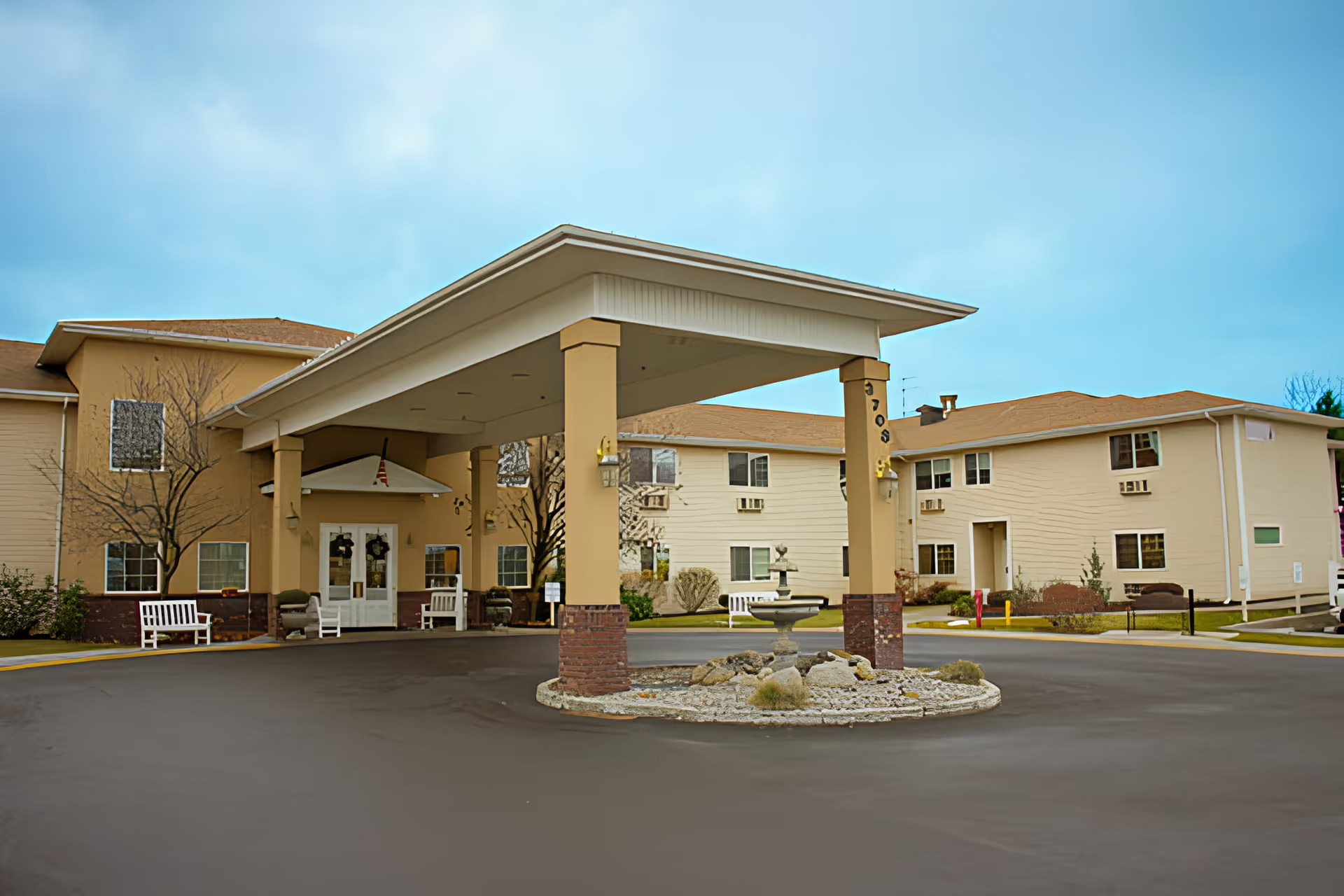
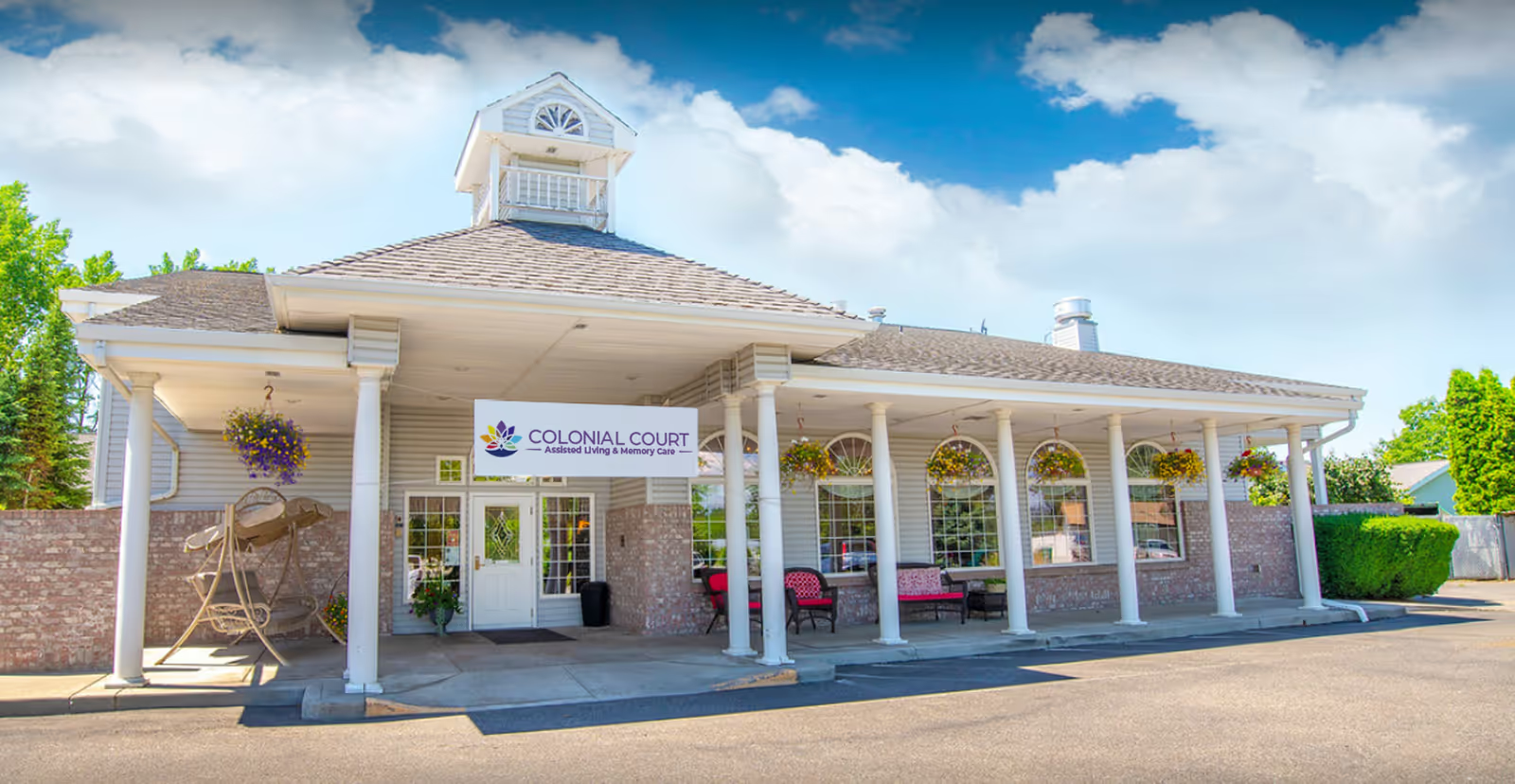
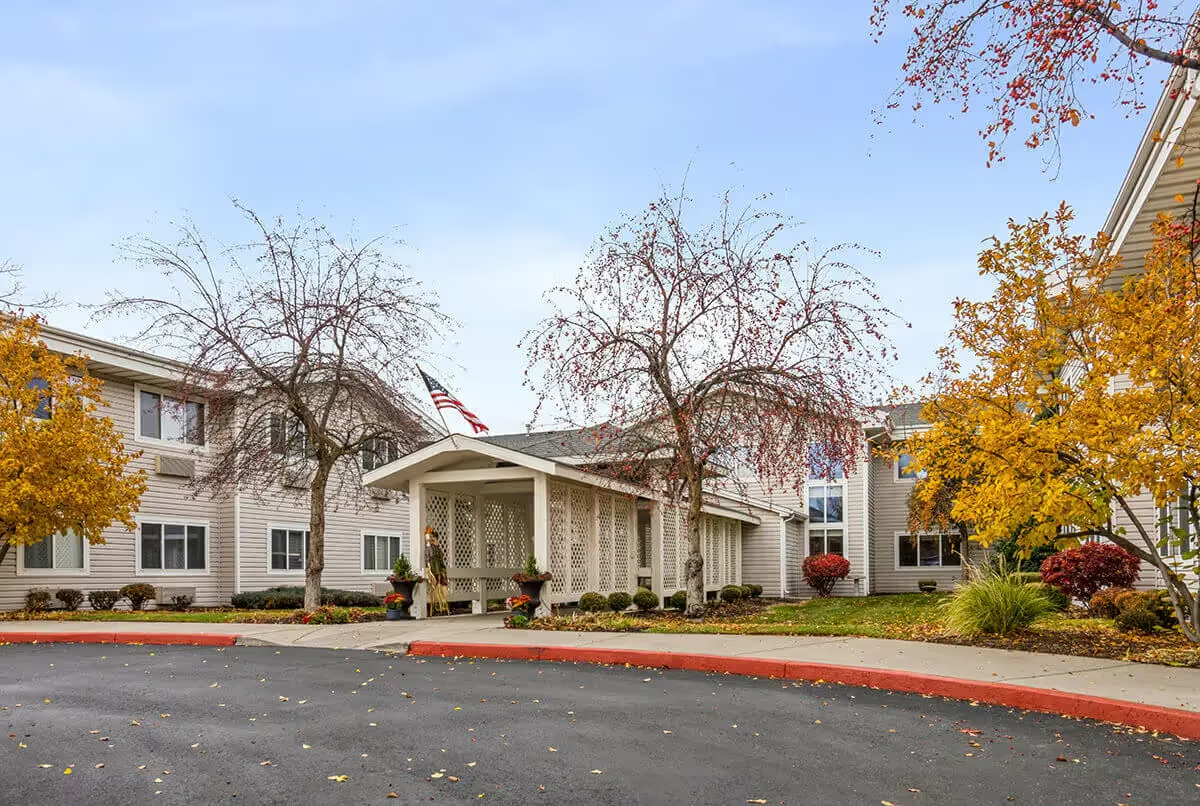
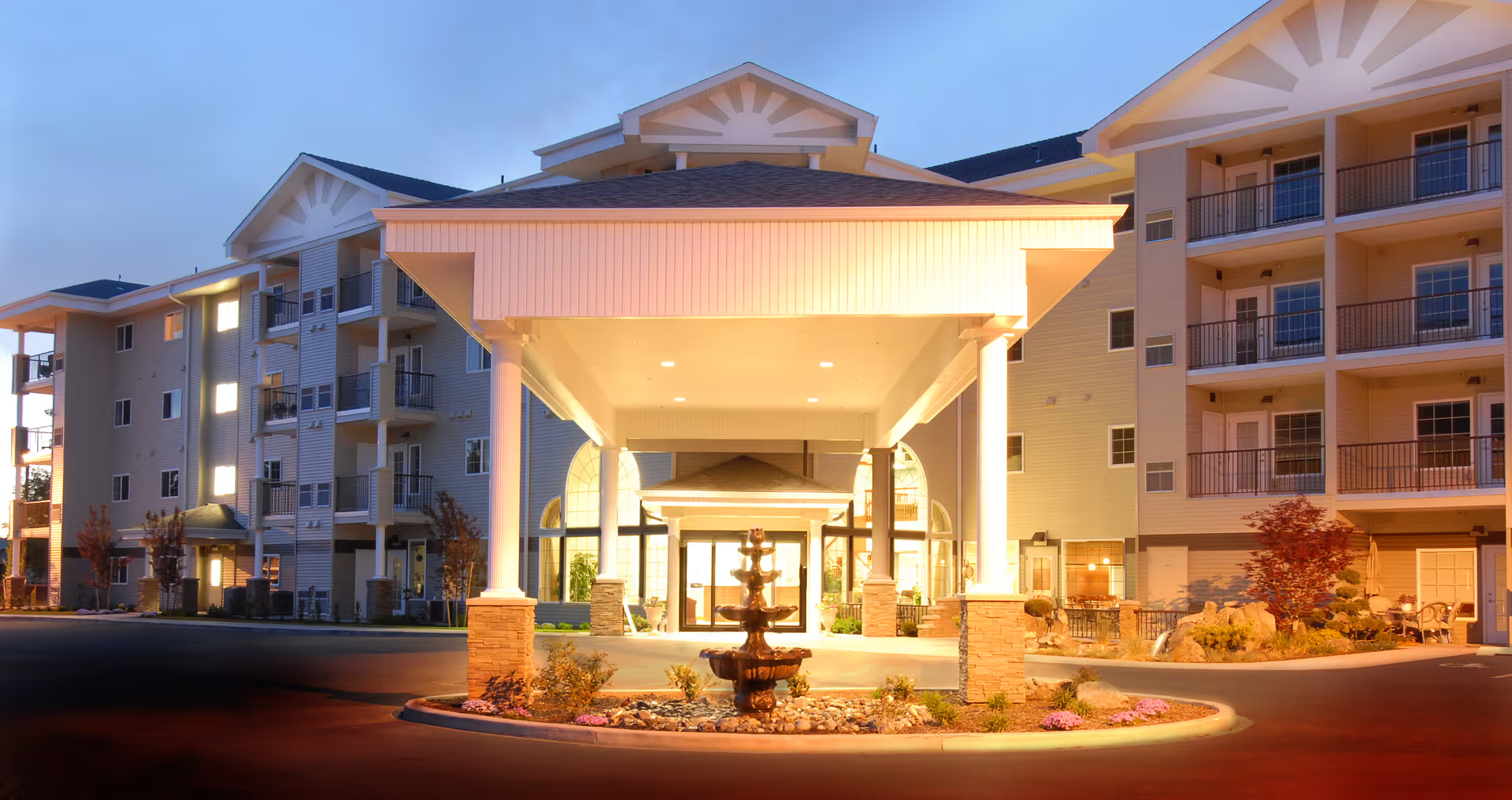
Overall impression: Solista Spokane presents as a well-kept independent-living community with strong strengths in staff engagement, community life, and physical setting. Many reviewers emphasize a welcoming, home-like atmosphere supported by personable and helpful staff, active programming, and pleasant, park-like grounds. Apartments are consistently described as spacious, clean, and updated, and onsite amenities such as a pool, salon, game room, and walking paths contribute to an active lifestyle for residents.
Care and staffing: The facility operates primarily as an independent-living community; clinical or assisted-living services are limited and some residents moved when their care needs increased. Staff are a clear strength in many accounts—staff members and managers are described as responsive, kind, and accessible, and staff efforts around admissions and family communication are frequently praised. At the same time, there are recurring operational concerns: staffing variability and short-staffing are associated with delays in service, and some reviews note staff scheduling gaps and workforce stress. There are also comments about staff compensation and morale that may underlie the variability in service consistency.
Dining: Dining is a polarized area. Several reviewers praise restaurant-style, menu-based dining, an engaged chef, and tasty meals served hot. Conversely, others report inconsistent food quality, small or insufficient portions, cold dishes, and reliance on frozen or less-nutritious items at times. Multiple comments indicate that meal offerings changed after COVID and that breakfast can lack substantial protein options. Overall, dining appears to offer solid strengths but inconsistent execution on service temperature, portioning, and menu healthfulness.
Activities and social life: Activity programming is a clear strength, with numerous references to abundant offerings—Wii bowling, outings, bingo, crafts, exercise classes, and regular entertainment. Activities staff and directors are often singled out as engaged and effective at creating social opportunities. An active ambassador program and frequent notices/newsletters help integrate new residents. A small number of comments point to occasional disorganization in activities or a desire for even more varied options.
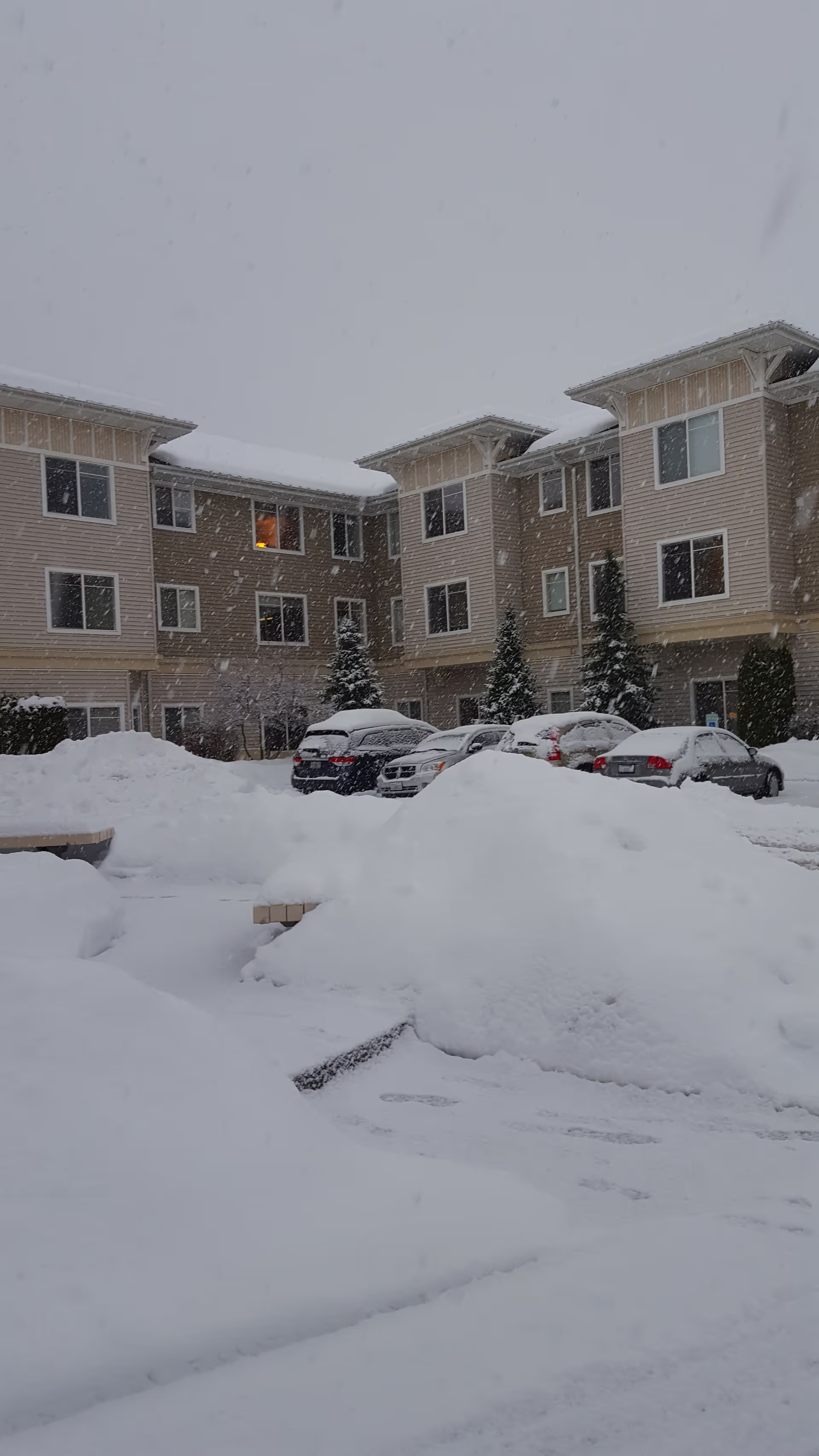
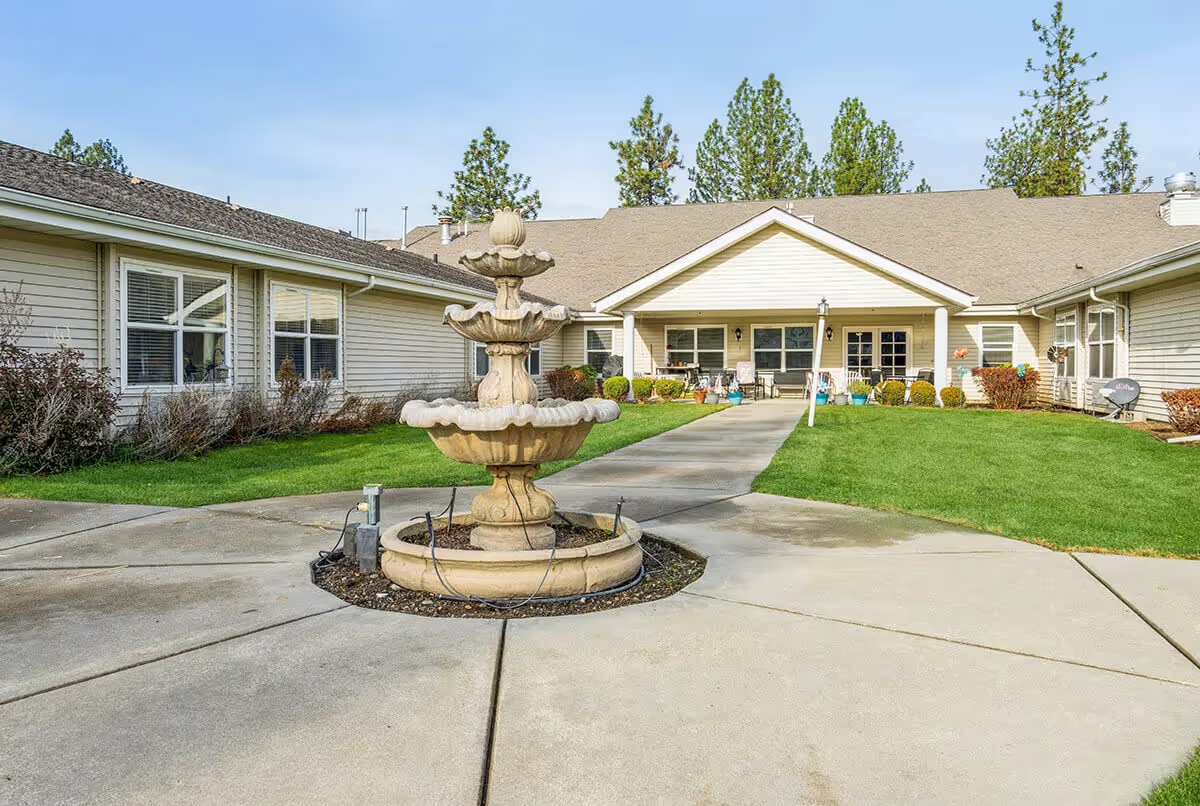
Facilities and maintenance: The property’s grounds and common spaces receive positive notes for landscaping, walking paths, and outdoor seating. Apartments are generally described as clean, modern, and accessible, with useful features such as grab bars and walk-in showers. However, maintenance and groundskeeping consistency is a theme: exterior areas including landscaping and lighting have been described as neglected at times, and ongoing remodeling has produced noise and disruption for residents. Several accounts identify workmanship issues from recent projects (e.g., carpeting installation) and thin walls that affect privacy and noise control.
Management and operations: Communication is mixed—many reviewers praise communication between managers and residents and the transparent admission process, while others cite gaps in day-to-day communication among residents and between staff shifts. Operational promises (weekly housekeeping, three meals per day, guaranteed transportation) have reportedly been fulfilled inconsistently for some residents, suggesting variability in service delivery. Additional operational concerns include changes to guest-meal policies and fees, annual rent increases, and limits on clinical care availability. There is also a recurring theme that the community’s cultural or religious programming can feel prominent to some residents, affecting perceptions of inclusivity.
Notable patterns and recommendations: The dominant positive pattern is strong, compassionate staff and a lively community with many amenities and activities. The main operational weaknesses cluster around service consistency—especially dining, housekeeping, and transportation—and around disruptions from renovation work and variable maintenance. Prospective residents and families should weigh the strong community and staff engagement against these operational variabilities and confirm, in writing, specifics about housekeeping frequency, transportation schedules, meal policies (including guest fees and portion expectations), and the community’s capacity to support higher-care needs if those are likely to emerge. A site visit during a typical meal service and a conversation about recent renovation timelines may help assess current conditions and consistency of service delivery.