Overall impression Aegis of Edmonds is generally described as a caring, activity‑focused assisted living and memory care community with strong, compassionate caregiving and an emphasis on personalized attention. Families repeatedly praise direct care staff, memory‑care programming, renovated common spaces (including a bistro), and a restaurant‑style dining model. The community’s location near Swedish Hospital and primary care providers, on‑site transportation, and ample parking are practical conveniences cited by many families.
Care and staff Care quality is frequently characterized as high: staff are described as friendly, attentive, and invested in residents’ wellbeing. Memory care is a particular strength, with creative approaches to dementia care, rigorous pandemic safety practices, and staff who know residents by name. Executive leadership and specific directors receive positive mention for responsiveness and family communication in many cases. At the same time, there is a clear pattern of operational strain: inconsistent staffing levels, turnover, and periodic management transitions create variability in day‑to‑day consistency. Reviewers also raised concerns about responsiveness on occasion, variable timing of health checks and medication administration, and the need to confirm supervision protocols for residents at risk of wandering.
Dining Dining at the community is generally regarded as a positive aspect — restaurant‑style service, three meals a day, special meals, and pleasant dining rooms are cited. However, the food experience is inconsistent: some families describe good taste and variety while others mention cold or congealed entrees, limited daily variety, and service omissions (e.g., missing requested items or condiments). A few reviewers also noted strict meal‑time policies and a desire for more flexible dining options or more frequent off‑site dining/excursions.
Activities and engagement Activity programming is a strong point. The community offers a broad range of options including live music, bus outings, bingo, Garden Club, creative arts, and social events that encourage participation and social connection. Staff involvement in programming and family‑inclusive activities contribute to a family‑like atmosphere and perceived improvements in resident mood and mobility for some residents.
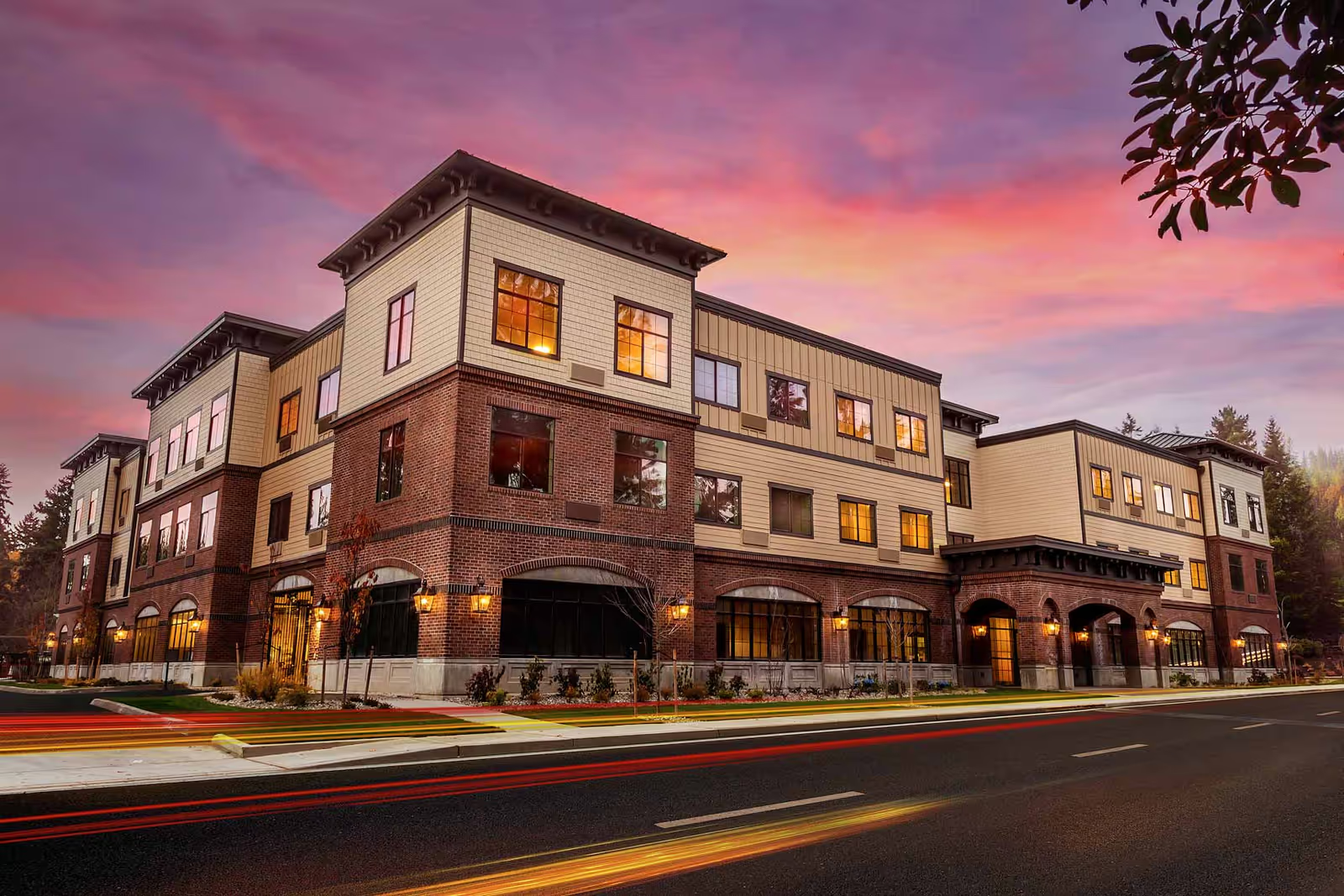
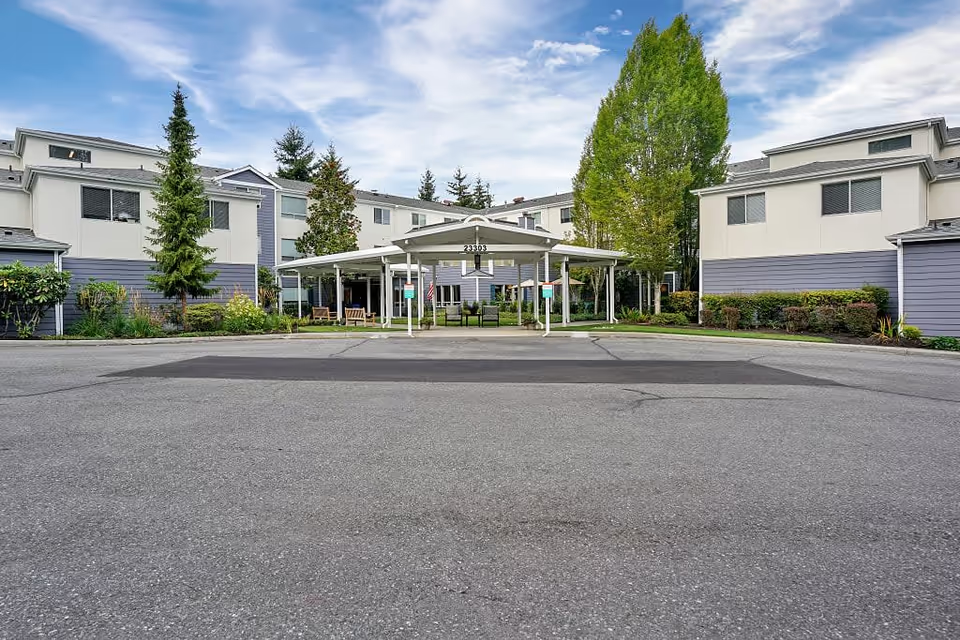
Facilities and accessibility Facilities are described as clean and generally well maintained, with recently renovated areas such as the entrance and bistro. Apartment layouts are often praised for size, closet/storage space, and balconies. That said, physical accessibility is uneven: narrow doorways and corridors were called out as obstacles for some wheelchairs and walkers, and certain parts of the building are described as older or darker. Navigation in a multi‑story layout and elevator placement can be confusing for visitors. Unit availability and configuration are also limited at times (e.g., few two‑bedroom options), so prospective residents should verify floor plans and accessibility before committing.
Management, operations, and cost Leadership receives both praise and criticism. Several families describe prompt, helpful directors and smooth move‑in support (including furnished rental options and quick room setup). Others describe communication gaps around rate increases, construction schedules, and occasional miscommunications when managers are covering multiple roles. Ongoing construction has created disruption for some moves and visits. Pricing is considered above average by some families, with mention of high one‑time fees; prospective residents should review fee structures carefully.
Notable patterns and practical advice The dominant positive pattern is a professional, compassionate caregiving culture with strong engagement and memory‑care capability that gives many families peace of mind. The dominant cautionary patterns are operational: staffing variability, communication gaps with administration, inconsistent meal service, and accessibility limitations. Prospective families should (1) tour multiple unit types to check doorway/circulation dimensions and lighting, (2) discuss staffing levels and supervision practices for residents with wandering risk, (3) sample a meal or inquire about typical food service temperature and substitutions, and (4) review contract fees and any planned construction timelines. Those priorities will help align expectations with the community’s strengths and operational constraints.