Overall impression: Reviewers describe a community with strong interpersonal strengths but notable operational inconsistencies. Many highlight the quality of direct care and the friendliness of staff at point of contact — caregivers, front-desk personnel, and wellness coordinators are repeatedly characterized as attentive and compassionate. The facility’s activity program, outdoor spaces, fitness center, and larger apartment layouts are also cited as meaningful contributors to resident wellbeing and social engagement.
Care and staffing: Caregiving staff are generally seen as caring and engaged, with specific praise for wellness coordination and communication with physicians. At the same time, reviewers describe recurring staffing and responsiveness problems: delays in follow-up, slow or missed calls, and service interruptions when key staff (for example, kitchen staff) are unavailable. There are also concerns about medication-administration processes and other clinical documentation or follow-up gaps. Additionally, some accounts indicate uncertainty about appropriate placement between independent and assisted care levels, suggesting a need for clearer placement and admission processes.
Dining: Dining experiences are mixed. Several reviewers praised periods of high-quality meals and an originally strong culinary team, along with amenities such as a salad bar and special-diet offerings. Other reviewers report recent decline in consistency and continuity of food service — cold meals, variability in quality depending on staffing, and longer waits. Requests for more vegetable options and improved meal timing were common. These comments point to a dining program that can perform well but appears vulnerable to staffing turnover and scheduling disruptions.
Activities and community life: The community offers a broad activity schedule — fitness classes, bingo, outings, volunteer-linked programs, and an active fitness director were all noted positively. These programs appear to foster social connection and purposeful engagement for many residents. Reviewers also indicate uneven resident participation and some timing/scheduling issues; the effectiveness of the activity program may depend on resident interest and operational follow-through.
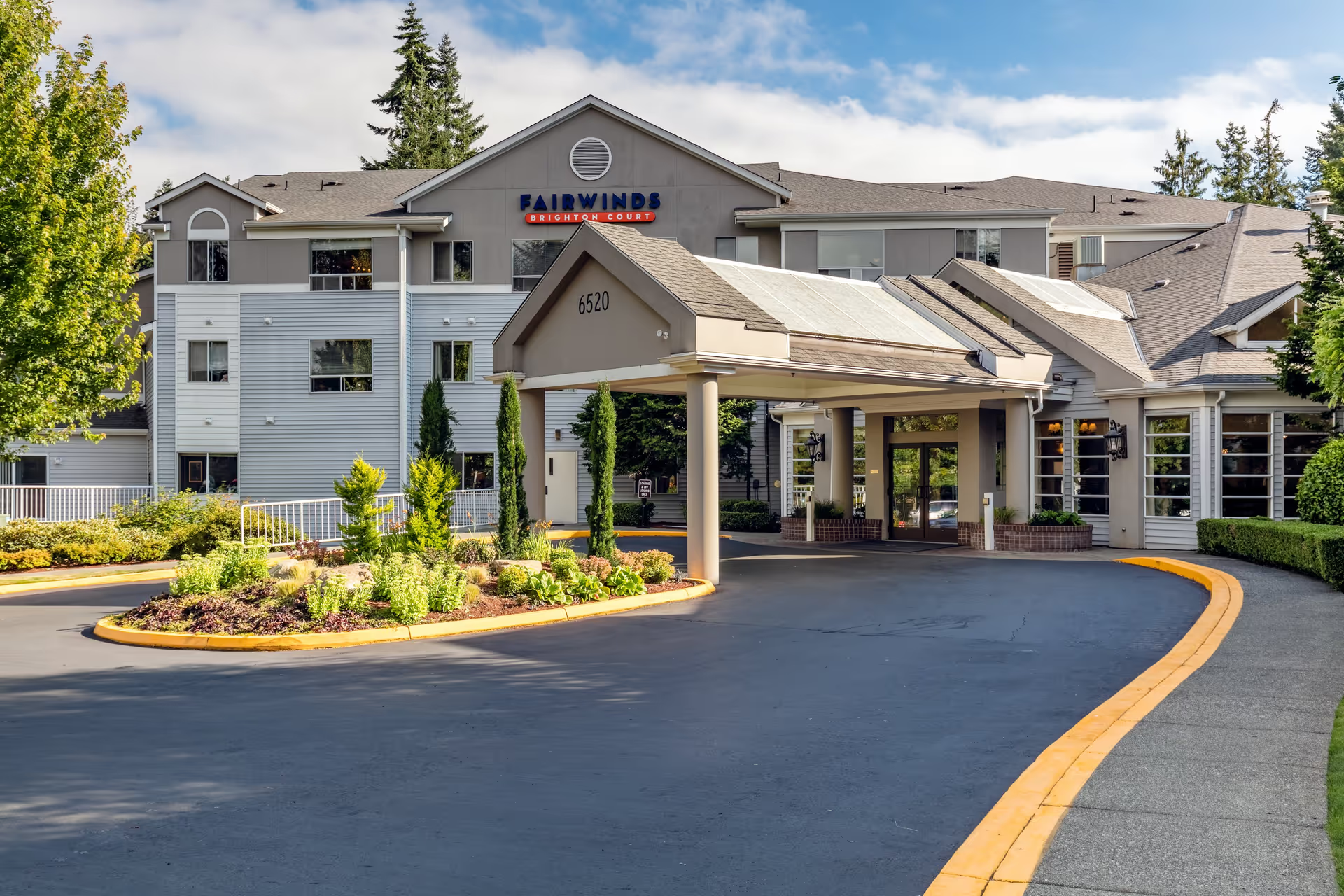
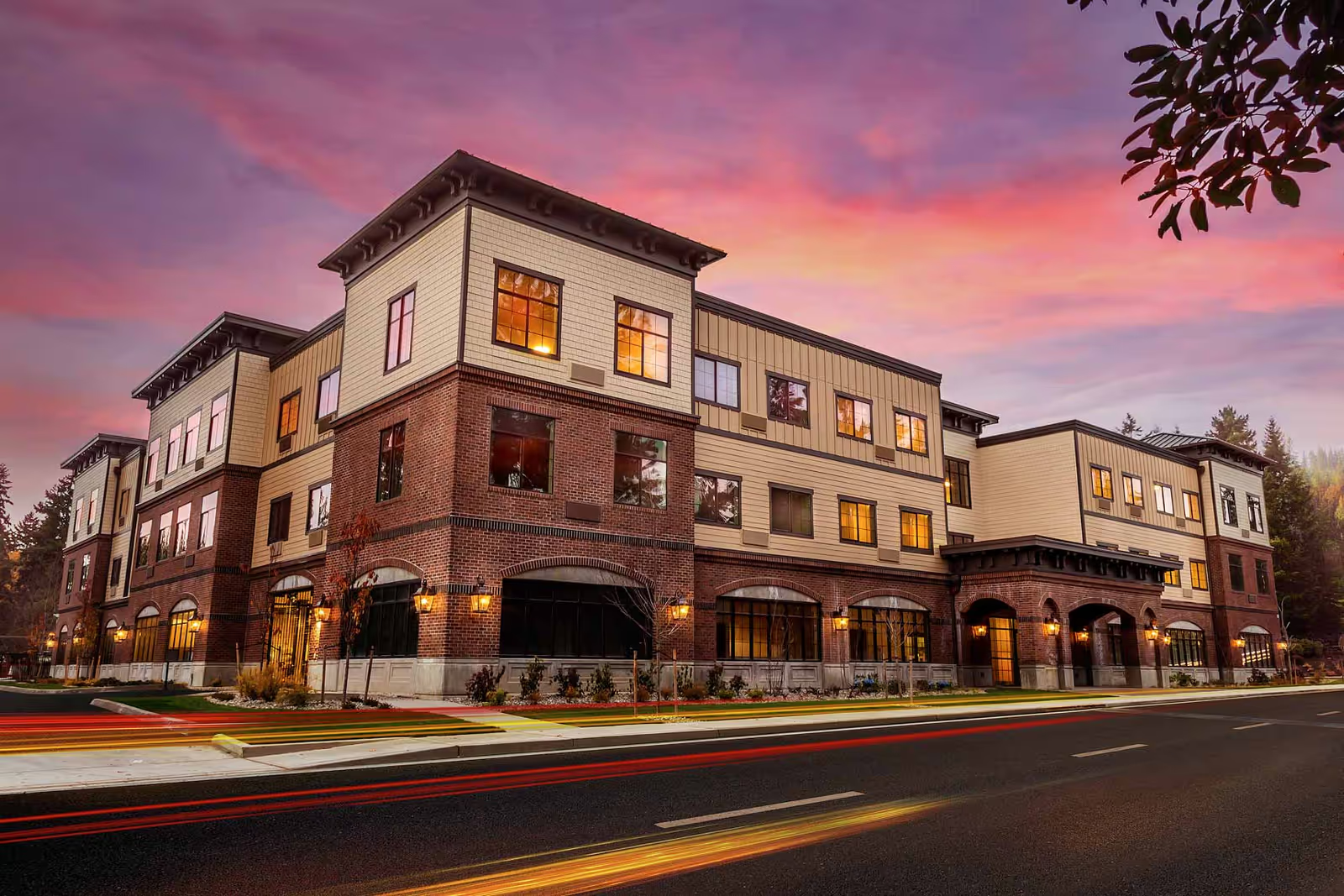
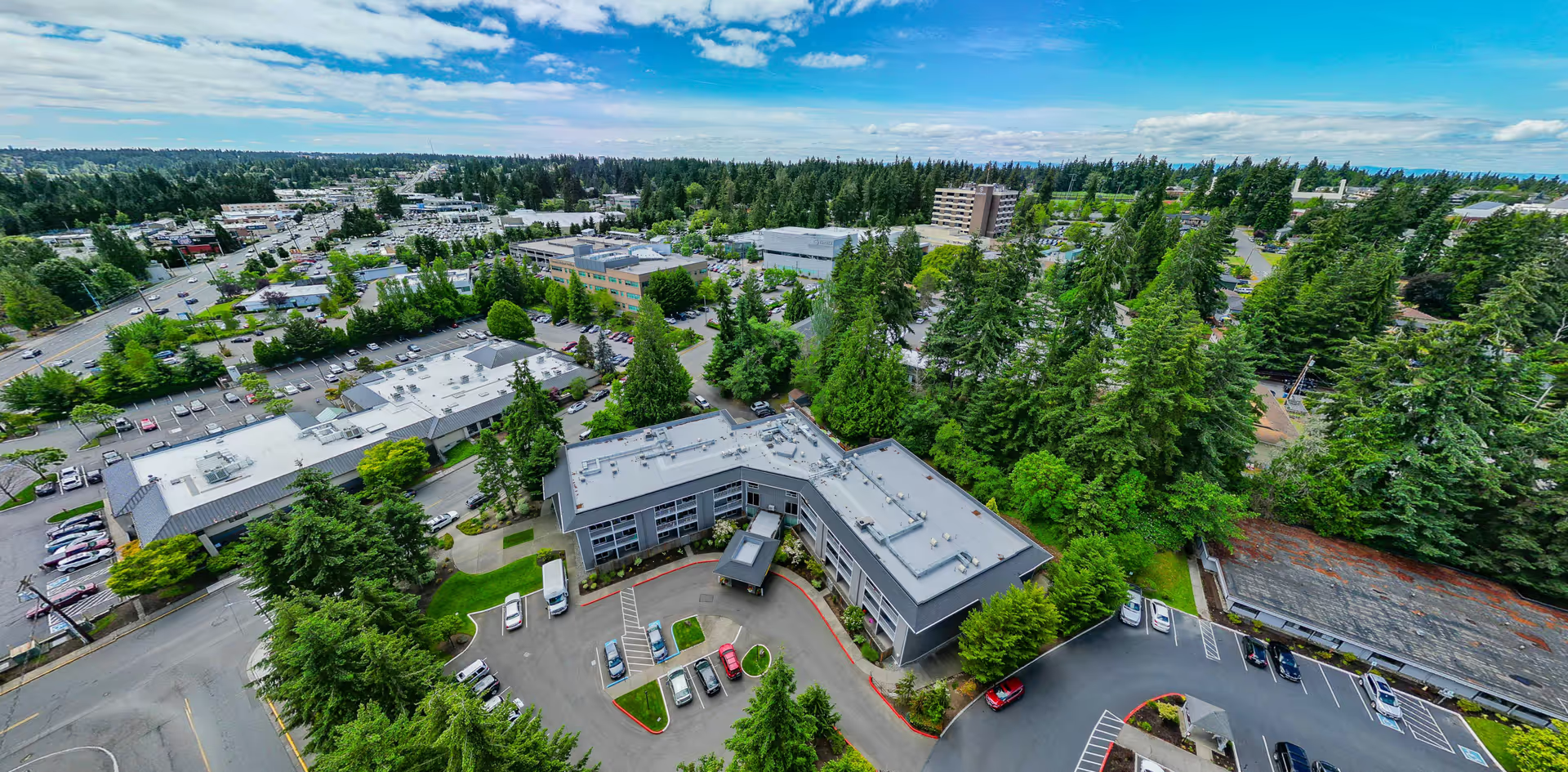
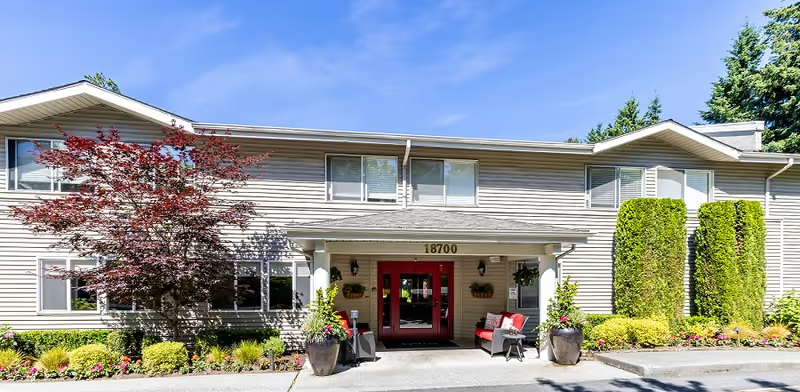
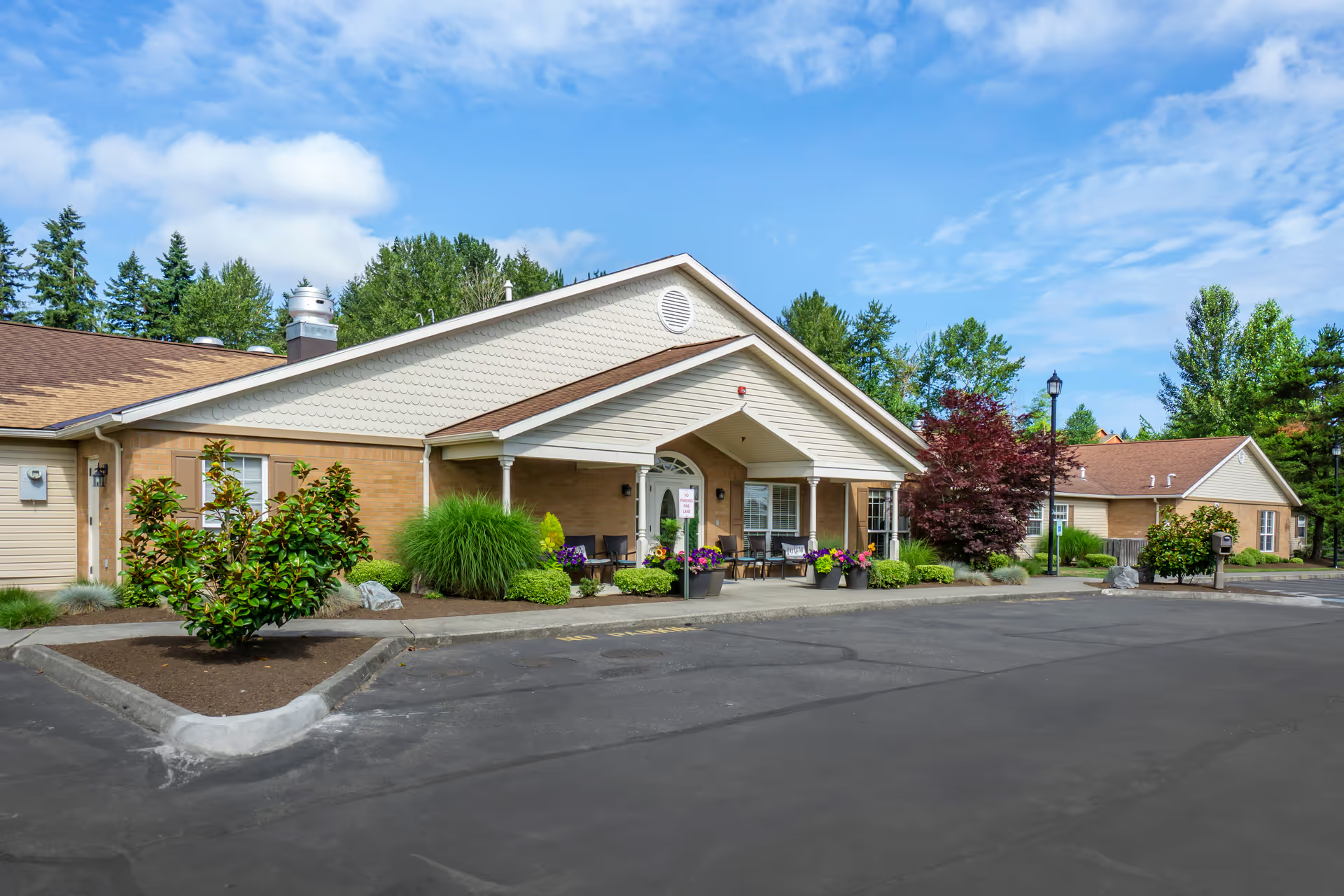
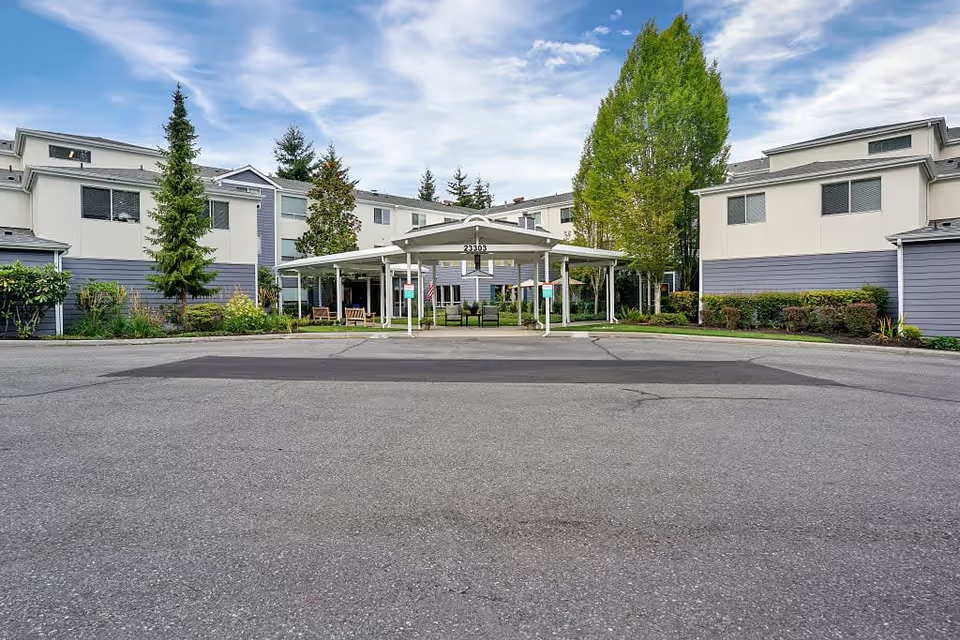
Facilities and safety: Physically, the building is an older, partially remodeled facility with large units and generous layouts in many apartments. Grounds, walking paths, and communal spaces are generally well maintained, and there is a dedicated memory-care wing with safeguards. However, reviewers cite several facility-level concerns: accessibility limits in some bathrooms and units for wheelchair users, limited in-unit kitchen amenities (microwave-only situations and poor refrigerator condition), lack of in-room Wi‑Fi, and odor concerns in certain common areas. Security and access-control gaps were raised explicitly (doors left unlocked), indicating an operational area requiring attention to resident safety protocols.
Management and operations: The move-in experience, tours, and family communication receive positive comments for being informative and low-pressure. Conversely, management-level issues are noted: administrative inconsistencies (missing paperwork, outdated staff directories), perceptions of misrepresentation about services or level of care, and slow or inconsistent responses from management and clinical leads. Cost is another recurring theme; some families perceive a mismatch between price and value when operational and service inconsistencies occur.
Notable patterns and considerations: The dominant pattern is contrast between strong frontline caregiving/amenities and recurring operational weaknesses. Where staff continuity, kitchen staffing, and administrative processes function well, reviewers describe a supportive, active community with good value. Where staffing, documentation, or security processes lapse, those same strengths are undermined. Prospective residents and families should consider both the community’s interpersonal strengths and the operational items above: clarify care-level placement criteria, confirm medication-management and clinical follow-up practices, ask about contingency plans for kitchen or staffing shortages, review accessibility in specific units, and verify security/access-control procedures. These targeted inquiries will help determine whether the facility’s strong elements align with an individual resident’s needs.