Overall impression: The facility is consistently described as a small, family-oriented adult family home with strong clinical oversight and a focus on resident comfort. The dominant pattern across feedback is high satisfaction with nurse-led care: an experienced RN—often owner-affiliated—appears to provide active clinical direction, personalized care plans, and wound-care expertise. Several comments emphasize the home's ability to support residents with complex medical needs and higher acuity while maintaining safety and comfort.
Care and staff: Care quality is portrayed as a core strength. Caregivers are characterized as compassionate, conscientious, and well-trained, and families report that staff routinely go beyond basic duties to support residents' needs. The RN-led model is associated with competent medication and wound management, and with coordinated responses during hospital transitions. Owner involvement is described as hands-on, contributing to consistency in care and oversight. These elements combine to create a resident-focused environment that reviewers describe as warm and supportive.
Dining and activities: The dining experience is described as predictable and routine, which may be beneficial for residents who prefer structure; reviewers also highlight that staff keep residents active and engaged. The home offers social programming and activities that promote socialization and a sense of thriving, particularly valuable for residents with complex needs who benefit from regular stimulation and communal interaction.
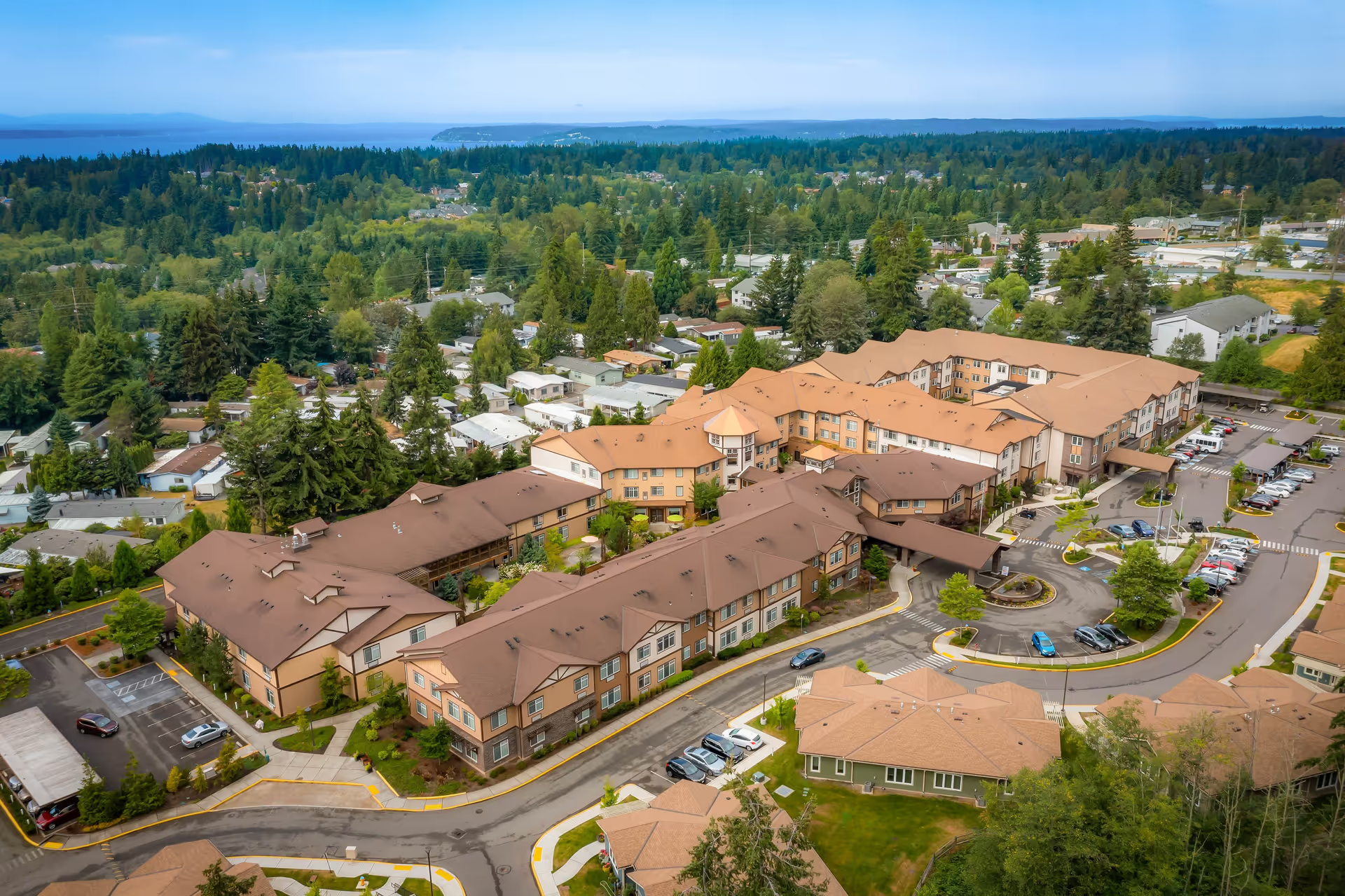
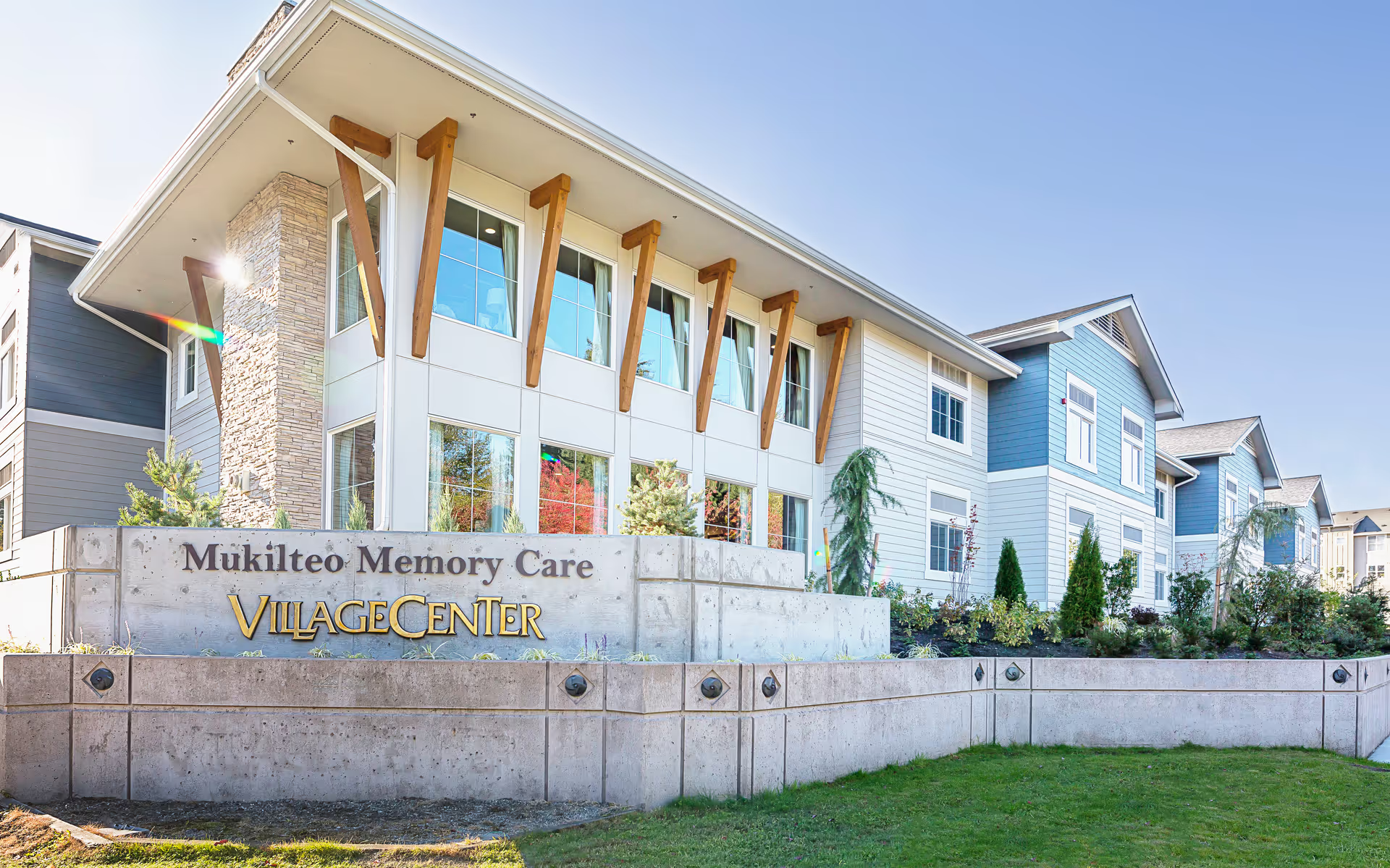
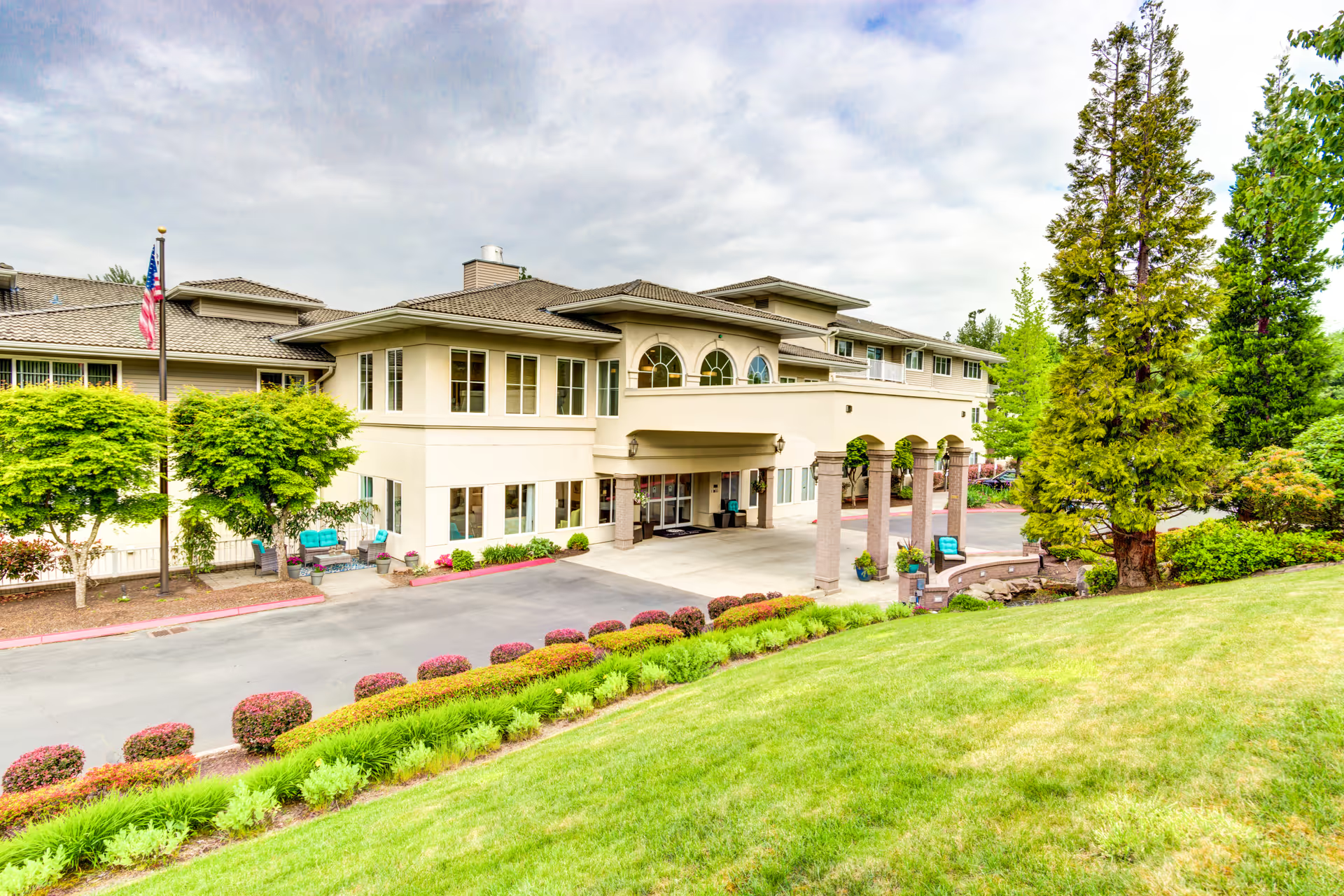
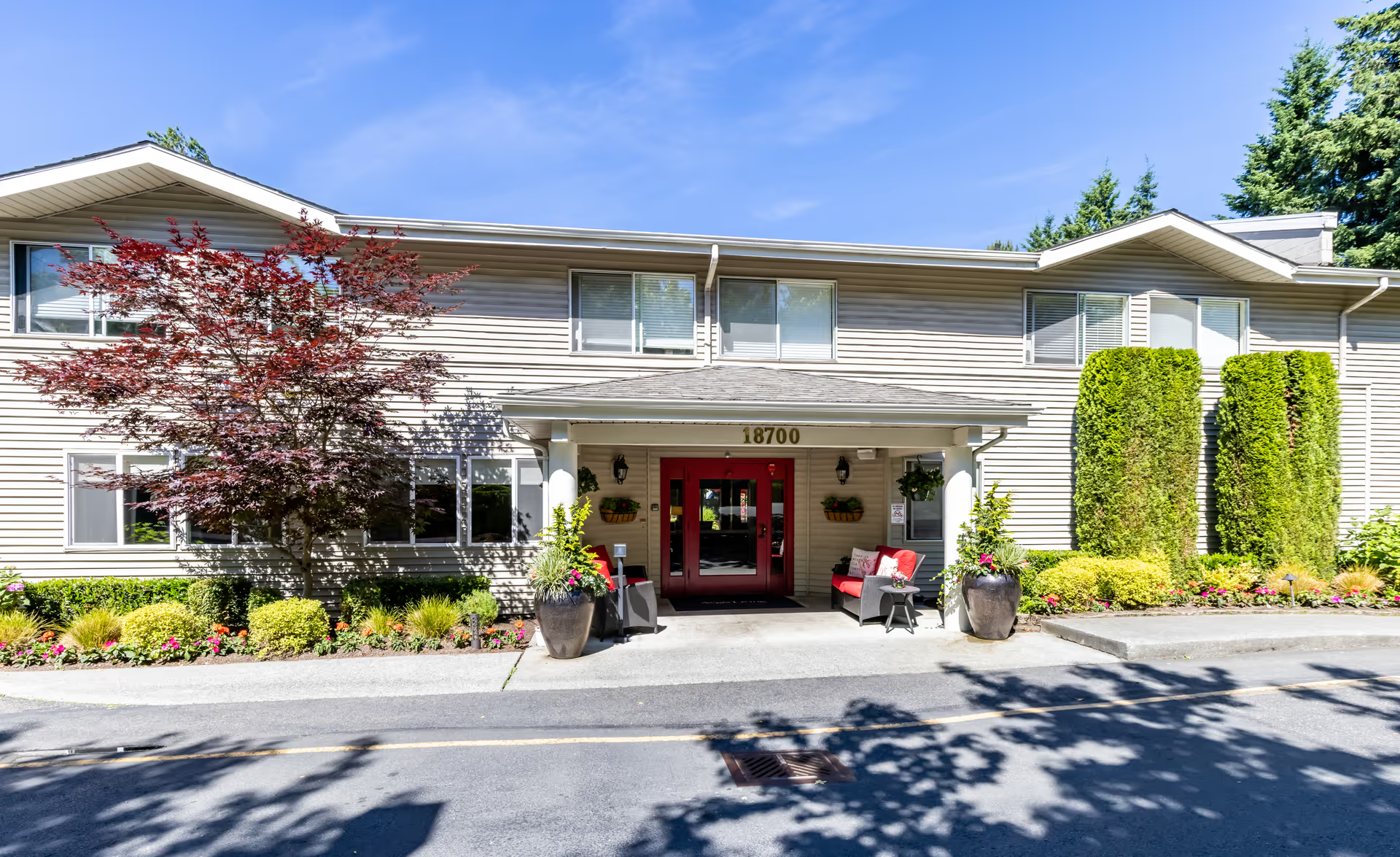
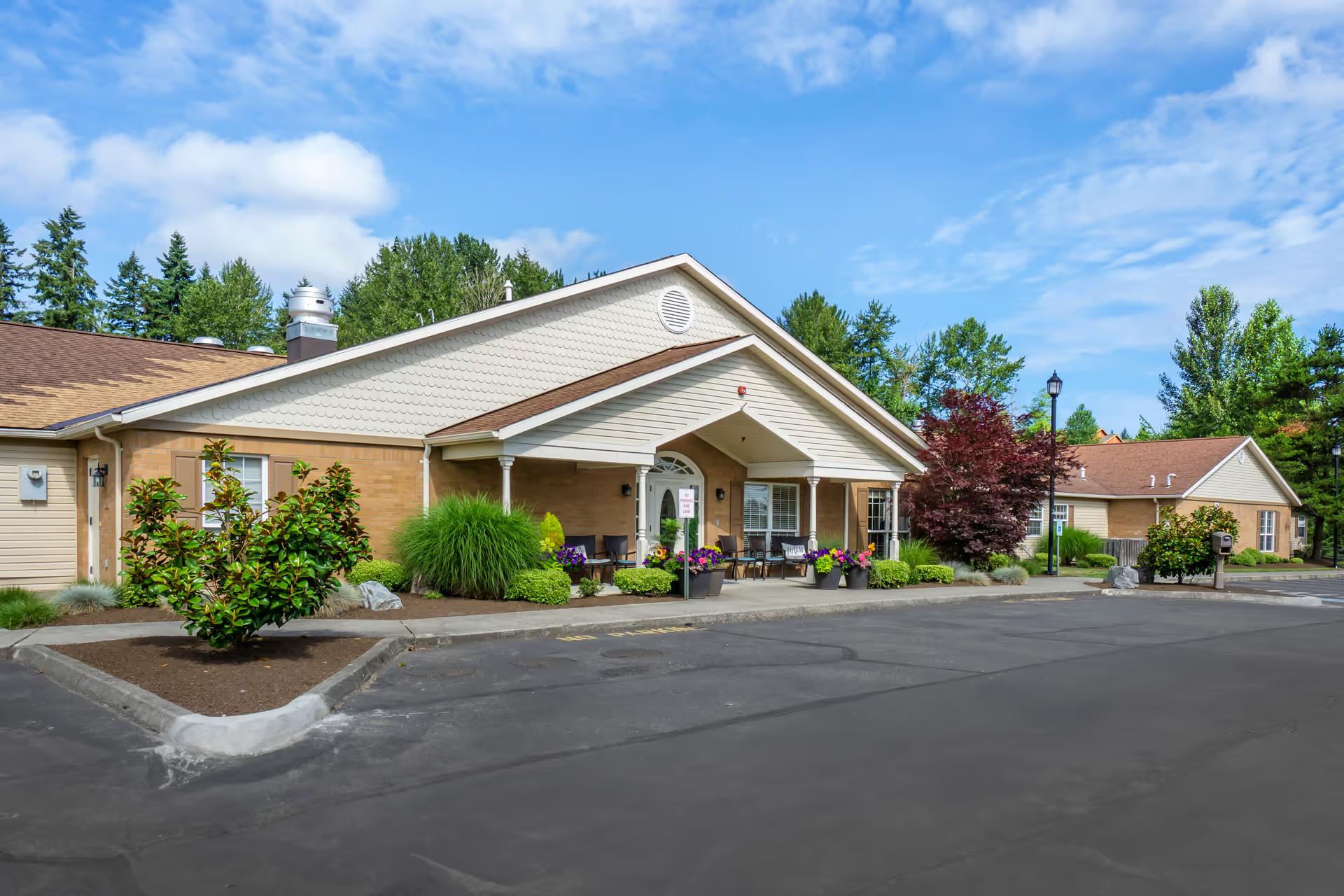
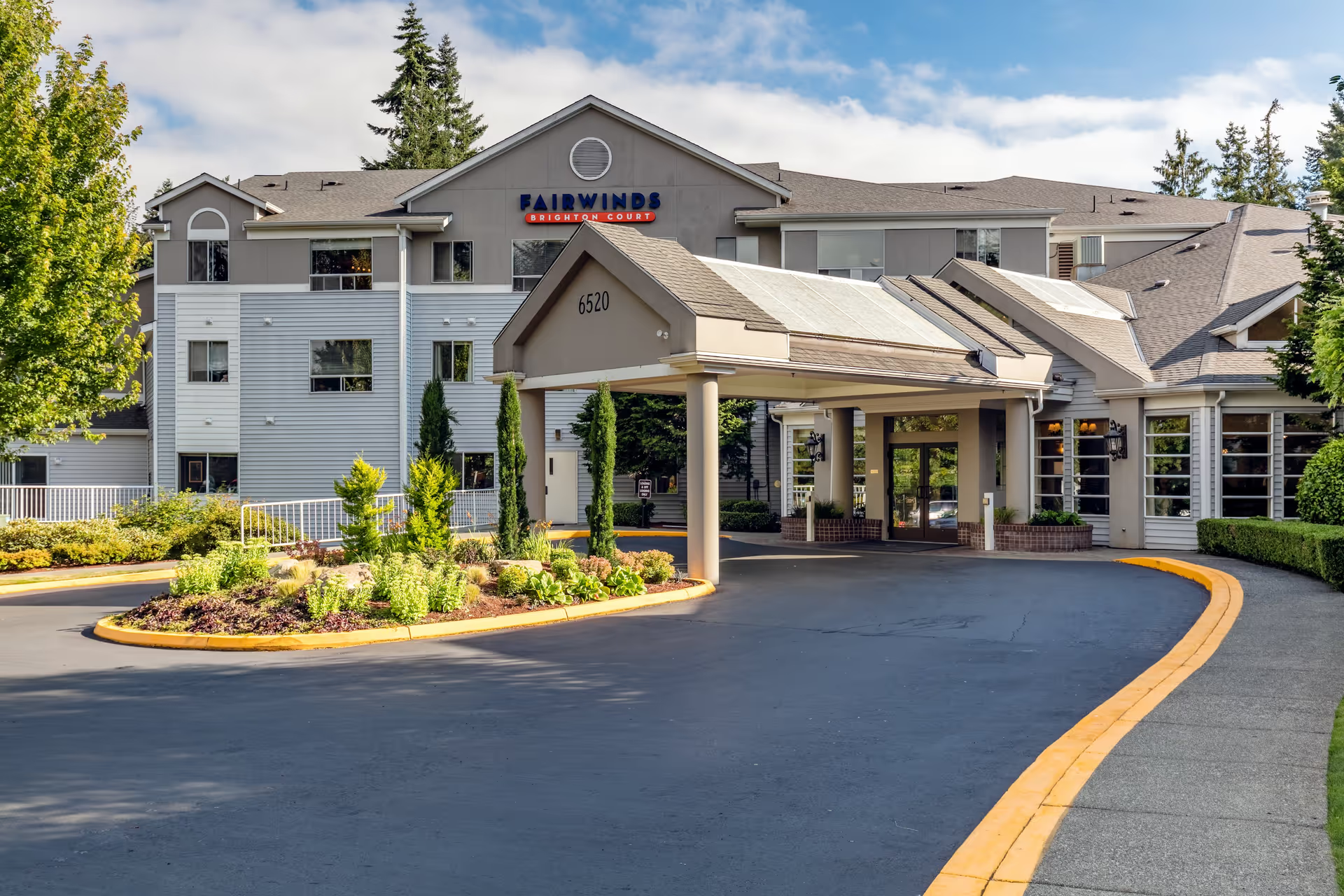
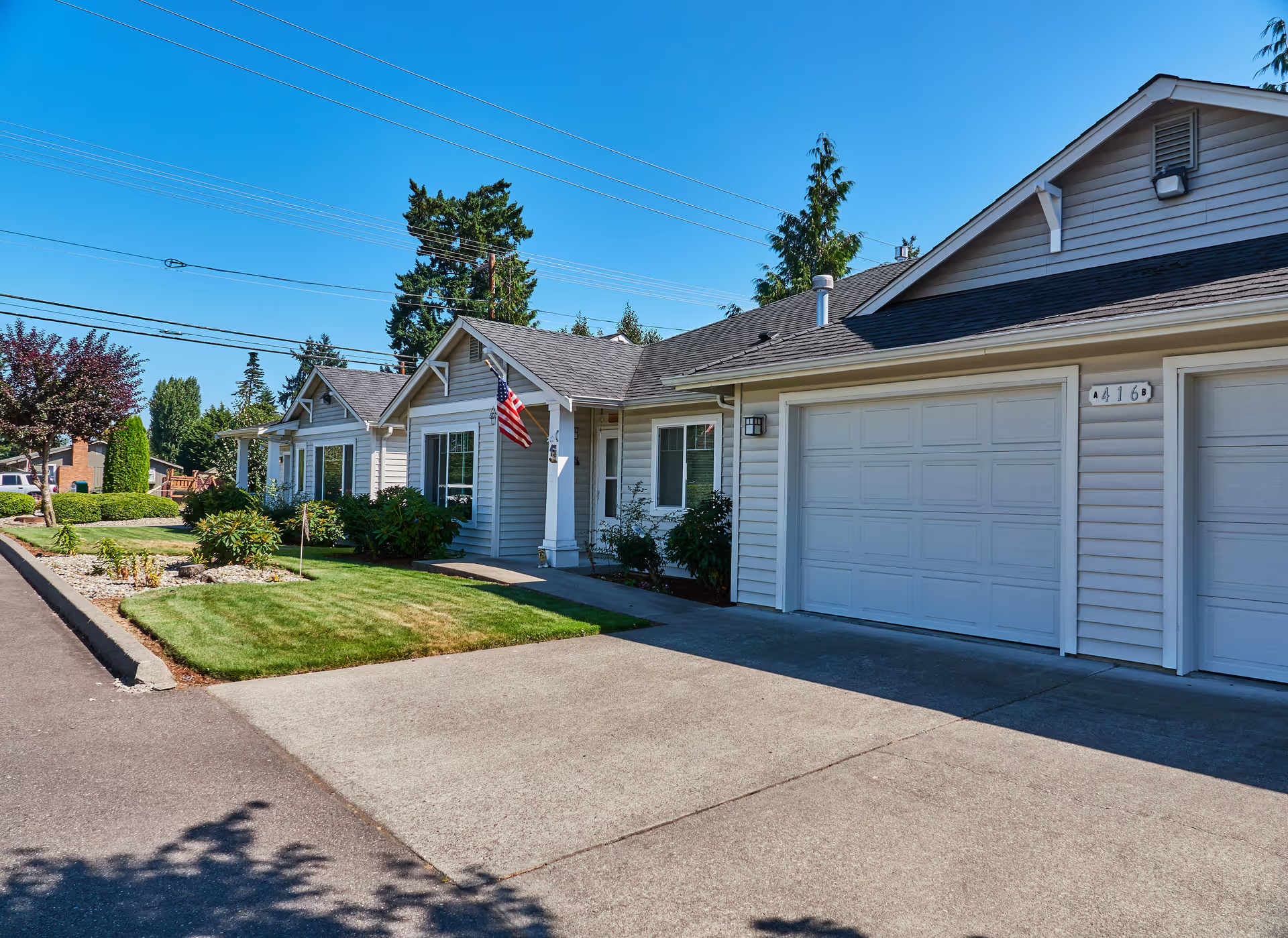
Facilities and amenities: The physical environment receives uniformly positive comments: reviewers describe the home as clean, bright, updated, and home-like, with welcoming common areas and first-class amenities for an AFH setting. Cleanliness and attention to housekeeping are repeatedly noted as strengths that support resident comfort and safety.
Management and operations: Management is portrayed as responsive, organized, and enthusiastic, with owners and clinical leadership closely involved in day-to-day operations. Families report effective communication and support during care transitions. The small, family-run structure appears to contribute to a personalized approach to care but also implies operational characteristics to probe further when comparing options.
Notable patterns and considerations: The most consistent themes are nurse-led personalized care, strong cleanliness standards, and a warm, family-style environment capable of handling higher-acuity residents. Potential operational trade-offs—common to small AFHs—include limited overall capacity, dependence on a single RN/owner for clinical leadership, and fewer onsite specialty therapy services than larger facilities. Prospective families should confirm staffing backup plans, after-hours administrative coverage, and availability of formal therapy services or external provider coordination when assessing fit for specific medical or rehabilitation needs.