Overall impression: Rosewood Courte presents as a specialized memory-care community with notable strengths in person-centered engagement, a clean physical environment, and staff who many families describe as compassionate and responsive. The facility's design and programming align with Alzheimer’s and related dementia needs; reviewers frequently emphasize personalized activities, long activity hours, and an environment that helps residents stay occupied and engaged.
Care and staff: Care quality is portrayed positively in many accounts. Reviewers highlight attentive caregiving, respectful interactions, and support through transitions including hospice and medication reviews. Several families remarked that staff greet residents, provide dignified care, and create a familial atmosphere. At the same time, there are operational concerns that affect clinical continuity: reviewers cited nurse turnover and unevenness in clinical leadership, and a few noted variability in end-of-life training and clinical processes. These issues suggest the facility may be strong at bedside compassion but occasionally challenged by staffing continuity and clinical-management consistency.
Dining and nutrition: Feedback on meals is mixed. Some families described healthy, well-prepared meals and residents who enjoy dining; others found meal quality inconsistent. Multiple reviewers raised logistical issues in the dining area — limited seating capacity, a chaotic dining-room environment during service, and insufficient one-on-one assistance to help residents during meals. Prospective families should inquire about current meal plans, seating capacity, and the level of assistance available at mealtimes.
Activities and programming: Activities are a consistent strength. The program runs long hours and emphasizes individualized engagement appropriate to cognitive needs; staff are noted for coaxing residents out of their rooms and tailoring activities to abilities and interests. Memory-care expertise appears embedded in programming choices and daily routines, contributing to resident engagement and perceived quality of life.
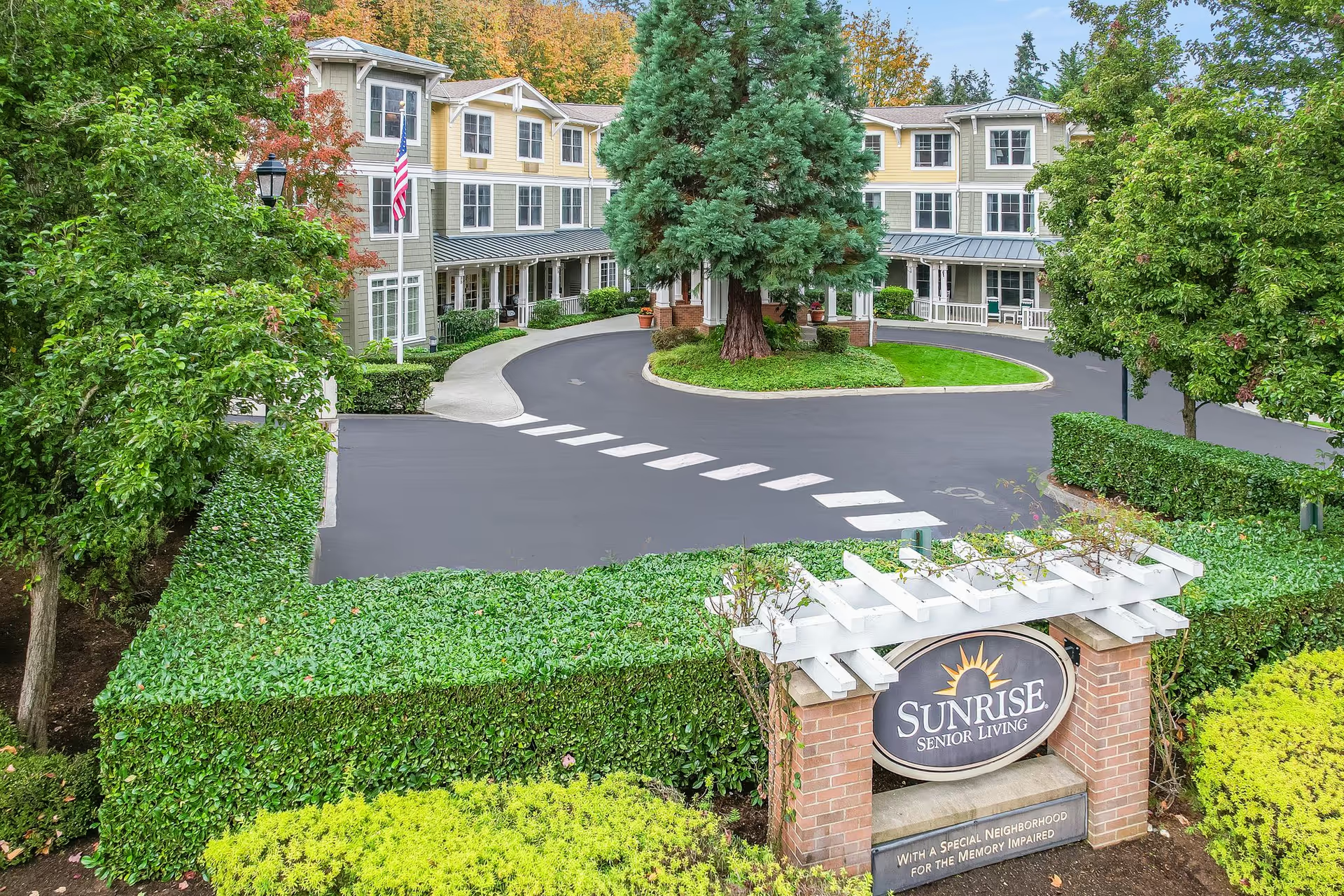
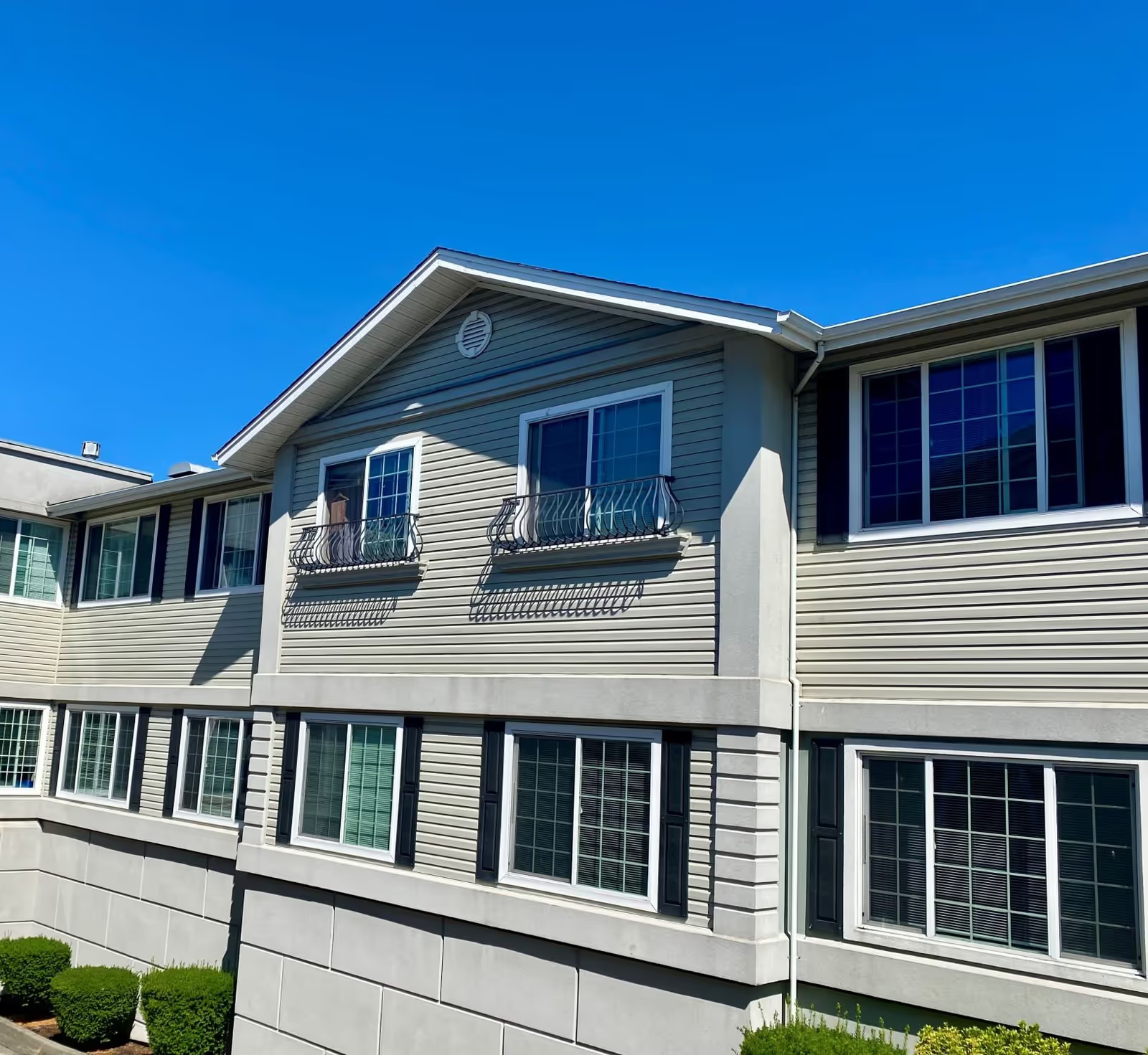
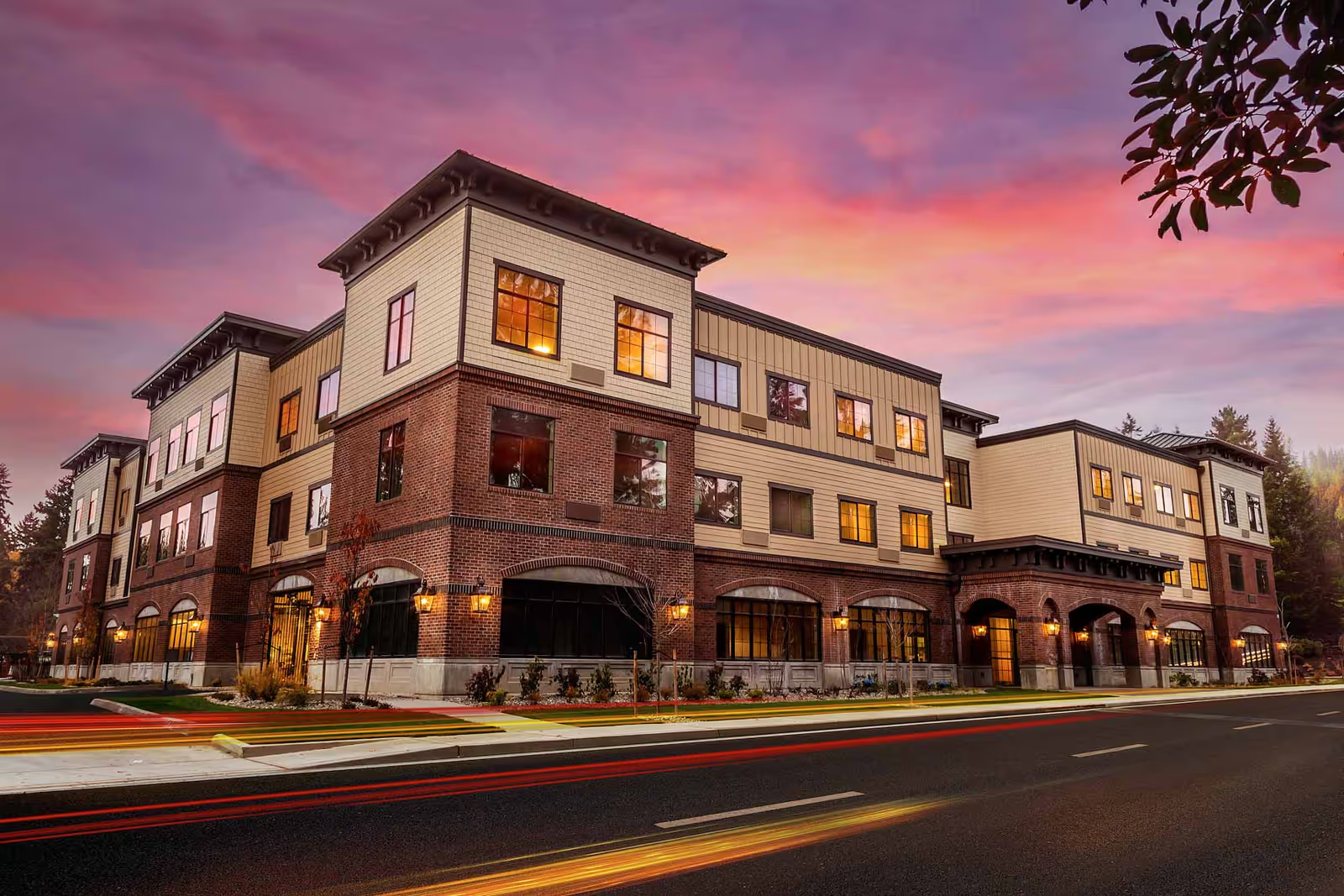
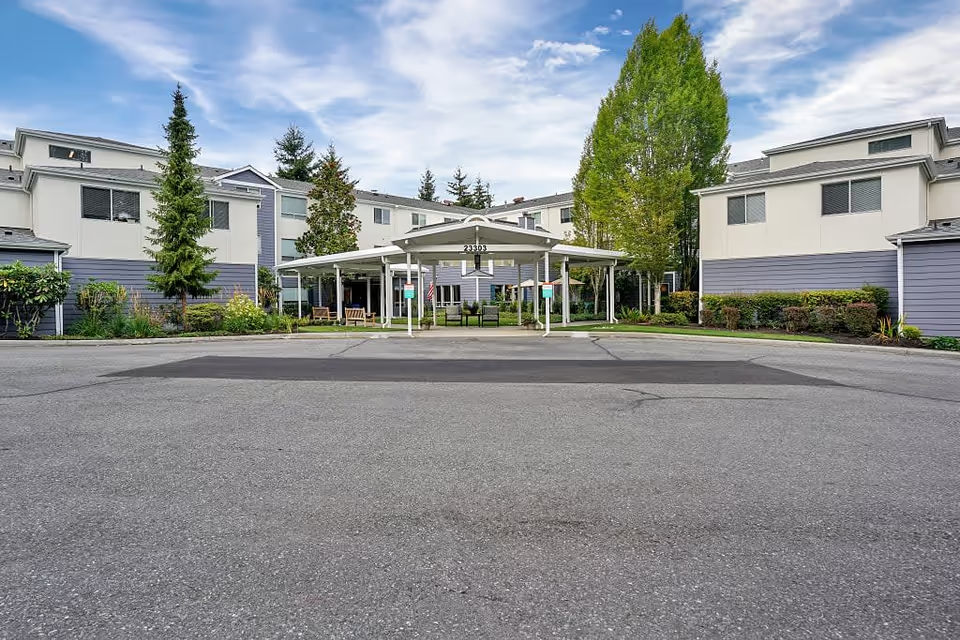
Facilities and operations: The physical plant is generally described as clean, safe, and well maintained, with Alzheimer-friendly circulation and outdoor access. Rooms are described as homey and amenable to personal furnishings. However, operational gaps were noted: some families experienced missing personal items or clothing mix-ups, indicating weaknesses in personal-item tracking and inventory procedures. Parking and site-access were also mentioned as a practical limitation.
Management and patterns: Impressions of management are mixed. Many families praised smooth transitions, strong communication, and supportive leadership; others described unprofessional interactions and organizational disorganization that affected their comfort. High staff turnover and head-nurse changes were recurrent themes that may contribute to variability in day-to-day experience. Cost was raised as a consideration: the community appears priced at a premium relative to some expectations, and availability may be limited given a wait list.
Bottom line for prospective families: Rosewood Courte offers strong, dementia-focused programming, engaged caregiving, and a clean, secure environment that many families find highly supportive. Trade-offs to evaluate include staffing stability and clinical leadership continuity, dining logistics and individualized meal assistance, personal-item controls, and overall cost. Visiting the community during meal and activity times, asking for current staffing metrics, and reviewing medication- and end-of-life training procedures will help families determine fit for a given resident’s needs.