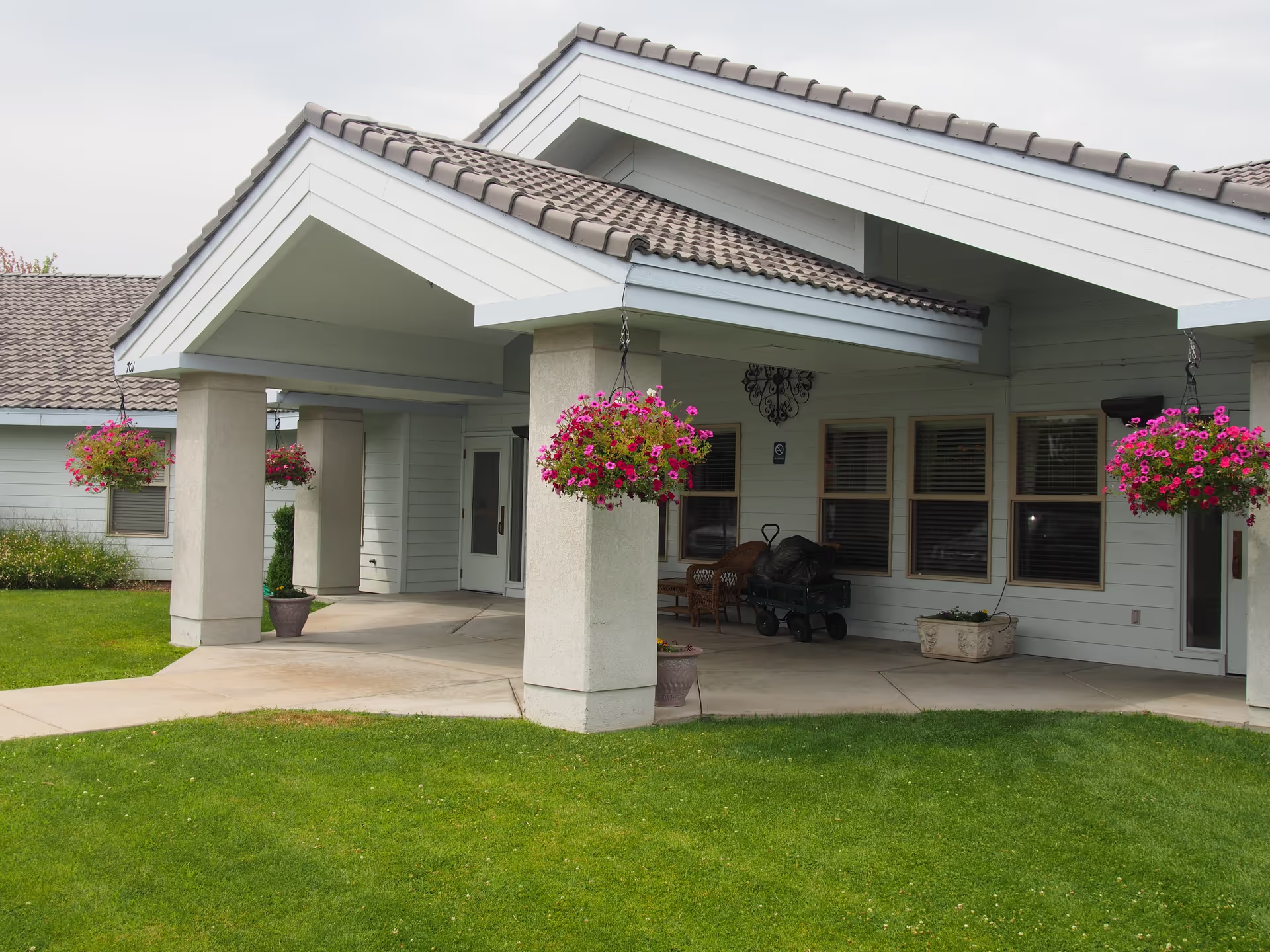
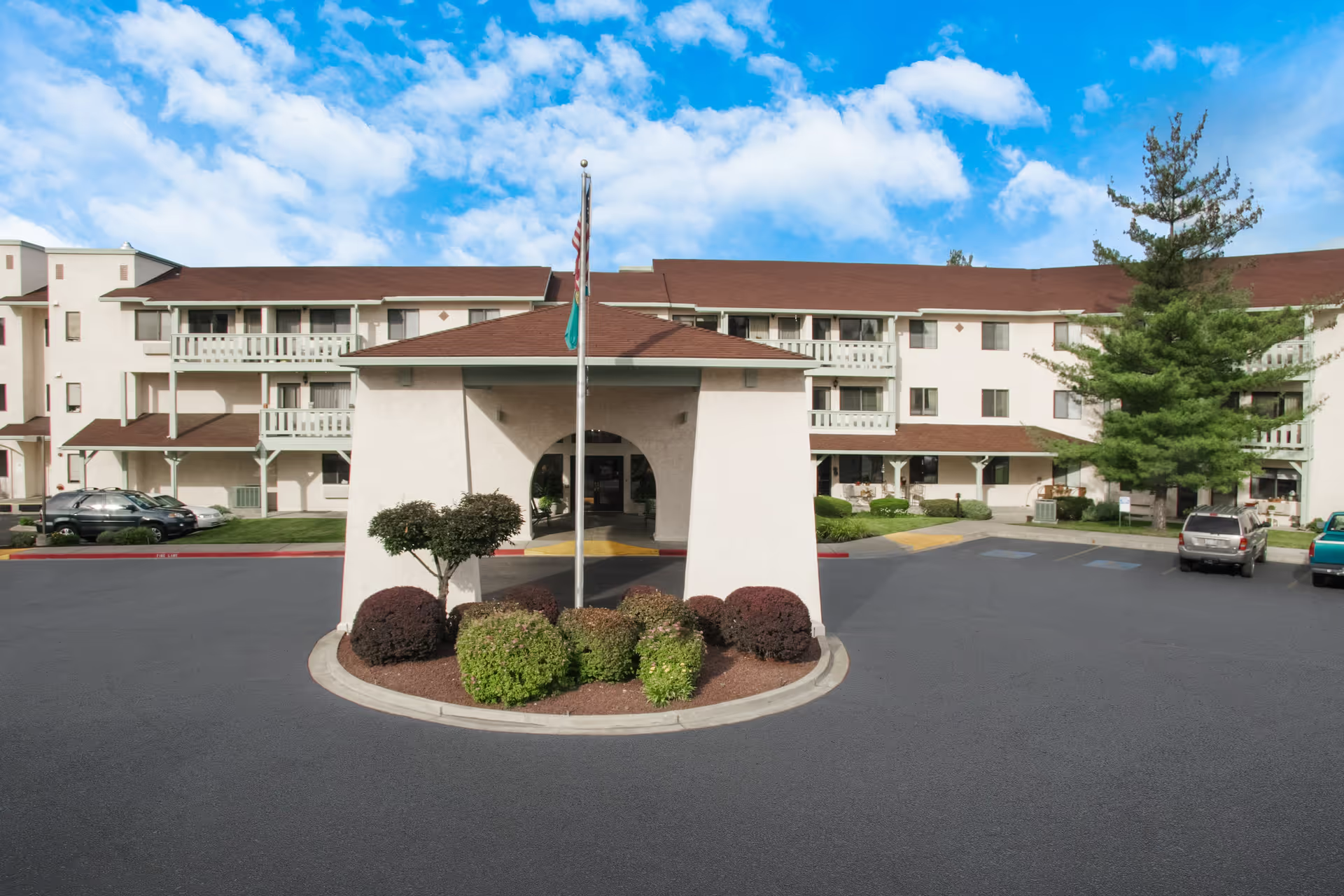
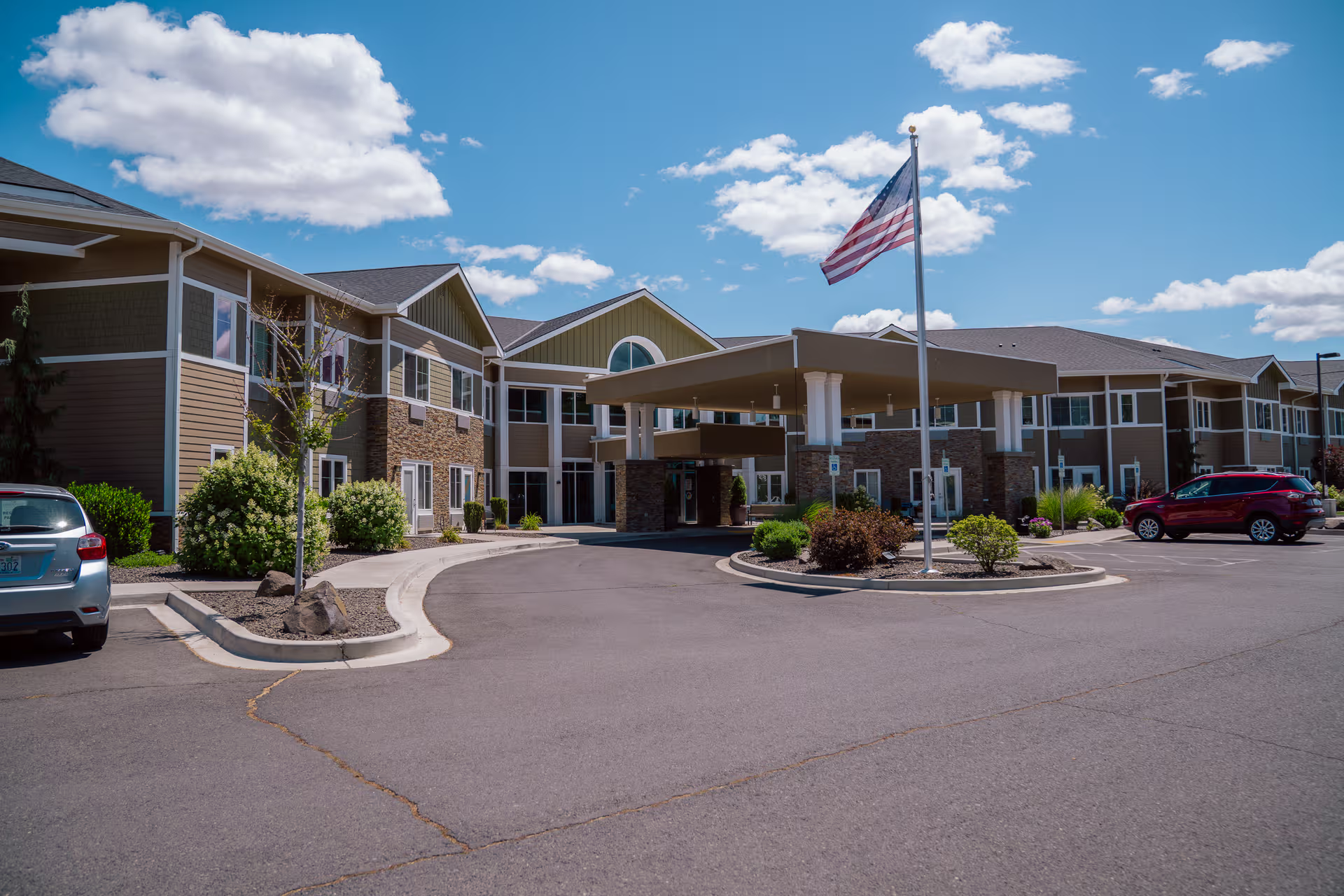
The reviews present a mixed but consistent picture: Hearthstone Senior Living is frequently described as an attractive, activity-rich community with many staff members who are warm, engaging, and responsive. Families and residents often praise the facility’s appearance, grounds, spacious rooms, and an active calendar of events — music groups, outings, holiday brunches, and well-attended programs generate positive comments. Dining is repeatedly noted as a strength: meals are described as enjoyable, the kitchen staff as accommodating, and dining-room service as quick and pleasant. Several named staff and leaders receive individual praise for responsiveness and problem-solving, and maintenance staff are frequently recognized for helpfulness when they respond promptly.
At the same time, a recurring cluster of operational concerns appears across reviews. Staffing levels are described as insufficient, and reviewers link that shortage to delays in routine care, inconsistent personal-hygiene assistance, and slower clinical responses. Related clinical concerns include inconsistent adherence to medication-administration procedures and other clinical oversight gaps. Families describe situations where follow-up and communication were inadequate during and after move-in, and there are reports of unexplained billing increases that contributed to frustration.
Facility-related strengths coexist with localized facility problems. While the building and grounds are often cited as well maintained and attractive, some reviews identify cleanliness and odor concerns in particular rooms or areas, bathroom accessibility issues (including ADA noncompliance), and isolated maintenance failures such as broken showers or water on bathroom floors. These issues are sometimes compounded by delays in repairs or lack of consistent documentation about maintenance actions, producing an impression of uneven maintenance responsiveness despite praise for individual maintenance staff.
Management and leadership impressions are mixed. Several reviewers commend specific leaders and sales or administrative staff for being welcoming and helpful, but other comments describe leadership turnover, perceived managerial inconsistency, and a sense that financial priorities have at times driven decisions. This contributes to uneven experiences: some families describe a near-ideal, family-like environment with attentive care and strong programming, while others moved loved ones elsewhere after encountering clinical, cleanliness, or communication gaps.
Notable patterns for prospective residents and families to consider are the variability in care quality tied to staffing levels and clinical oversight, and the contrast between strong hospitality/activities/dining and operational weaknesses in daily nursing and hygiene processes. When evaluating Hearthstone, visitors may find much that is positive — an active, attractive community with many caring staff — but should also ask targeted questions about current staffing ratios, medication-management protocols, turnaround times for maintenance requests, billing practices, and the facility’s procedures for incontinence care and move-in/move-out communication to ensure those operational areas meet their expectations.