Brookdale Arbor Place elicits a polarized but consistent overall impression: many families and residents praise the facility’s caregiving culture, clinical resources and robust activity program, while others identify operational inconsistencies that merit attention. Strengths cited across reviews include a caregiving staff that is frequently described as compassionate and familiar with residents, seven-day RN coverage, on-site rehabilitation and respite services, and nurse follow-up after acute events. Several accounts highlight timely medication and clinical checks under normal conditions, though related operational concerns are noted below.
Staff and care quality are core assets. Reviewers commonly describe long-tenured staff members, an engaged executive and activities leadership, and a family-like atmosphere. The community runs a broad life-enrichment program—daily exercise classes, live music, entertainers, outings and memory-support programming overseen by a Life Enrichment Director—which many residents find enriching. At the same time, multiple reviews point to variability in frontline aide continuity, communication between shifts, and response times to call systems. These operational gaps have been linked to delays in bathing and personal-care assistance, missed or mistimed medication administration in a minority of accounts, and uneven follow-through on clinical or administrative requests.
Dining and nutrition are areas of clear division. The facility operates a chef-led dining program with resident menu input and has an attractive dining room and social meal offerings. Many reviewers describe meals as excellent and portion sizes appropriate, while others note inconsistent preparation, occasional lack of fresh produce, tough proteins, and small portions. Prospective residents should assess current menu consistency and sample multiple meals, since food quality appears variable day-to-day.
The activities and social environment are generally strong. Arbor Place offers a wide variety of programming (music, themed events, outings, games, and exercise classes) and multiple communal spaces (library, media room, multipurpose room, garden and a large fireplace lounge). These offerings are repeatedly mentioned as effective in preventing loneliness and encouraging engagement. Limitations arise around transportation capacity for outings—especially for wheelchair users—which can restrict participation for residents with mobility needs.
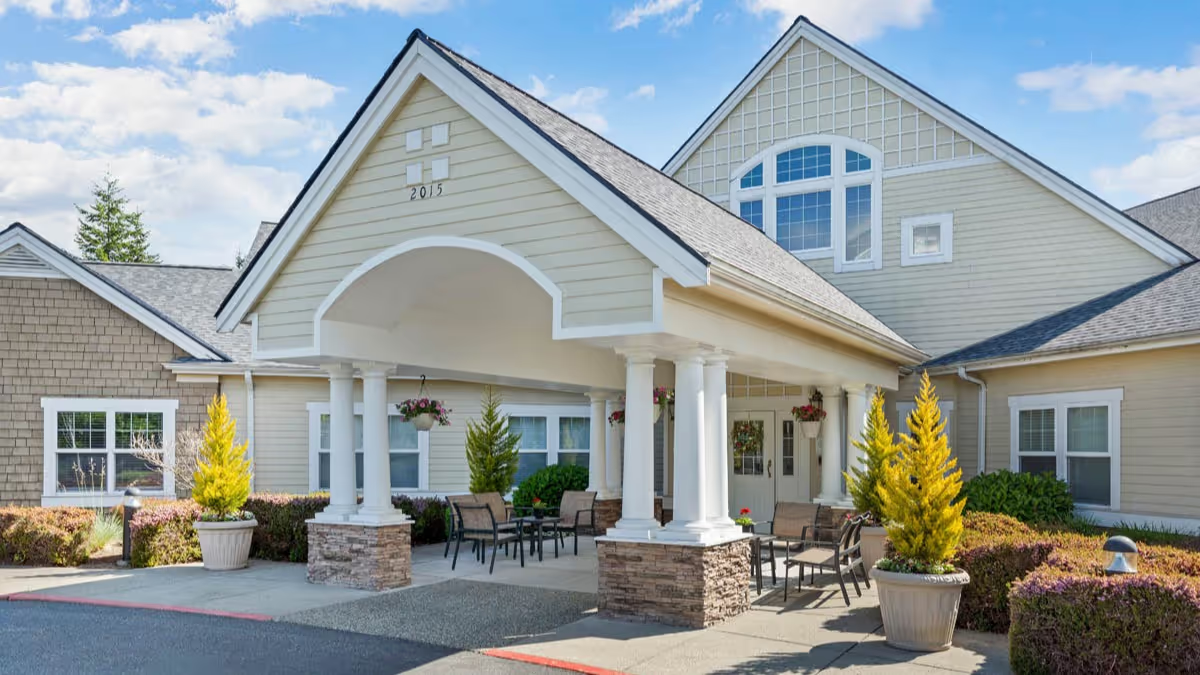
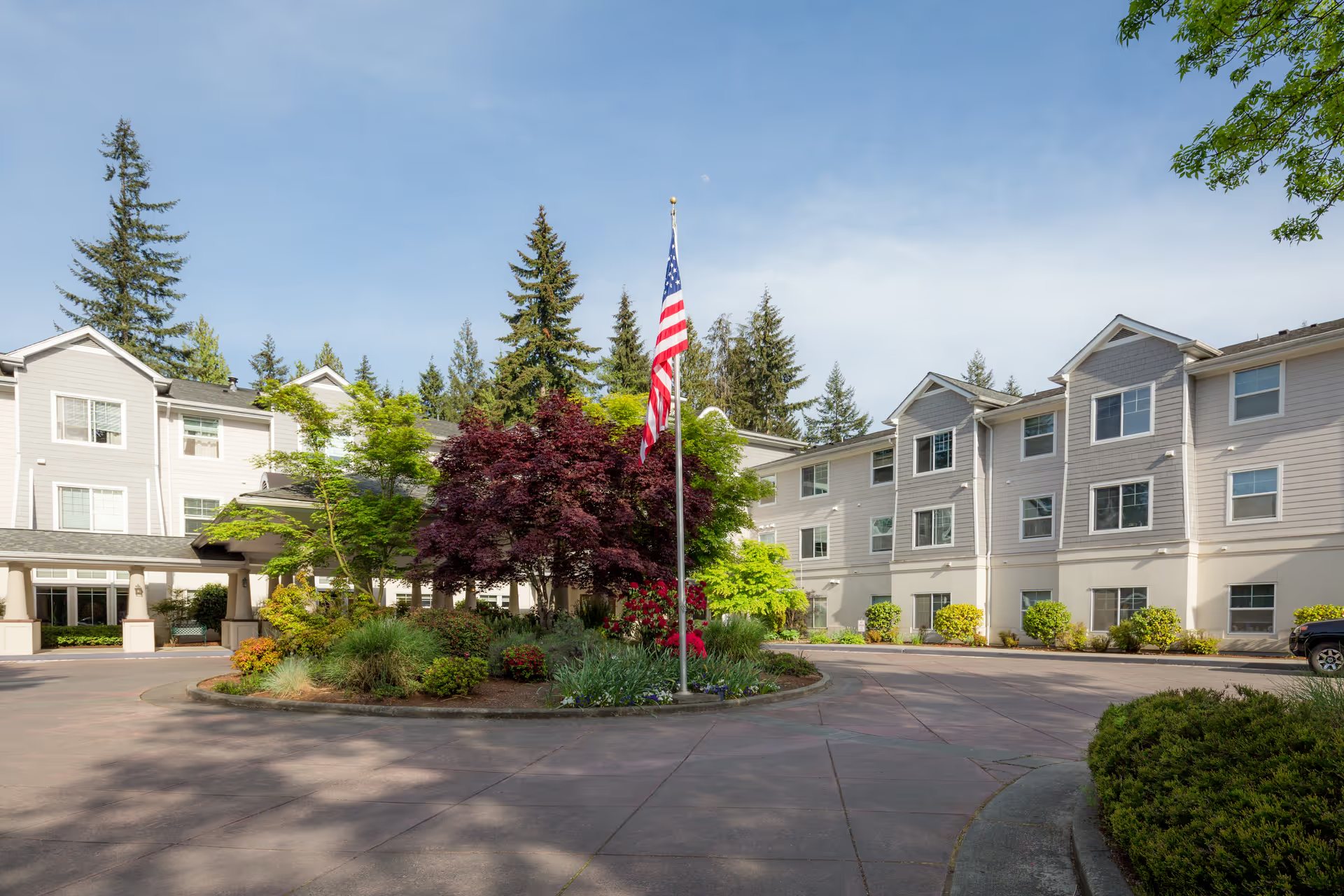
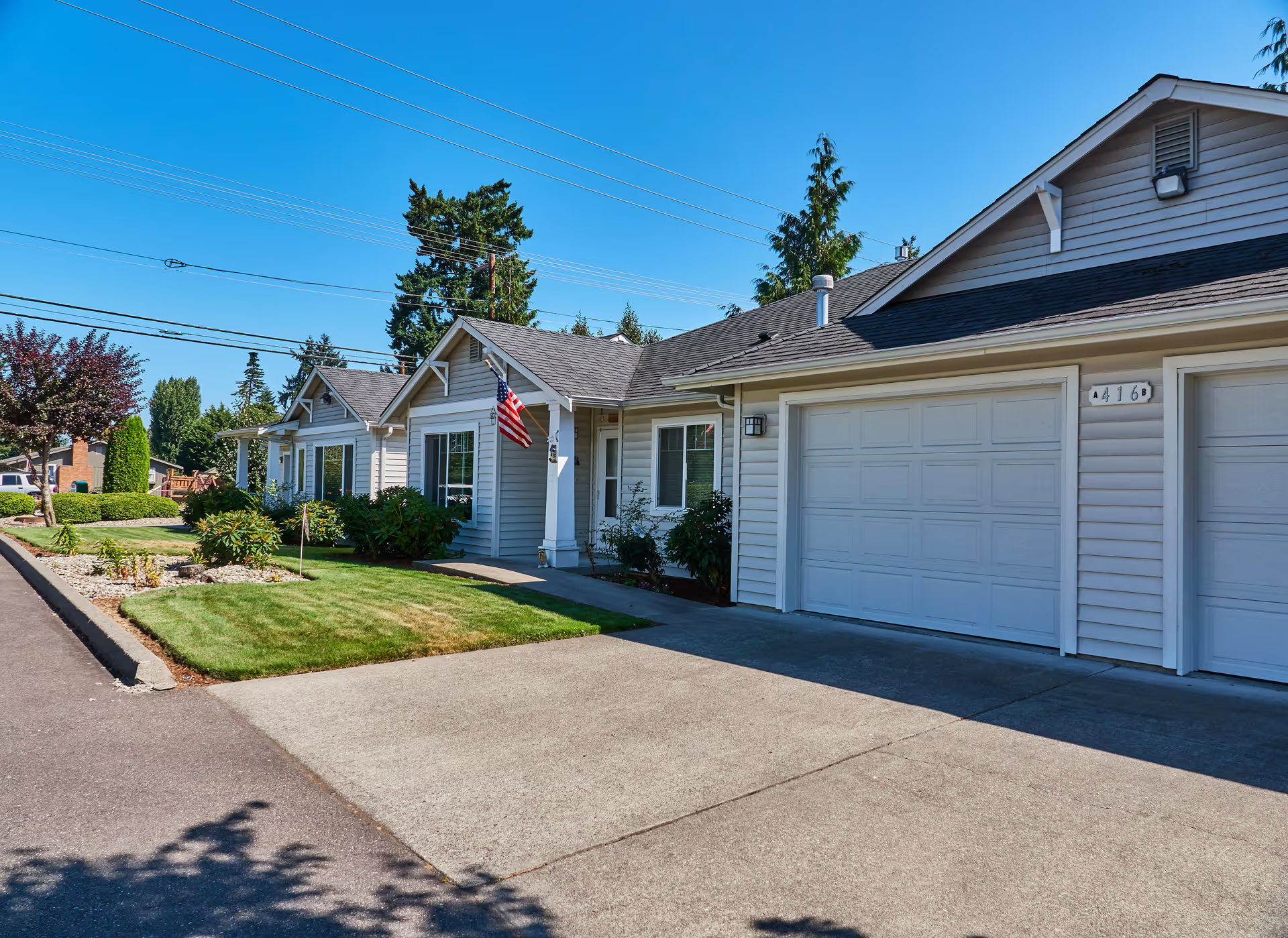
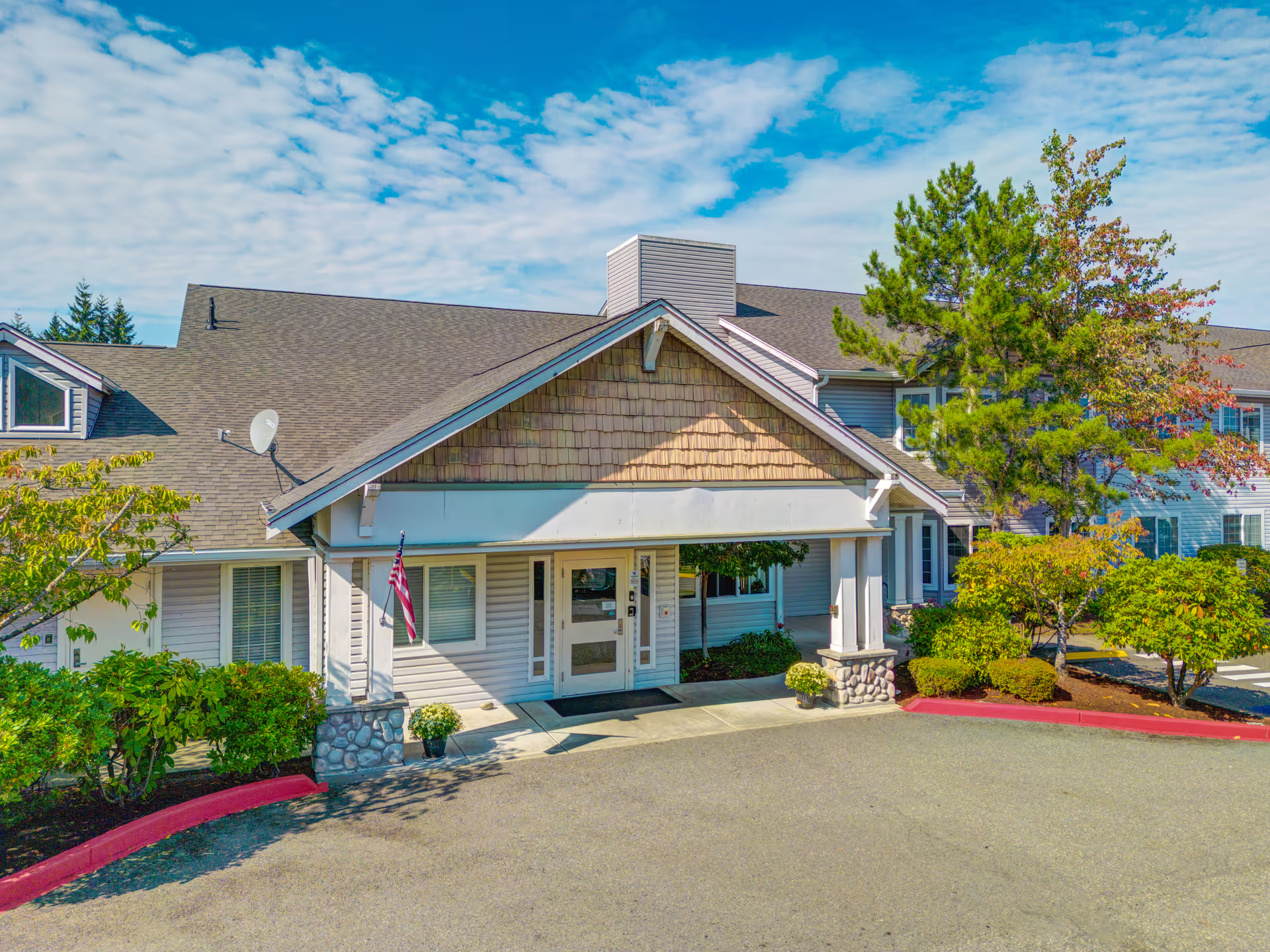
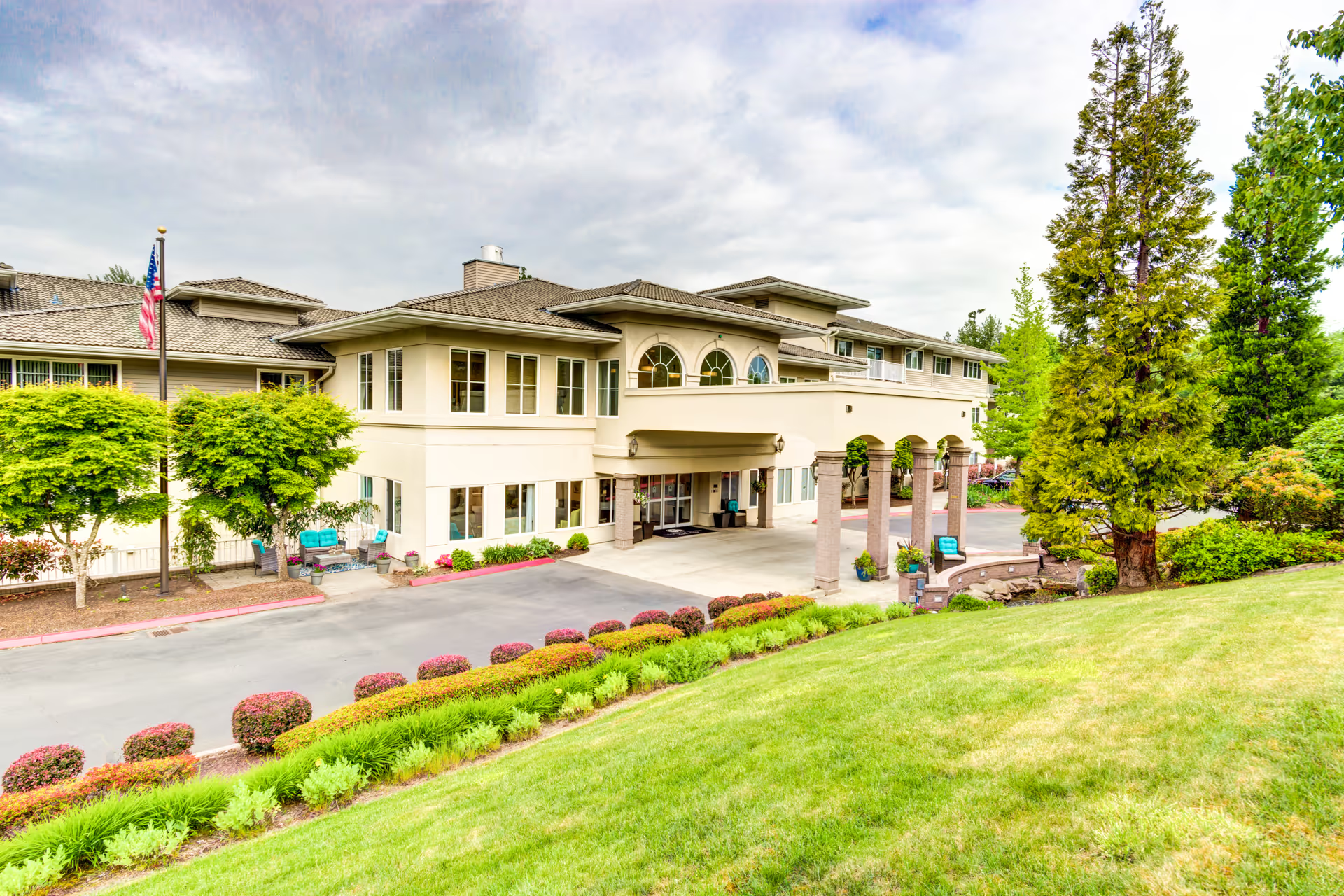
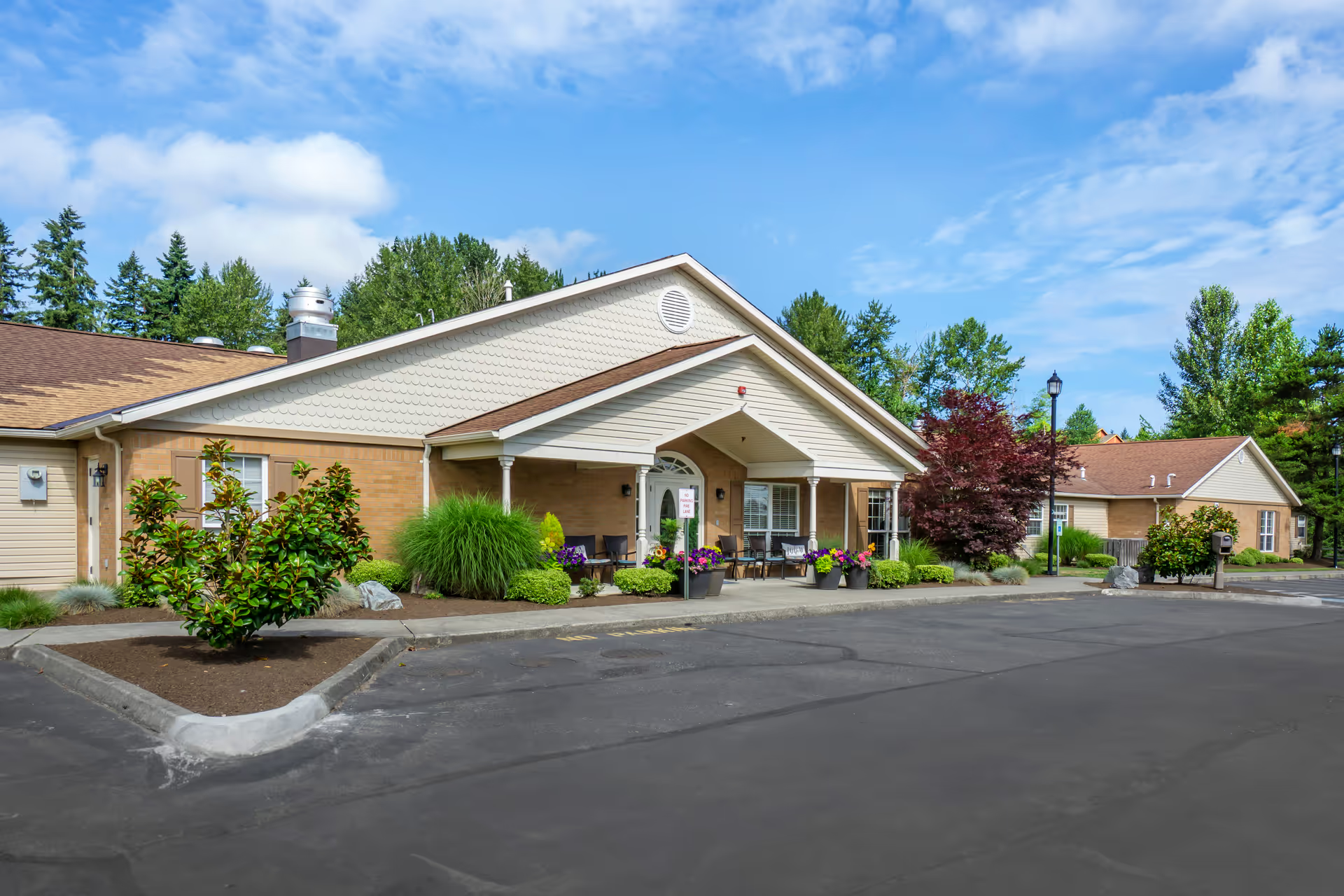
Facility and amenities are frequently described as attractive and well-maintained: spacious apartments with large bathrooms, outdoor walking areas, on-site salon and wellness services, and proximity to a major medical clinic. That said, some reviewers describe localized sanitation and odor concerns in common areas, dated or dark corridor sections, and finishes perceived as inexpensive in places. The community’s size is also a double-edged sword: it supports wide programming and clinical resources but can feel less intimate for those seeking a smaller setting.
Management and administrative patterns show both responsiveness and gaps. Several families commend the executive leadership for creating a respectful, home-like culture and for clear communication. Conversely, other families describe communication breakdowns (appointment scheduling not completed or canceled as requested), confusing fee and spend-down explanations, delayed deposit refunds, and inconsistent follow-through on service requests. Security and personal-property controls are another area flagged for improvement; concerns about unlocked spaces and property controls are noted and worth reviewing during a tour.
Notable patterns and practical guidance: Brookdale Arbor Place offers many of the structural strengths people look for—clinical coverage, on-site therapy, robust social programming, and attractive common spaces—but experiences vary by unit, shift and staff assignment. Prospective residents and families should tour during meal and activity times, observe staffing at shift change, ask for current staffing ratios and medication-safety protocols, clarify the contract and spend-down/Medicaid timeline in writing, and review transportation and security procedures. These checks can help determine whether the community’s strengths align with an individual resident’s clinical needs and expectations for consistency.