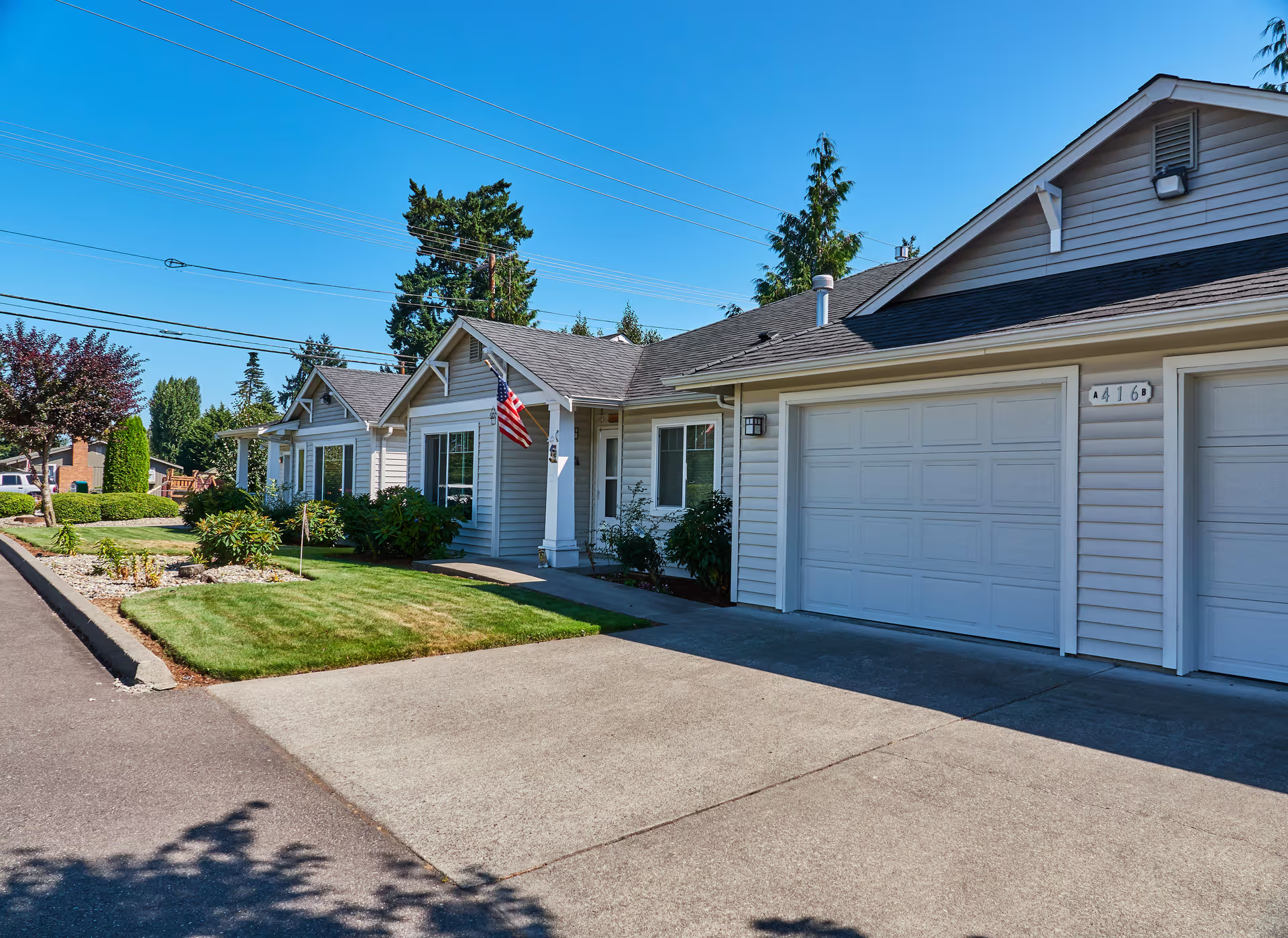
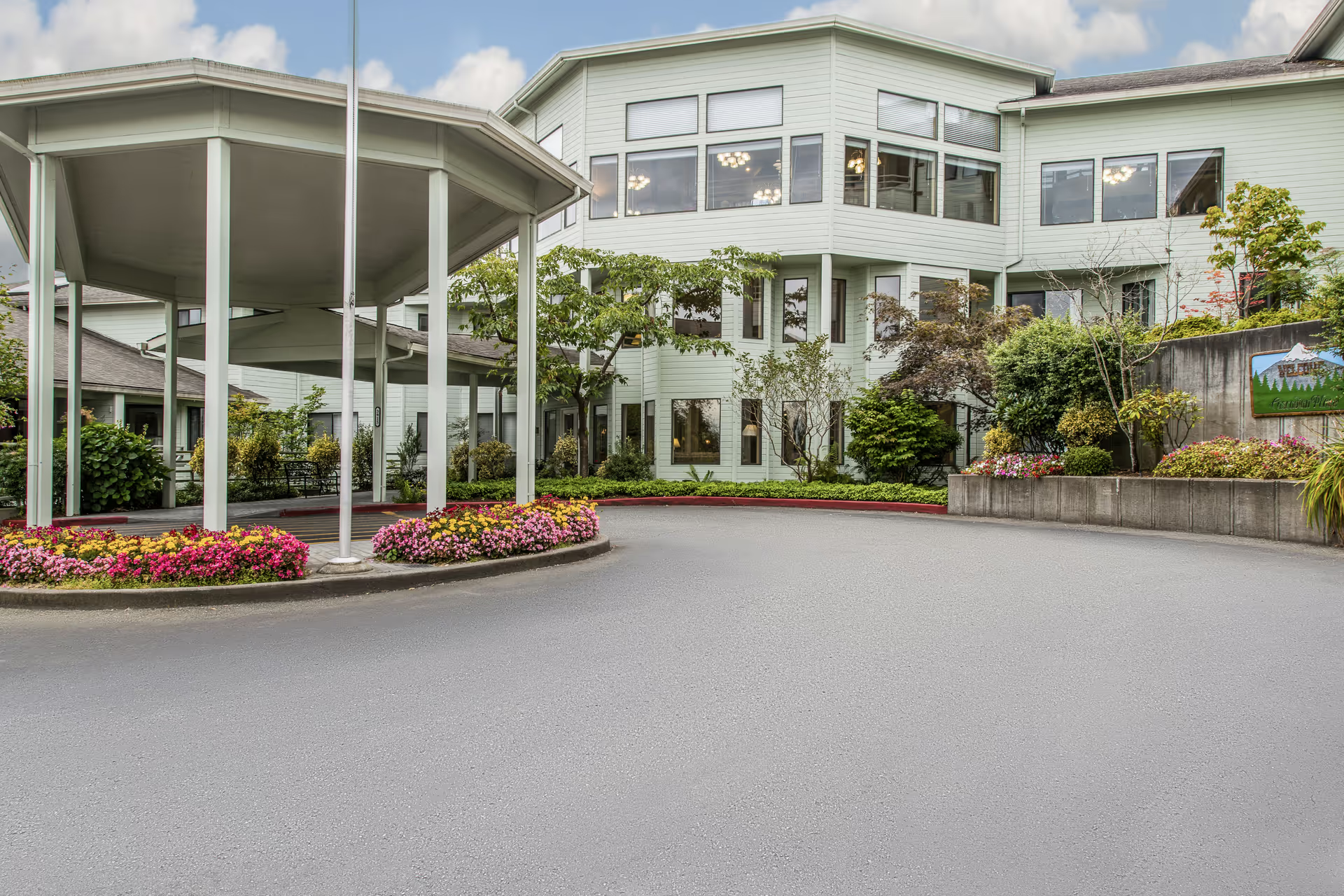
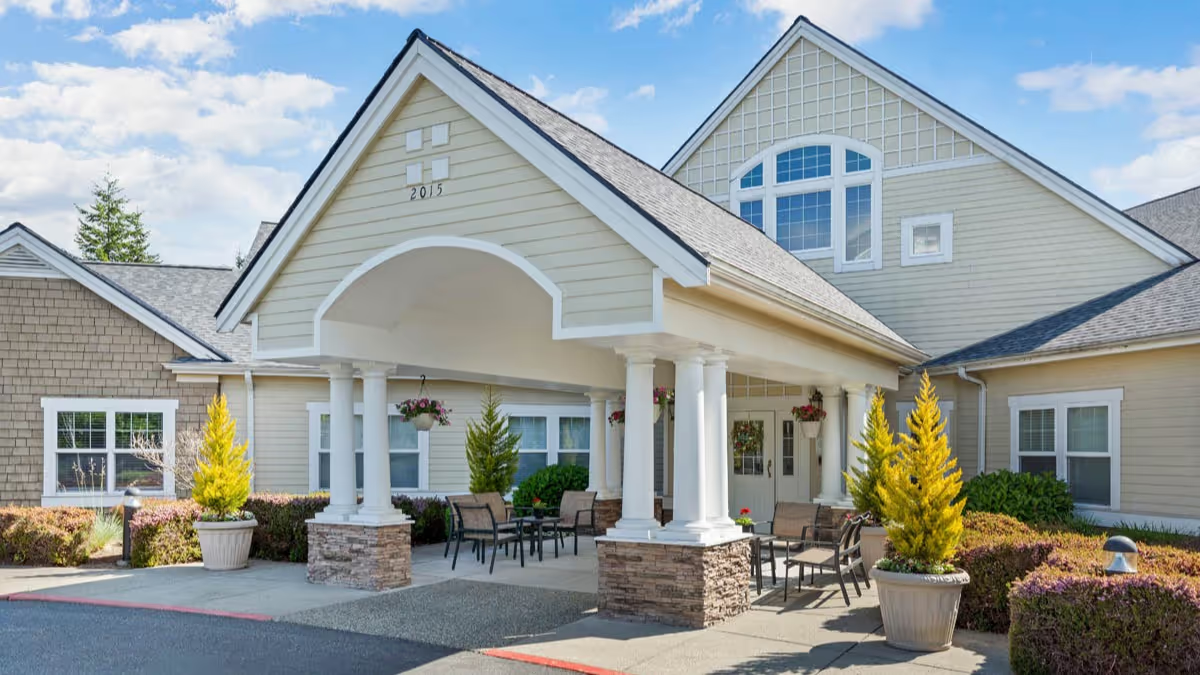
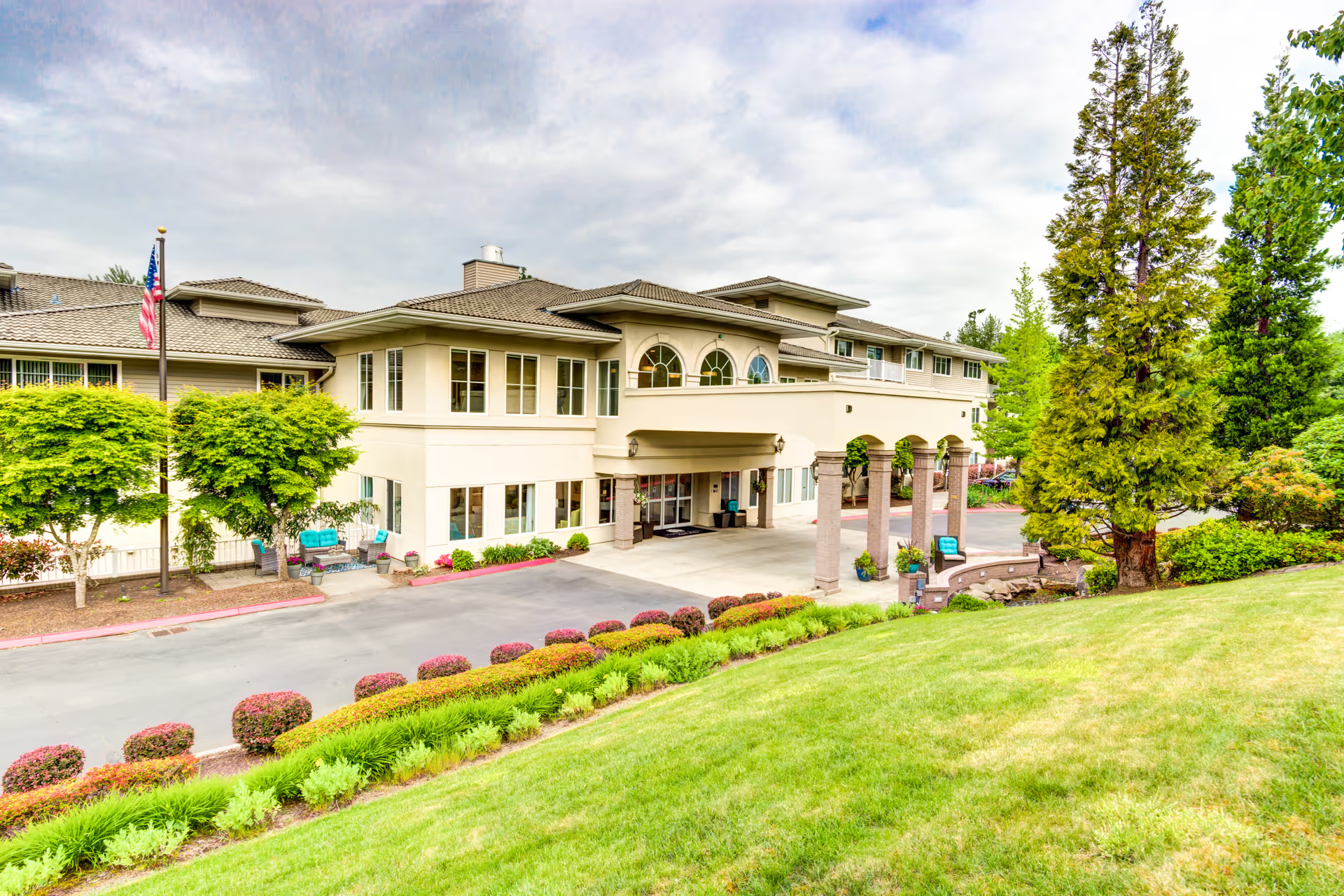
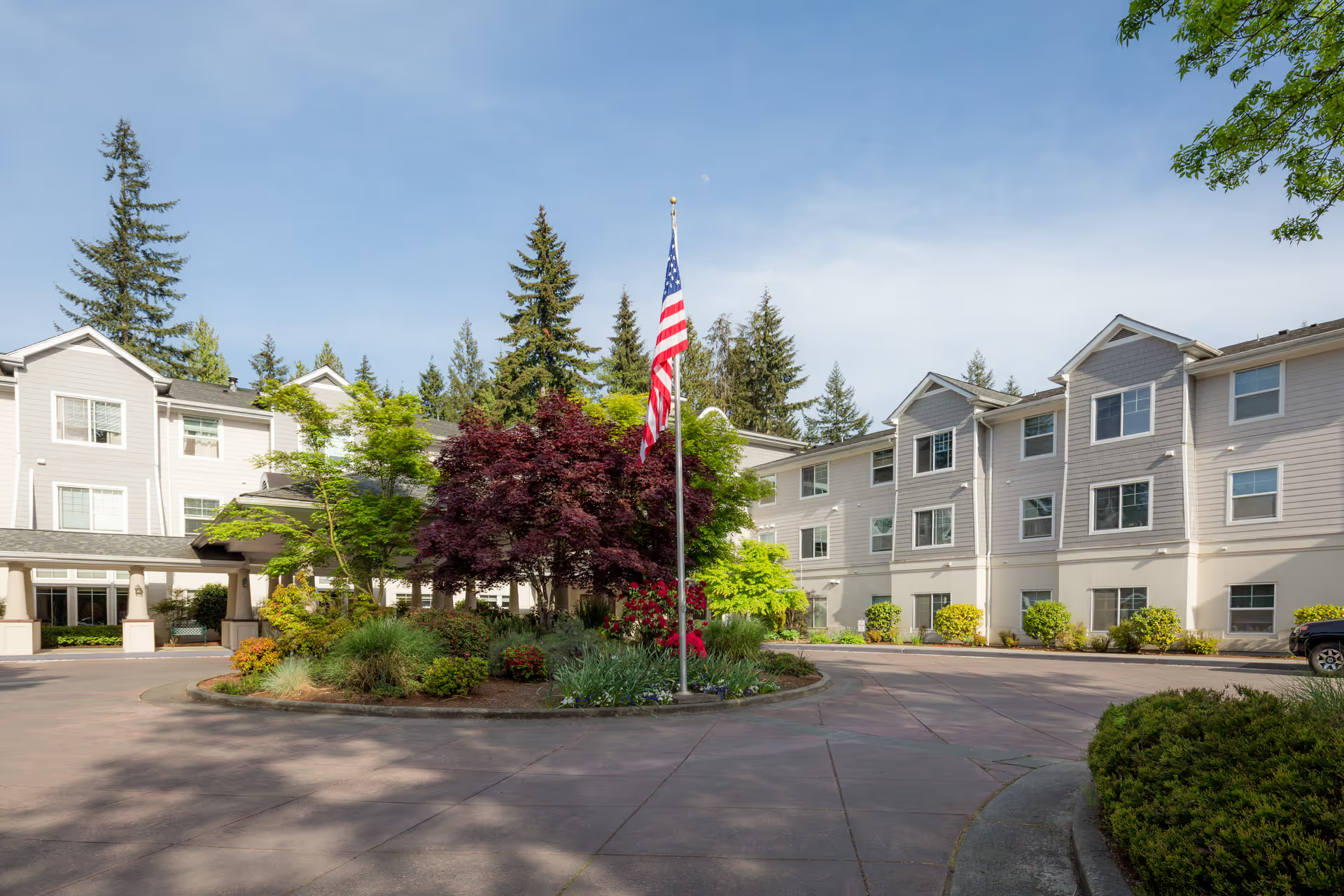
The Terrace at Beverly Lake presents as a small, memory‑care–oriented community with several clear strengths alongside persistent operational inconsistencies. Families frequently highlight a warm, family‑like atmosphere supported by long‑tenured caregivers who are described as compassionate and engaged. The facility’s physical setting — light‑filled common rooms, sizable resident suites, secure outdoor space with lake views, and an on‑site salon — is consistently appreciated and contributes to a home‑style feel. A 24/7 nursing presence and an explicit focus on dementia‑tailored activities are notable programmatic strengths.
Care quality perceptions are mixed but trend toward positive where staffing is stable. Many accounts emphasize individualized attention, respectful interactions, and confidence that residents are treated with dignity; a number of families cited strong care coordination and attentive medtech/nursing staff. However, recurring comments point to inconsistent staffing levels and turnover that can reduce caregiver presence, slow responses during some shifts, and produce variability in routine personal‑care tasks (bathing, grooming, assistance with toileting‑related needs). There are also several items indicating gaps in clinical escalation and family notification practices following incidents; these suggest the need for clearer protocols and communication pathways at times of higher acuity.
Dining and activities are frequently praised, with reports of scratch‑style meals, varied menus, and a robust activity calendar including outings and family dinners. A dedicated activity department and regular therapy‑animal visits contribute to resident engagement. At the same time, observers note variability in meal‑service continuity and occasional limits to kitchen service hours, which can affect resident experience. Activity quality appears strong overall, though language barriers with some staff and variable program consistency were described in a minority of accounts.
Facility condition and operations show a split pattern: several families describe clean, well‑maintained spaces and an aura of tranquility, while others report maintenance backlogs, incomplete repairs, and sanitation inconsistencies — including odor concerns in common areas and instances where rooms required deeper cleaning. These mixed observations point to uneven operational execution rather than a single uniform condition across the building. Related operational issues include reports of missing clothing or personal items; this suggests improvements could be made in inventory controls and property management processes.
Management and front‑office interactions yield divergent impressions. Some reviewers praise responsive, helpful admissions and management staff who facilitated smooth moves and strong ongoing communication. Others describe curt or price‑focused intake conversations, management turnover, and uneven responsiveness from front‑desk personnel. Taken together, the pattern indicates that experiences can vary by shift and by which staff are on duty; consistent leadership practices and stronger handoffs could reduce variability.
In summary, The Terrace at Beverly Lake offers several compelling attributes for families seeking a small, memory‑care‑oriented community: engaged caregiving teams, meaningful activities, quality dining, and attractive common spaces. Prospective residents and families should weigh those strengths against operational variability documented in areas such as staffing consistency, sanitation and maintenance follow‑through, property controls, and some aspects of clinical escalation and communication. For those considering placement, an in‑person visit focused on current staffing levels, examples of recent maintenance and sanitation audits, and specific care‑coordination protocols will help assess whether the community’s current operational cadence matches the prospective resident’s needs.