Overview: Reviews of Benson Heights Rehabilitation Center describe a clear divide between the facility’s frontline caregivers and broader operational or management systems. Many accounts emphasize committed, skilled direct-care staff and a supportive social work team who provide resident-focused assistance, rehabilitation that has improved mobility and independence, and timely emergency responses. At the same time, comments point to systemic weaknesses that families should evaluate before placement.
Care quality and staff: Clinical and caregiving staff receive frequent praise for compassion, patience, and hands-on effectiveness. Several reviews praise nursing presence, rehabilitation outcomes, and staff who help residents remain independent. However, there are repeated concerns about staff professionalism and conduct in some interactions — including dismissive communication with families, insensitivity in end-of-life situations, and at least one set of more serious allegations that prompted external involvement. This creates a mixed portrait: competent and caring caregivers at the unit level, with occasional lapses in conduct or tone that require managerial follow-through.
Dining and activities: There is limited, non-specific feedback about dining in the reviews provided. Activity- and social-work-related commentary is positive: reviewers note an engaged social work team and resident-focused programming that contributes to a sense of community for long-term residents. Prospective families should request current menus and an activities calendar to assess fit.
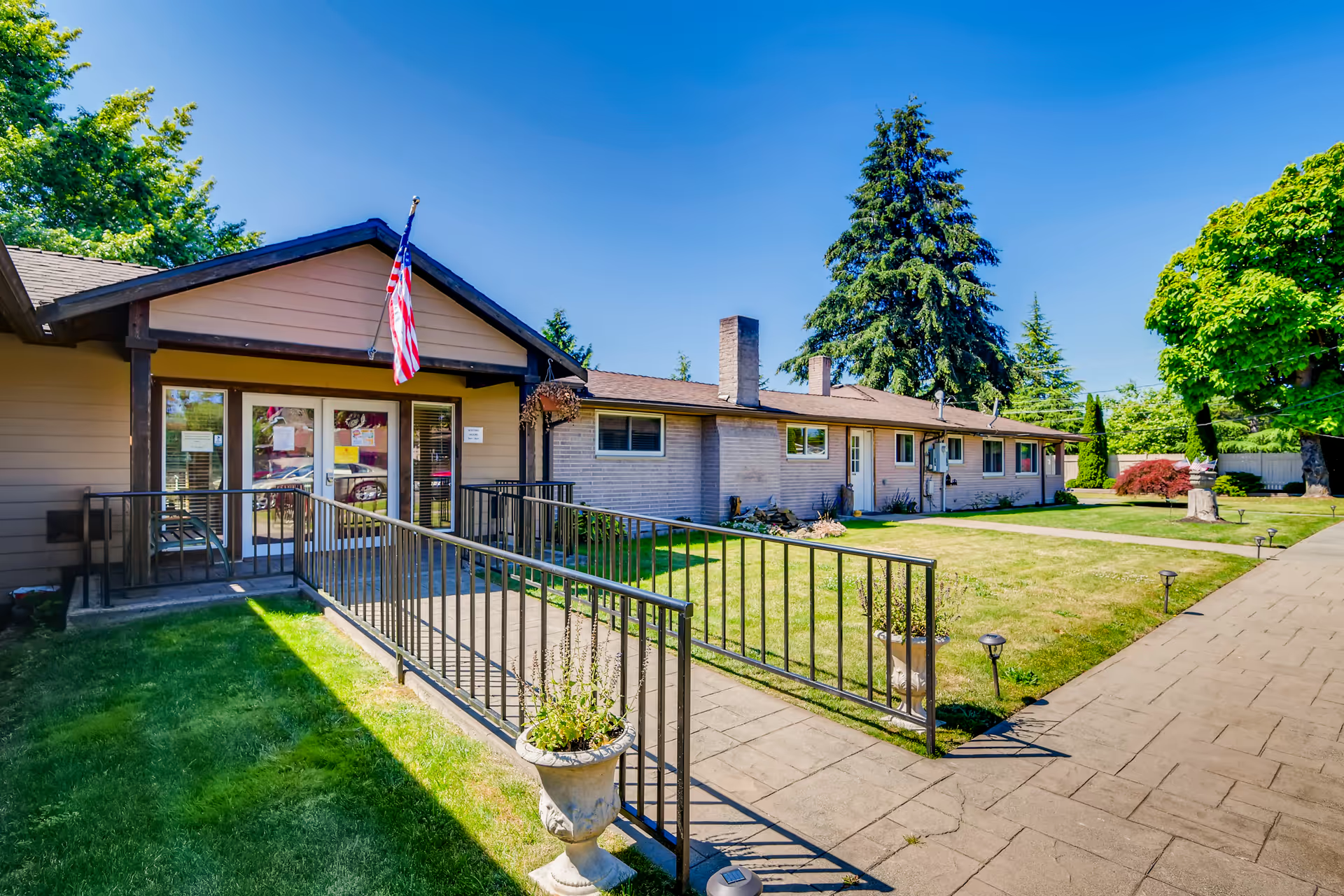
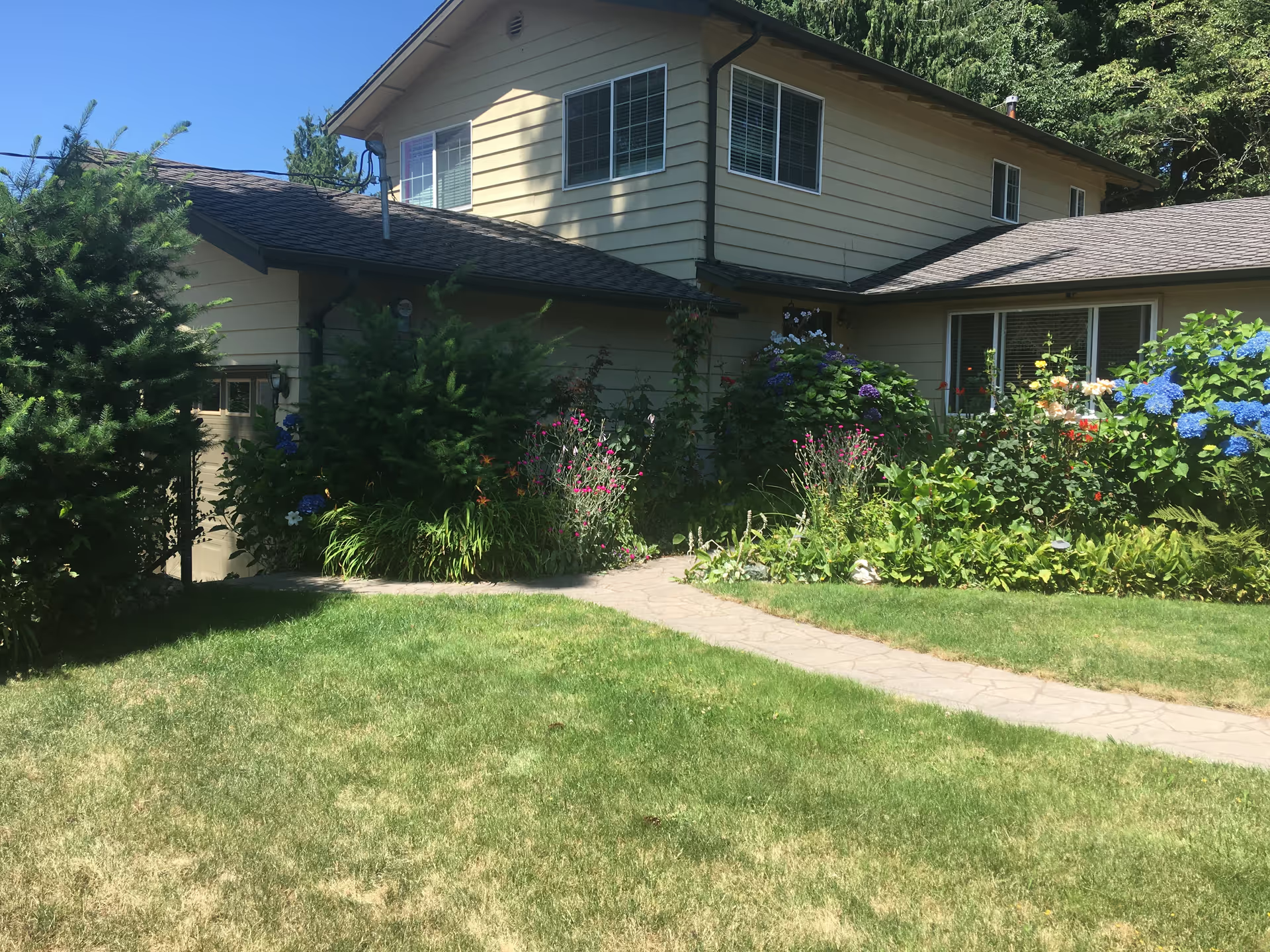
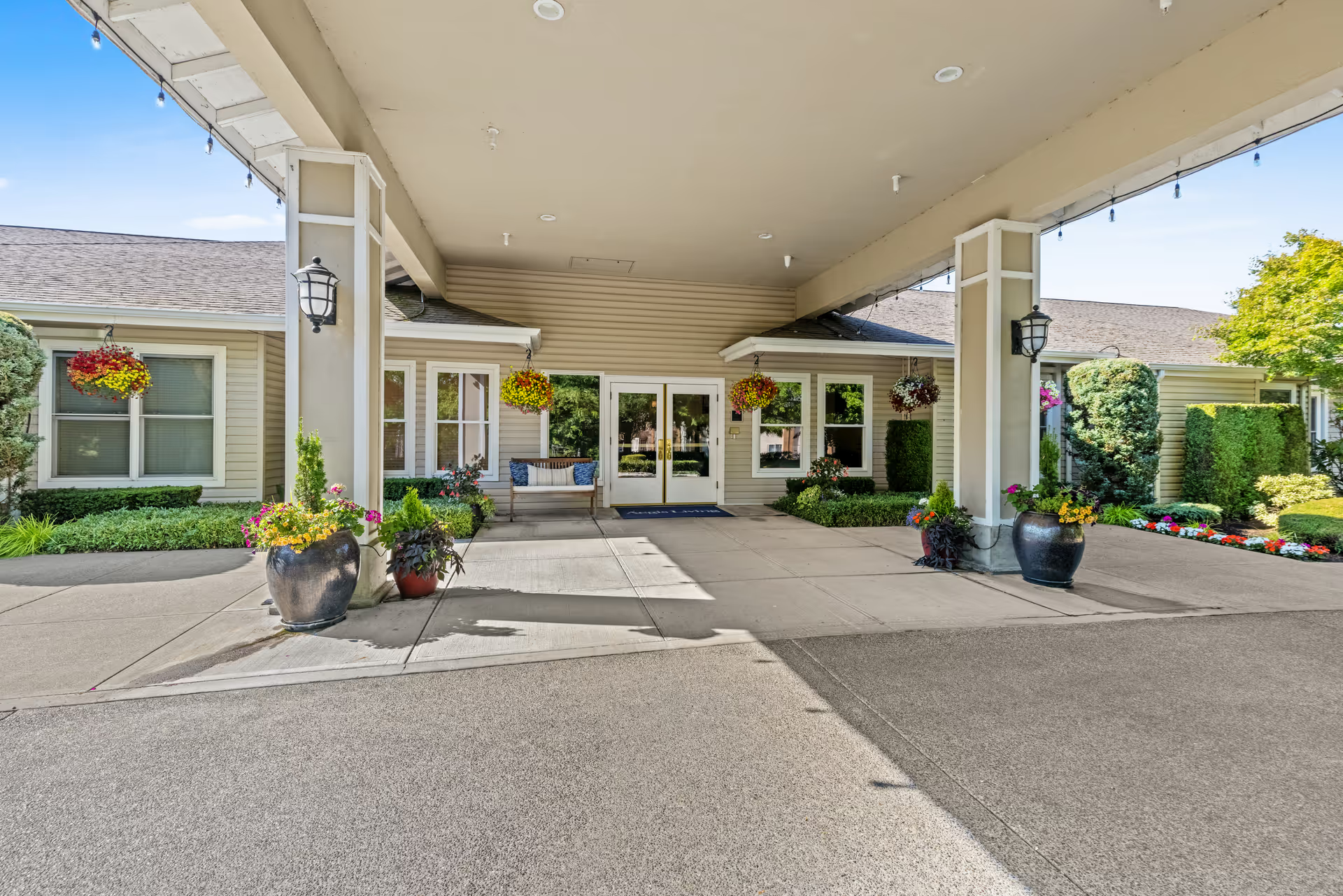
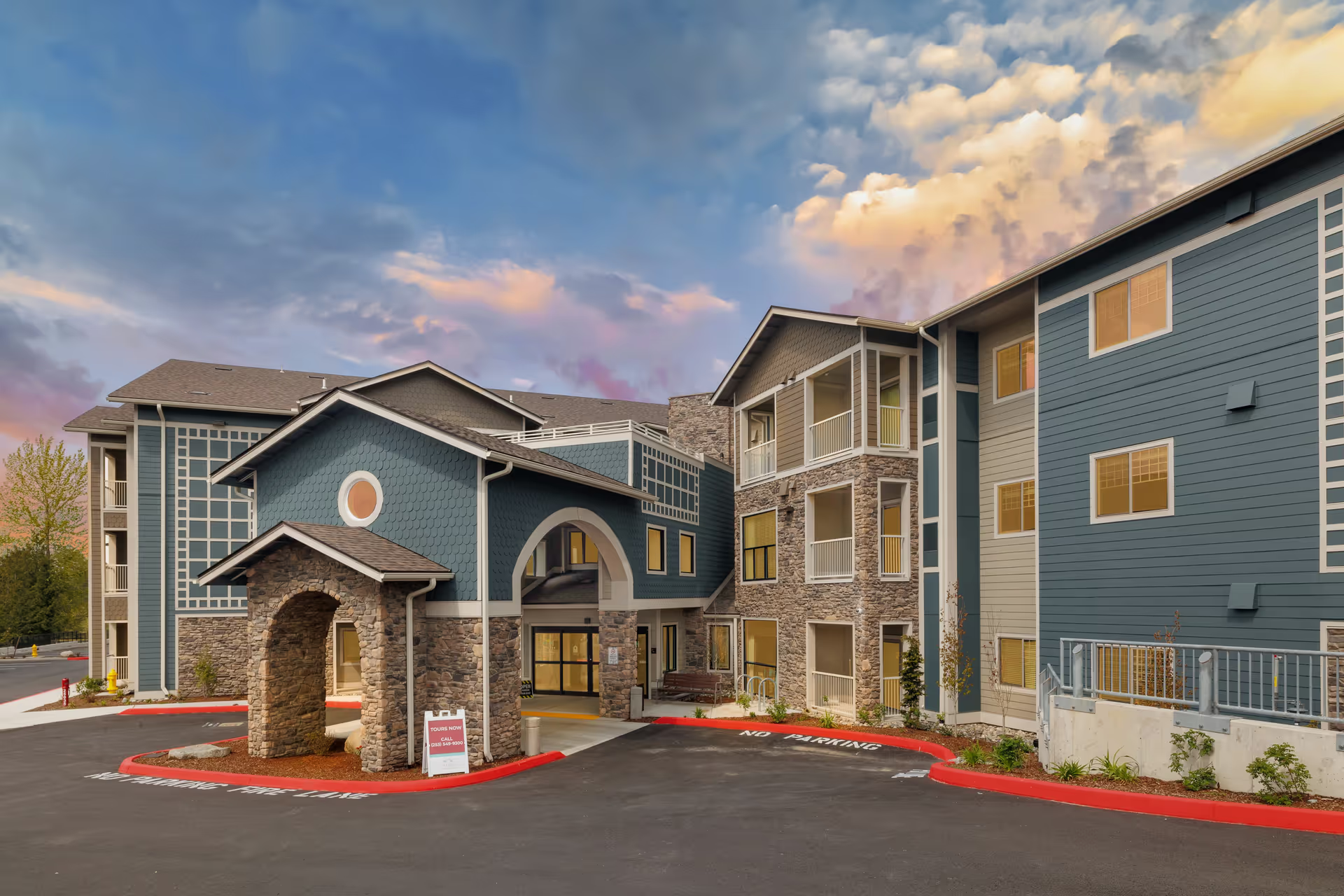
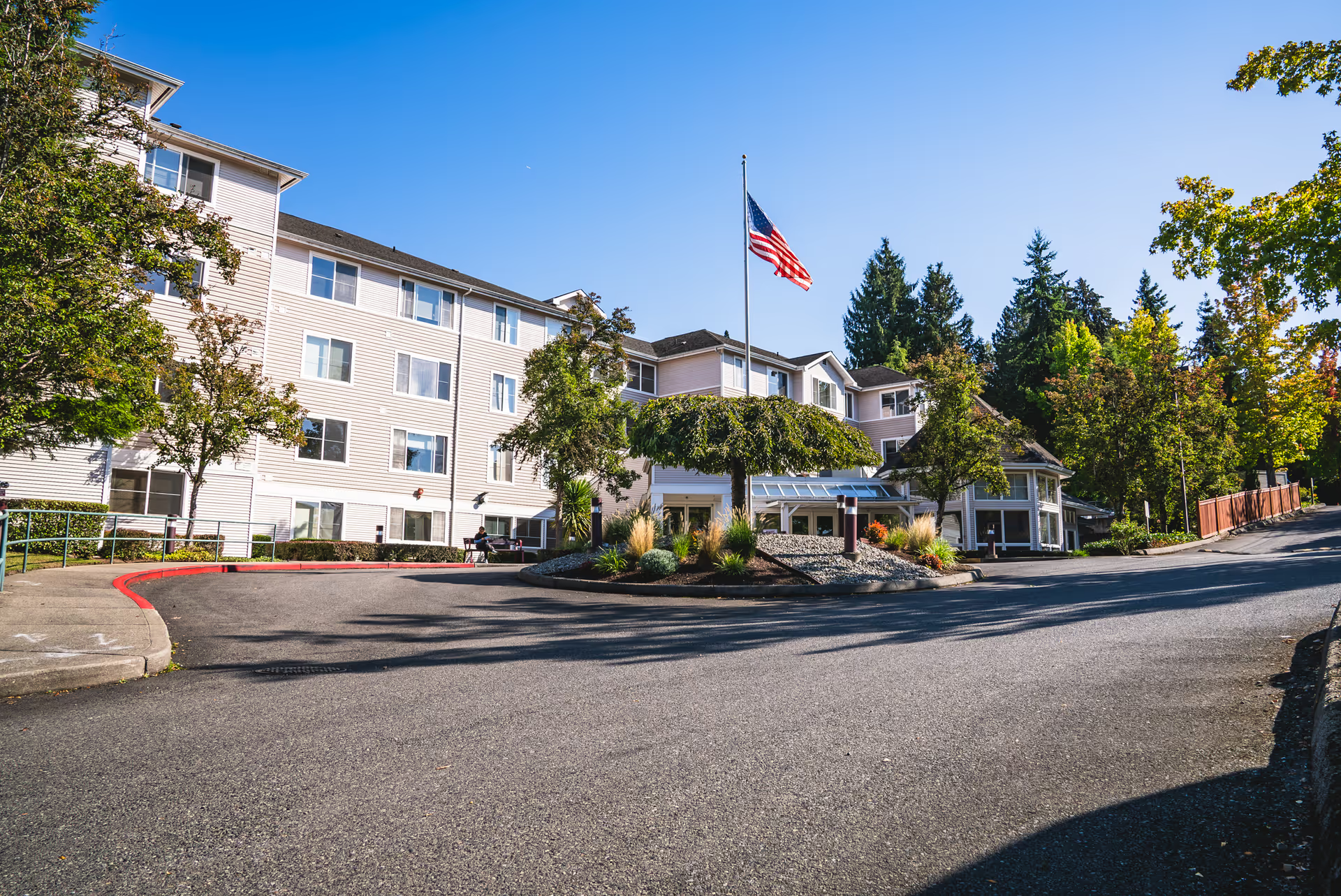
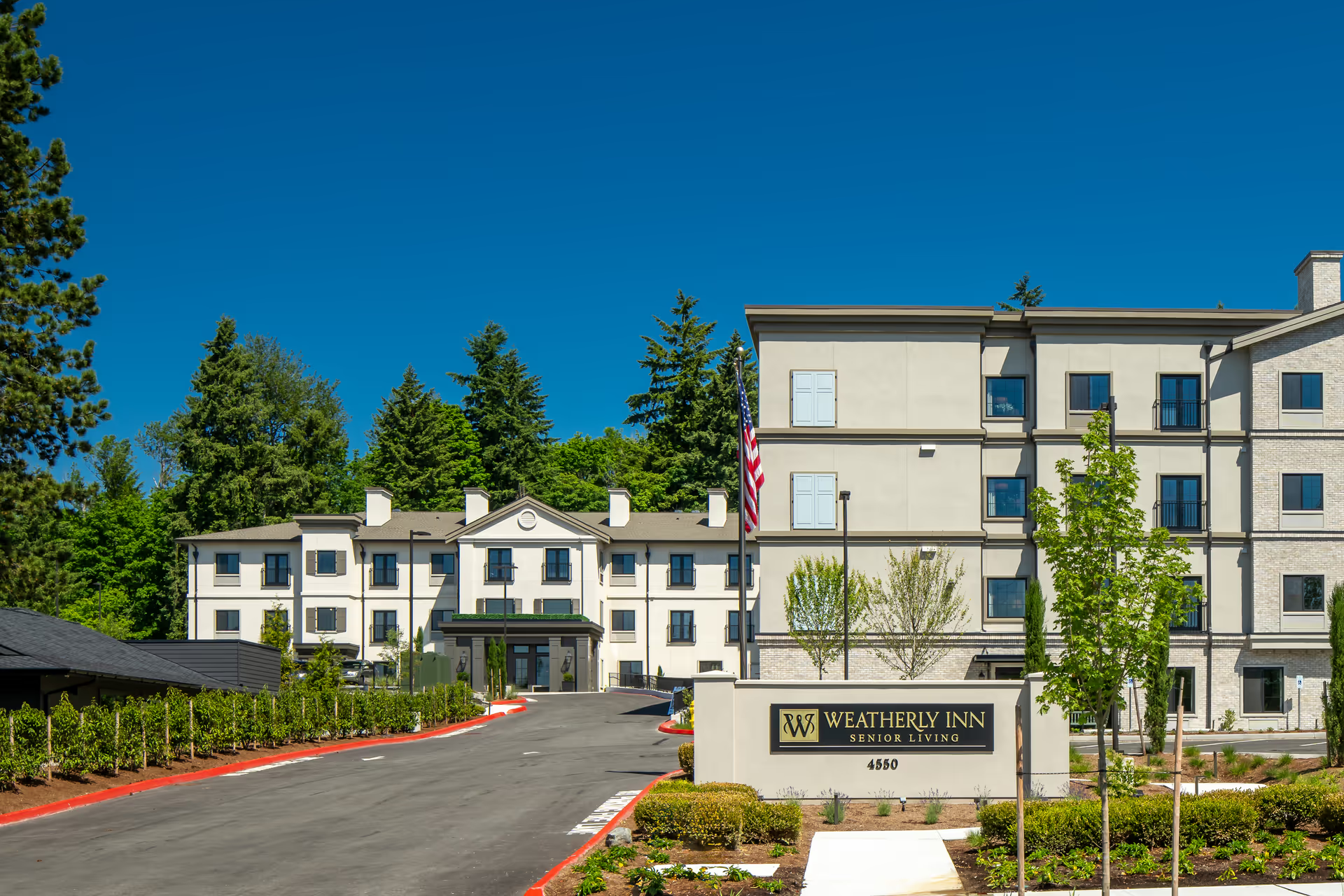
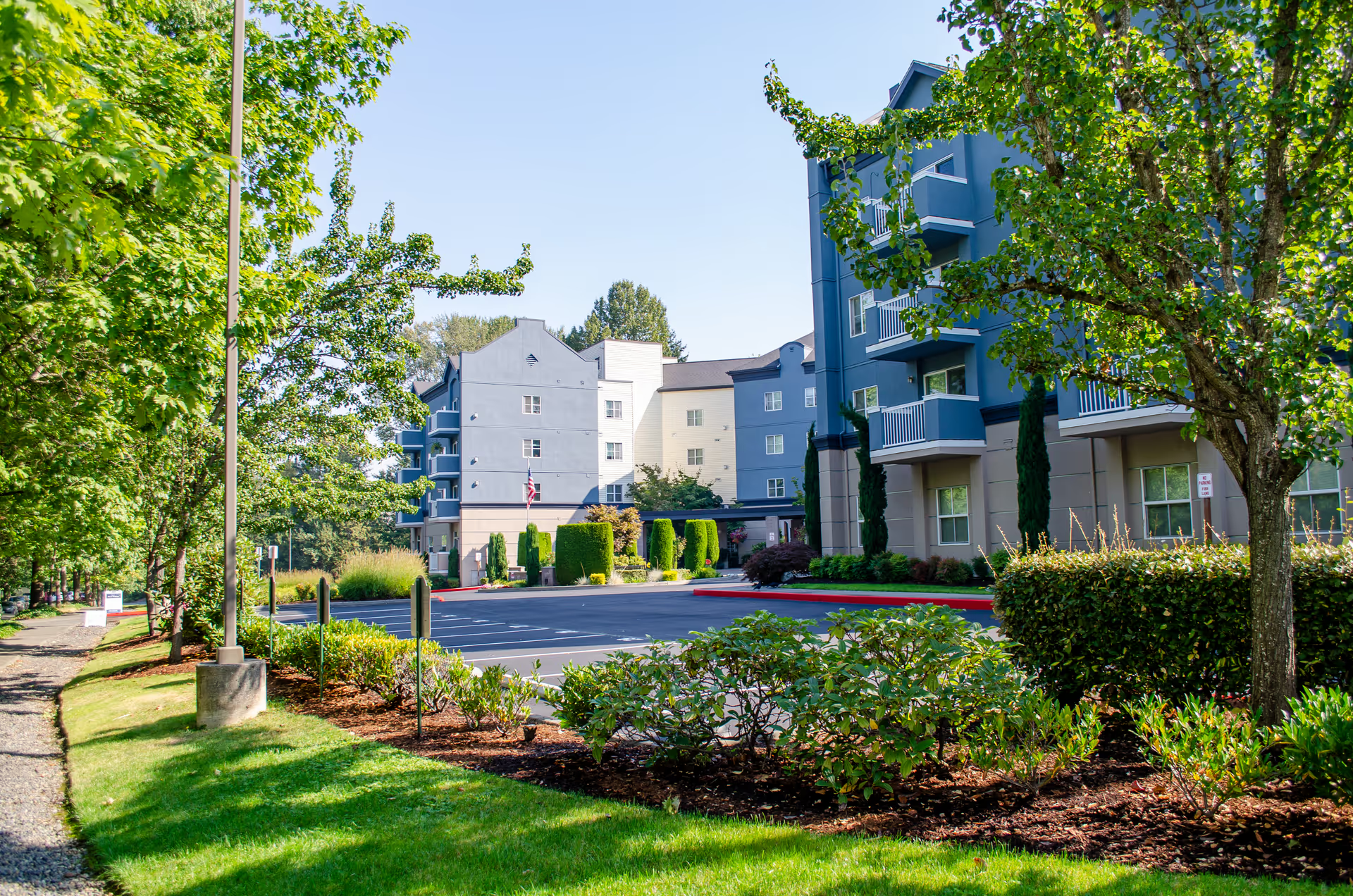
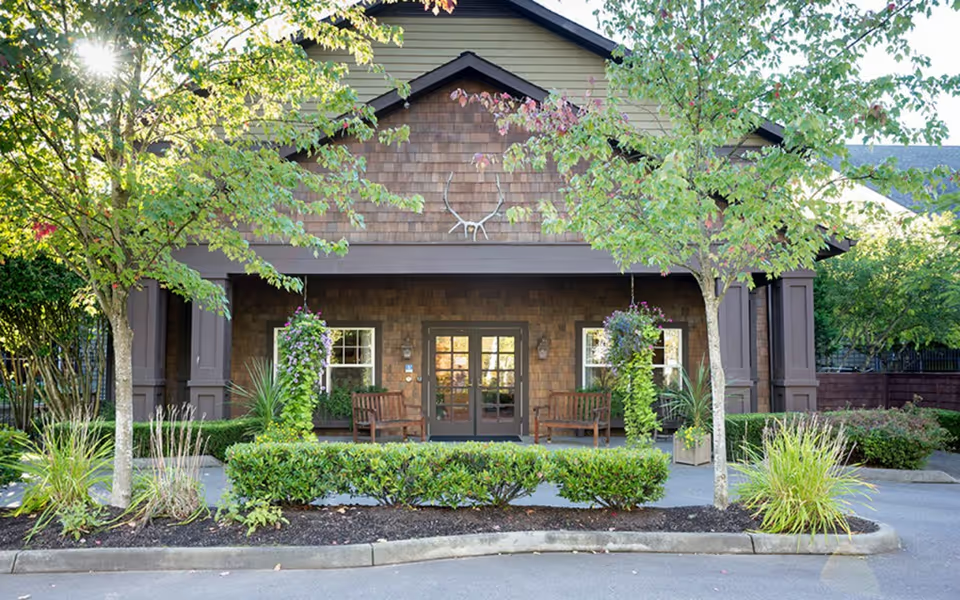
Facilities and maintenance: The building is described as functional rather than newly updated. Several reviewers note dated infrastructure and small maintenance issues (for example, loose bathroom hardware), though common areas are described as cleaner than typical. An ambient strong artificial fragrance in public areas was raised as a concern by some family members. Overall, the physical plant appears serviceable but in need of periodic investment.
Safety, equipment, and belongings: Operational weaknesses were described around medical-equipment oversight (notably oxygen management) and belongings security. Family members reported missing items and theft-like accounts; these concerns point to gaps in inventory controls, key management, and staff accountability. There are also references to at least one serious staff-related incident that led to external protective-services involvement — a pattern that suggests the facility would benefit from stronger incident reporting, investigation, and family communication protocols.
Management and communication: Multiple reviews characterize management as impersonal or insufficiently responsive when families raise concerns. Reviewers requested better communication practices, more sensitive handling of end-of-life events, clearer explanations when incidents occur, and improvements in oversight. Where leadership is perceived as engaged, reviewers describe more positive outcomes; where leadership is perceived as distant, operational problems appear to persist.
Notable patterns and recommendation: The dominant pattern is a strong frontline caregiving team operating within a facility that shows operational and managerial inconsistencies. Strengths include compassionate direct care, rehabilitation gains, and supportive social work. Risks include belongings-security gaps, equipment-management concerns, inconsistent personalization of care, and reports of serious staff-conduct incidents. Prospective residents and families should weigh the visible strengths of the caregiving staff against the facility-level governance and safety practices: ask for current incident logs, policies for personal-item security, medical-equipment maintenance records, staffing-stability metrics, and recent survey or licensing reports to determine whether management has addressed the cited gaps.