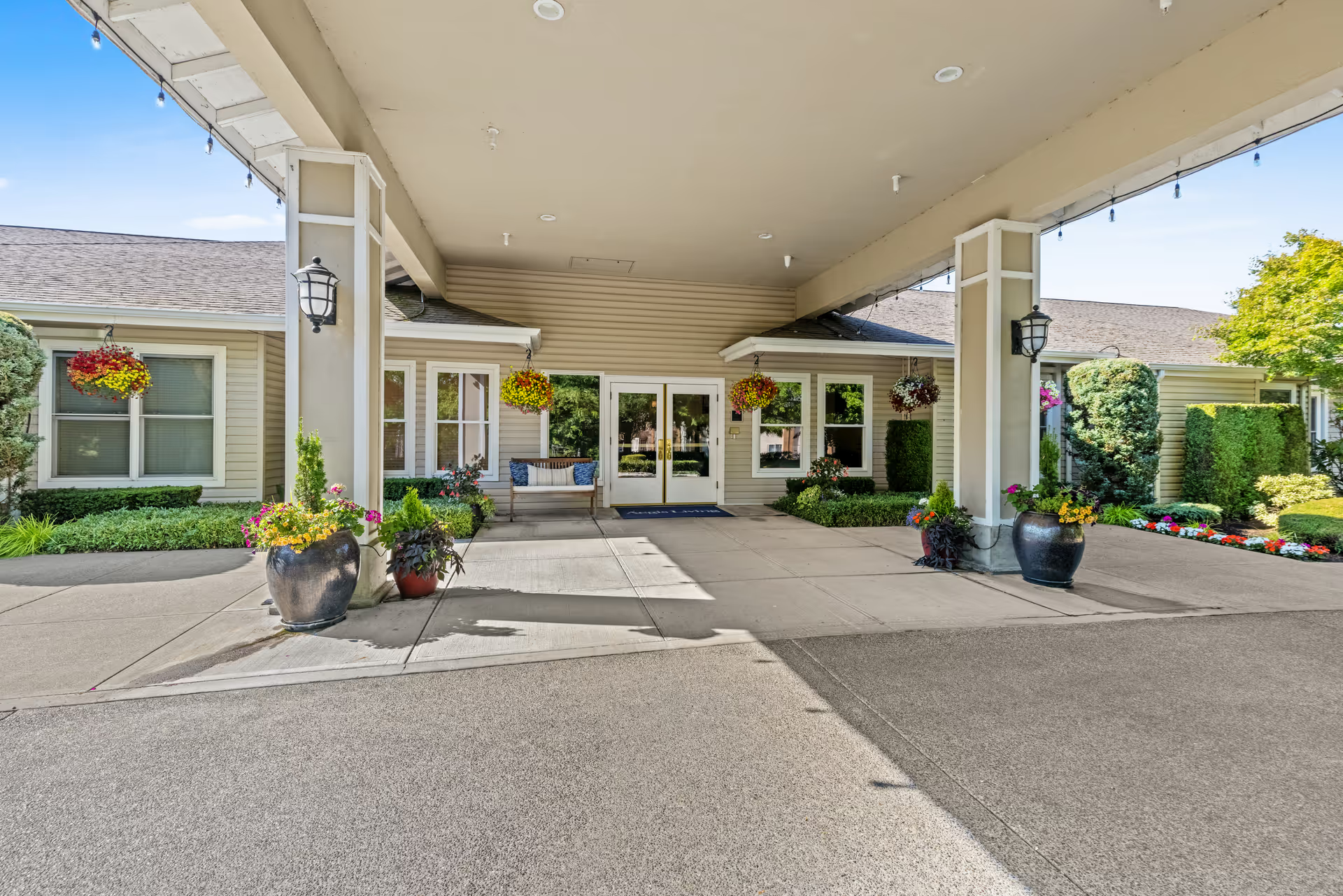
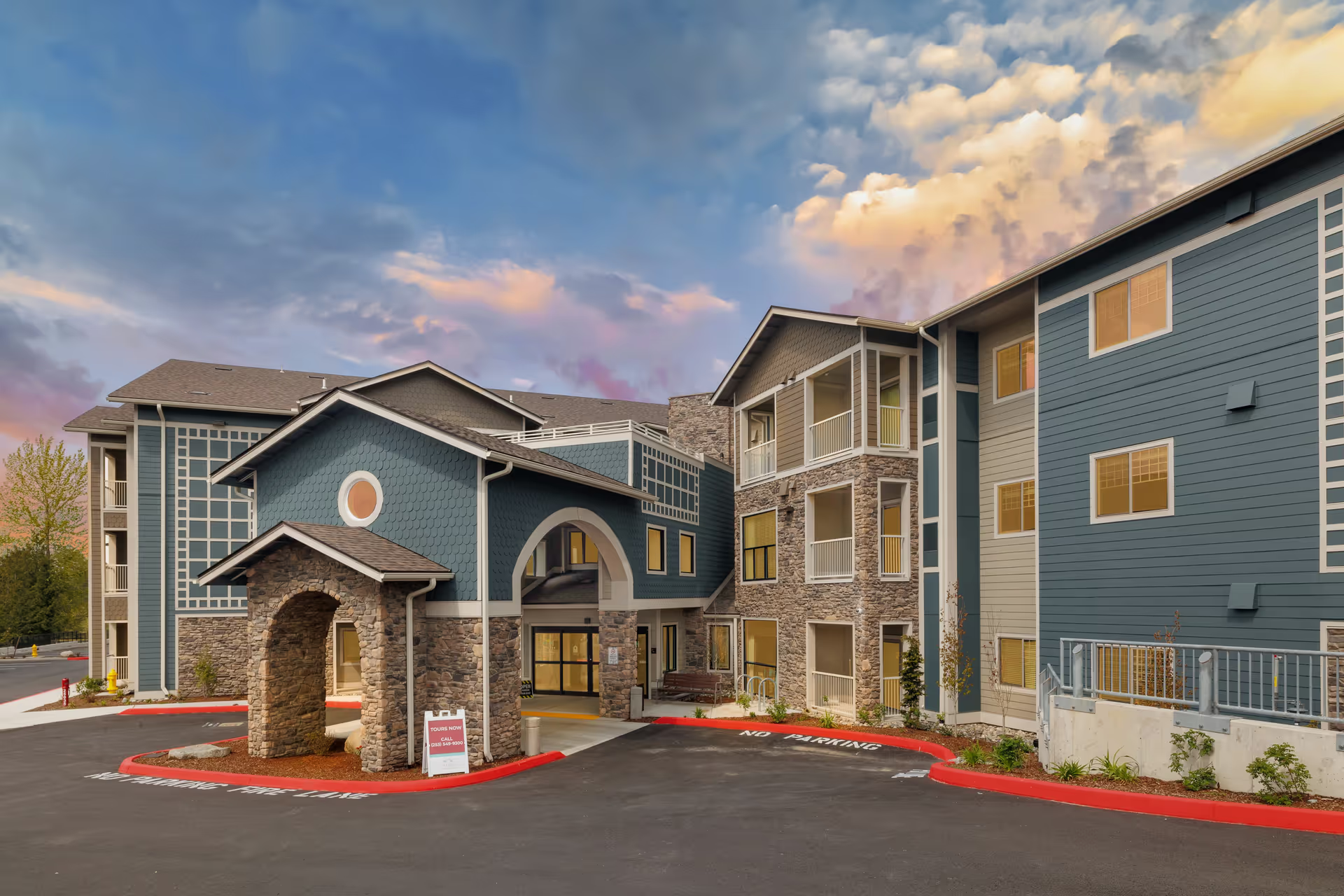
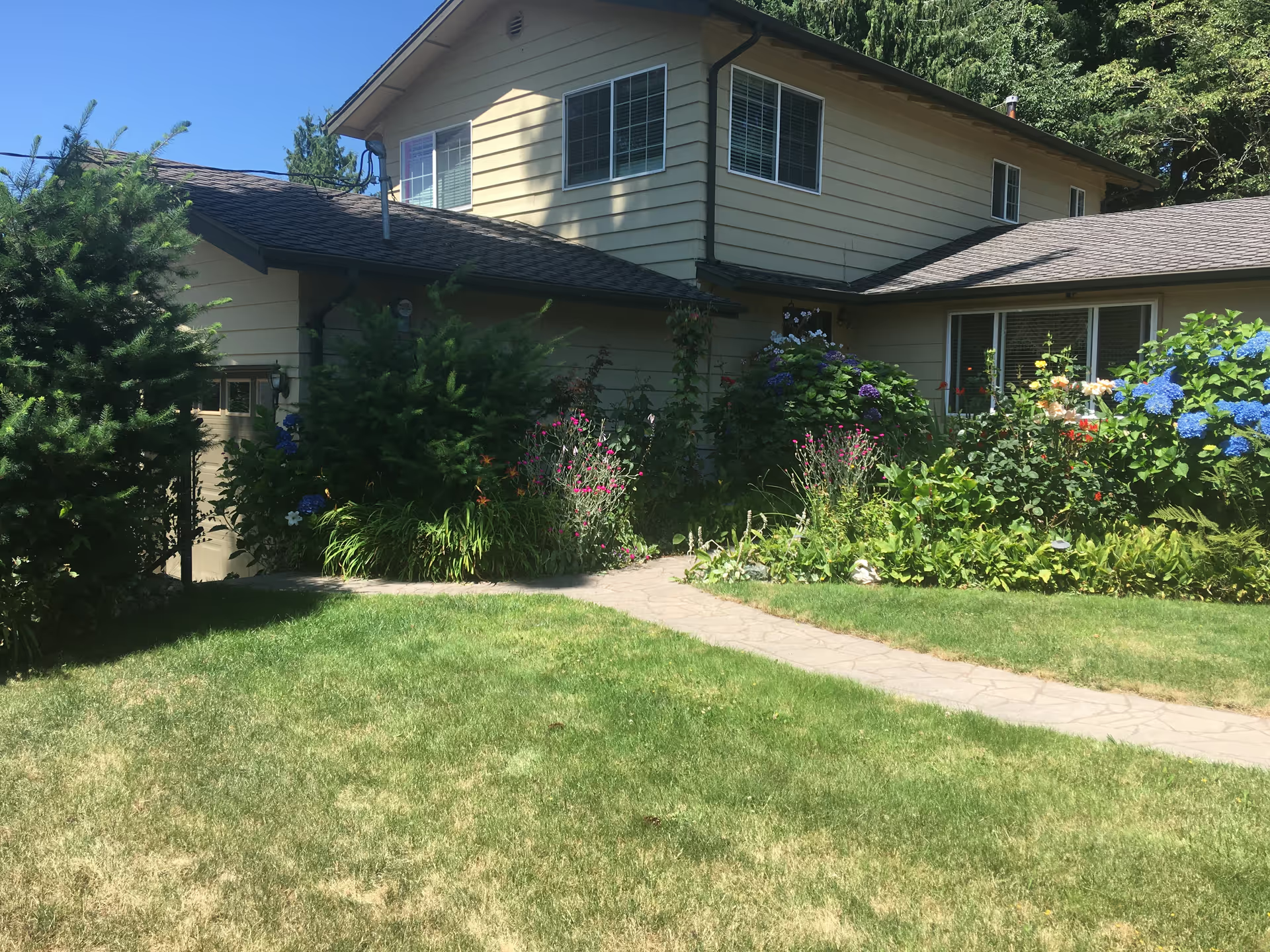
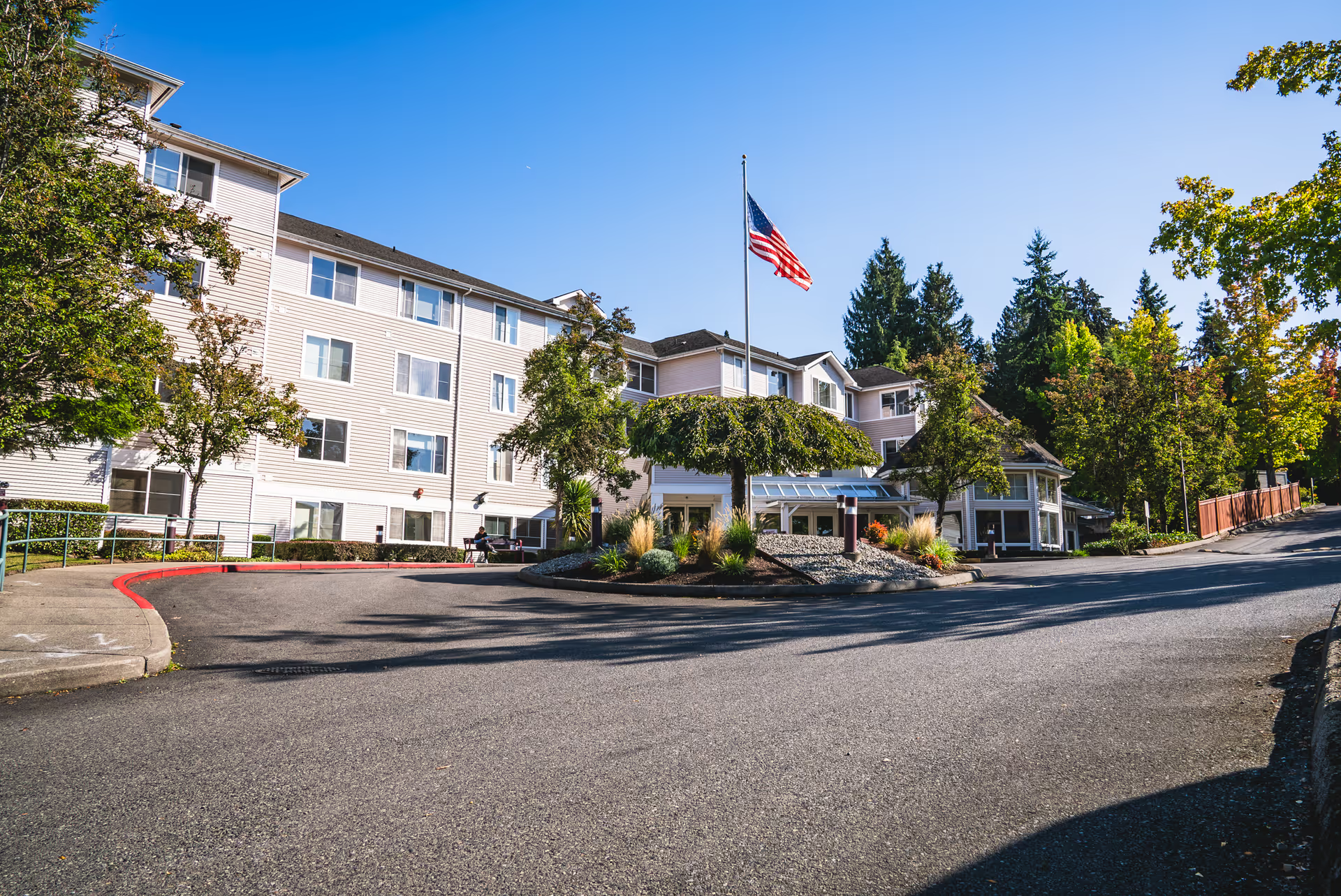
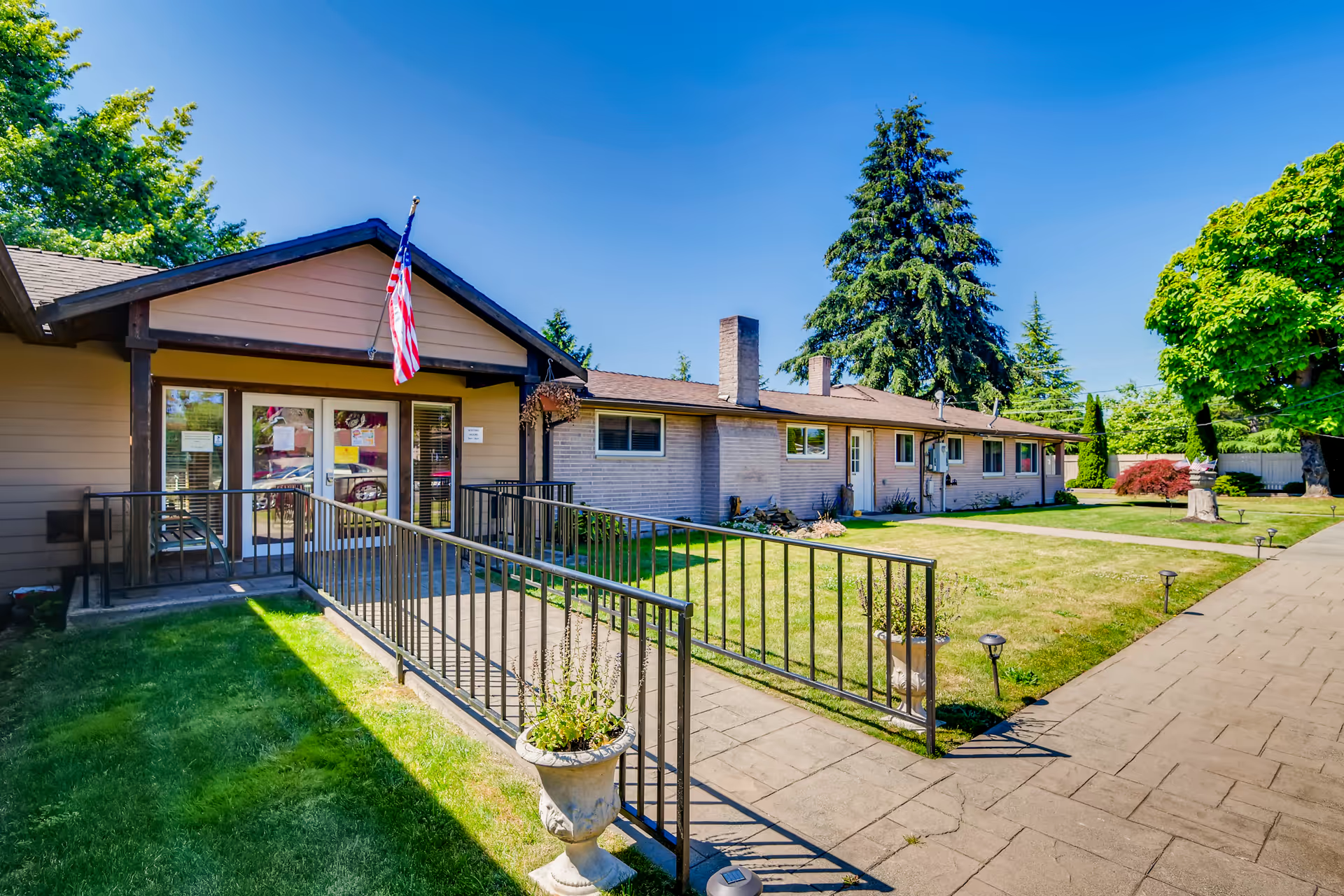
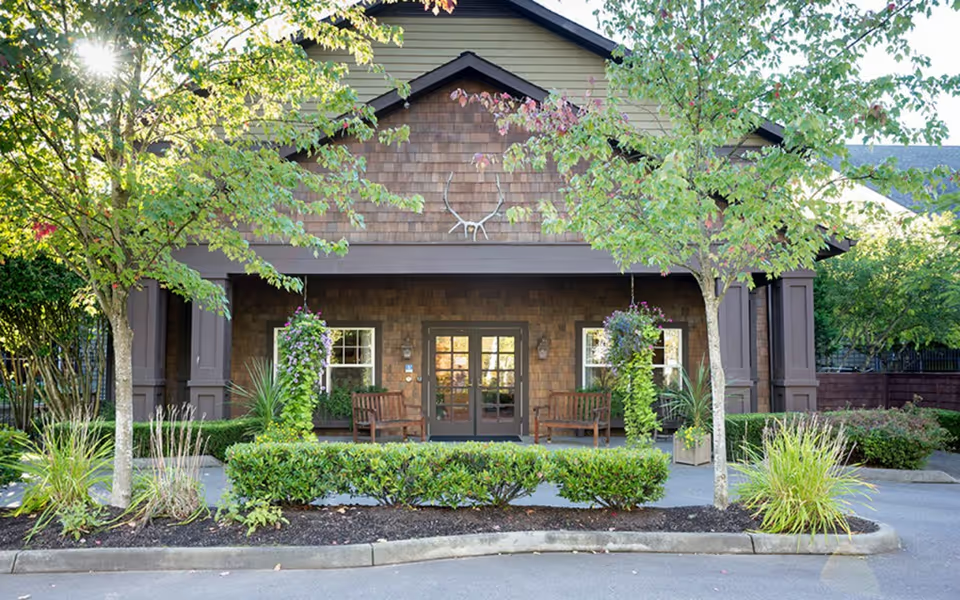
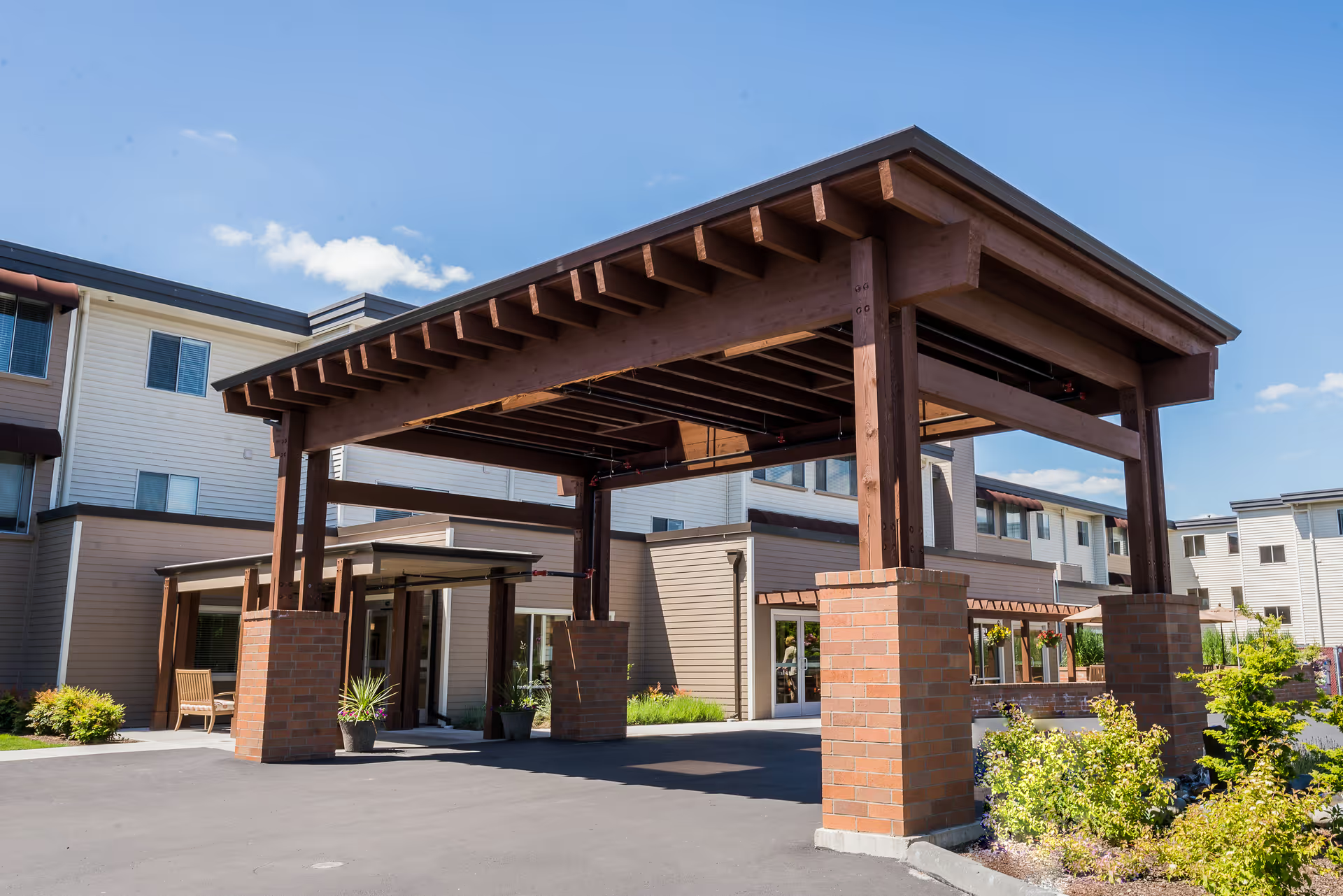
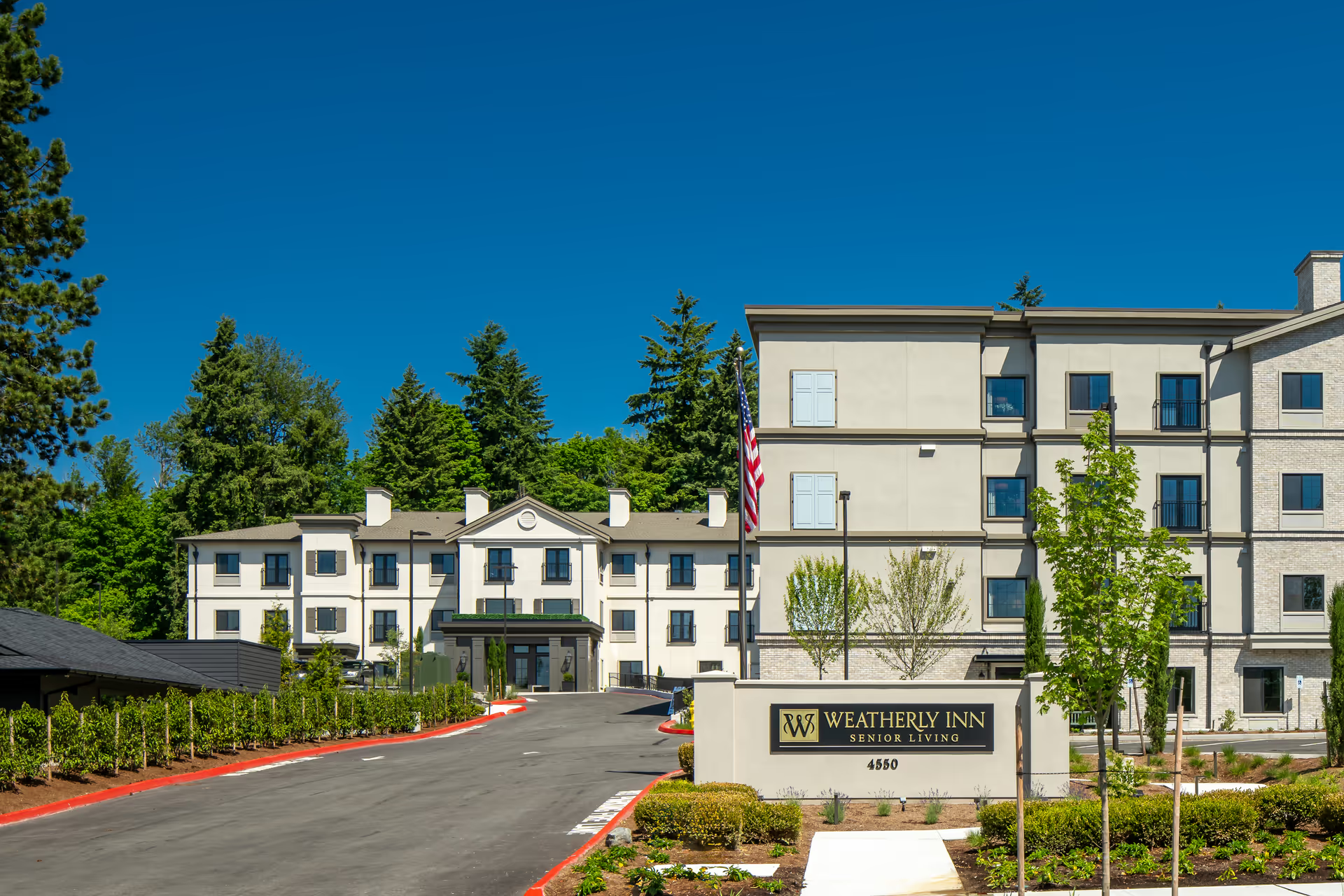
The reviews present a consistent picture of a small, home-style senior living setting that emphasizes person-centered care and household-level comforts. Families and visitors repeatedly describe caregivers as compassionate, respectful, and attentive; residents are portrayed as being treated as valued individuals. Communication with families is highlighted as clear and responsive, and the owner–operator is described as engaged and accessible. These elements suggest a care model oriented toward individualized attention and relationship-based caregiving.
Operationally, reviewers emphasize strong housekeeping and sanitation, noting consistently clean common areas and resident rooms. Dining receives positive comments as well — meals are described as well prepared and satisfactory for residents. The program of daily activities is characterized as active and plentiful, supporting social engagement and routine. Together, the physical environment and programmatic offerings create a comfortable, safe, and family-oriented atmosphere that visitors and families recommend.
Staff are portrayed as professional, reliable, and supportive; descriptors such as kind, loving, and helpful occur frequently. This aligns with the facility’s family-style identity and suggests relatively low staff turnover or at least a stable caregiving team in the impressions provided. Management appears to be hands-on, with the owner playing a visible role in operations and family communication, which reviewers view positively for responsiveness and accountability.
Notable patterns and considerations: the reviews concentrate on personal care, cleanliness, meals, and social programming rather than on advanced clinical or rehabilitative services. For prospective residents with higher-level medical or skilled nursing needs, the facility’s small, home-like model may mean limited on-site clinical capabilities. The same small-scale, owner-centered structure that supports close relationships and responsive communication can also create dependency on a single manager for continuity; families should confirm backup leadership, staffing plans, and access to external clinical resources. Overall, the feedback indicates high family satisfaction with day-to-day care and environment, while recommending that those with complex medical needs verify the facility’s clinical scope and capacity before deciding.