Overall impression: Farrington Court projects a consistent emphasis on person‑centered care, social engagement, and hospitality. Reviewers overwhelmingly highlight compassionate, long‑tenured staff and visible leadership presence; many families describe attentive clinical coverage including a 24‑hour RN and LPN shifts, proactive maintenance, and dedicated family‑advisor support during move‑ins and care transitions. The community is frequently characterized as home‑like and family oriented, with staff knowing residents by name and providing personalized attention.
Care quality and staffing: Clinical resources on site (nursing coverage, Med‑Techs, and coordinated medication management) are a clear strength, and staff responsiveness is often praised. That said, feedback also indicates variability: some accounts describe slow call‑button responses, service delays, and episodes of staff turnover. These constitute operational risks that prospective families should clarify during a tour — specifically current staffing ratios, typical response times, and escalation procedures.
Dining and activities: Dining is a standout feature for many residents — restaurant‑style meals prepared from scratch, flexible dining hours (often open well into the evening), and accommodations for special requests. Activity programming is robust, with a high volume of daily options (exercise, games, music, outings, religious services, and themed events) and regular transportation for errands and appointments. Social life and new friendships are commonly cited benefits.
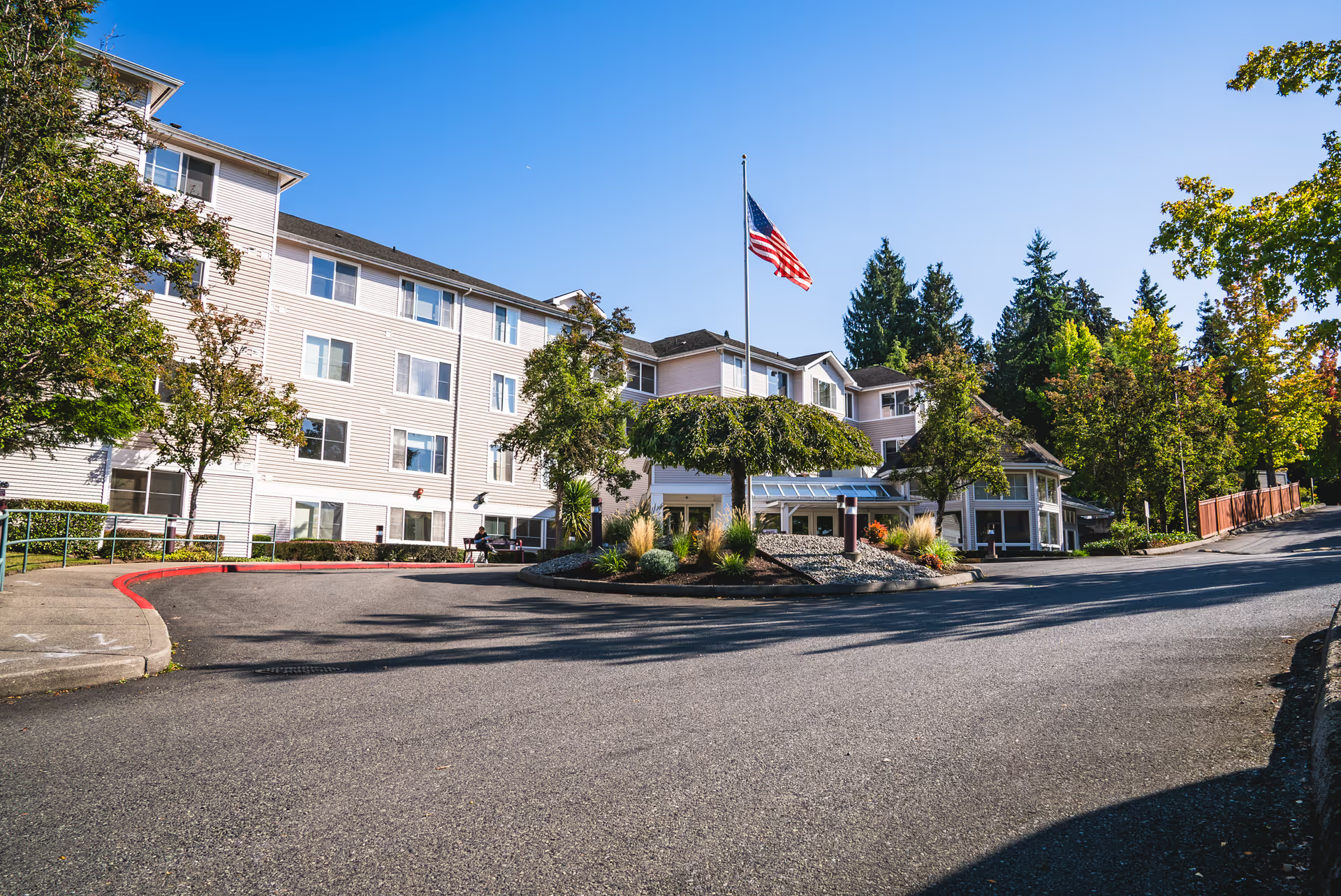
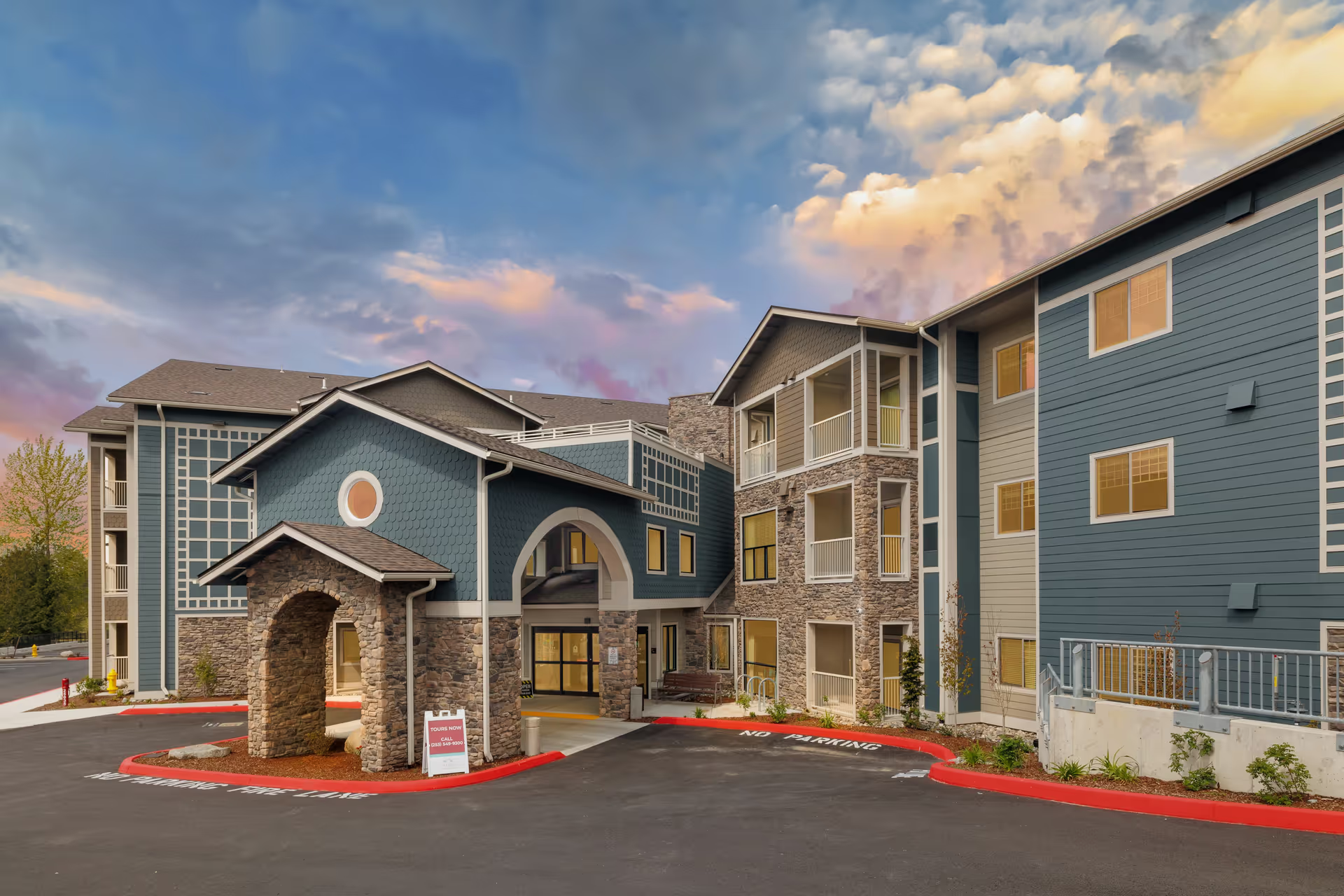
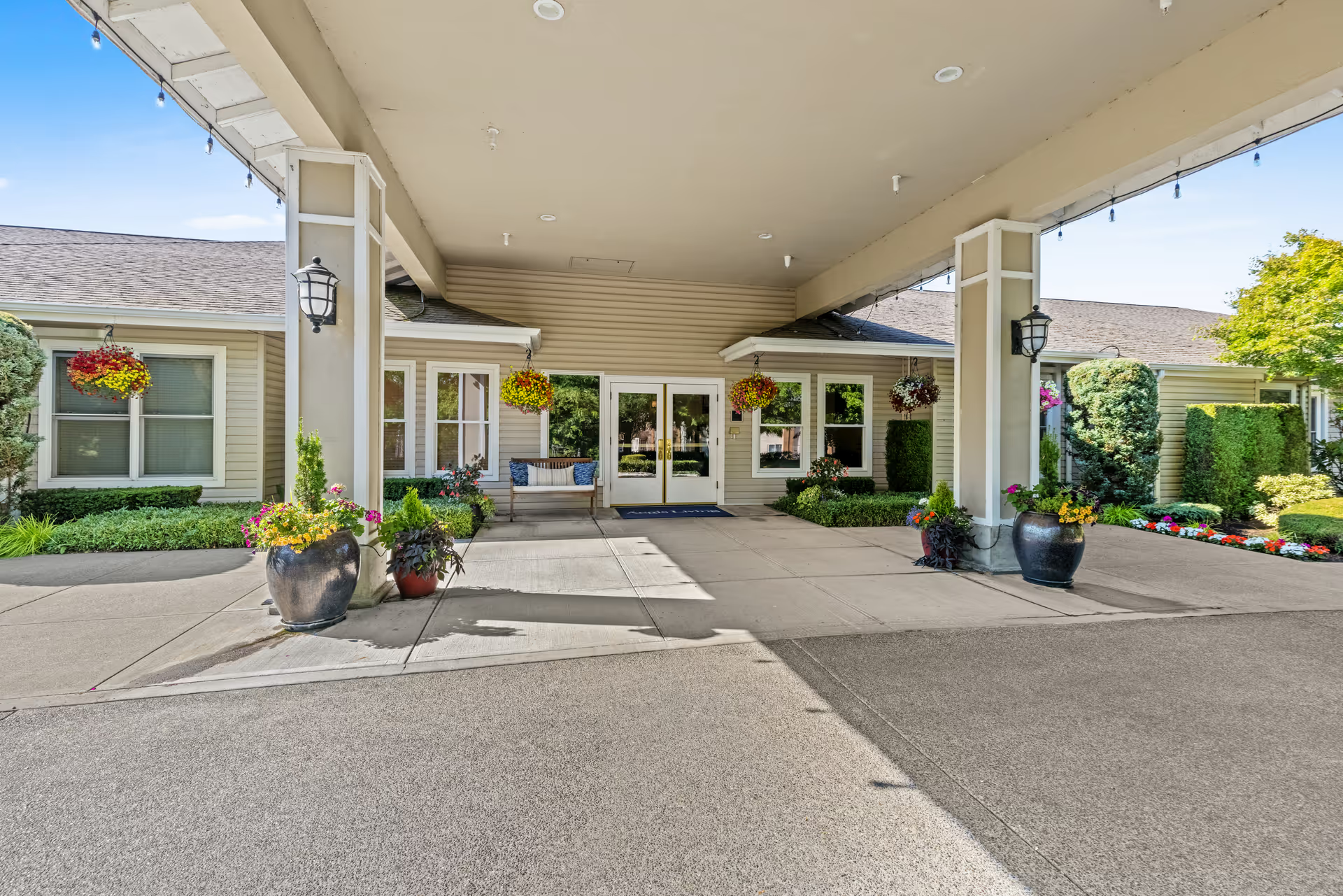
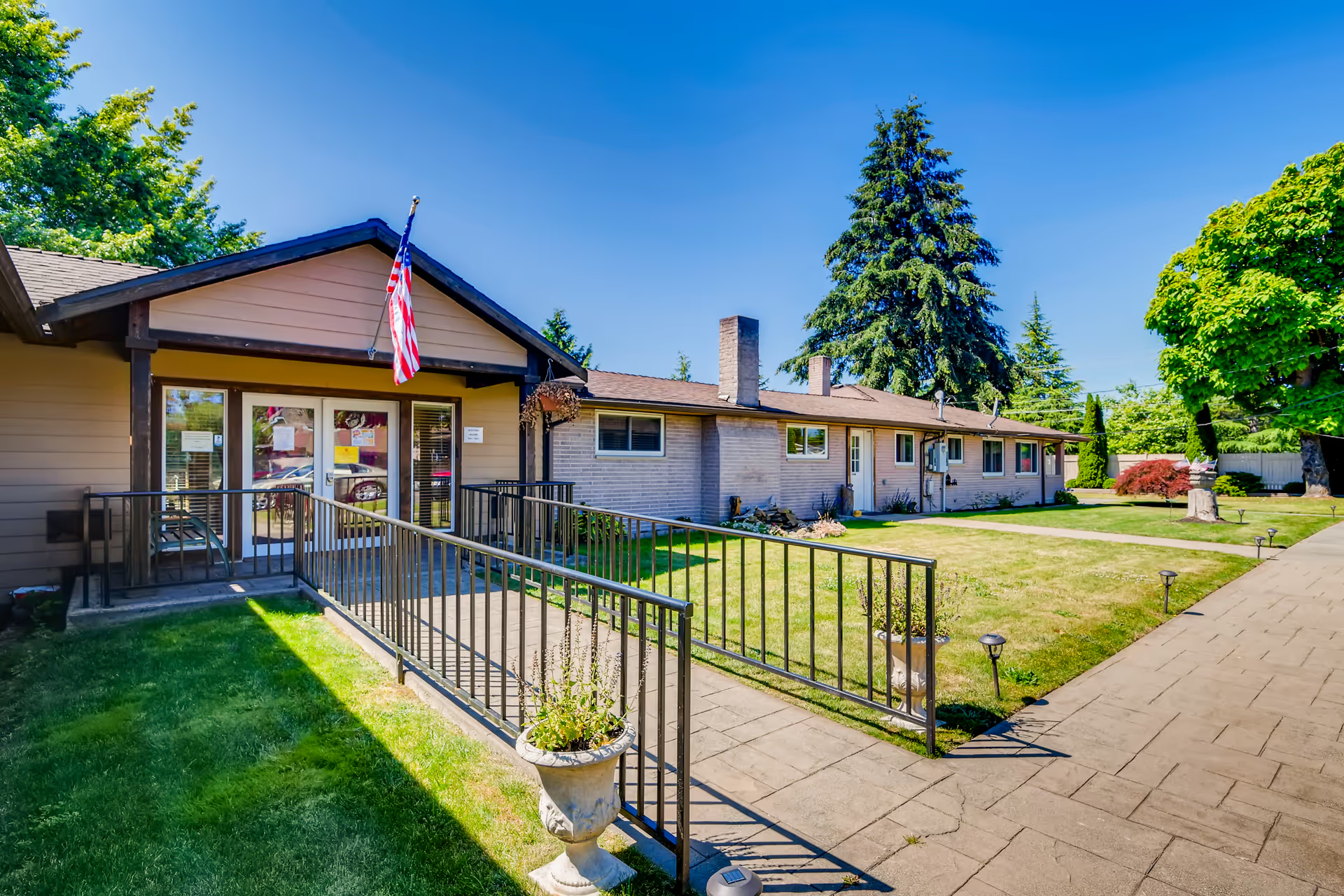
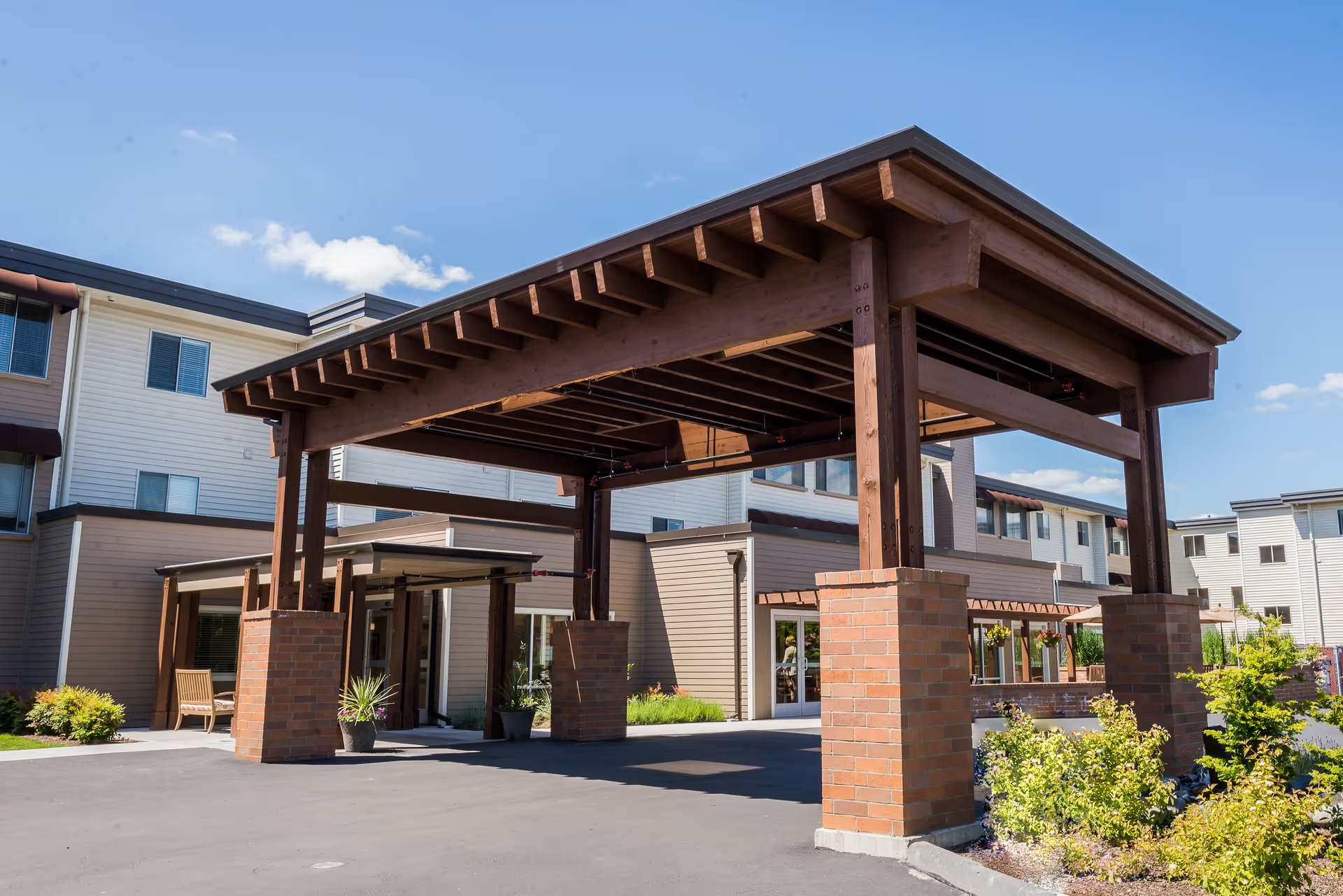
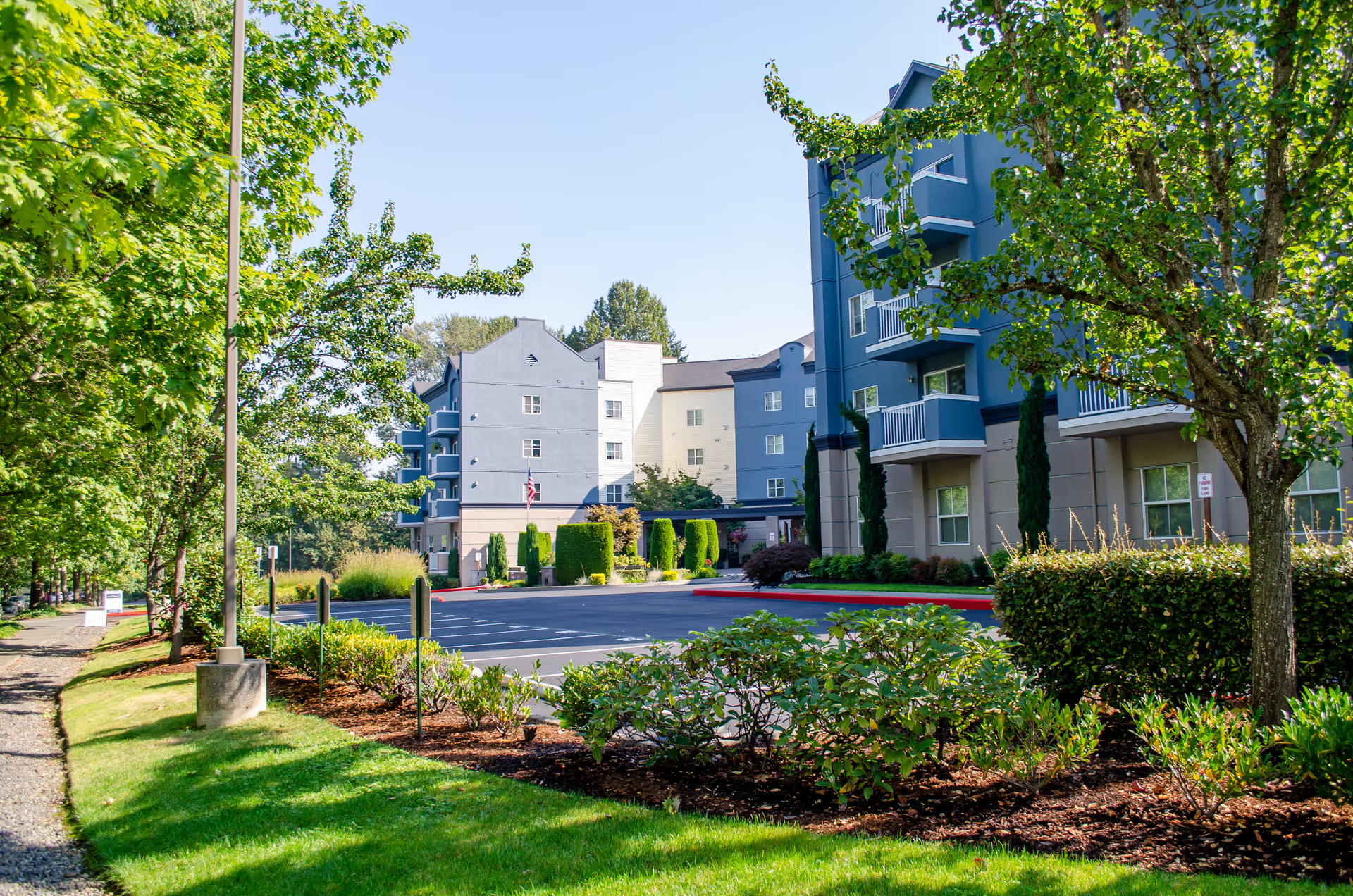
Facilities and accessibility: The property combines recently renovated common areas and patios with an older building footprint. Apartments often include full kitchens and generous living space in some unit types, but others are smaller; corridor widths, dim hallways, and a complicated layout requiring multiple elevator trips to reach certain units are recurring themes. Renovations have improved several common spaces, but structural limits of the original building remain relevant for mobility and wayfinding. There is no prominent, locked memory‑care neighborhood described in the material.
Management and patterns to watch: Management and specific staff (family advisors, executive leadership) receive consistent positive mention for communication and move‑in support. Conversely, reviewers flag operational issues that bear watching: intermittent staffing shortages, inconsistent meal service on occasion, variability in housekeeping/maintenance across older areas, parking constraints, and price sensitivity. A limited number of accounts raise concerns about staff conduct or administrative communication; these outlier concerns suggest it is prudent to ask for current incident‑resolution policies, recent staffing stability metrics, and sample care plans.
Who this fits and next steps: Farrington Court is best suited to ambulatory or assisted living residents who prioritize social programming, restaurant‑level dining, and a family‑like caregiving culture within a community that balances updates with an older building design. Prospective residents should tour specific unit types to confirm size and layout, review staffing schedules and call‑response expectations, verify memory‑care options if needed, and discuss pricing and contract terms. Overall, the community appears strongly oriented toward resident engagement and clinical availability, with some operational trade‑offs related to building age and episodic staffing variability.