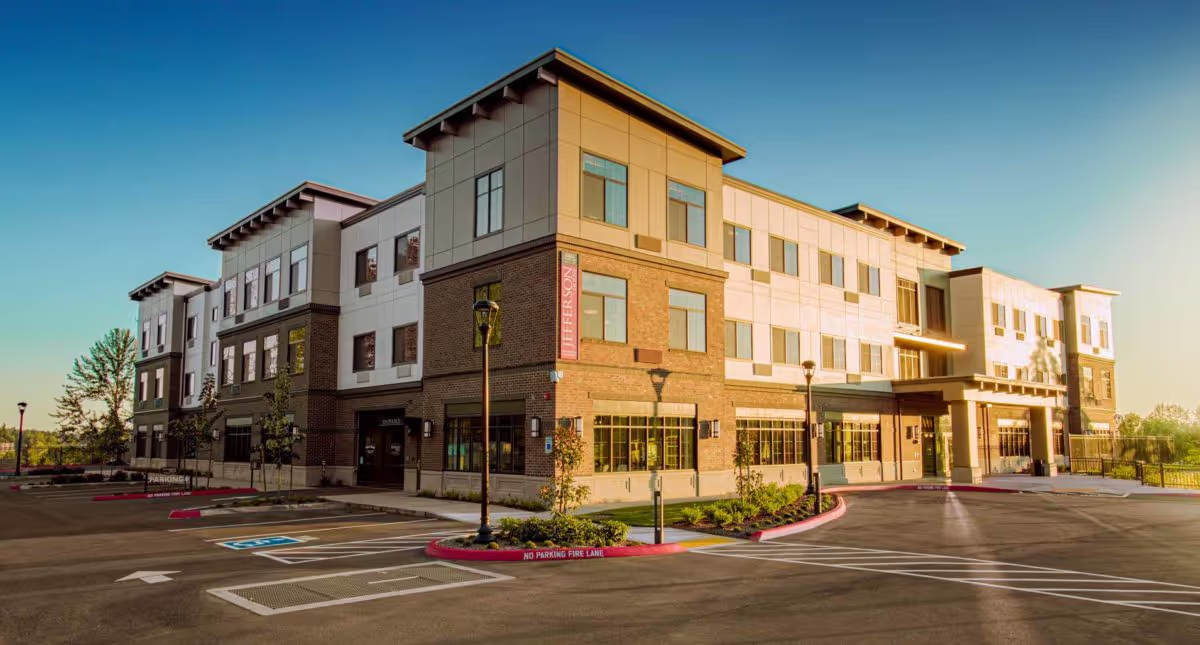
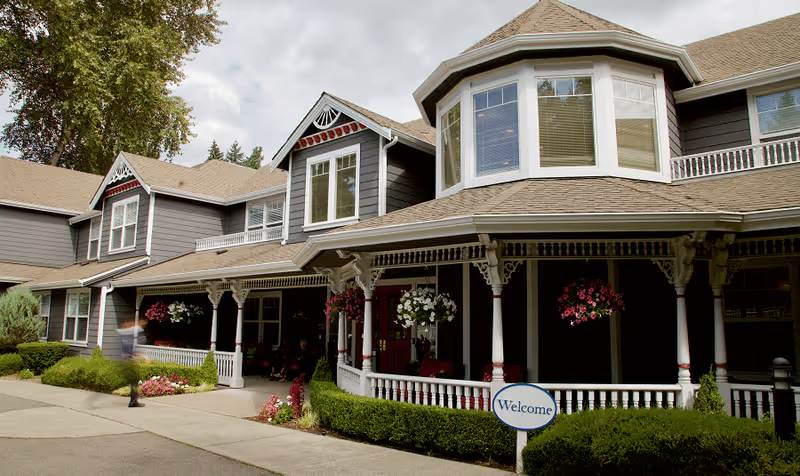
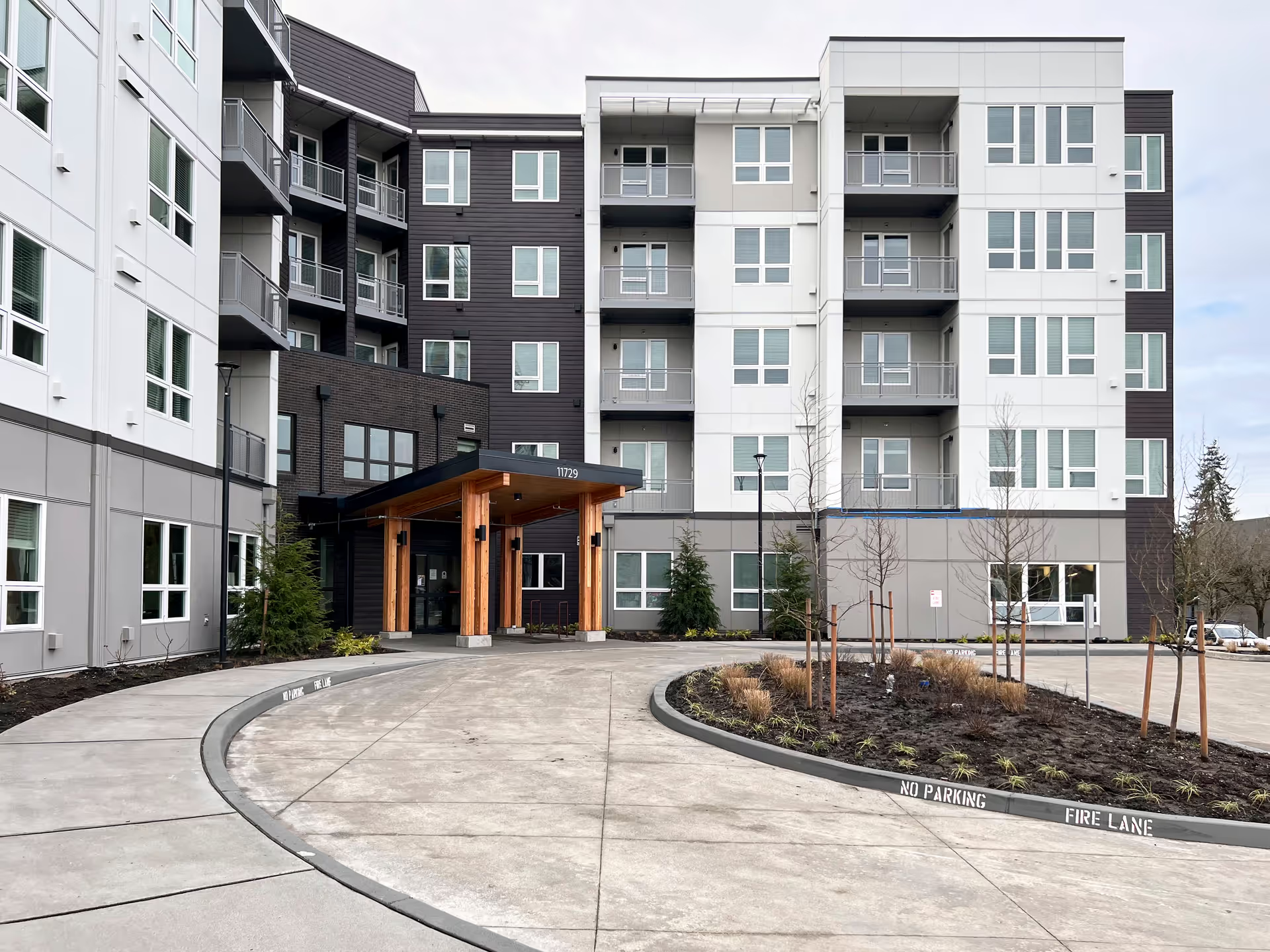
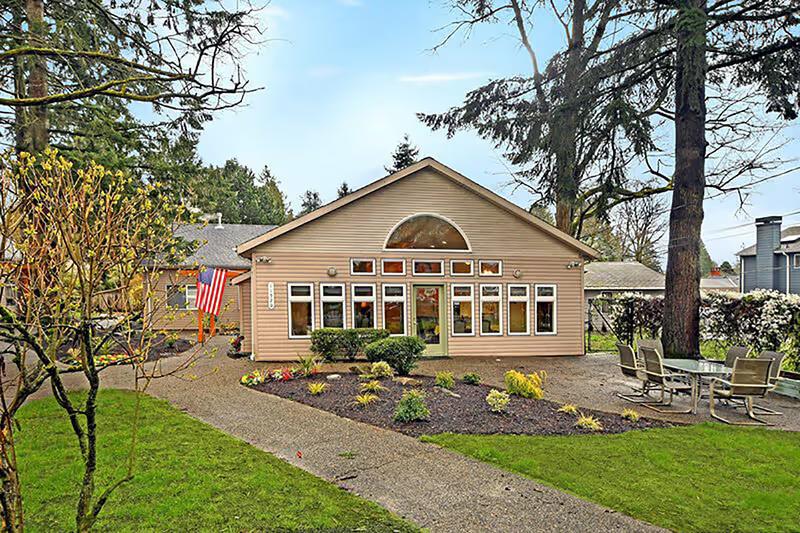
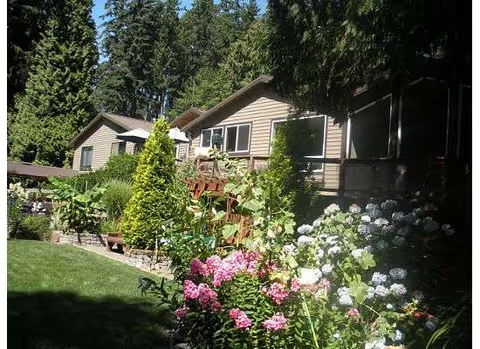
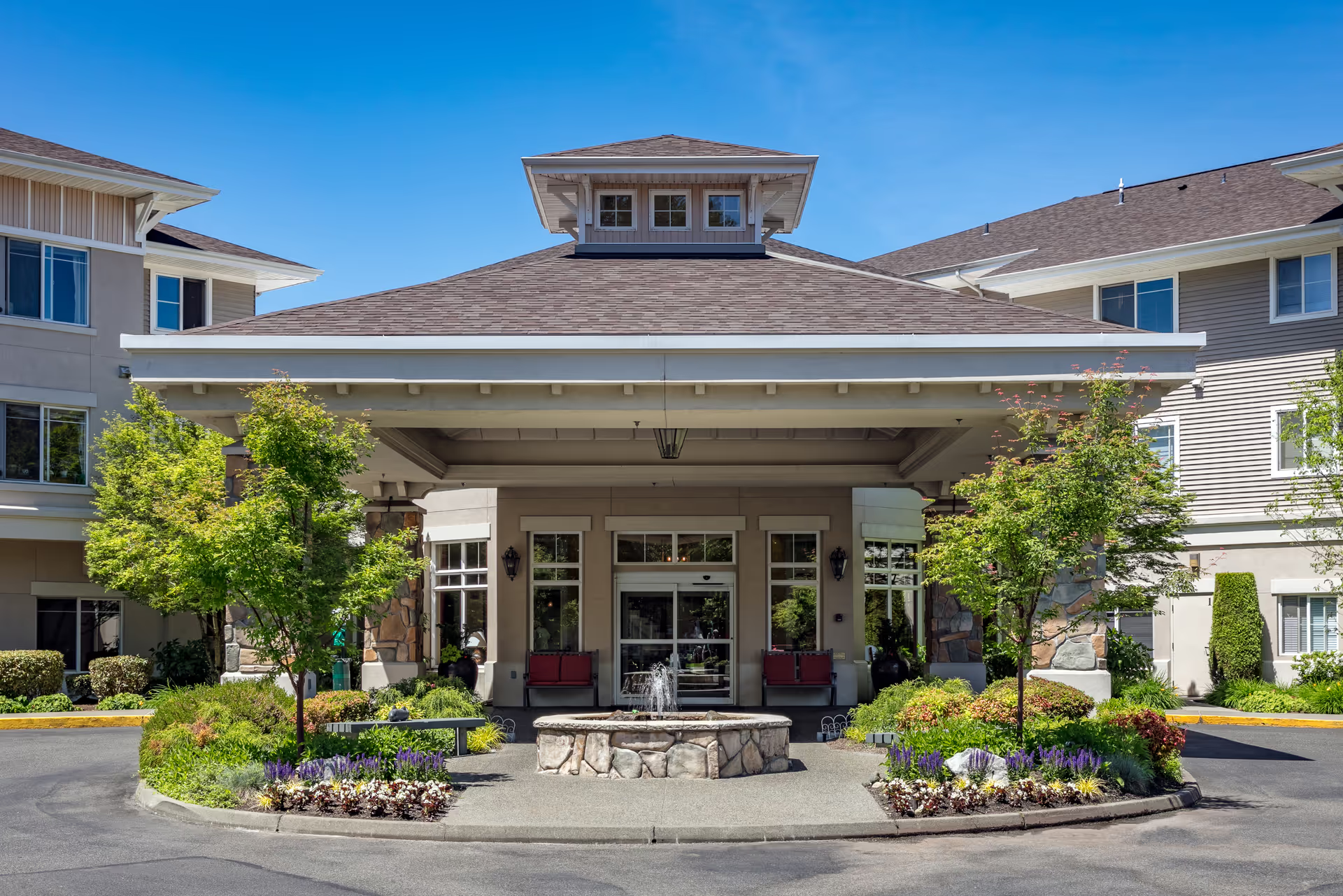
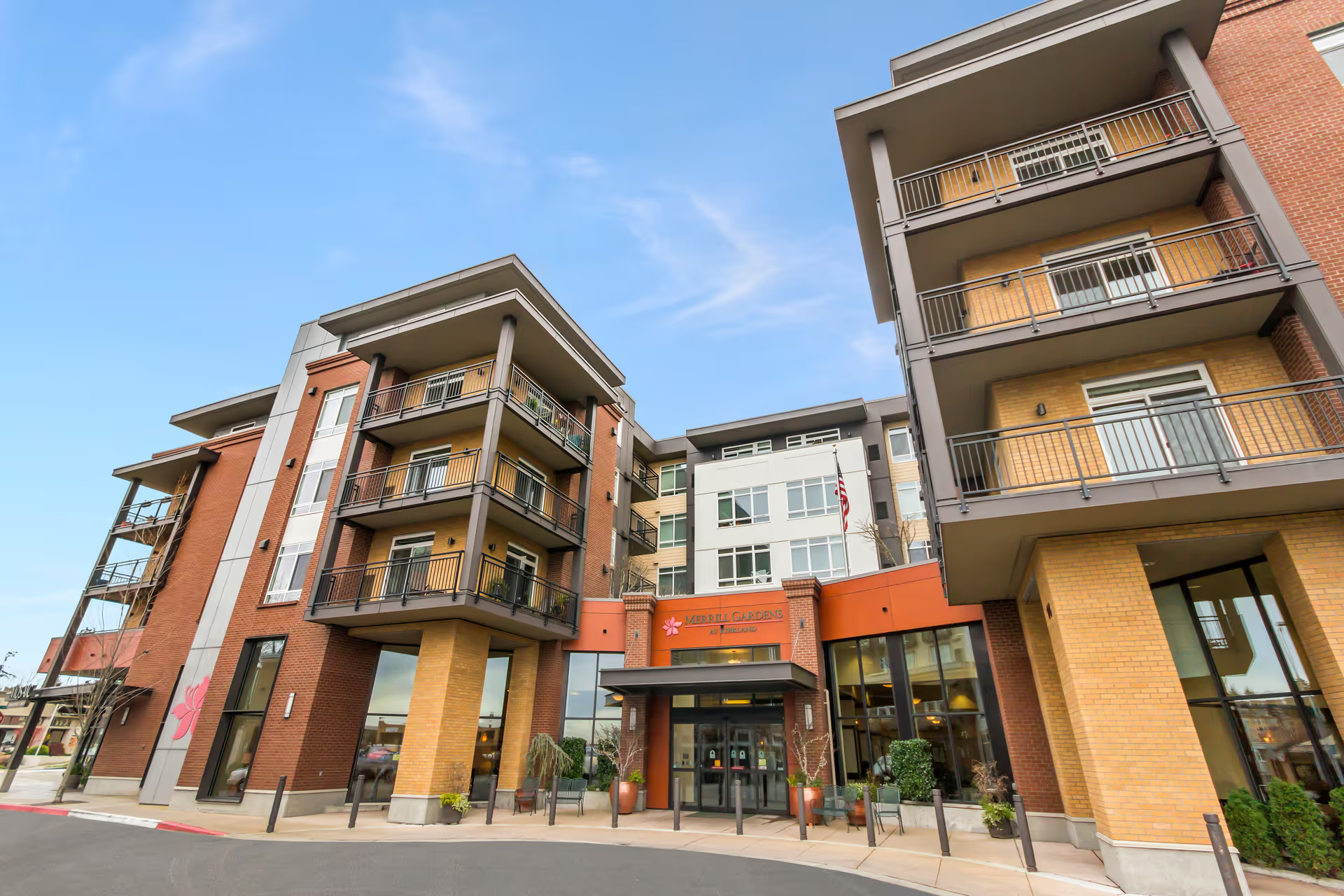
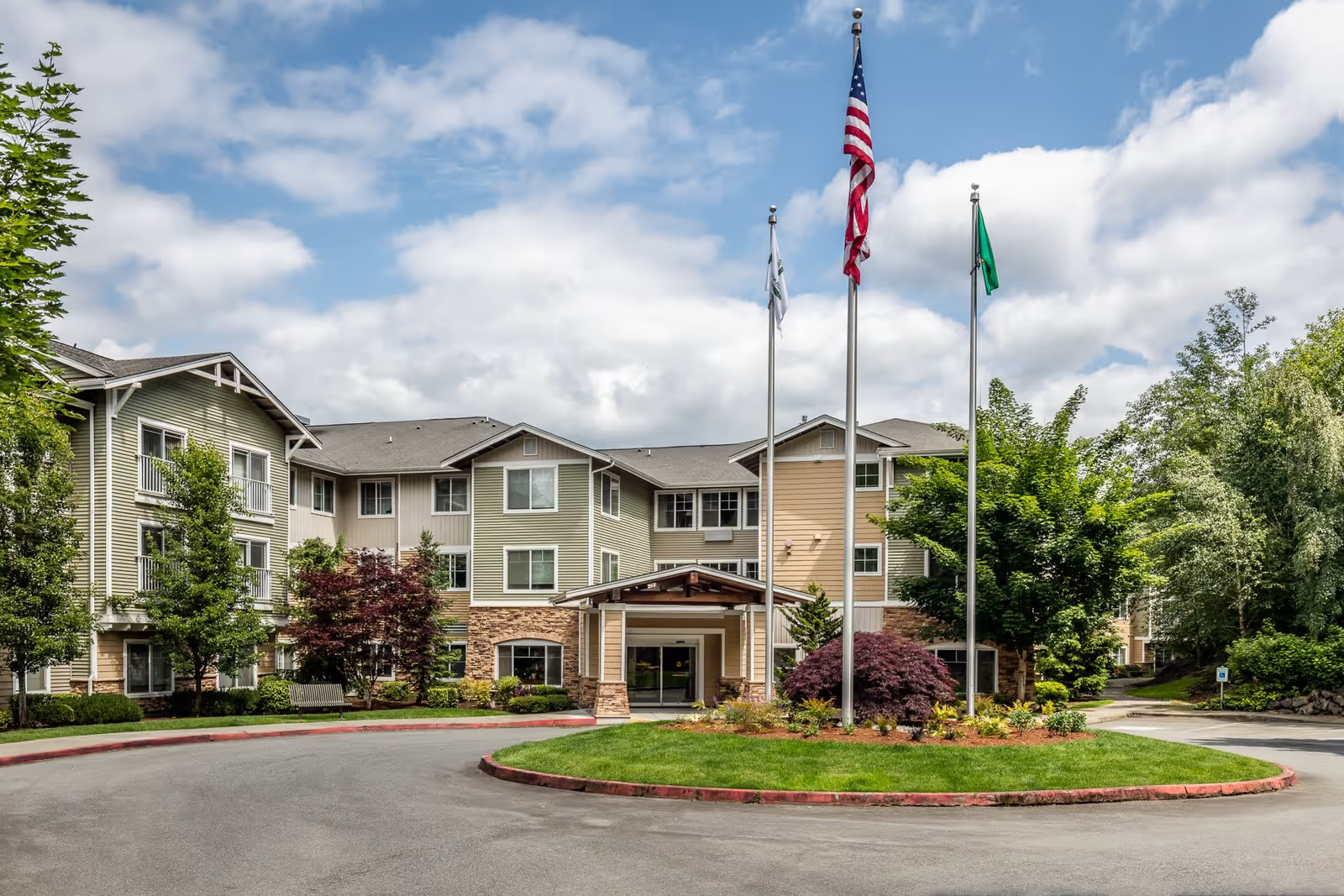
Madison House presents as a well‑amenitized, socially active assisted‑living community with a clear emphasis on hospitality and resident engagement. Strengths consistently identified include an attentive caregiving culture, 24‑hour nursing availability, and rapid emergency response routines. Staff are commonly described as compassionate, welcoming, and familiar with residents’ names and preferences; this contributes to a family‑like atmosphere and ease of transition for many new residents. The campus offers a wide array of amenities — formal dining rooms, fitness and therapy spaces, a movie theater, game rooms, and outdoor walking trails — which support an active lifestyle and frequent social programming.
Dining and activities are central features. Many residents and families praise the restaurant‑style dining, variety of menu choices, and chef involvement in accommodating individual diets. A vigorous activities calendar (live music, happy hours, clubs, arts and entertainment) and multiple social spaces encourage peer interaction and reduce isolation for socially engaged residents. Housekeeping, weekly apartment cleaning, and on‑site laundry facilities are noted as conveniences that support independent living.
Despite these strengths, reviewers identify consistent operational tradeoffs. Price is commonly described as high compared with other local options. Physical plant issues appear uneven: some units and public areas are clean and well maintained, while other apartments are described as older with dated appliances, HVAC noise, or slower maintenance response. Amenity availability can be inconsistent (for example, pools or dining bistro closures), which affects resident expectations when advertised features are not reliably accessible.
Clinical and administrative patterns merit attention. While many families report excellent hands‑on care and personalized plans, there are also reports of staffing shortages and turnover that have affected continuity of care and timeliness of responses in certain cases. Memory‑care services are limited or under development, so the community may not be suitable for residents with moderate to advanced dementia at present. A small number of serious administrative concerns have been raised about contract and billing transparency, including disputes over pricing and service agreements; these allegations should be directly clarified with management and reviewed in written contract terms before enrollment.
In sum, Madison House is likely to suit prospective residents who prioritize a socially active environment, formal dining, and broad amenities supported by an involved caregiving team. Families should weigh the premium cost and verify current conditions of the specific unit and amenities, ask for details about staffing ratios and memory‑care capacity, and obtain clear written explanations of contract terms and billing practices to ensure the community’s operations match their expectations.