Overall sentiment about HomePlace Special Care at Oak Harbor is mixed but leans positive in volume: many reviewers praise the staff, the physical environment, memory‑care design, and community life, while a smaller but significant number of reviews describe serious care, safety, and administrative problems. The reviews reflect two distinct experience clusters—families and residents who describe thoughtful, warm, and competent caregiving in a clean, homelike setting with strong community programming, and others who recount neglectful incidents, poor communication, billing disputes, and safety lapses. Both types of experiences appear frequently enough to be notable and warrant careful consideration.
Care quality and staff: Most reviews spotlight compassionate, attentive caregivers and strong nursing presence: reviewers mention fantastic caregivers, an amazing RN staff, helpful night staff, and staff who quickly build rapport with residents. Multiple reports describe a family‑like atmosphere, staff that are warm and professional, and specific praise for an executive director who is outgoing and responsive. These positive comments are reinforced by reports of long‑term residents (over five years) who are content and comfortable. However, an important counterpoint is a number of serious negative accounts: missed care, repeated hip dislocations, dehydration leading to hospitalization, bruising, and in some cases reports that care was poor and not recommended. Several reviewers specifically noted miscommunication among staff, unresponsive call bells, and staff accountability issues. This divergence suggests that while many shifts and teams operate well, there are intermittent but significant lapses in direct care and safety.
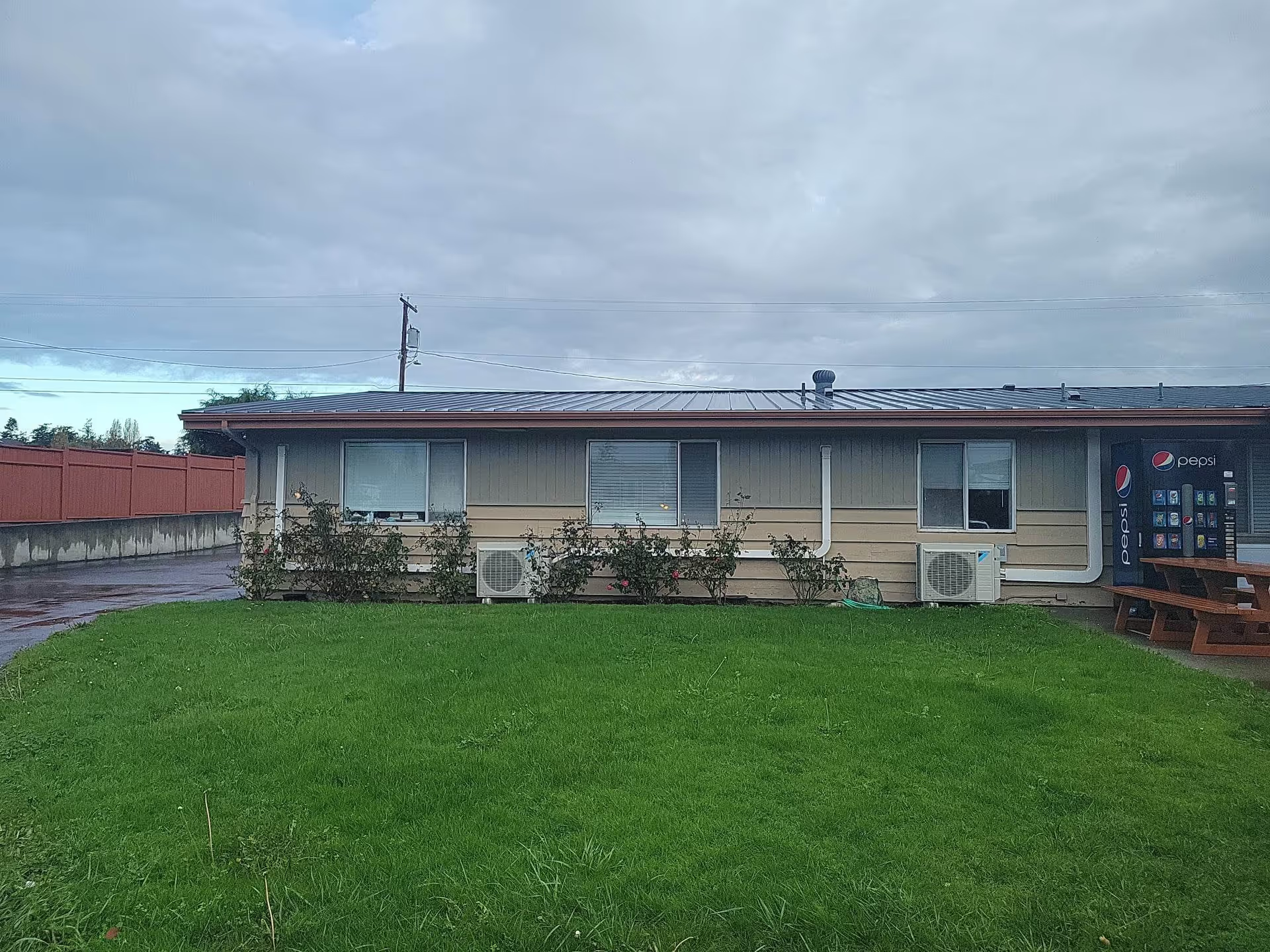
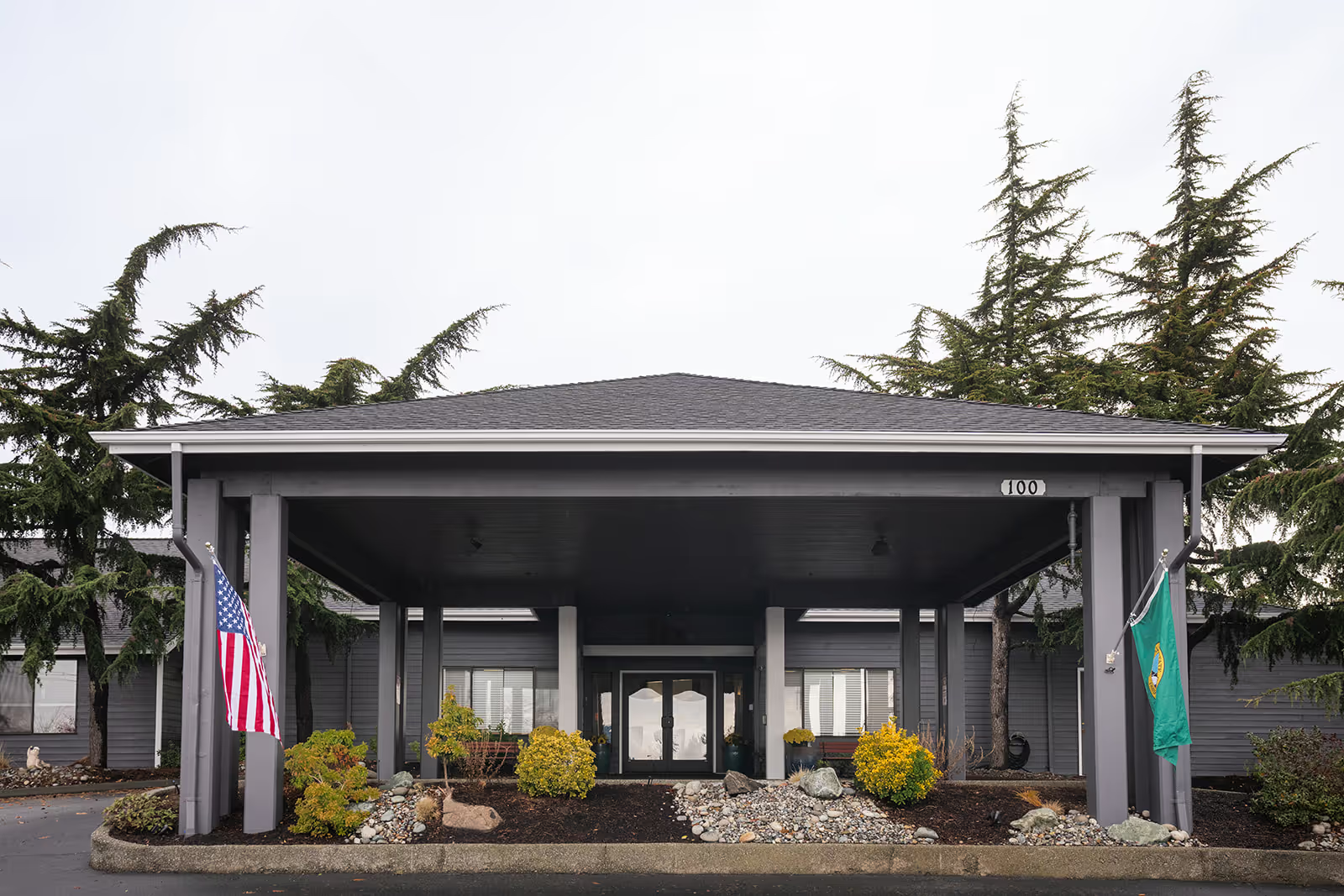
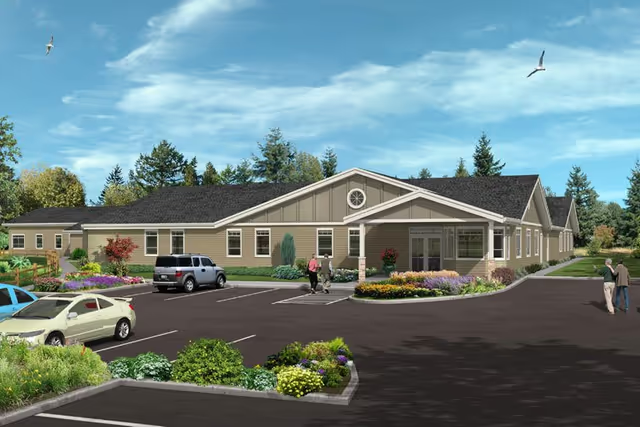
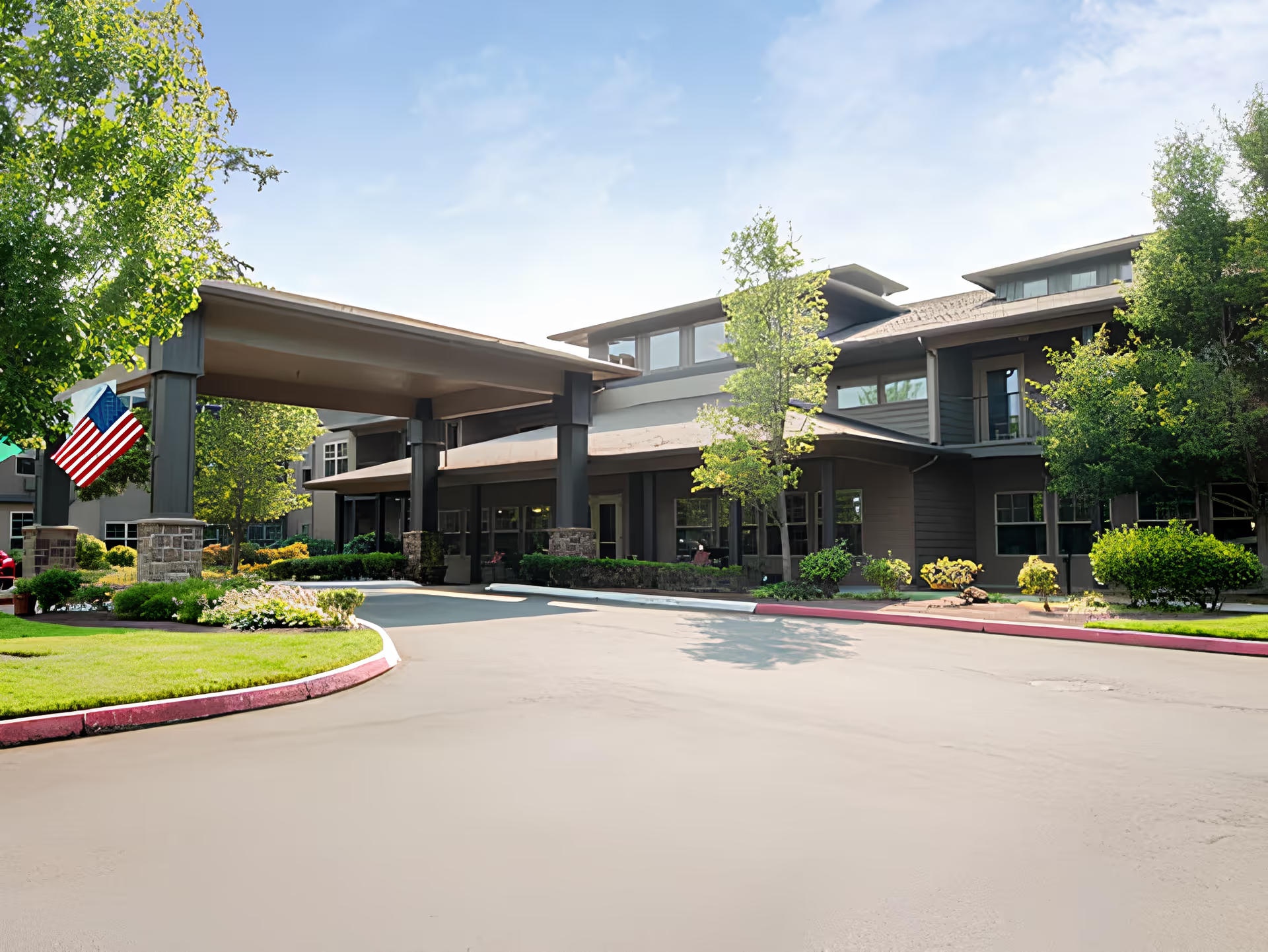
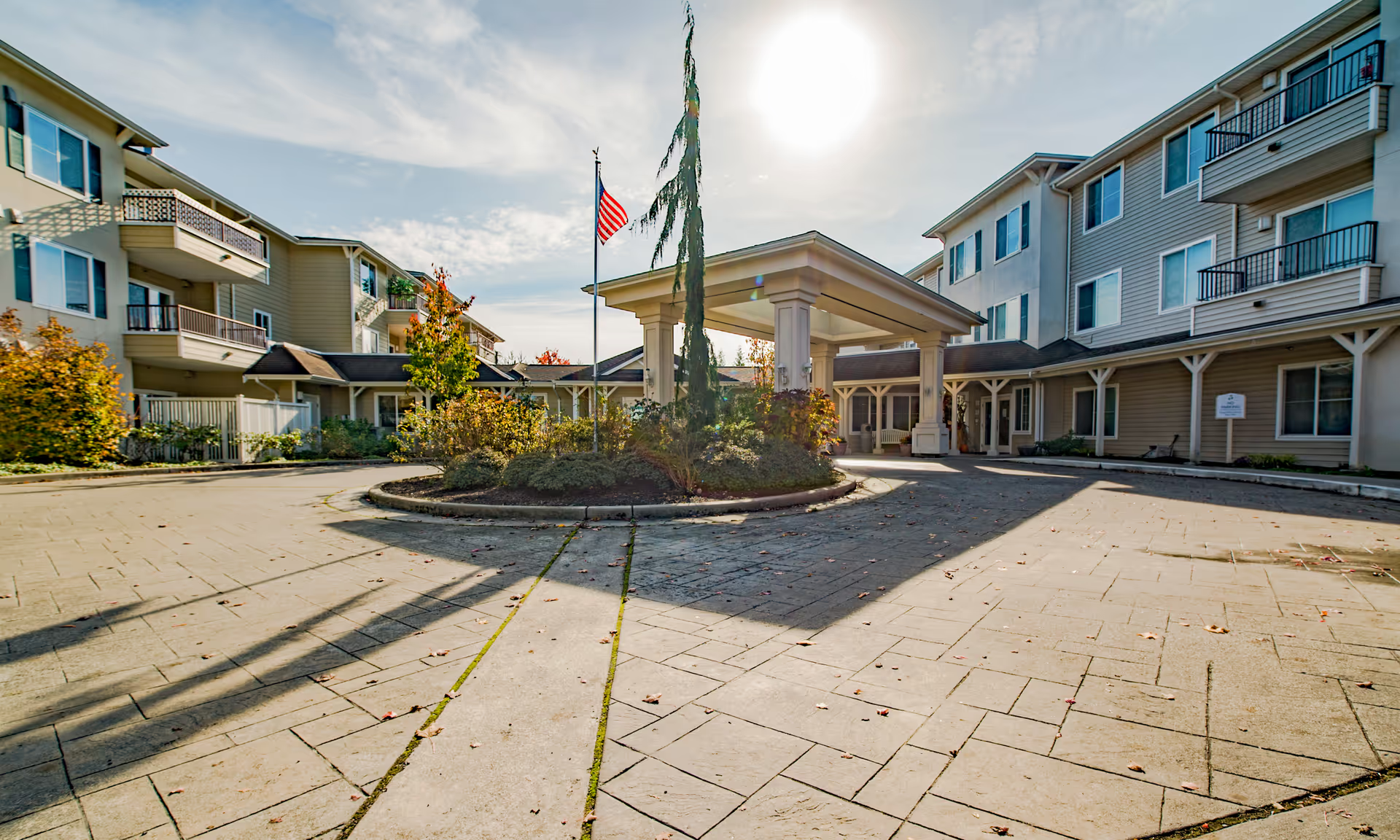
Facilities, layout, and safety design: The building and neighborhood‑style floor plan receive widespread praise. Reviewers frequently note a pod‑based layout of small neighborhoods (≤18 residents), central commons and courtyards, and short/no long hallways—features that reviewers say reduce confusion for residents, promote socialization, and make monitoring easier for staff. The grounds, gazebo, and outdoor access are repeatedly called out as strengths. Cleanliness of common areas and homelike décor are regularly commended. On the other hand, maintenance and housekeeping problems are also cited in negative reports: dirty rooms, flies in windows, broken equipment such as bed controllers and braces, and at least one report of no heat during winter. Safety concerns include reports of other residents entering rooms unsafely and unresponsive call bells, indicating lapses in day‑to‑day resident protection tied to staffing or process failures.
Dining and activities: Many reviewers enjoy the food and community meals, and appreciate that visitors may join residents for dining. Activities receive strong positive feedback for outings, seasonal events (Pumpkin Patch, Tulip Tour), holiday parties, and social programs that make residents feel special. At the same time, some reviewers find the menu carb‑heavy and would like more variety in fresh fruits and vegetables. Activity programming is often applauded but occasionally described as better suited to higher‑functioning residents, suggesting a potential gap in offerings for residents with more advanced dementia or greater physical limitations.
Management, communication, and billing: Reviews about management are mixed. Several reviewers laud an involved, responsive executive director and staff who resolve problems quickly. Conversely, other families describe administration as unresponsive and overly focused on fees and billing. Specific financial complaints include disputed or non‑refunded community fees, a 5‑day charge controversy, a policy requiring full payment for two years before Medicaid eligibility, and contested refunds. These administrative issues can create financial stress and erode trust, particularly when paired with care or safety concerns. Communication problems also appear in multiple reviews (staff miscommunication, unresponsive call bells, visitors being ignored), suggesting inconsistent processes for family engagement and incident reporting.
Staffing and consistency: Staffing emerges as a recurring theme. Many reviewers praise staff friendliness and professionalism; multiple comments single out night staff, front desk, and particular nurses for positive care. Nevertheless, there are repeated mentions of understaffing on the floor, staffing struggles at times, and specific staff members who were reportedly difficult during certain shifts. These staffing inconsistencies are commonly tied to the negative incidents (missed care, delayed response to call bells, safety breaches), indicating that variable staffing levels and training likely contribute to uneven resident experiences.
Notable patterns and recommendations: The dominant positive pattern is a community that offers an attractive, non‑institutional environment with many caregivers who are genuinely committed, plus a strong activity program and dementia‑friendly design. The dominant negative pattern involves administrative friction (billing and refund disputes), isolated but severe care quality and safety incidents (falls, dehydration, infections), and lapses in maintenance and consistent staffing. Prospective residents and families should weigh the frequently praised physical layout, staff warmth, and activity offerings against the reports of administrative disputes and the less frequent but significant safety and care failures. It would be prudent for families to ask specific, targeted questions during tours—about recent incident rates, staff‑to‑resident ratios by shift, policies for infection control and room assignments, how billing and refunds are handled, and how the facility ensures consistent staff training and accountability. Reviewing how the facility documents and communicates incidents and follow‑up care will help families assess risk.
In summary, HomePlace Special Care at Oak Harbor has many strengths: a homelike, well‑designed campus; numerous staff members who are caring and competent; robust social programming; and positive dining and visiting experiences for many residents. However, there are recurring and serious concerns reported by multiple reviewers—particularly around billing disputes, a subset of care and safety lapses, staffing inconsistency, and occasional maintenance issues. These mixed signals suggest the facility can provide an excellent experience, but prospective families should conduct thorough, specific due diligence to understand how the facility addresses staffing reliability, safety incidents, and administrative transparency before committing.