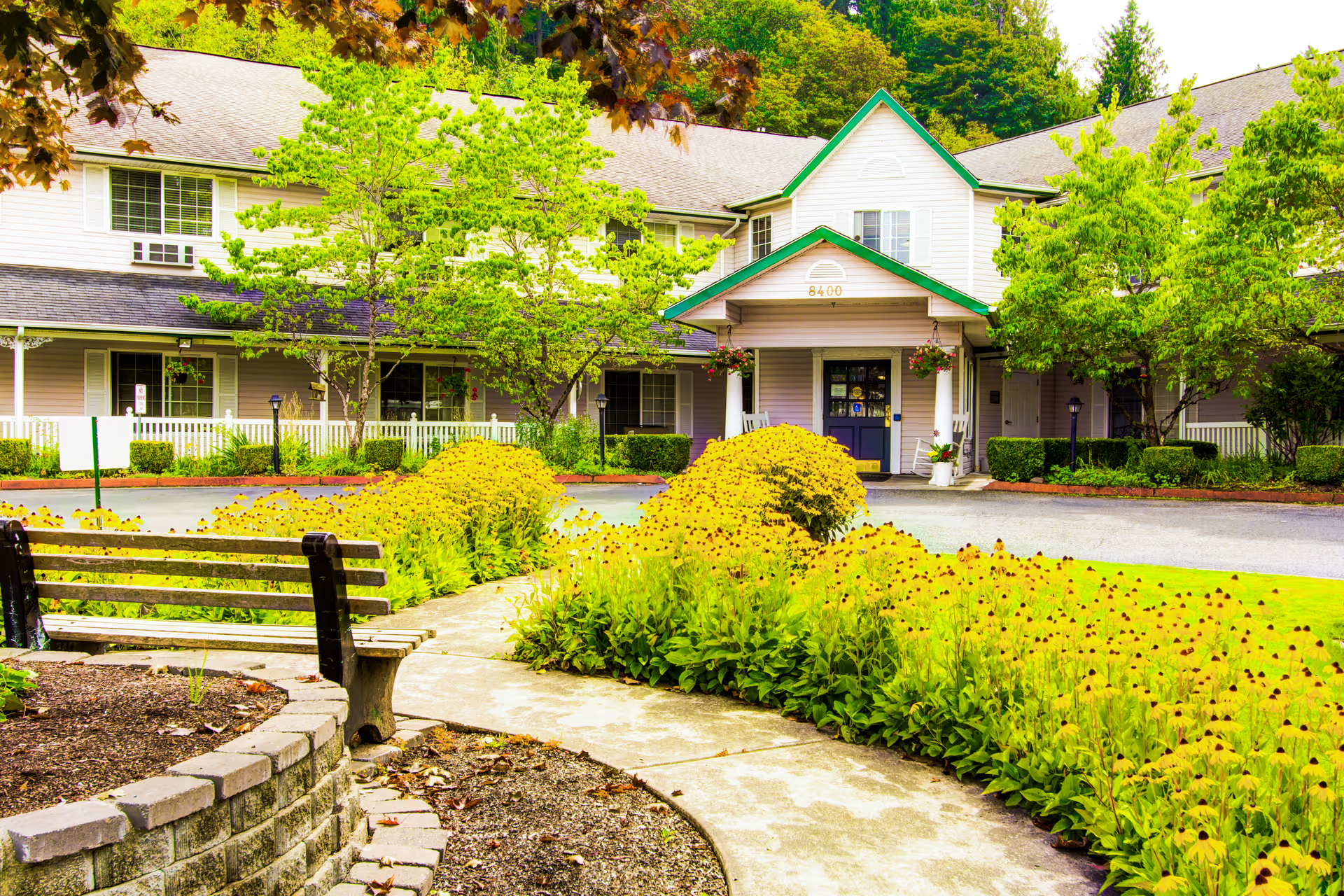
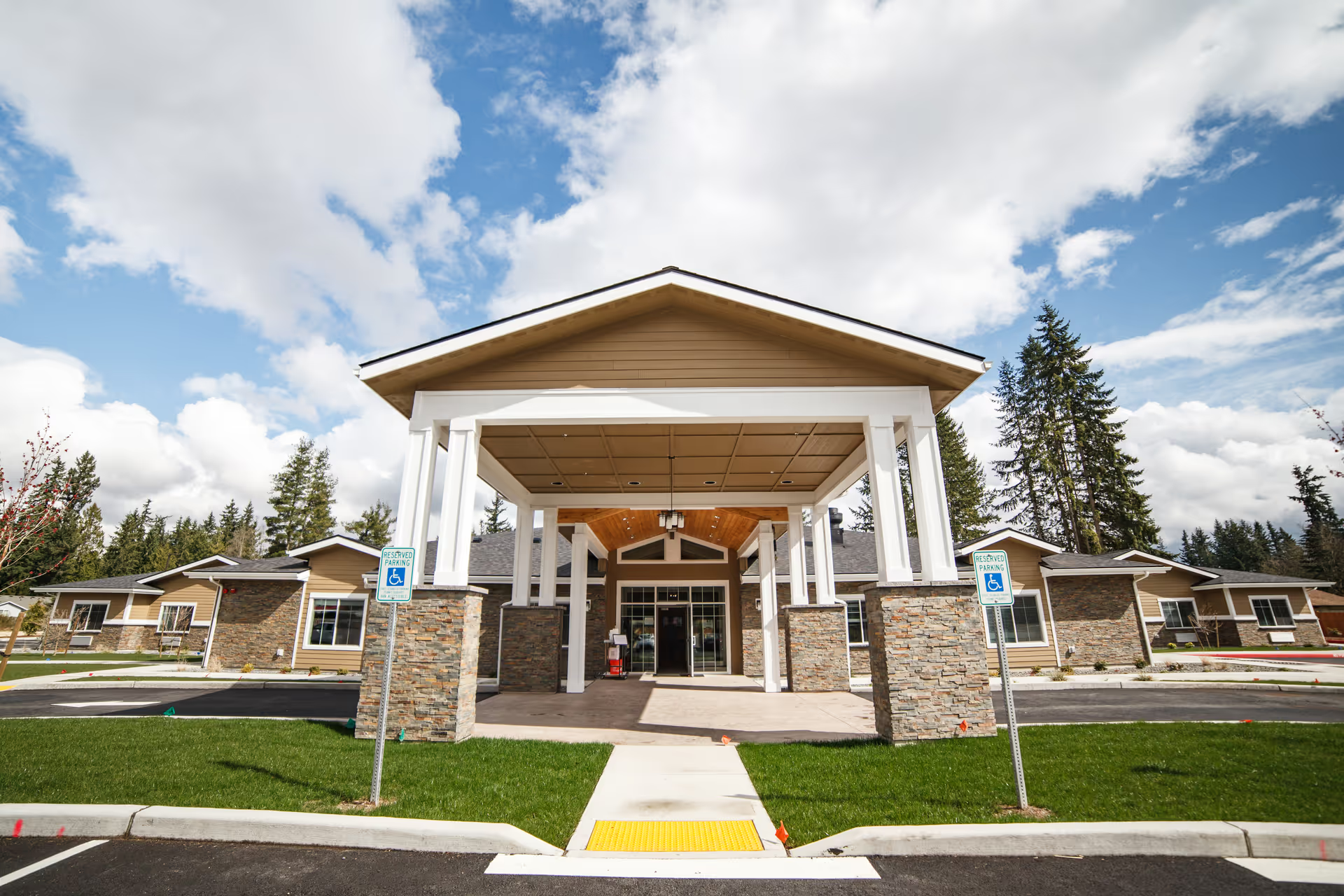
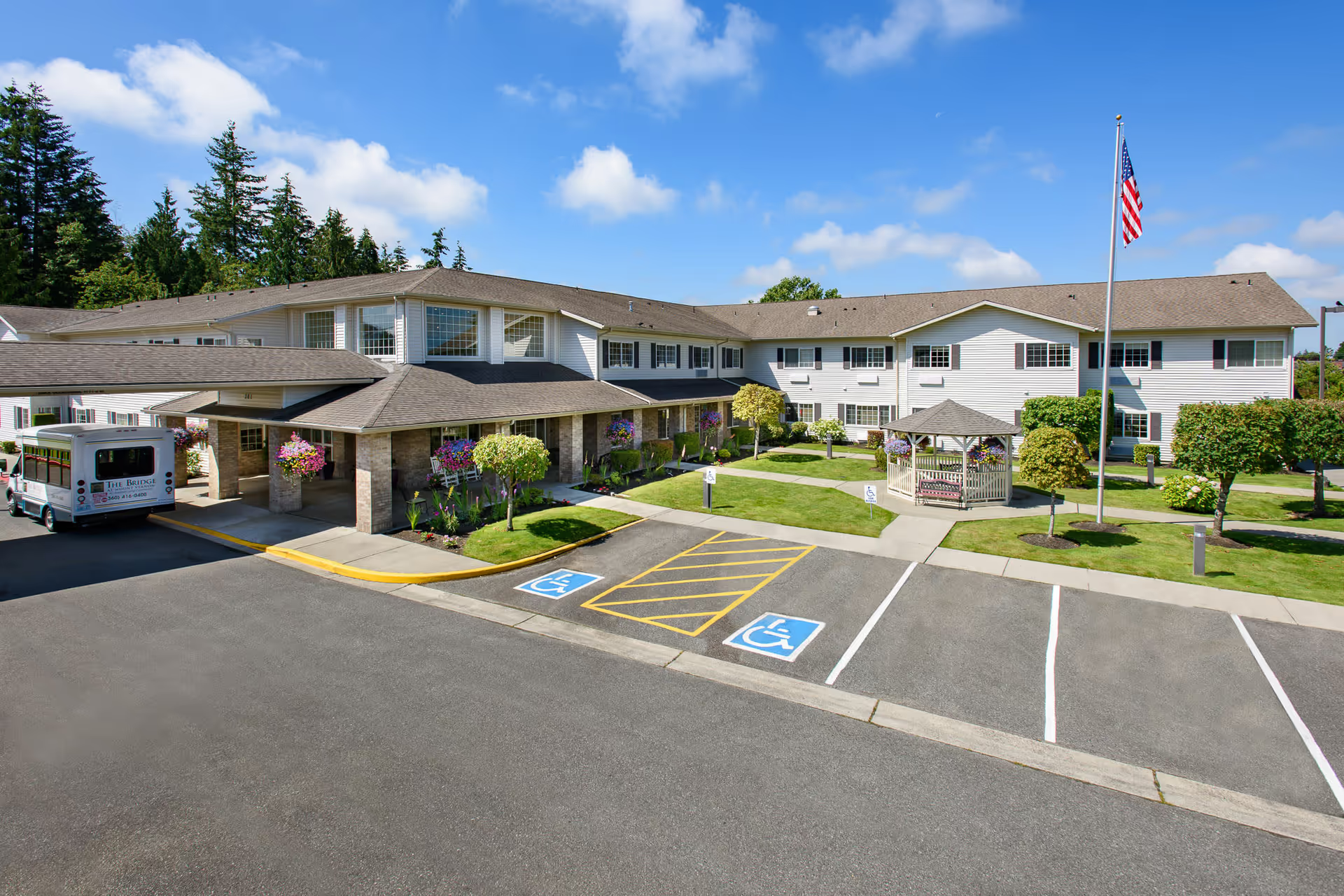
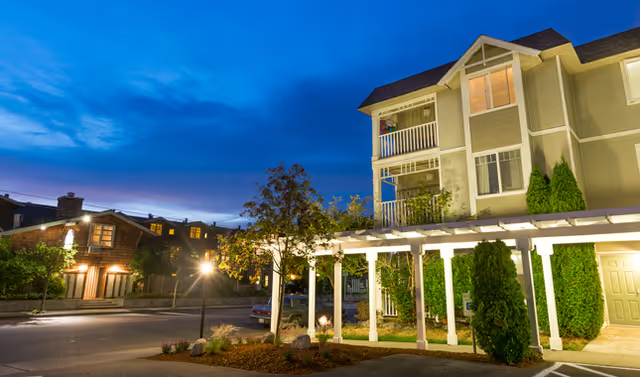
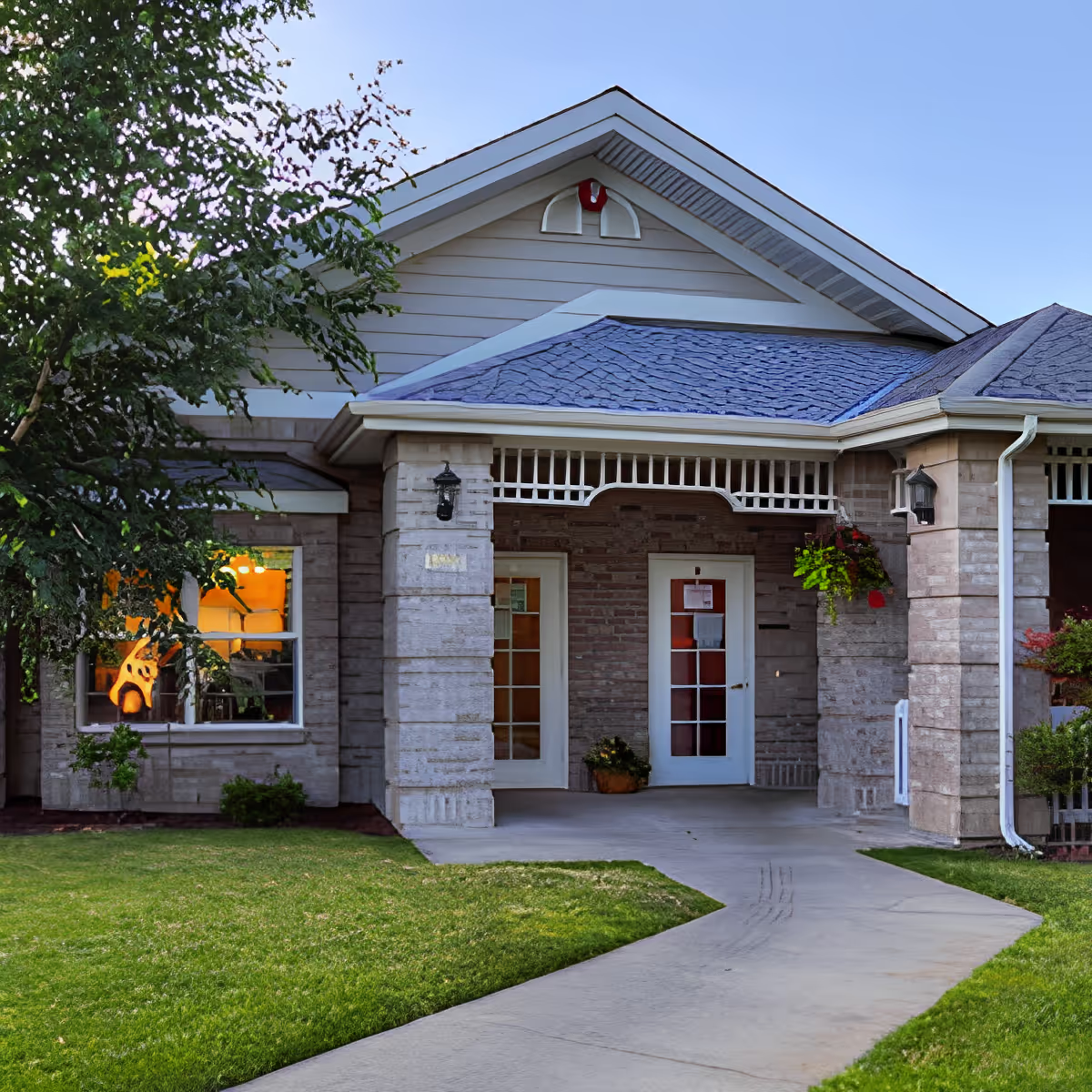
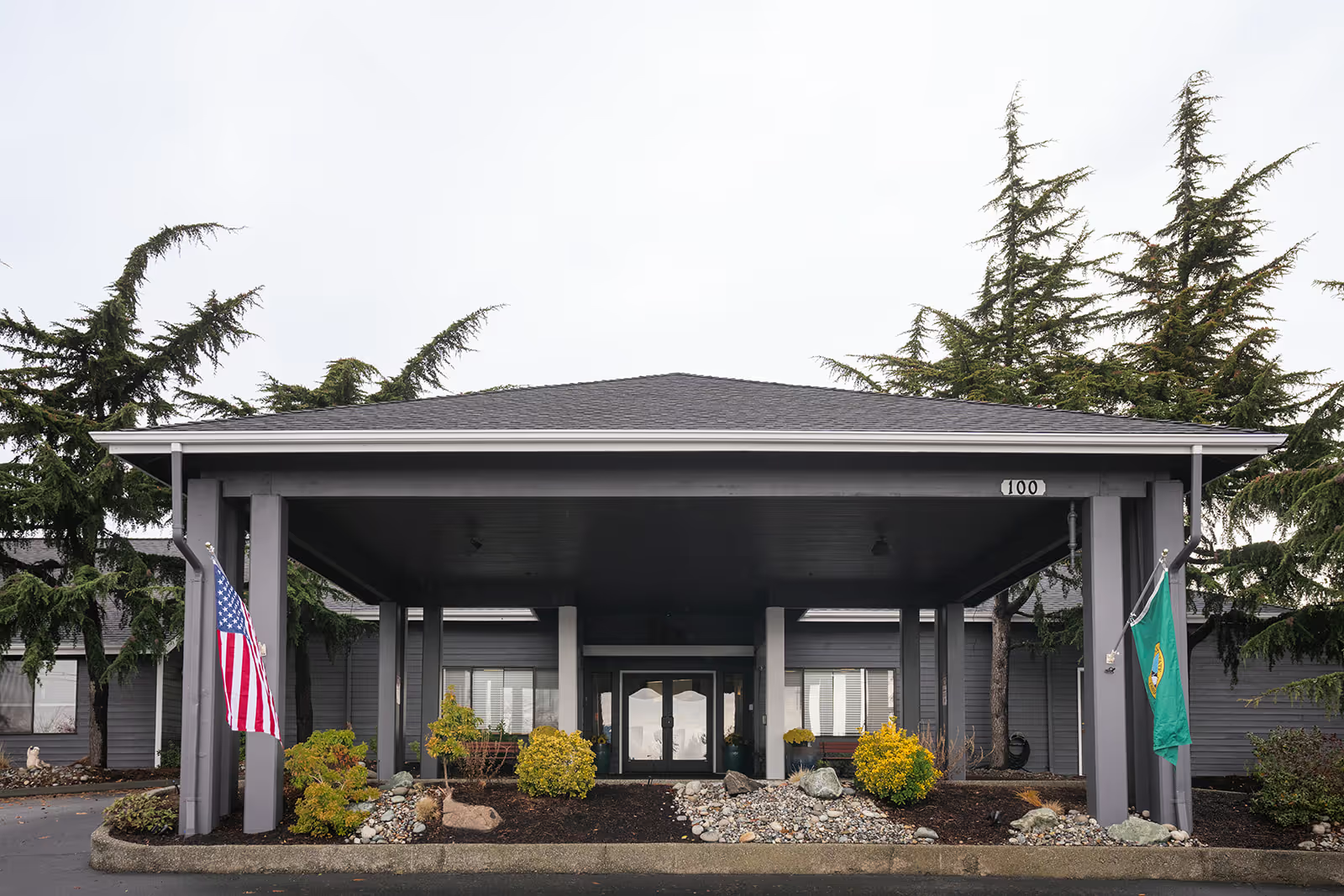
Brookdale Stanwood elicits a mixed but informative picture: many families and residents praise the interpersonal strength of frontline staff, the creative chef-driven dining when the kitchen is fully staffed, and a range of communal amenities (library, bistro, lounges, landscaped courtyards). Apartments—particularly larger two-bedroom units—are frequently described as bright, spacious, and well suited for independent living; common spaces and grounds are often characterized as clean and inviting. The community offers a broad set of social and recreational options, including arts and craft programs, exercise classes, trips and scenic drives, a simulated movie-theater experience, and on-site worship services, with programming often accessible to residents with limited mobility.
Care quality and staff conduct are recurring strengths: reviewers commonly describe caring, knowledgeable caregivers and nurses, responsive front-desk personnel, and administrators who are reachable. That said, operational staffing shortages and turnover appear to be recurring issues that affect day-to-day consistency. These workforce gaps are tied in several accounts to slower responses to maintenance requests, occasional medication- or care-management concerns, and situations where higher-acuity dementia needs exceeded the facility’s capacity.
Dining services present a clear contrast: when the kitchen is stable and led by an engaged chef, reviewers report creative menus, a salad bar, varied meal choices and private-dining options. Conversely, periods of cook turnover or reduced kitchen staffing correlate with reports of processed or less-appetizing food, menu inconsistency, meal substitutions, and challenges meeting therapeutic or physician-directed dietary requirements. Families considering the community should sample meal service and ask about current kitchen staffing and diet-accommodation processes.
Activity programming and social life are strengths in many accounts—regular events, ice-cream socials, transportation for outings, and accessible classes are noted—but some families describe a decline or inconsistency in offerings over time. Participation levels vary by resident interest, and reviewers advise confirming current schedules and resident engagement during a visit.
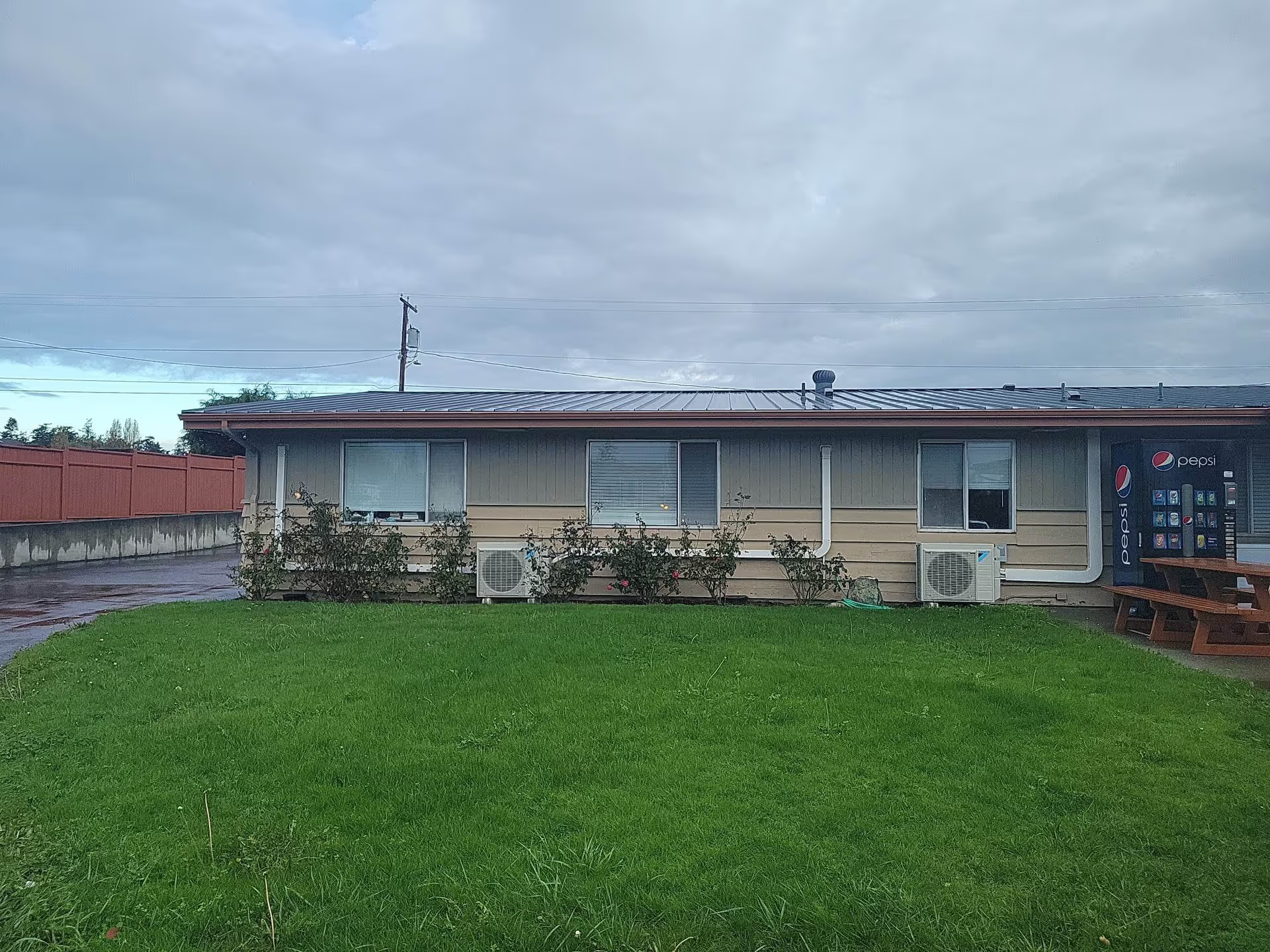
Facility condition is mixed. Many common areas and exteriors are well kept, but the building shows signs of aging in places: reviewers mention smaller or outdated units, occasional broken fixtures, shower/hot-water interruptions, missing hardware, and slower-than-expected maintenance follow-up. There are also isolated sanitation and laundry back-of-house concerns cited; these suggest value in asking about recent housekeeping audits and pest-control or sanitation protocols when touring.
Management and administrative processes are a frequent source of concern. Common operational issues include billing inaccuracies, confusing corporate communications, and policies that families find unusual (for example, expectations about personal supplies). Ownership or management transitions are referenced as contributing to variability in program continuity and staffing. Price point is frequently described as above some peers, and several families explicitly weigh cost against observed consistency of services.
Overall, Brookdale Stanwood demonstrates clear strengths in staff-resident relationships, amenity offerings, and certain apartment configurations. The dominant operational themes prospective residents and families should evaluate in person are current staffing stability (especially kitchen and nursing), recent maintenance performance, the accuracy and responsiveness of billing/administration, and the present activity calendar. An in-person tour that includes a meal, conversation with nursing/administration, and review of recent service or inspection records will best clarify whether the community’s current operational state matches a visitor’s priorities.