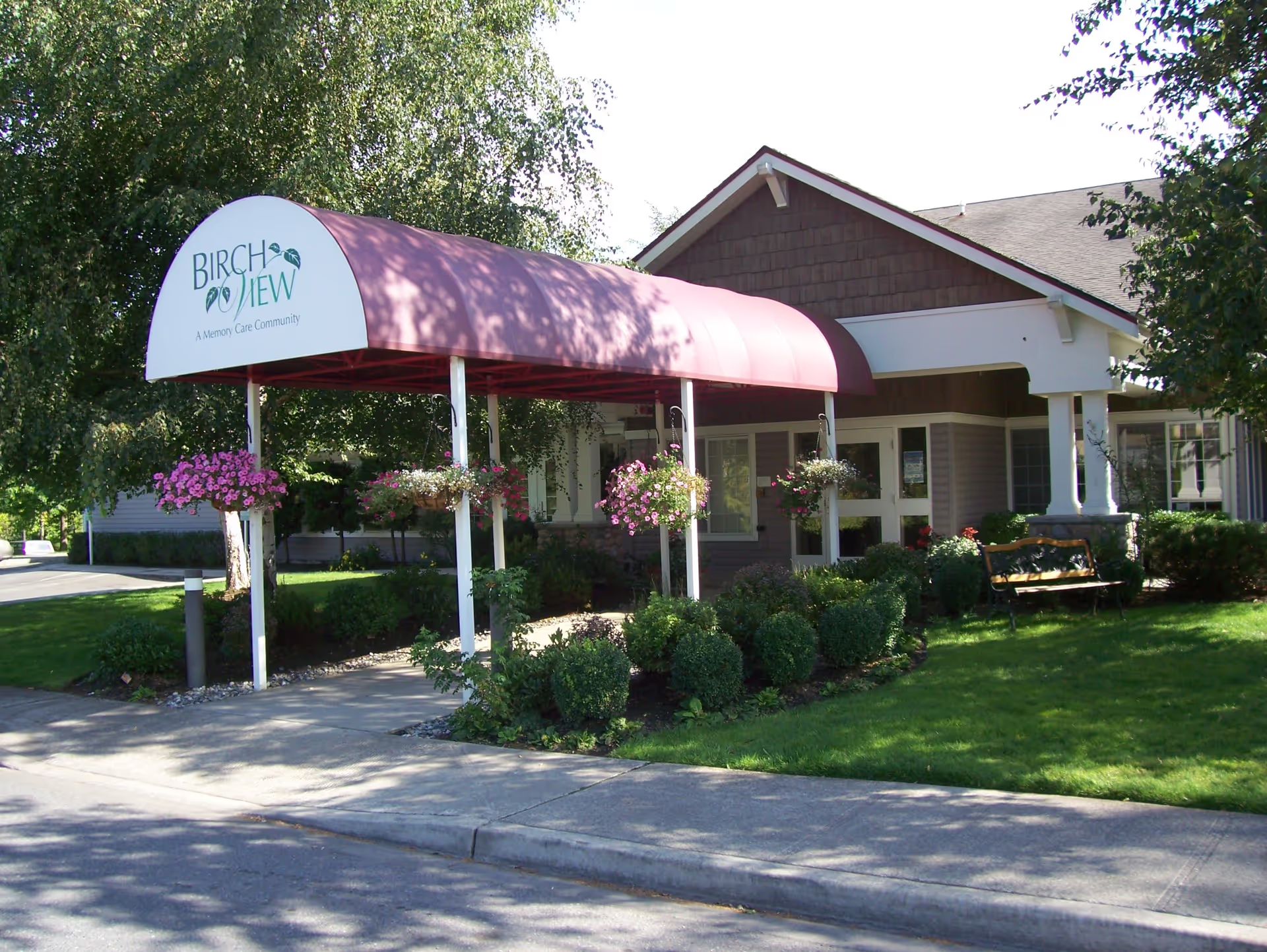
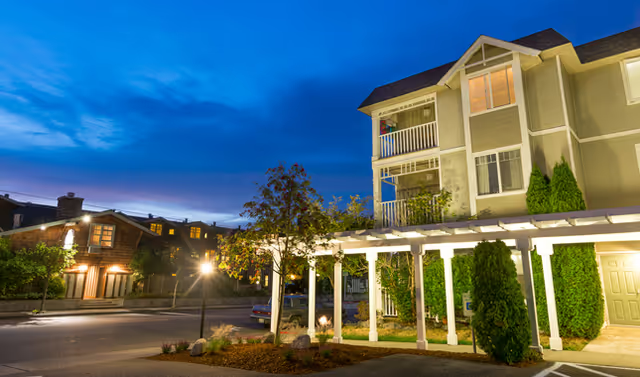
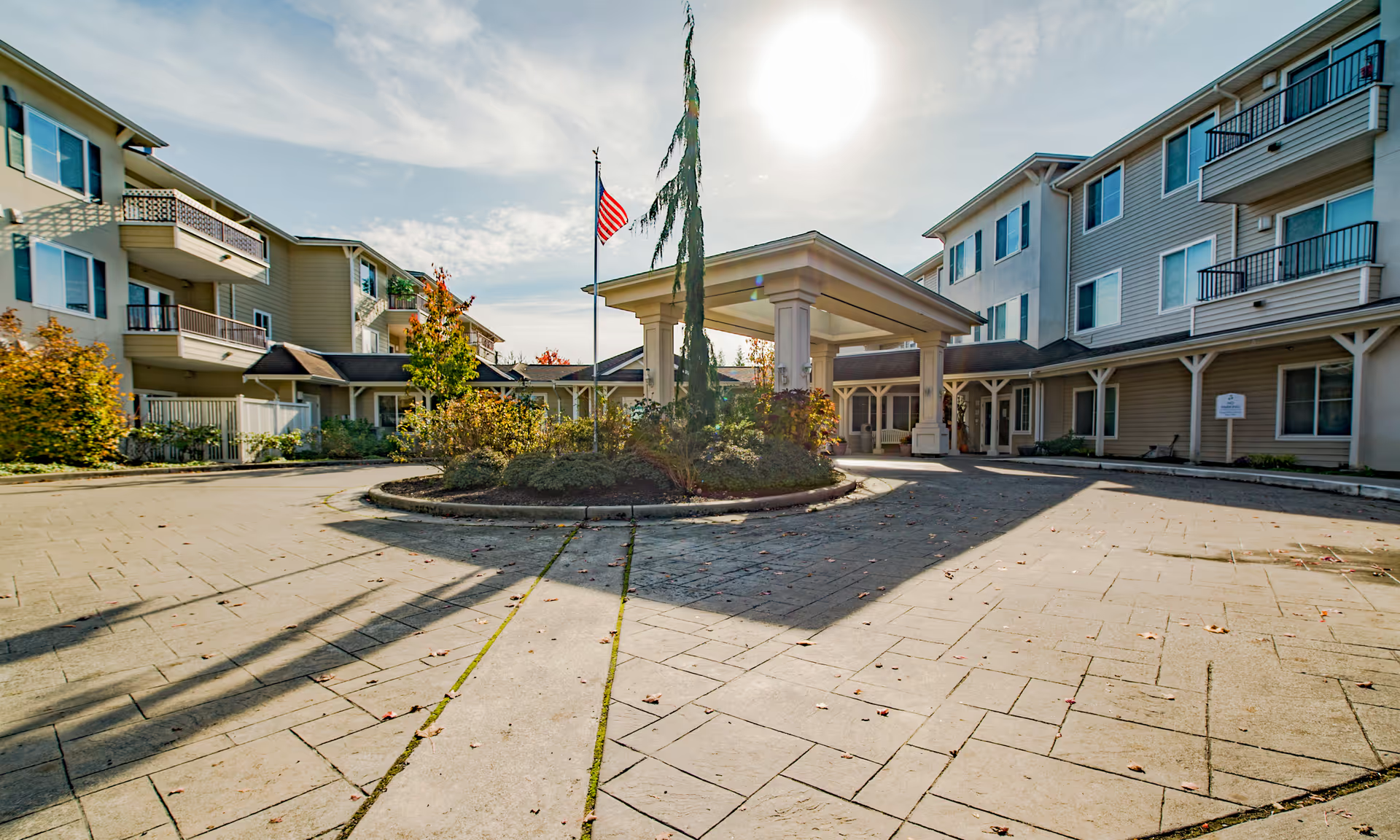
Overall impression: Reviews characterize The Bridge at Mount Vernon as a small, well-appointed assisted-living community with a strong emphasis on personalized service, social engagement, and high-quality dining. Many accounts highlight attentive and patient caregiving staff, a welcoming admissions experience, and a close-knit community feel. The facility is described as bright, modern, and clean, with spacious rooms and an atmosphere framed as homelike rather than institutional.
Care and staff: Caregivers, medication technicians, and administrative staff receive frequent praise for responsiveness, compassion, and a smooth transition process for new residents. Reviewers note on-site medication administration, hospice coordination, bathing assistance, and arranged transportation and therapy services. That said, there are operational concerns about responsiveness: reviewers identified delays in staff answering call signals and variability in day-to-day care consistency. The facility’s smaller scale is cited as a strength for individualized attention but may also relate to occasional staffing-response variability.
Dining and activities: Dining is consistently called out as a notable strength. The presence of a chef, award recognition, and frequent comments about flavorful, nostalgic meals create a strong positive impression. The community offers an active calendar with games, outings, and organized social events; transportation for off-site activities and therapy coordination further support resident engagement. These features contribute to a social atmosphere that many reviewers found beneficial for quality of life.
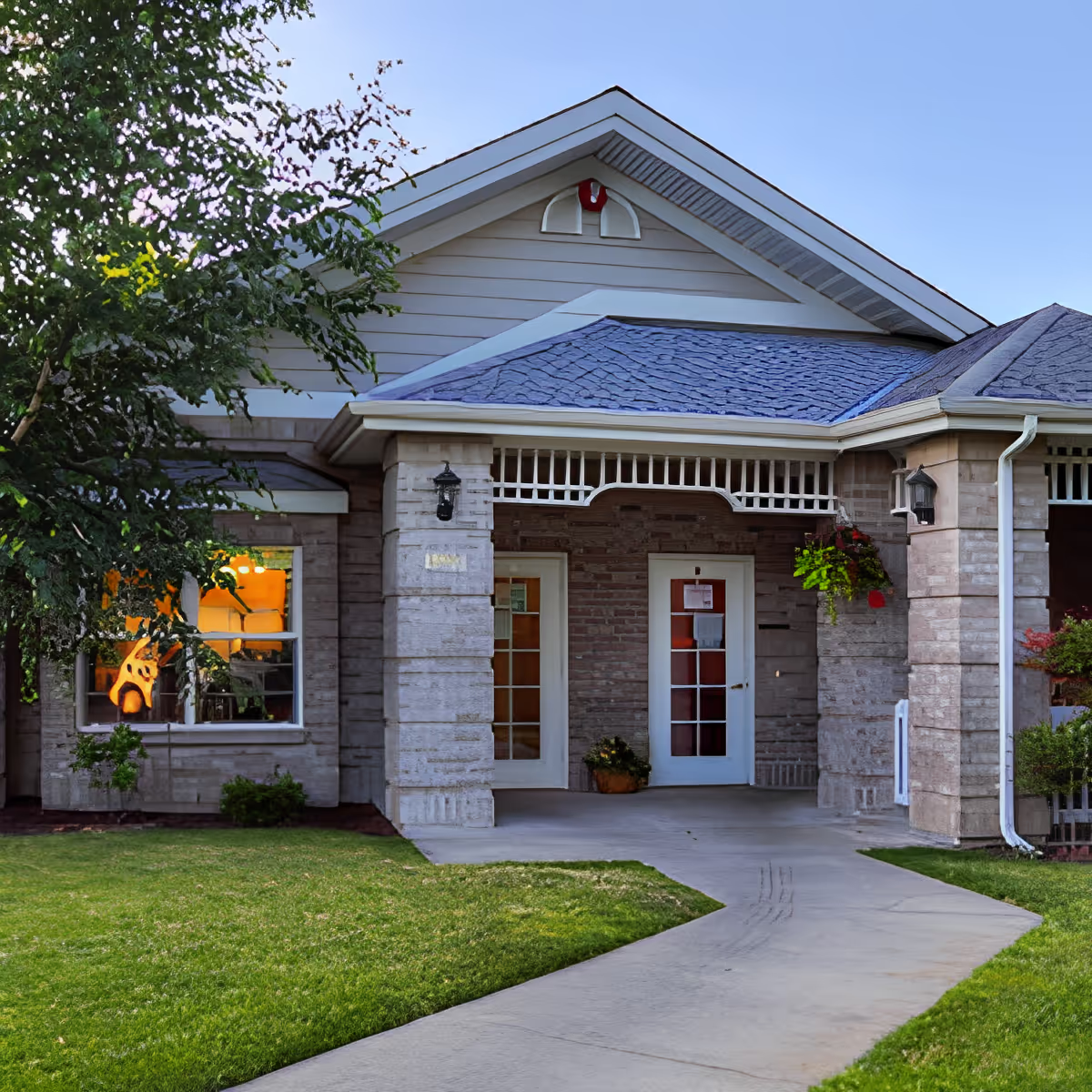
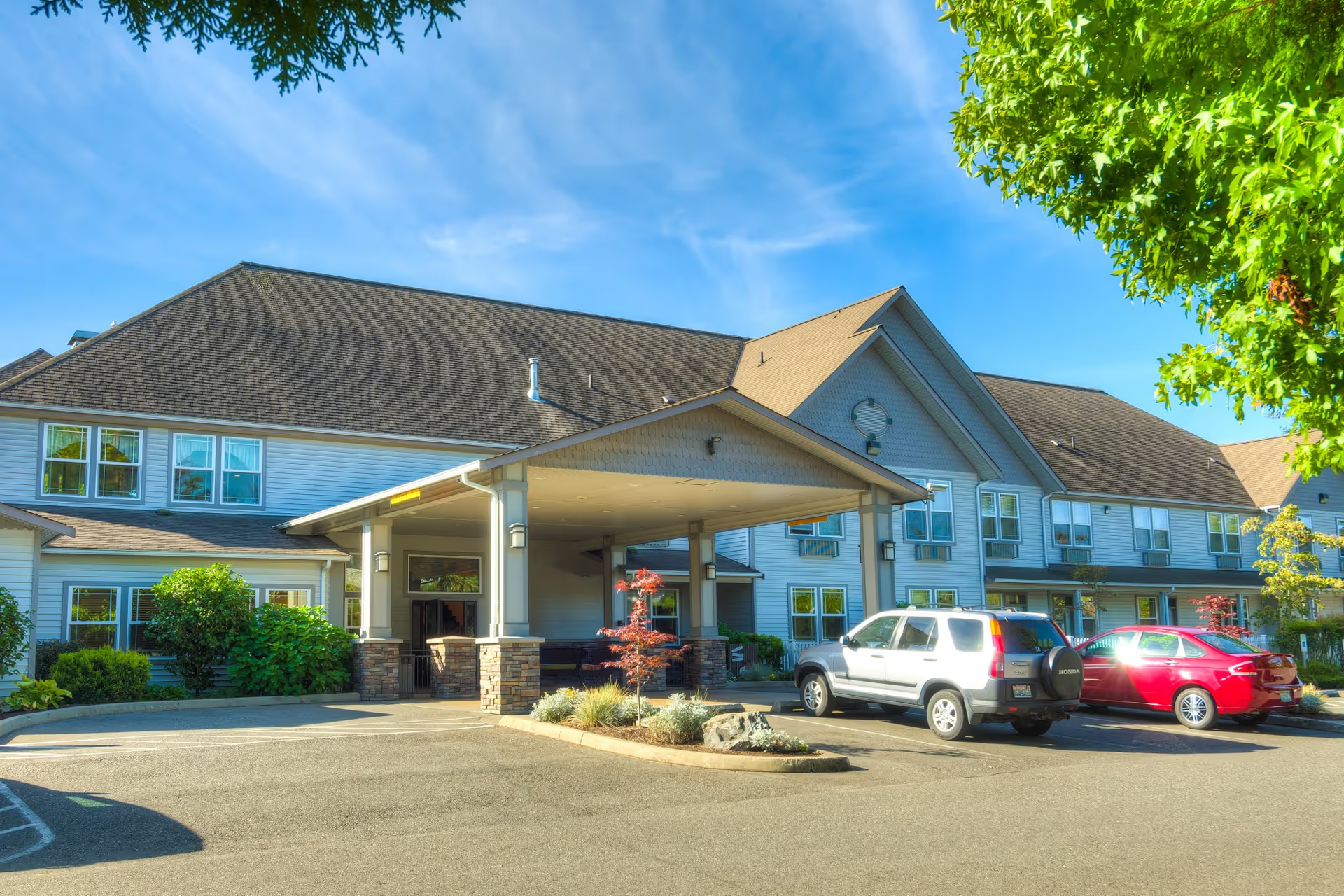
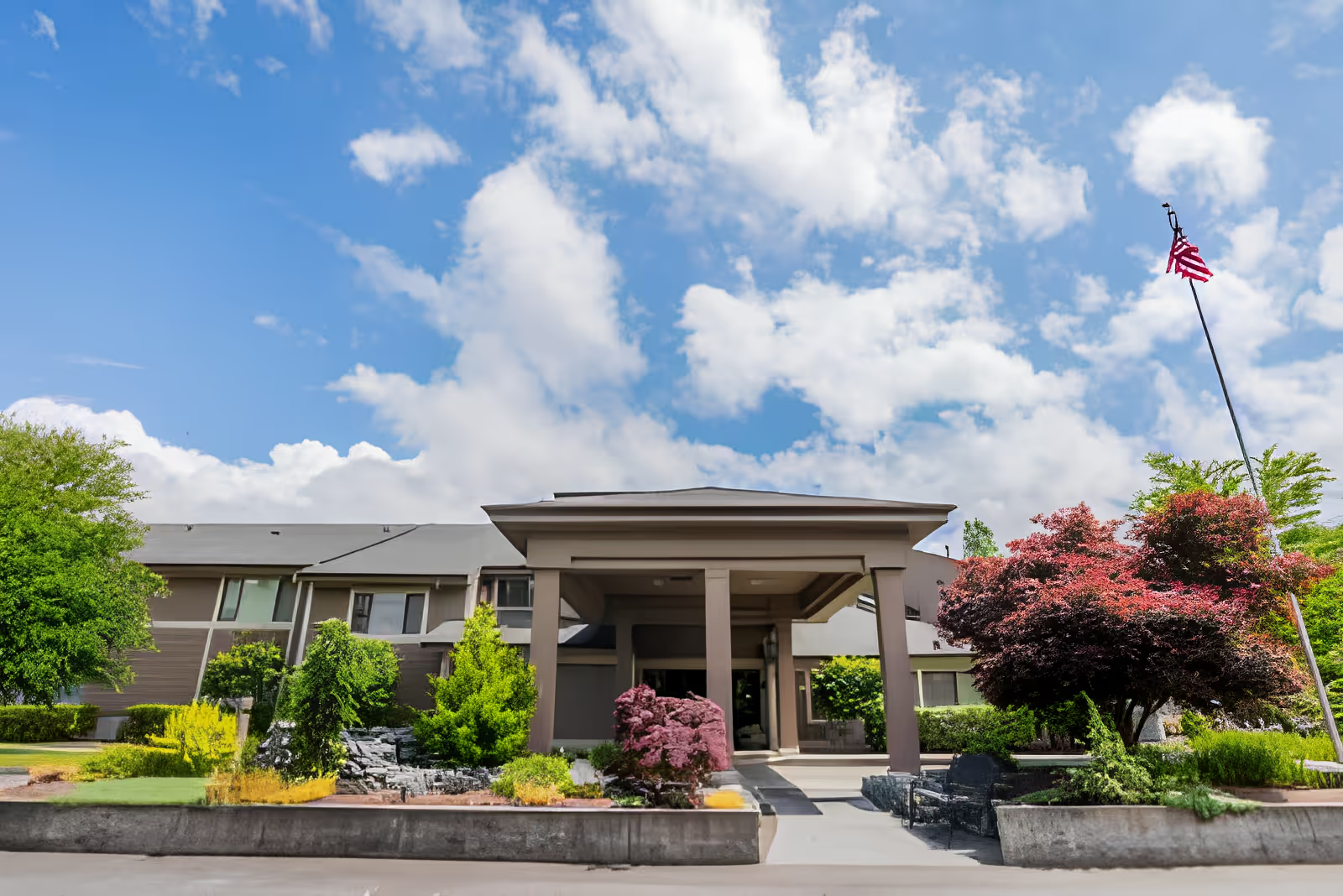
Facilities and maintenance: Reviewers generally described the facility as bright, airy, and well maintained, with particular appreciation for cleanliness and non‑institutional design. A few comments point to specific maintenance or housekeeping shortcomings—for example, carpeting or other common-area cleanliness that could be improved—indicating room for targeted attention to upkeep.
Management and financial considerations: Admissions staff and administration are often described as helpful and communicative, and the community’s all-inclusive pricing model is noted as straightforward and affordable by multiple accounts. One operational limitation that emerged is limited participation in certain state assistance programs, which affected eligibility for at least one prospective resident; families for whom such funding matters should confirm program participation in advance.
Notable patterns and recommendations: Strengths cluster around staff engagement, dining quality, and an active small-community atmosphere. The primary operational weaknesses to evaluate further are responsiveness to call signals and consistency of care delivery, along with targeted maintenance in common areas. Prospective residents and families should schedule a tour, observe staff response times during the visit, ask about staffing levels and contingency coverage, and confirm participation in any financial-assistance programs relevant to their situation.