Where the Heart Is presents a mixed but actionable picture for prospective residents and families. Many commenters highlight warm, compassionate caregivers, a welcoming community atmosphere, and a facility layout that promotes socialization — open floorplans, central gathering areas, smaller dining pods, patios and gardens. Several reviewers praised specific admissions and front-office staff for clear communication and helpfulness, and a number of families appreciated on-site services such as salon treatments, physical therapy, hospice support, and transportation for medical appointments.
Care quality impressions diverge. Positive experiences emphasize attentive CNAs and engaged nurses who contribute to residents’ comfort and dignity, particularly during end-of-life care. However, recurring operational patterns include chronic staffing shortages and frequent caregiver turnover that affect response times and continuity of care. Reviewers describe inconsistent nursing coverage and medication-administration coordination gaps; these are operational weaknesses that can complicate families’ confidence in clinical oversight. Some families also noted concerns about how clinical incidents and changes in condition are escalated and communicated.
Dining and activities are similarly mixed. The community offers a variety of social and therapeutic programming — arts and crafts, live music, gardening, painting, and organized events — that many residents and families find meaningful. At the same time, activity programming appears to be vulnerable to staffing changes: when activity staff are reassigned to care duties, offerings shrink. Meal quality and consistency are another pattern: some families praise food and dining events, while others describe reliance on pre-prepared or vendor-sourced items, uneven hot-food quality, and menu limitations (with the main hot meal sometimes served at midday and lighter evening offerings).
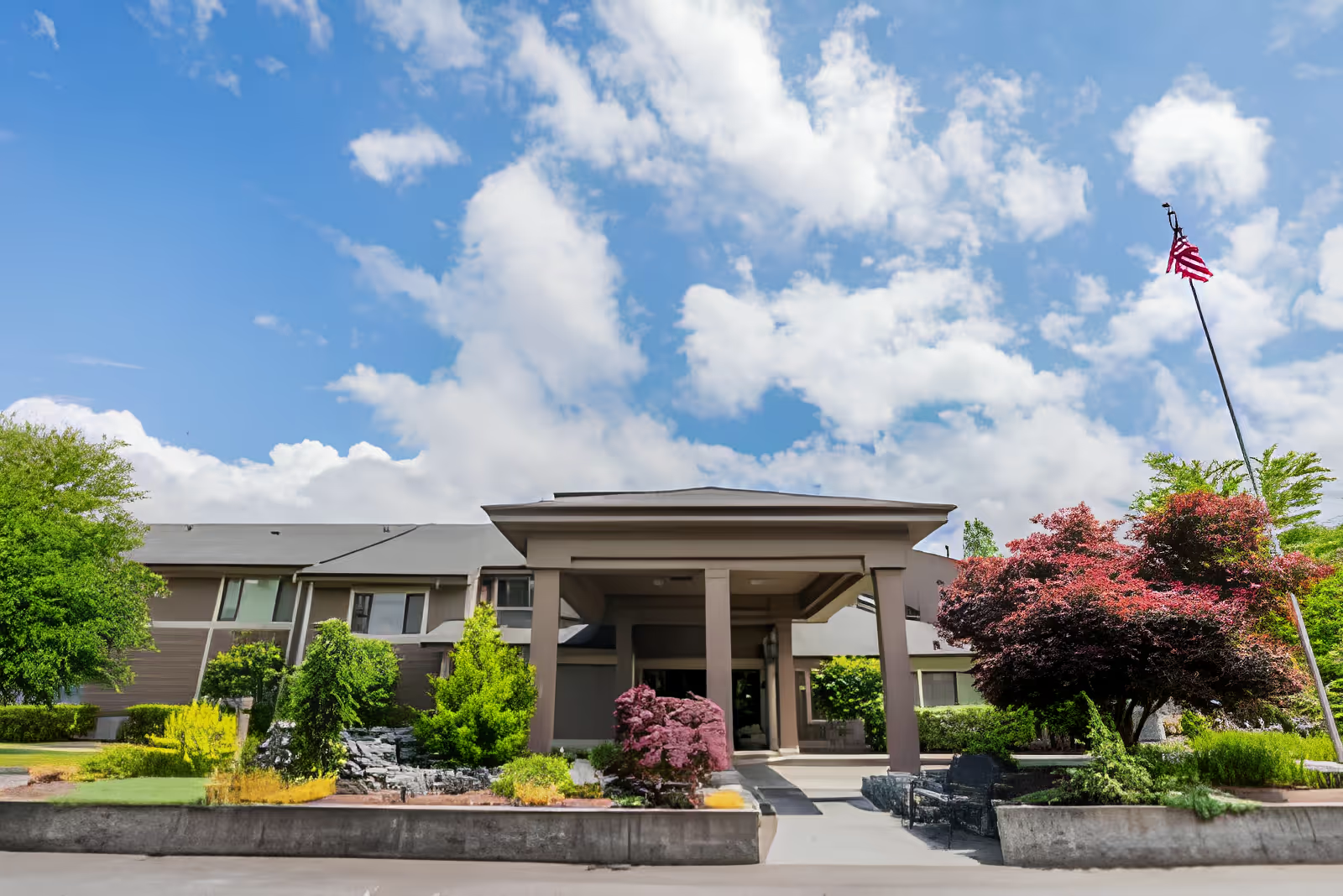
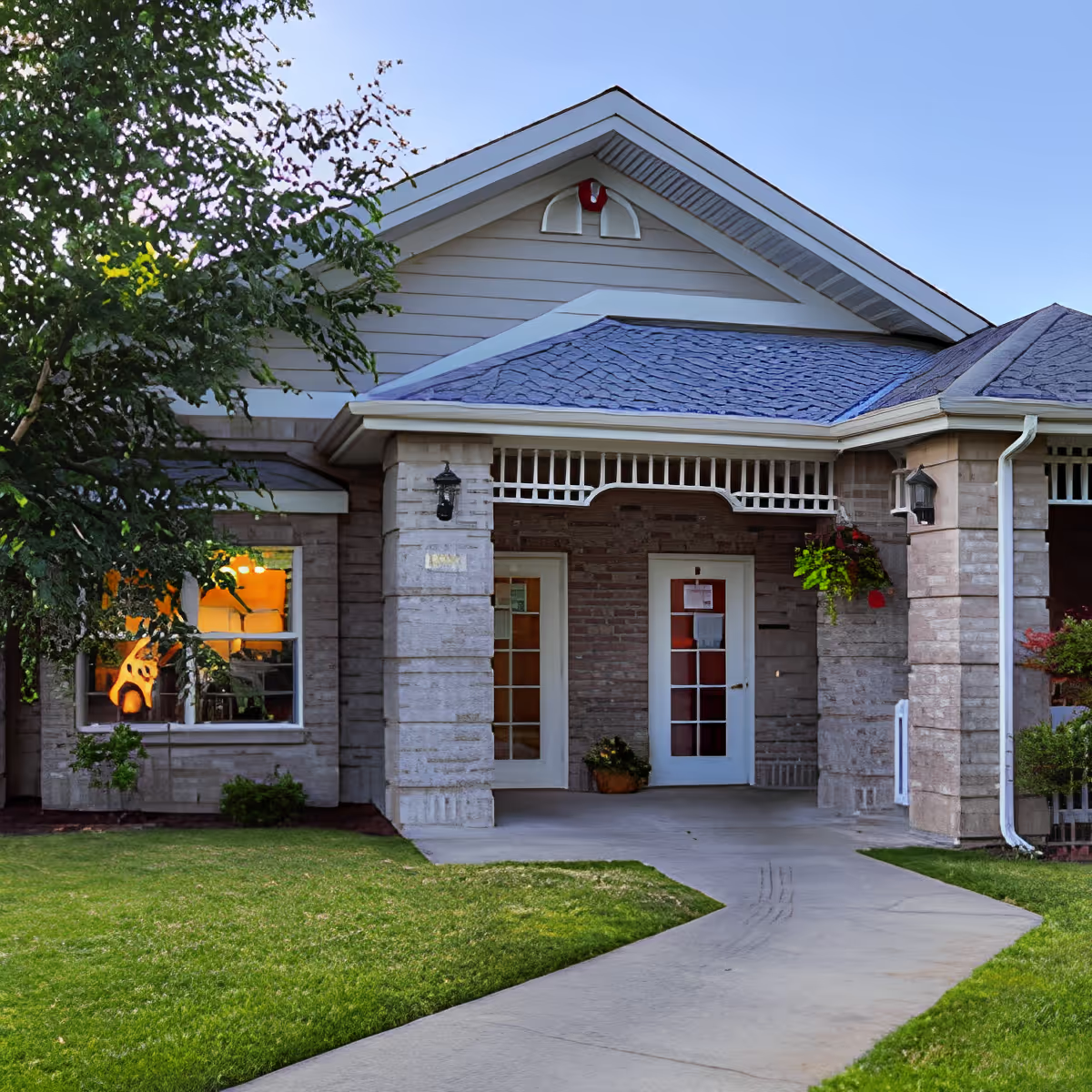
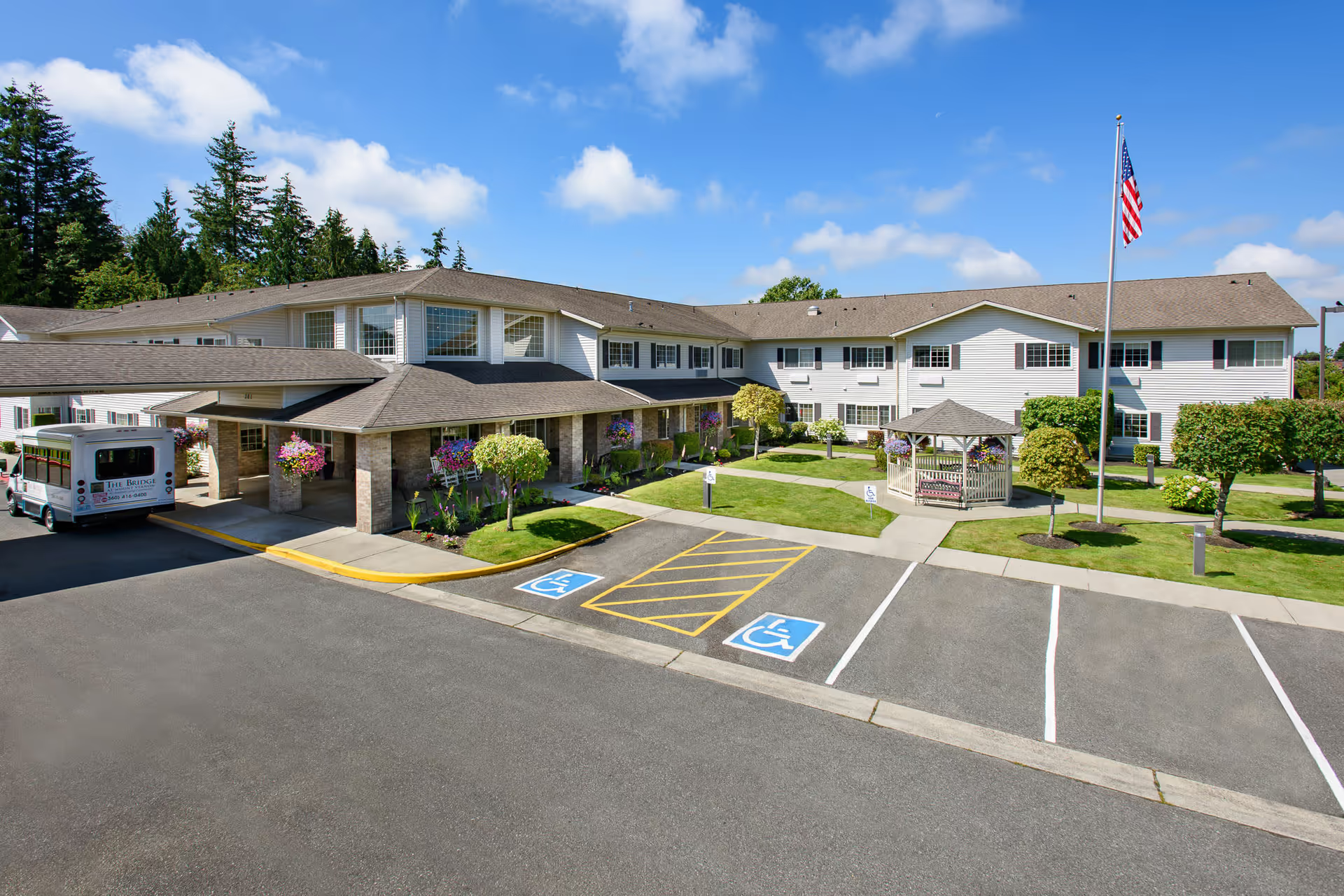
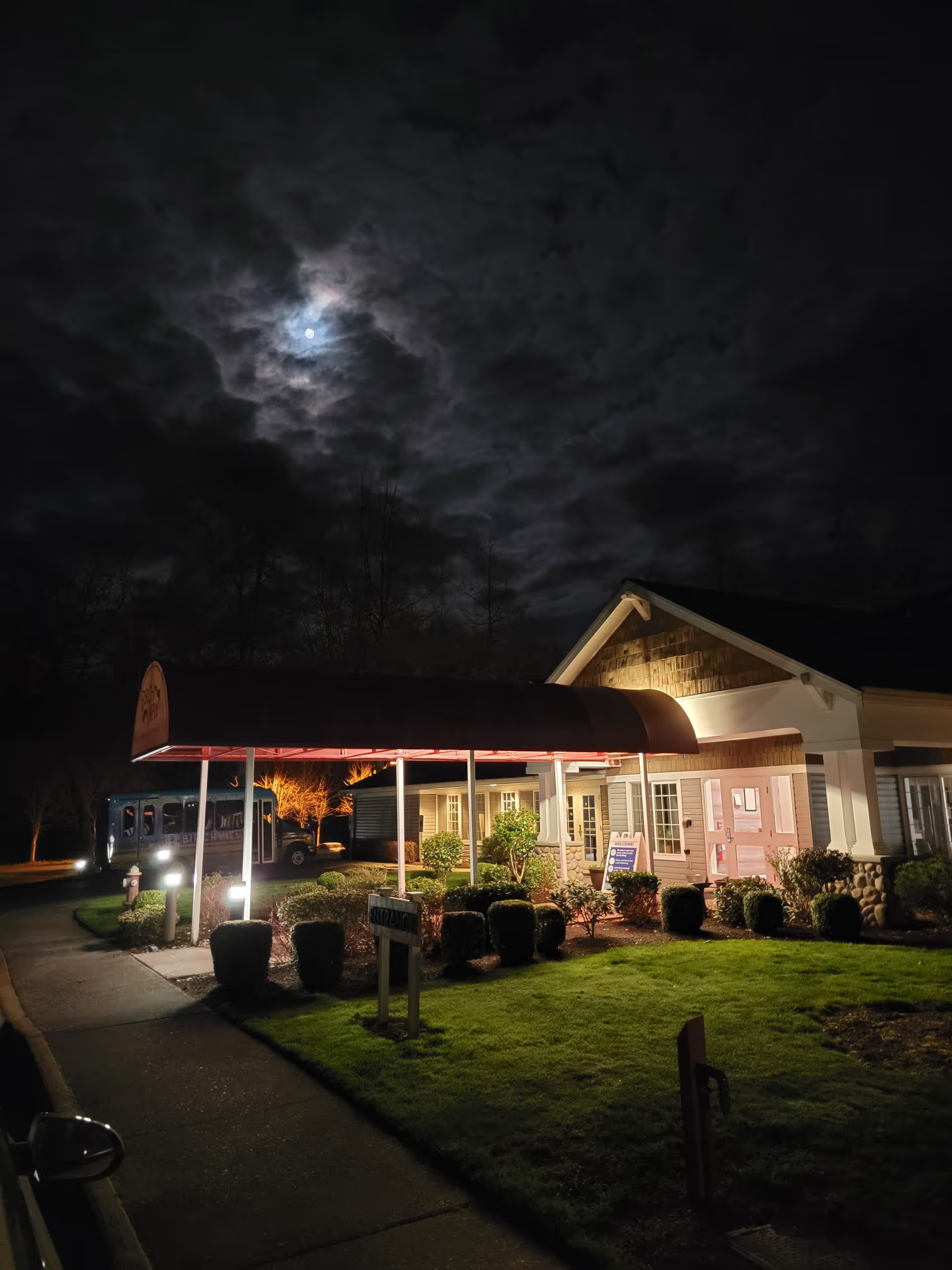
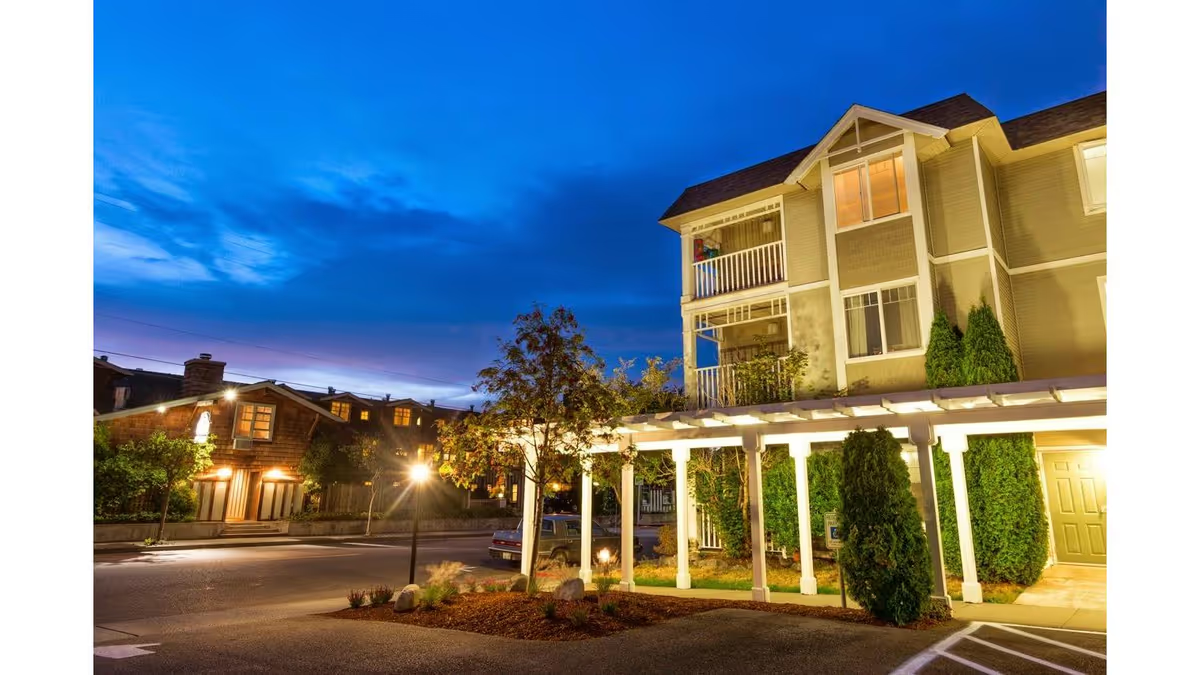
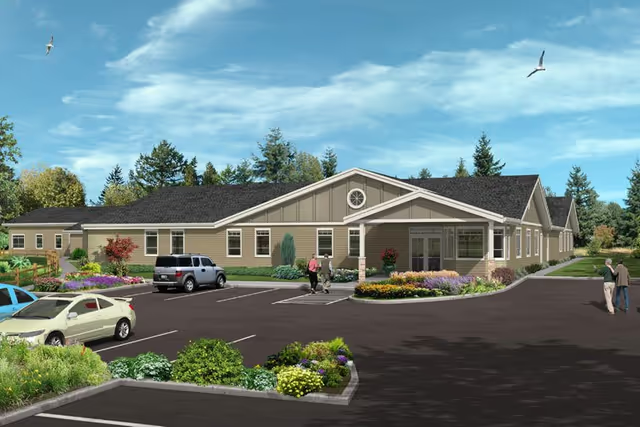
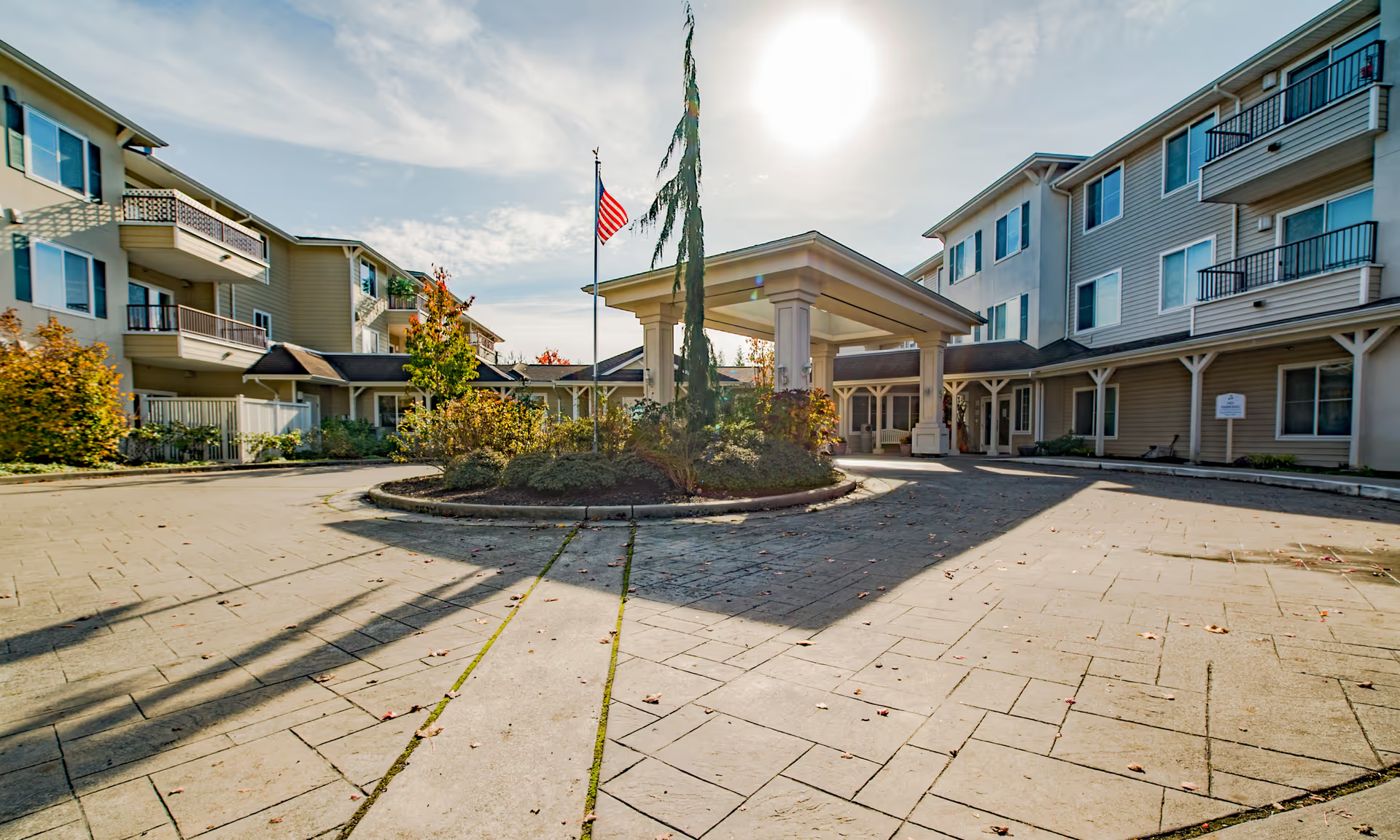
Facility and housekeeping impressions are generally favorable regarding the building layout, accessibility, and outdoor spaces; many reviewers call the community well-maintained and clean. Counterbalancing those statements are specific sanitation and housekeeping lapses cited by other families — laundry odors, missed housekeeping tasks, and occasional maintenance issues — that suggest variability in daily operations rather than a uniform problem.
Management and administration receive both commendation and criticism. Several staff in admissions, marketing, and leadership were singled out as responsive and professional, which eased transition stress for families. Conversely, there are recurrent concerns about broken promises, contract changes, billing inconsistencies, and periods of apparent administrative indifference tied to management turnover. Transportation availability (community van and driver) and follow-through on contracted services also emerged as operational gaps.
Notable patterns for decision-making: the strongest and most consistent positives relate to staff warmth, the facility’s social design, and available on-site services. The principal operational weaknesses center on workforce stability, clinical coordination, meal-service consistency, housekeeping reliability, and administrative follow-through — issues that can vary over time as staffing and management change. Prospective families should prioritize in-person visits, ask direct questions about current staffing levels and clinical oversight, review sample menus and meal sourcing, confirm housekeeping and laundry processes, inquire about recent management turnover, and verify how care differs under private-pay versus Medicaid arrangements.