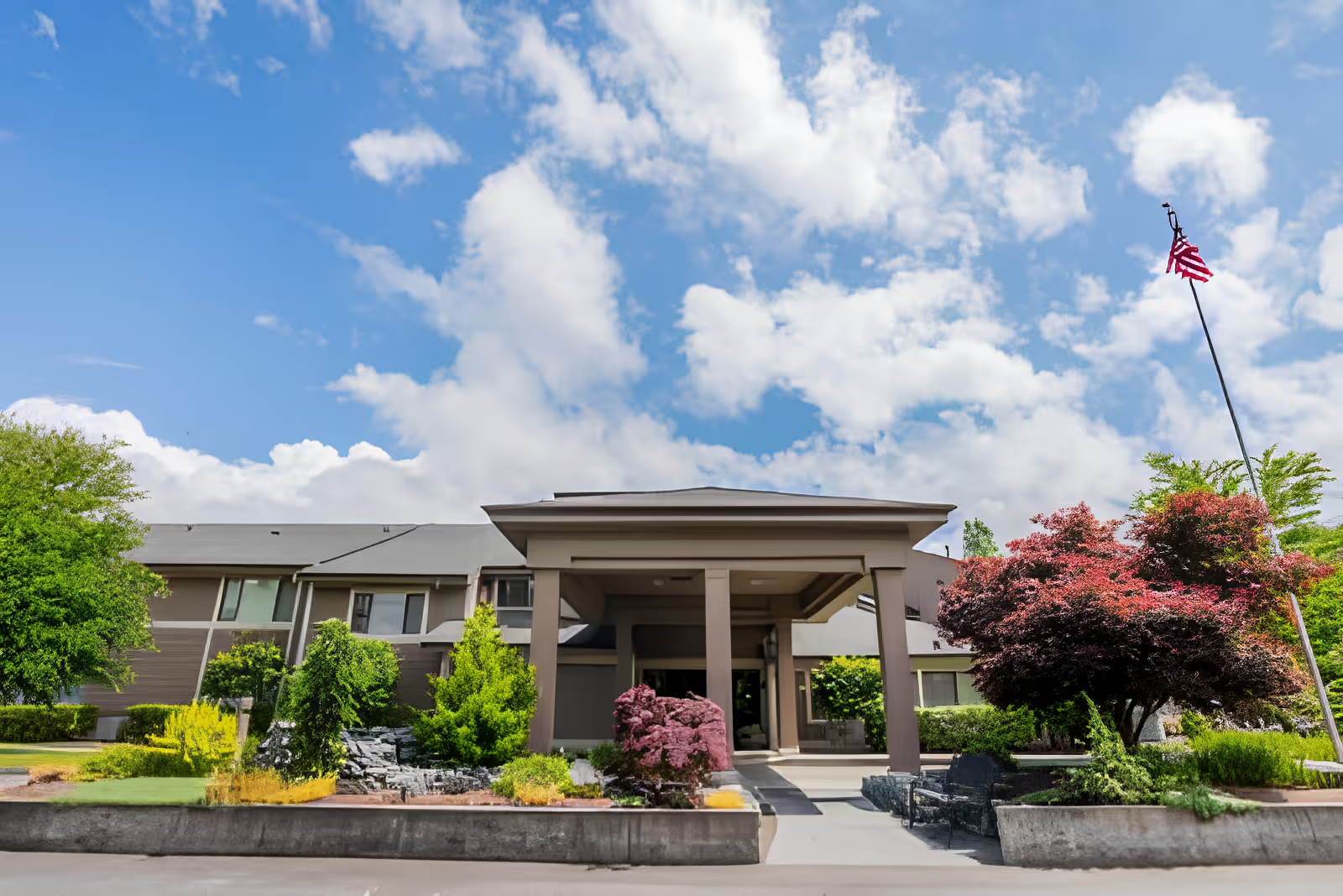
The reviews for Ashley Gardens of Mt. Vernon present a mixed but consistent picture: many families and visitors describe a warm, home-like community with attentive caregiving, while other accounts raise operational and oversight concerns. Strengths frequently cited include a compassionate, family-style approach from direct-care staff, an easily navigated admissions process, and a visible focus on memory-care programming. The facility’s grounds and common areas are repeatedly described as attractive and well kept, and several reviewers praised specific staff members and the overall welcoming tone on arrival.
Care quality is characterized by two distinct patterns. Numerous reviewers report high-quality, emotionally supportive care delivered by nurses and care associates who provide personalized attention, grooming, and daily updates to families. The presence of 24-hour nursing and a range of supportive services (podiatry, grooming, music therapy) is a clear asset for families seeking memory-focused care. Conversely, other reviews indicate operational gaps that affect care consistency: chronic understaffing, frequent turnover, and instances of inexperienced or hurried hires. These staffing pressures are linked to competency concerns, language barriers with some caregivers, and inconsistent medication-management or assistance at key times such as mealtimes.
Dining and activities are overall strong points. The kitchen receives many compliments for homemade, fresh meals and a homey dining environment; residents reportedly enjoy daily menus, outings, and music-based therapies. At the same time, a few reviewers noted limitations tied to regulatory constraints on menu variety and occasional problems with meal access or assistance, which suggest the need for closer operational oversight during service times. Activity programming appears robust, with regular interactive opportunities, bus trips, and visible documentation of resident engagement.
Facilities and infection control are areas to monitor. The community is often described as clean, odor-free, and well maintained, with private rooms and opportunities for personalization. However, some reviews flagged sanitation concerns in specific areas and referenced COVID outbreaks; these comments point to the importance of sustained infection-control practices and environmental hygiene checks. Families should ask for the facility’s recent infection-control records and housekeeping protocols during tours.
Management and leadership perceptions are mixed. Many reviewers praise helpful administrative staff and welcoming enrollment experiences, while others raise concerns about management responsiveness, communication tone, and supervisory oversight. These leadership inconsistencies appear connected to operational issues such as staffing practices and training. Prospective residents and families would benefit from discussing staffing ratios, staff continuity, training programs, and incident-reporting procedures with the director during the decision process.
Overall, Ashley Gardens shows clear strengths in person-centered, memory-care–oriented services, engaging activities, and a home-like environment. Persistent operational themes—particularly around staffing levels, training, medication processes, and targeted sanitation/infection controls—warrant direct questions and verification at the time of a tour. Families seeking placement should weigh the facility’s evident caregiving strengths against these operational risks and confirm current staffing patterns, clinical oversight, and quality-assurance measures before committing.