Cascade Valley Senior Living elicits a broadly mixed but mostly positive impression in several domains. Many families praise the facility’s warm, family-like atmosphere: caregivers are frequently described as kind, attentive, and personable, and specific staff members and the activities team receive regular commendation. The community’s small scale and homelike environment are strengths for residents who benefit from close social connections. Housekeeping, laundry, and general cleanliness of public areas and private rooms are often highlighted as strong points when operations are running smoothly.
Care quality shows a clear polarity. When staffing is stable and experienced personnel are available, reviewers note personalized, dignified care, effective transitions into memory care, and strong clinical oversight from the leadership team. However, there are recurring operational weaknesses tied to staffing instability: high turnover, short-staffing at times, and gaps in dementia-focused training. These patterns are associated with inconsistent responsiveness to resident needs, occasional lapses in routine care processes, and family concerns about medication-administration controls. Separately, a subset of families raised sanitation and incontinence-care concerns; these descriptions indicate a need for more consistent implementation of hygiene and care protocols.
Dining and activities are frequent strengths. The dining program is praised for restaurant-style, from-scratch meals under a senior chef, and many residents and families describe the food as nutritious and appealing. At the same time, reviewers noted inconsistencies in meal appropriateness for residents with cognitive impairment (texture, presentation, and assistance needs), suggesting opportunities to enhance dementia-friendly dining practices. The activities calendar is robust, with daily options, outings on the facility bus, church services, live music, beauty services, and a variety of social and therapeutic programs that support engagement and community integration. Some reviewers observed that programming can be more targeted toward women and that options for male residents could be expanded.
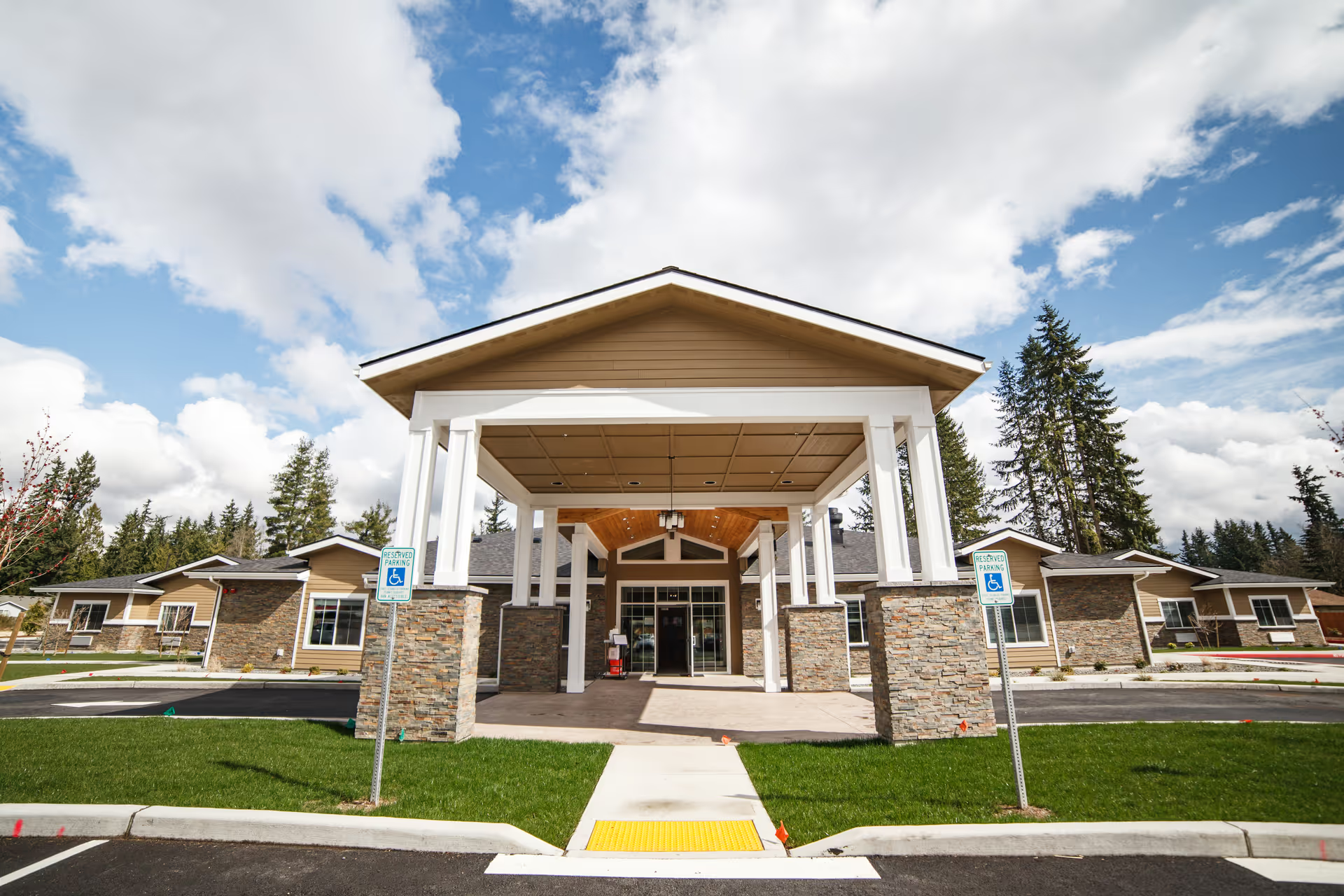
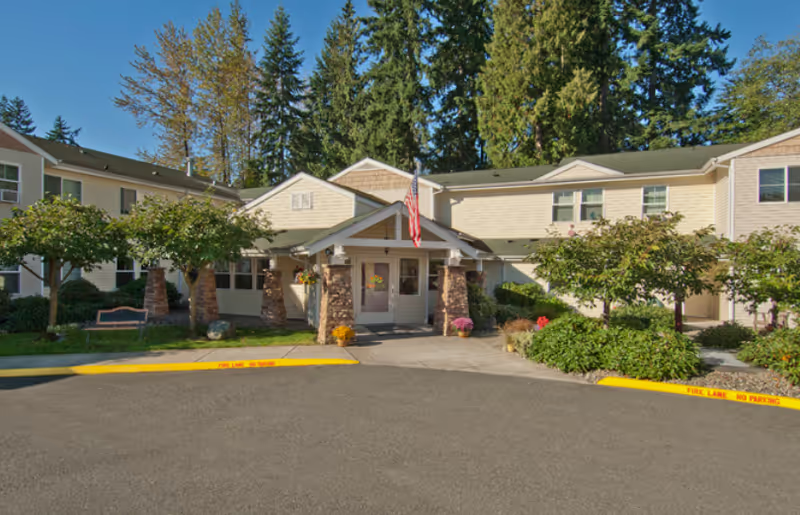
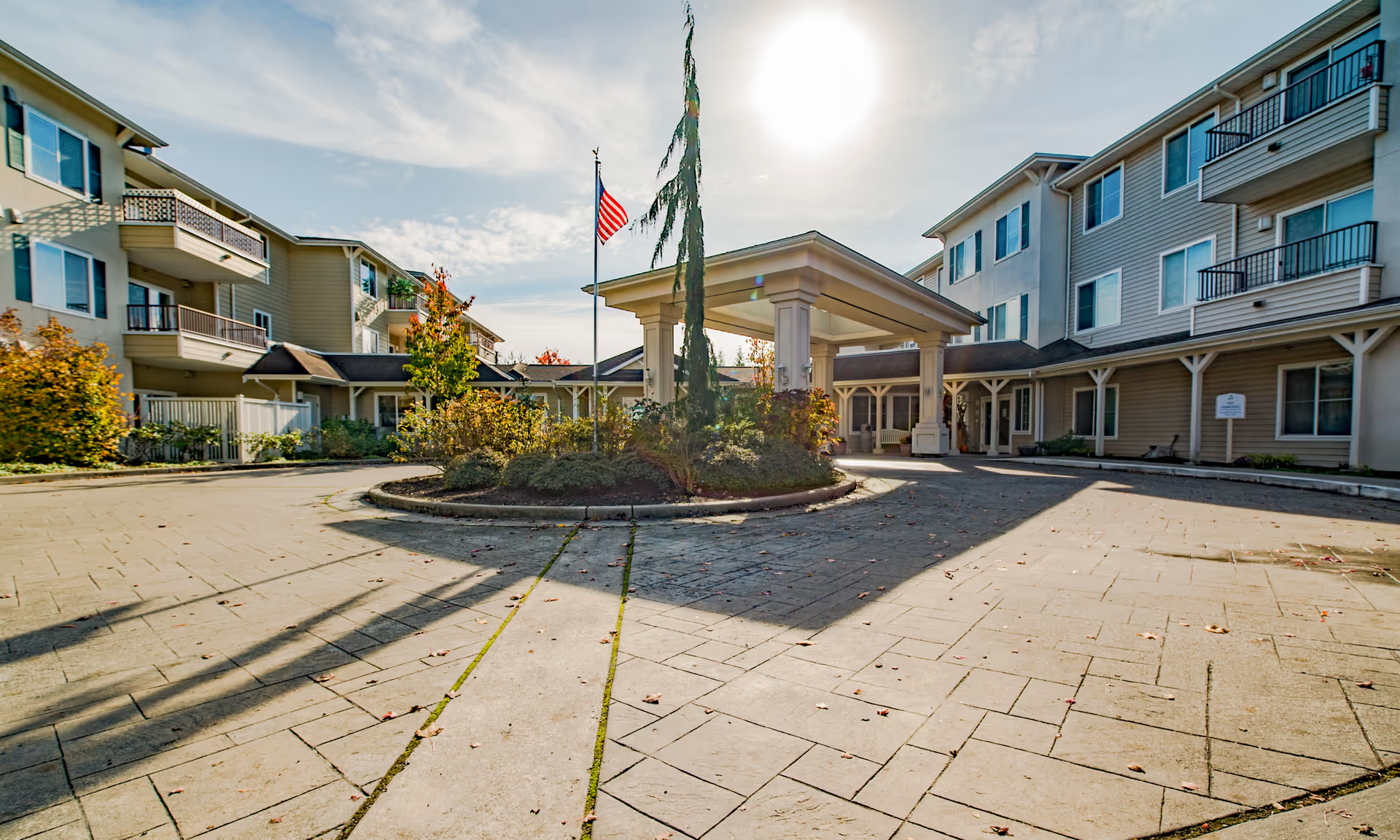
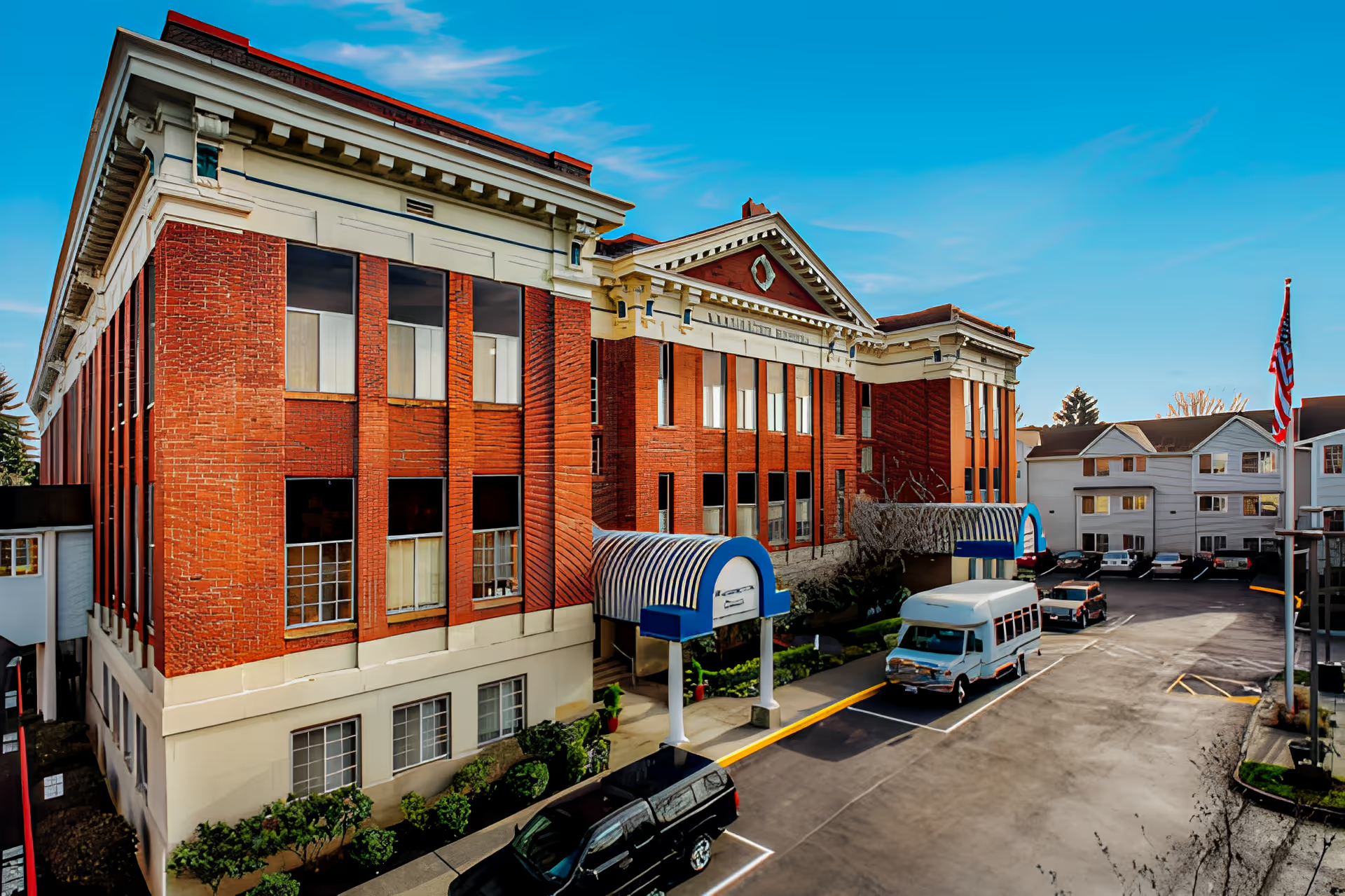
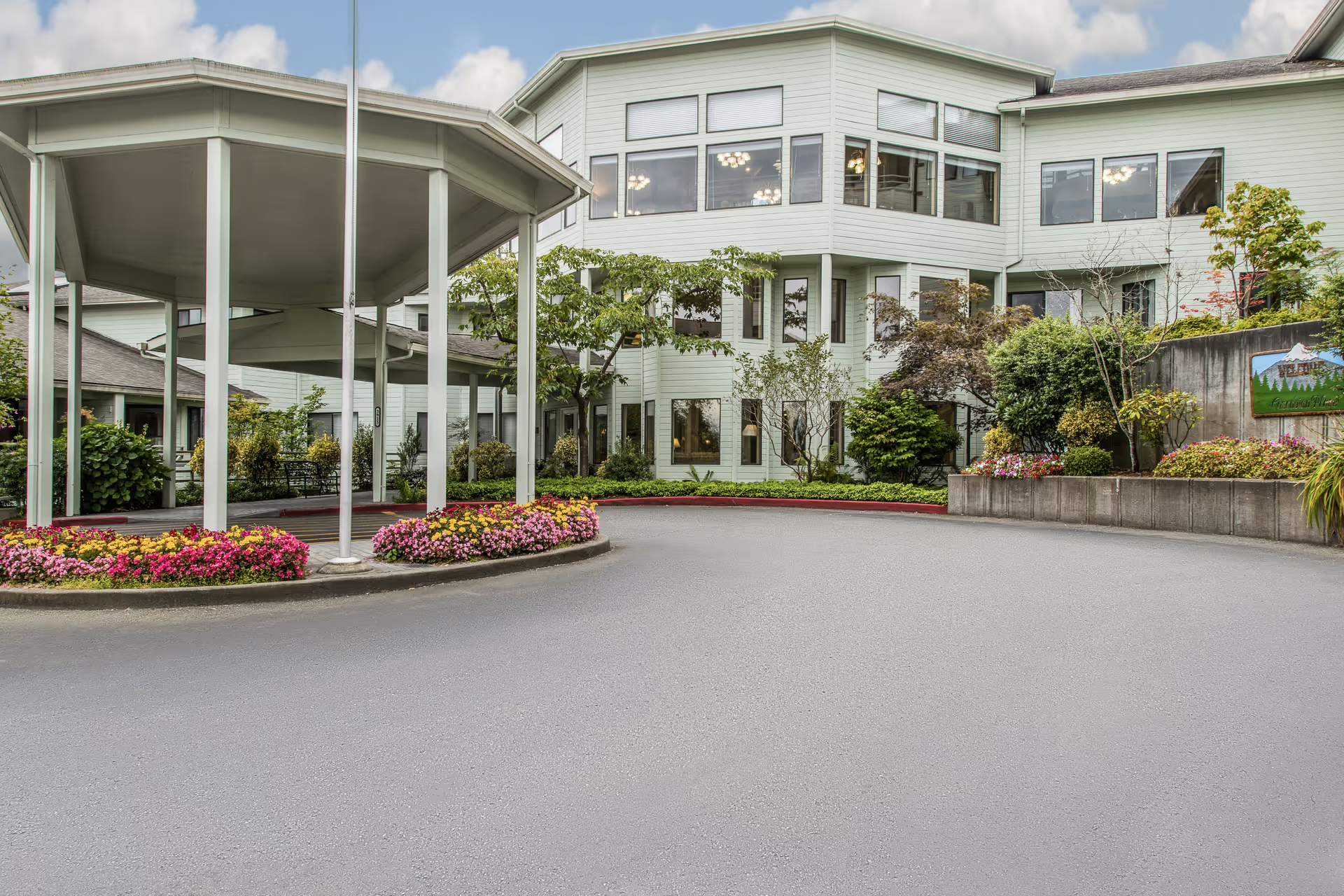
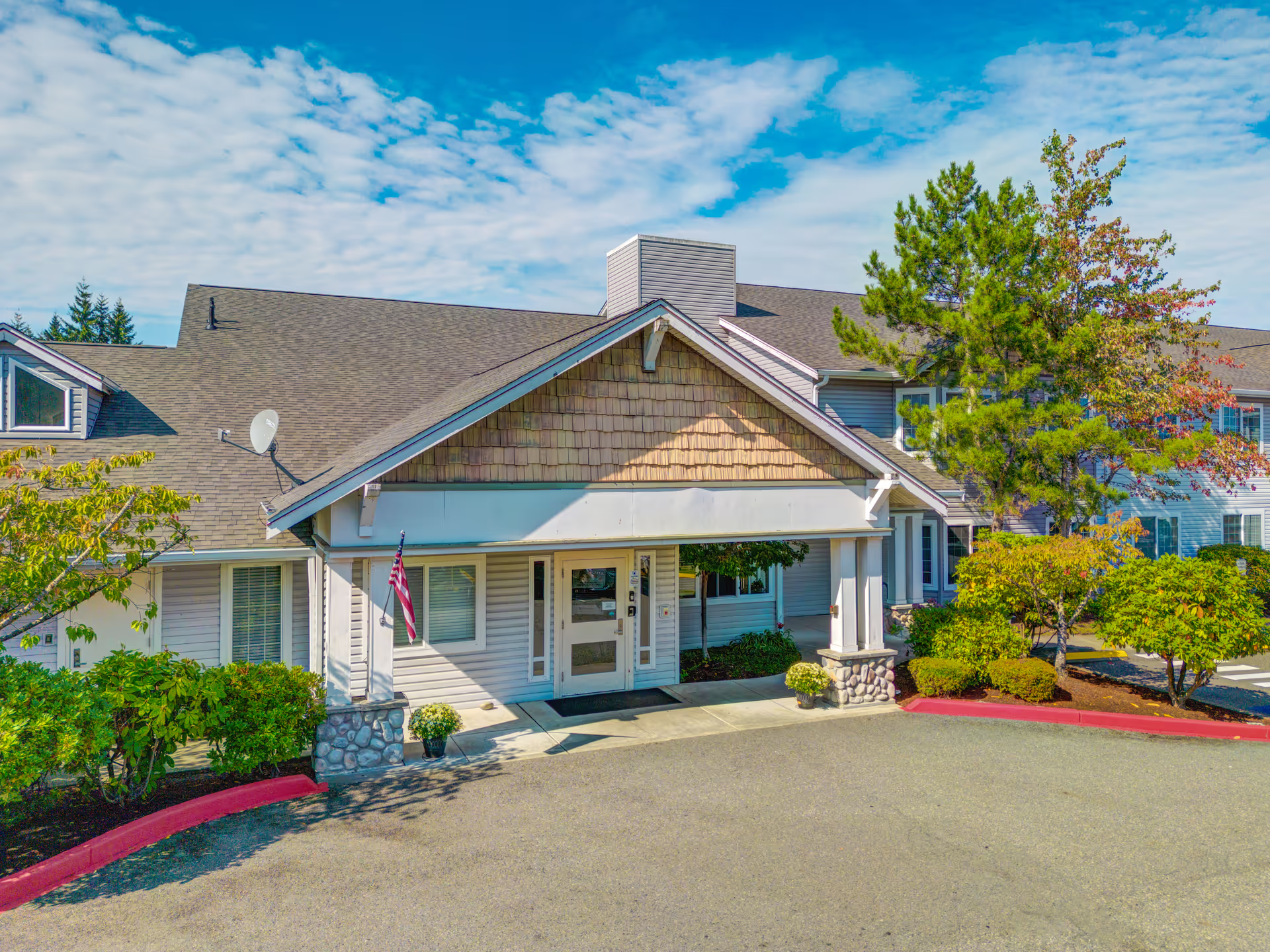
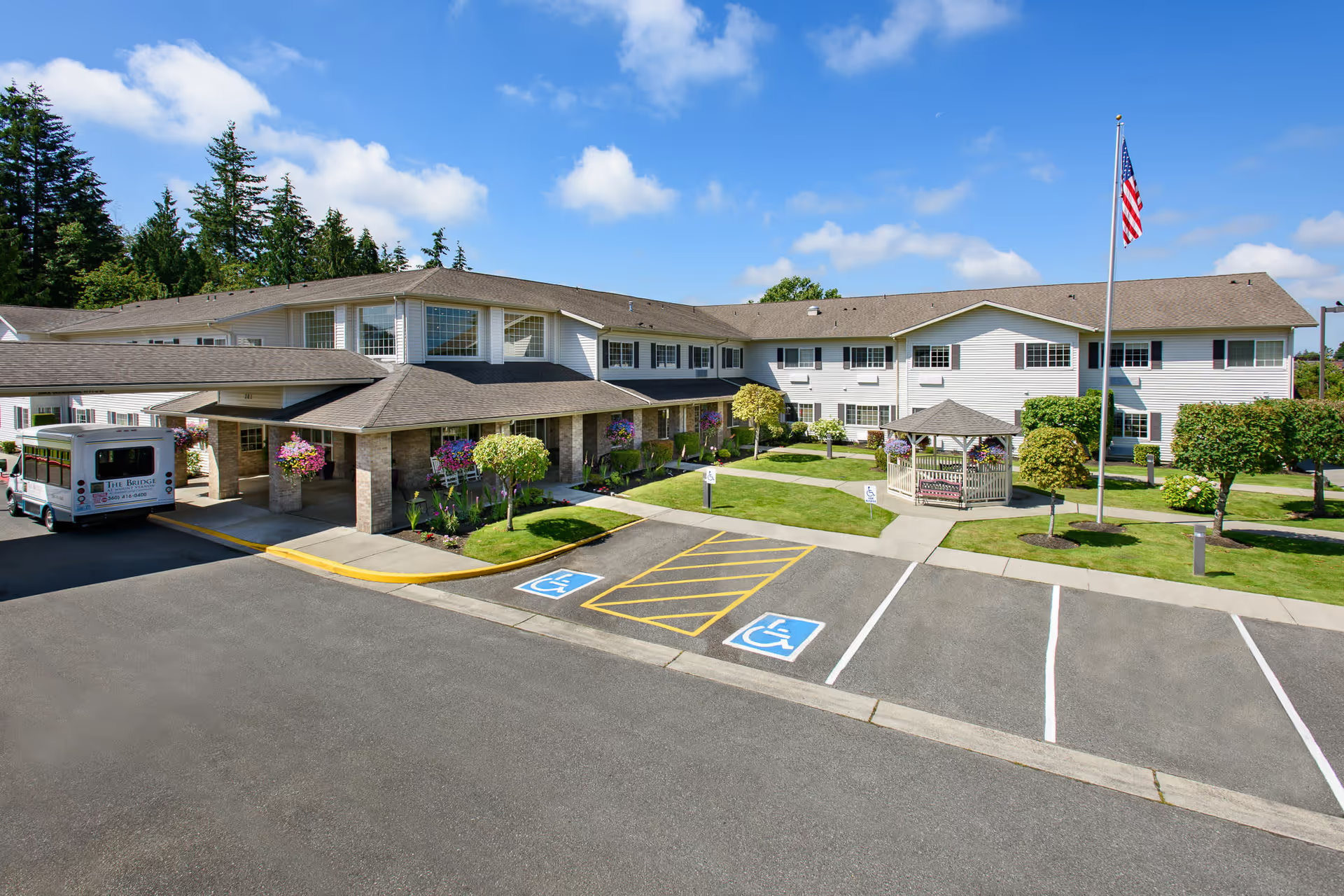
The physical plant is an older building that has been well maintained in many areas but shows its age in others. Common praise goes to clean interiors, outdoor seating, scenic drives, and comfortable patios; concurrently, reviewers noted confusing circulation (many doors), small or cluttered secondary common areas, and bathroom/shower designs that raise safety or accessibility questions. Ongoing remodeling and facelift projects are referenced repeatedly, indicating management attention to physical upgrades but also temporary disruptions to programming and space use.
Management and communication present a mixed picture. Several reviewers commend the executive director, a responsive clinical team, and specific employees for strong leadership and helpful family communication. Conversely, recurring themes include administrative turnover, inconsistent follow-through on commitments, and variable front-desk or supervisory interactions; a small number of families raised serious concerns, including allegations of unethical financial conduct and restricted visitation during infection-control events. These comments suggest unevenness in policy enforcement, documentation, and family communication that prospective families should clarify during tours.
Bottom line: Cascade Valley demonstrates clear strengths in staff warmth, engaging activities, dining quality, and a small, home-like setting. Prospective residents and families should weigh those strengths against operational vulnerabilities tied to staffing consistency, dementia-specific training, medication-administration controls, and certain facility-layout safety issues. When considering placement, ask for current staffing ratios, dementia-care training protocols, medication administration policies, recent inspection or corrective-action summaries, examples of dementia-friendly dining accommodations, and specifics about ongoing remodeling timelines and visitation policies to assess the fit for particular care needs.