Overall sentiment from the provided review summaries is mixed but leans positive on interpersonal care while raising significant concerns about the environment and at least one instance of unprofessional staff behavior.
Care quality: Reviews emphasize that residents receive loving, personal care from staff. Multiple comments point to staff kindness and compassion and describe a generally positive, happy atmosphere among residents. Those elements suggest that day‑to‑day hands‑on caregiving — assistance with personal needs, emotional support, and relationship building — is a strong point for Good Hope Home Care AFH based on the available feedback.
Staff: Staff are repeatedly described as kind and caring, which is a major strength. However, there is a notable negative incident reported: an inappropriate staff suggestion to calm residents by offering a cocktail. That single but serious remark signals a potential lapse in professional judgment, boundary awareness, or training. The juxtaposition of generally warm, loving staff behavior with this concerning suggestion indicates that while many caregivers are compassionate, there may be inconsistencies in training, supervision, or adherence to policies governing medication, substance use, and behavior management.
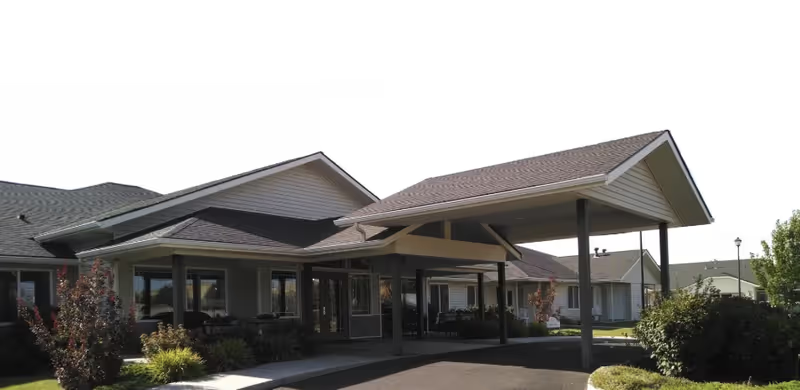
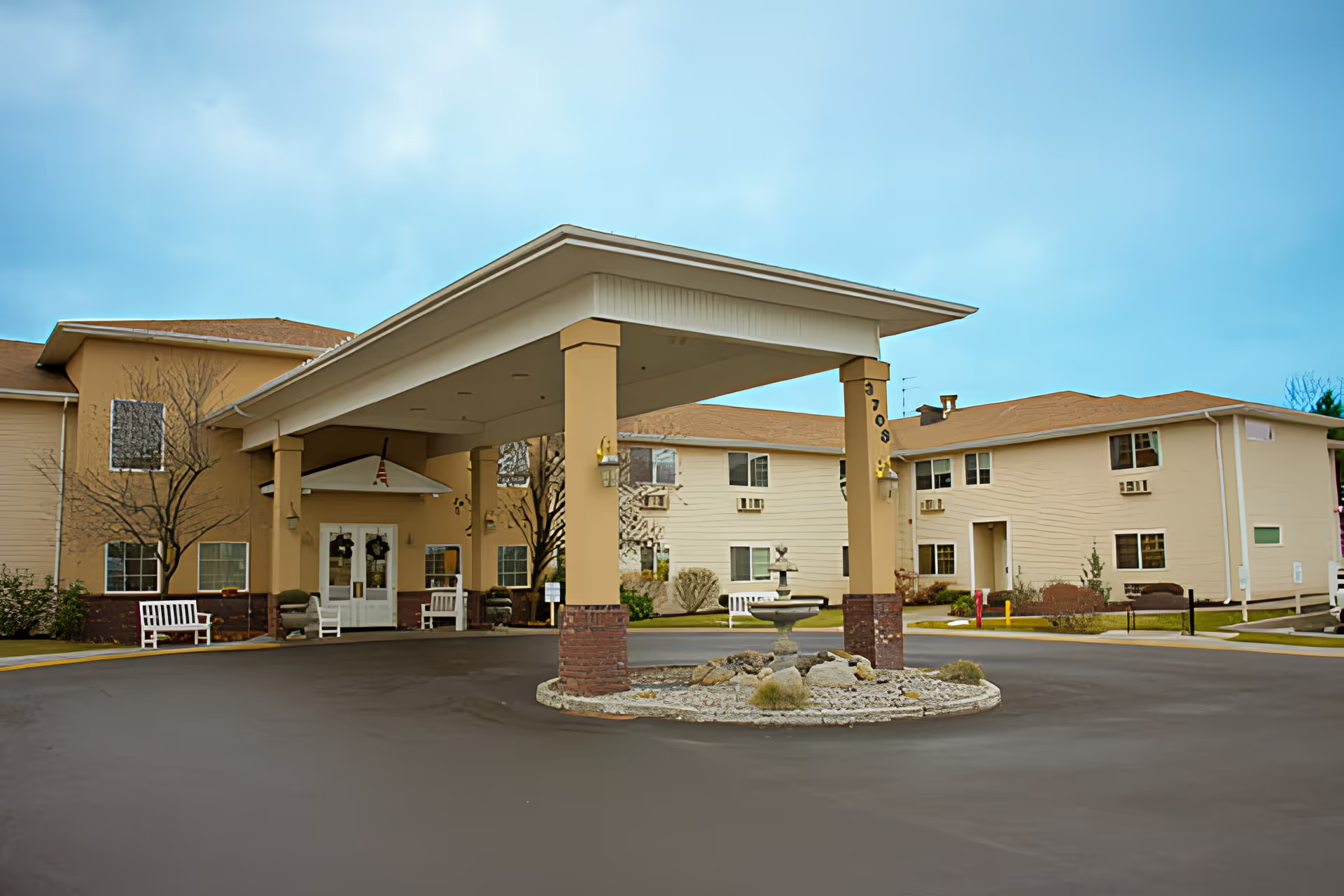
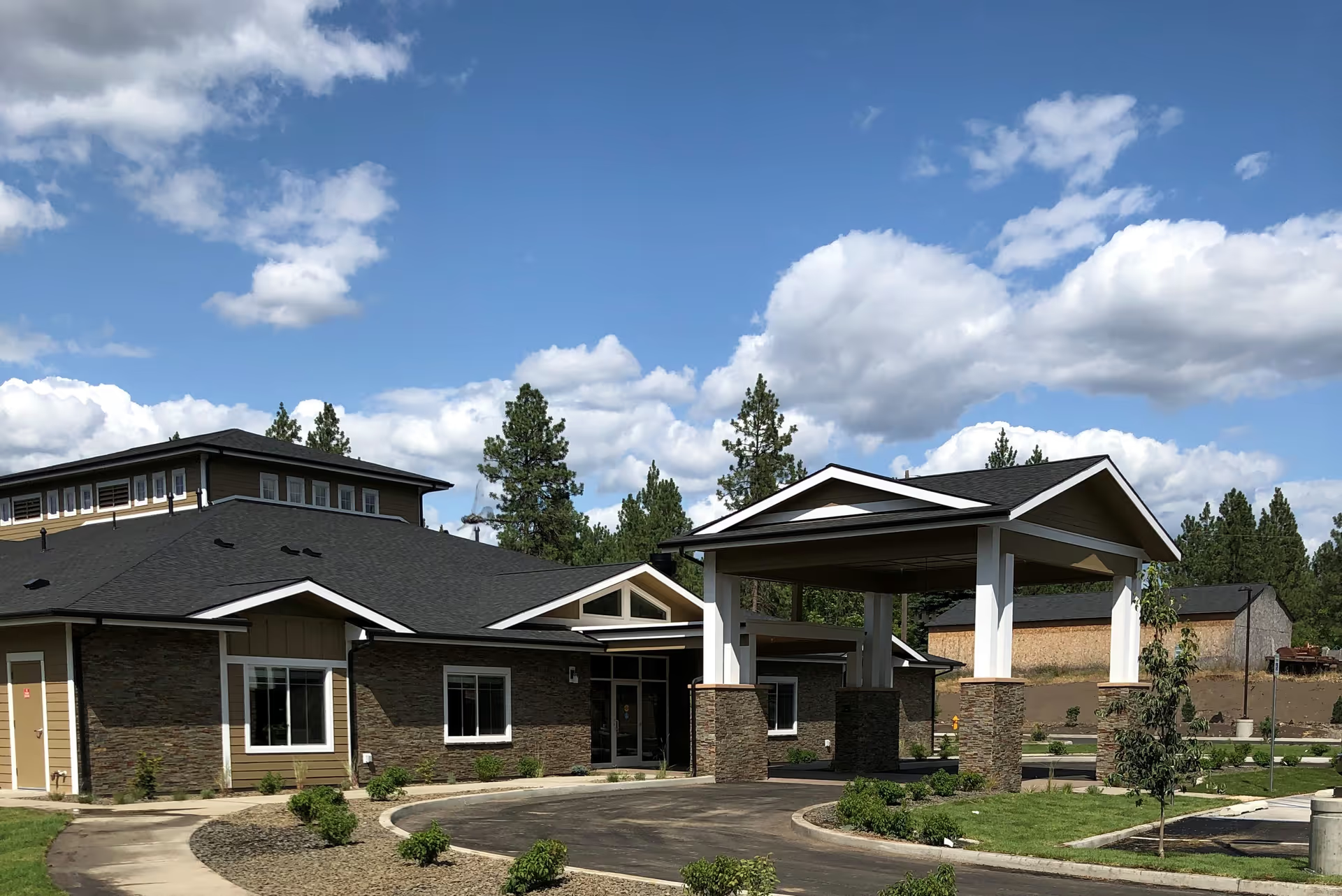
Facilities and environment: The facility is described as home‑like, which is positive and likely contributes to residents’ feelings of happiness and comfort. At the same time, reviewers describe the environment as congested and chaotic. "Congested" suggests limited space or overcrowding, while "chaotic" points to organizational or workflow issues that affect the day‑to‑day atmosphere. Together these comments paint a picture of a warm, family‑style setting that may be strained by capacity or operational challenges.
Dining and activities: The supplied reviews do not include direct comments about dining quality, meal service, or the activity program. Because there is no specific information on those areas, no firm conclusions can be drawn; however, congestion and a chaotic atmosphere could plausibly affect meal times and group activities. The absence of explicit praise or criticism for dining and activities should be noted as a gap in the feedback provided.
Management and oversight: The combination of a generally positive caregiving culture with descriptions of chaos and the inappropriate alcohol suggestion points to potential management or training gaps. Chaotic conditions and at least one instance of unprofessional advice suggest the facility may benefit from clearer policies, stronger staff training on behavior management and regulatory compliance, and tighter supervision to ensure consistent practice.
Notable patterns and concerns: The dominant pattern is a caring, home‑like environment that fosters resident happiness, offset by operational issues (congestion, disorganization) and a serious isolated concern about staff judgment regarding alcohol. These contrasting themes are important: the human side of care appears to be a clear strength, but environmental and policy weaknesses could undermine safety and consistency of care.
In summary, prospective residents and families can expect kind, loving caregivers and a home‑style atmosphere at Good Hope Home Care AFH, but should also inquire about capacity, staffing levels, routines, and the facility’s policies and training regarding behavior management and use of substances. Addressing congestion and organizational issues, and ensuring staff receive and follow clear professional guidelines, would help align the strong interpersonal care with safer, more consistent operational practices.