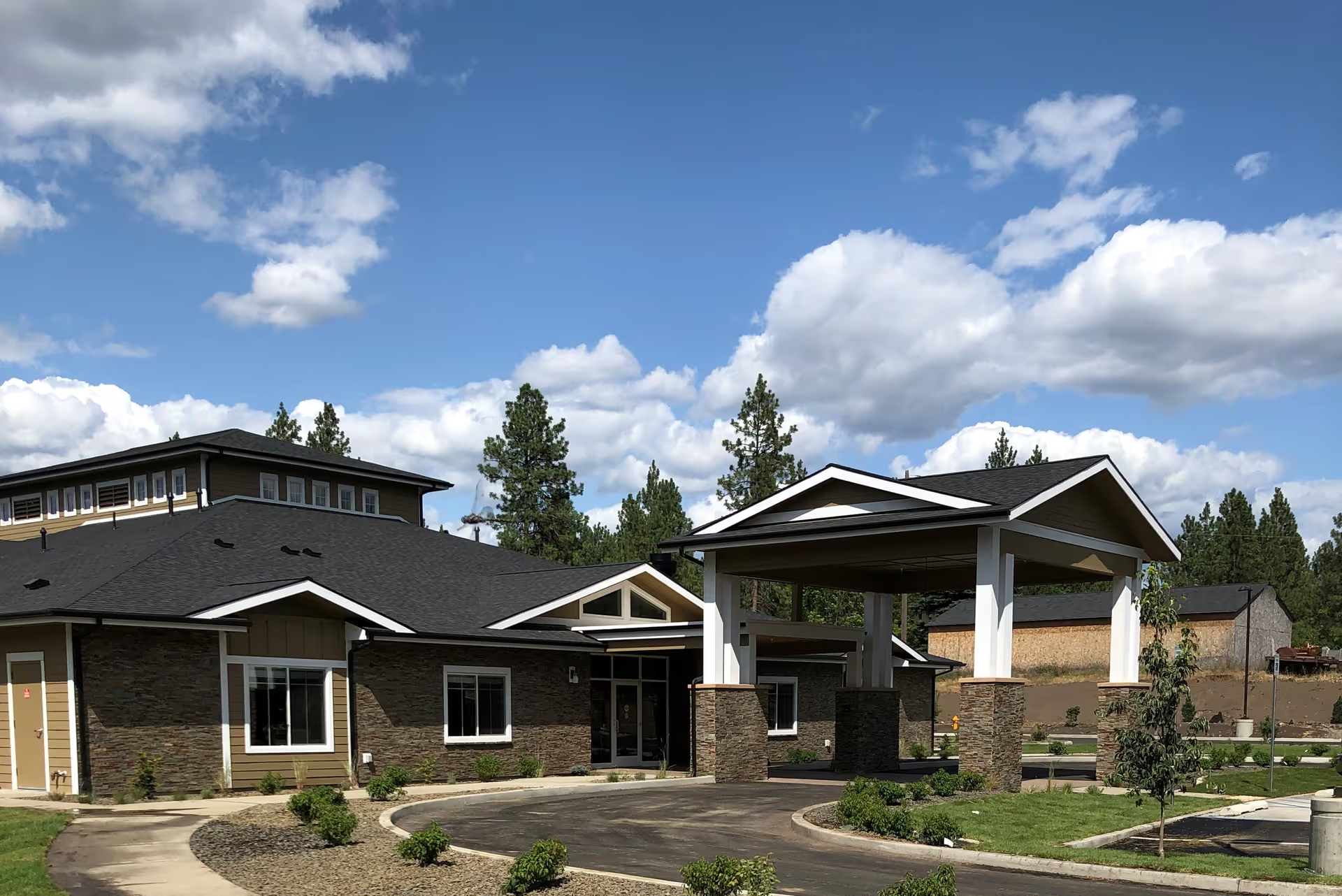
Pullman Care elicits a wide range of experiences. Many families and residents praise the facility for its strong rehabilitation services, with several accounts of effective physical therapy that produced measurable improvement. Nutrition services receive positive mentions where dietitian oversight is in place and meals are described as above-average; other reviewers also note improved food quality and presentation under newer management. Multiple reviewers describe staff who are compassionate, attentive, and family-oriented, and some emphasize reliable emergency response and post-fall care that provided reassurance.
At the same time, there are recurring operational concerns. Cleanliness and sanitation practices are inconsistent across accounts — some areas and rooms are described as tidy and well-maintained while other reports raise sanitation concerns in particular units or during specific shifts. Related to day-to-day care, there are patterns indicating variable staff conduct and professionalism, with instances describing delays in addressing resident needs, concerns about tone and responsiveness, and problems with handling personal belongings. Laundry and clothing-management processes are identified as an area needing improvement.
Clinical and safety processes show mixed feedback. Several reviewers highlight positive outcomes from therapy and attentive nursing; however, there are also noted gaps in medication management, catheter care, and infection-related issues that suggest inconsistent clinical practice adherence. Discharge planning and basic medical-transport options appear to be areas of operational weakness for some families, including abrupt or poorly coordinated discharges in specific cases. Confidentiality and documentation practices are raised as concerns in a subset of accounts.
Management and organizational consistency emerge as a central theme. Some reviewers credit recent leadership changes with rapid, visible improvements to atmosphere, food, and staff attitudes; others describe unresolved complaints and slow responses to serious concerns. This variability suggests that resident experience may depend substantially on timing, staff assignment, or recent management actions.
For prospective residents and families, the facility’s strengths are most evident for short-term rehabilitation and therapy-driven stays, where clinical therapy and personalized caregiving receive consistent praise. Those considering longer-term placement should clarify operational details up front: ask about current staffing levels and schedules, laundry and personal-belonging policies, specific diabetes and diet accommodations, medication- and catheter-management protocols, discharge-planning procedures, and how complaints are documented and resolved. An on-site visit focusing on cleanliness in resident rooms and common areas, observing meal service, and meeting frontline nursing and therapy staff can help determine whether the facility’s current practices align with a family’s expectations.