Merrill Gardens at the University is consistently described as a professionally run, resident-focused assisted living community with particularly strong interpersonal strengths. Families and residents frequently emphasize the compassion, attentiveness, and continuity of the caregiving teams, noting clear nurse–family communication and staff who learn residents’ names and preferences. Move-in and transition supports are characterized as organized and welcoming, with staff-led orientation events and a commonly cited sense of being immediately included in the community.
Care quality and staff interactions are among the community’s most prominent strengths. Reviewers highlight individualized attention from caregivers, responsive wellness and recovery staff, and a general atmosphere of respectful treatment. Several staff members and managers were singled out for leadership in programming and operations. The community’s approach appears to emphasize resident independence and dignity, pairing private apartment living with regular clinical contact and family outreach when needed.
Dining and culinary offerings receive mixed but notable attention. Many reviewers praise a skilled culinary team, attractive presentation, and flexible meal scheduling; special welcome dinners and chef-led menus are often mentioned. However, there are recurring notes about variability: some families find meal quality excellent, while others describe inconsistent taste or service and occasional dining-area cleanliness concerns. Prospective residents should taste the menu and ask about meal-service routines and sanitation protocols during a visit.
Activity programming and community life are frequent selling points. The community runs a wide variety of social, intellectual, and physical options—library services, speaker series, group exercise, game nights, outings, and monthly celebrations—creating a lively environment for residents who want engagement. That said, a few accounts indicate uneven visibility or utilization of activity spaces at certain times; the overall pattern favors an active community but suggests that program participation can vary by cohort and schedule.
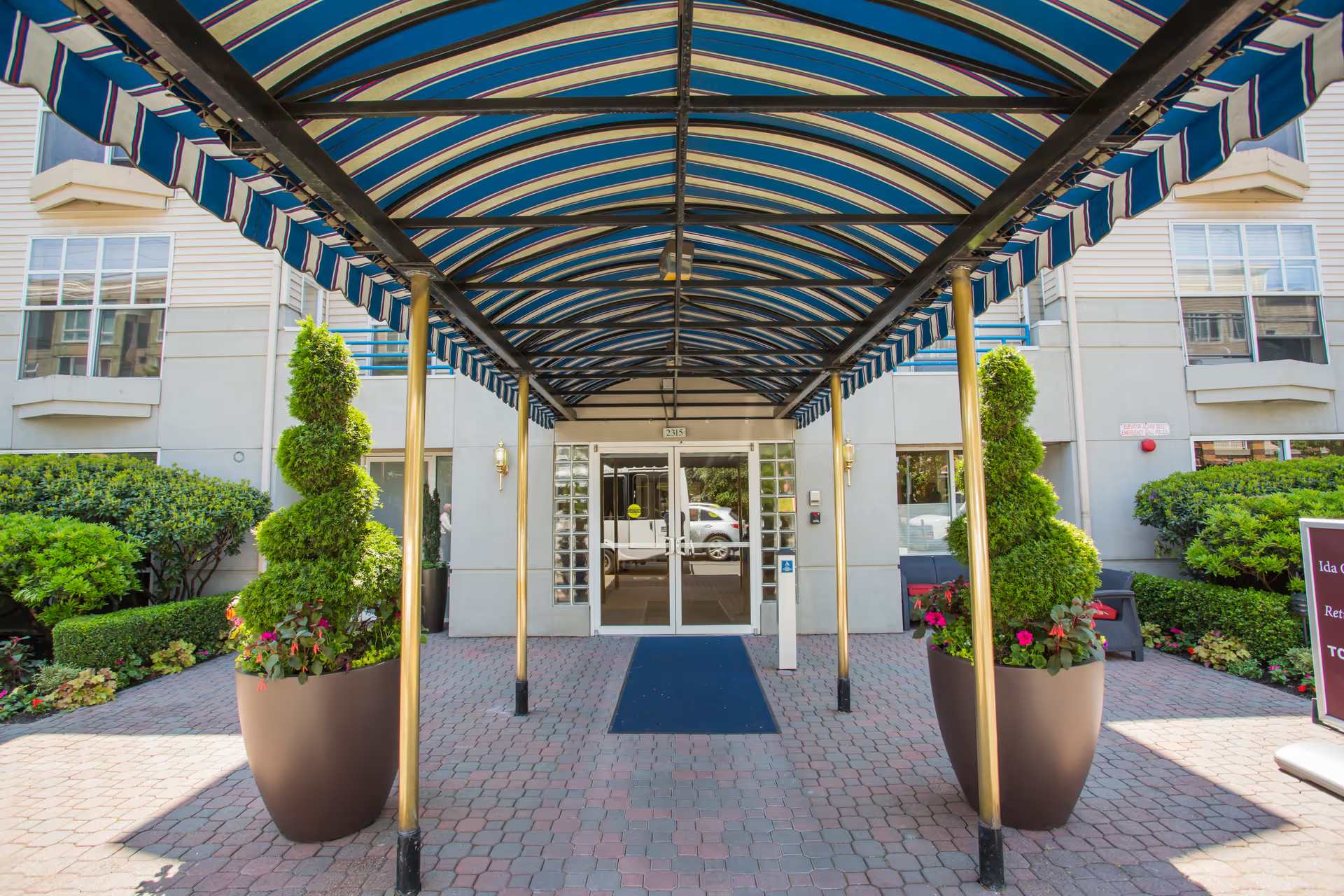
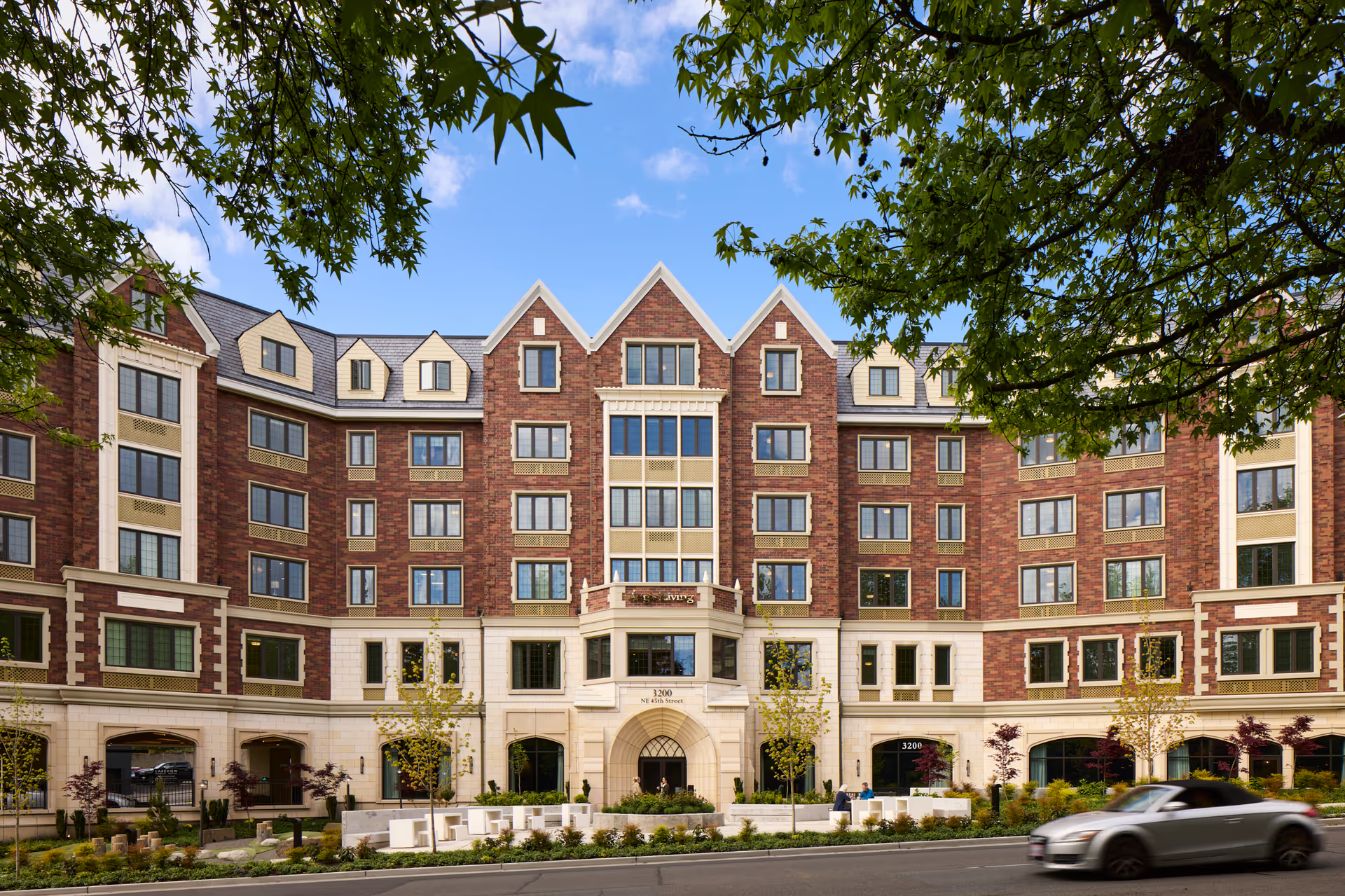
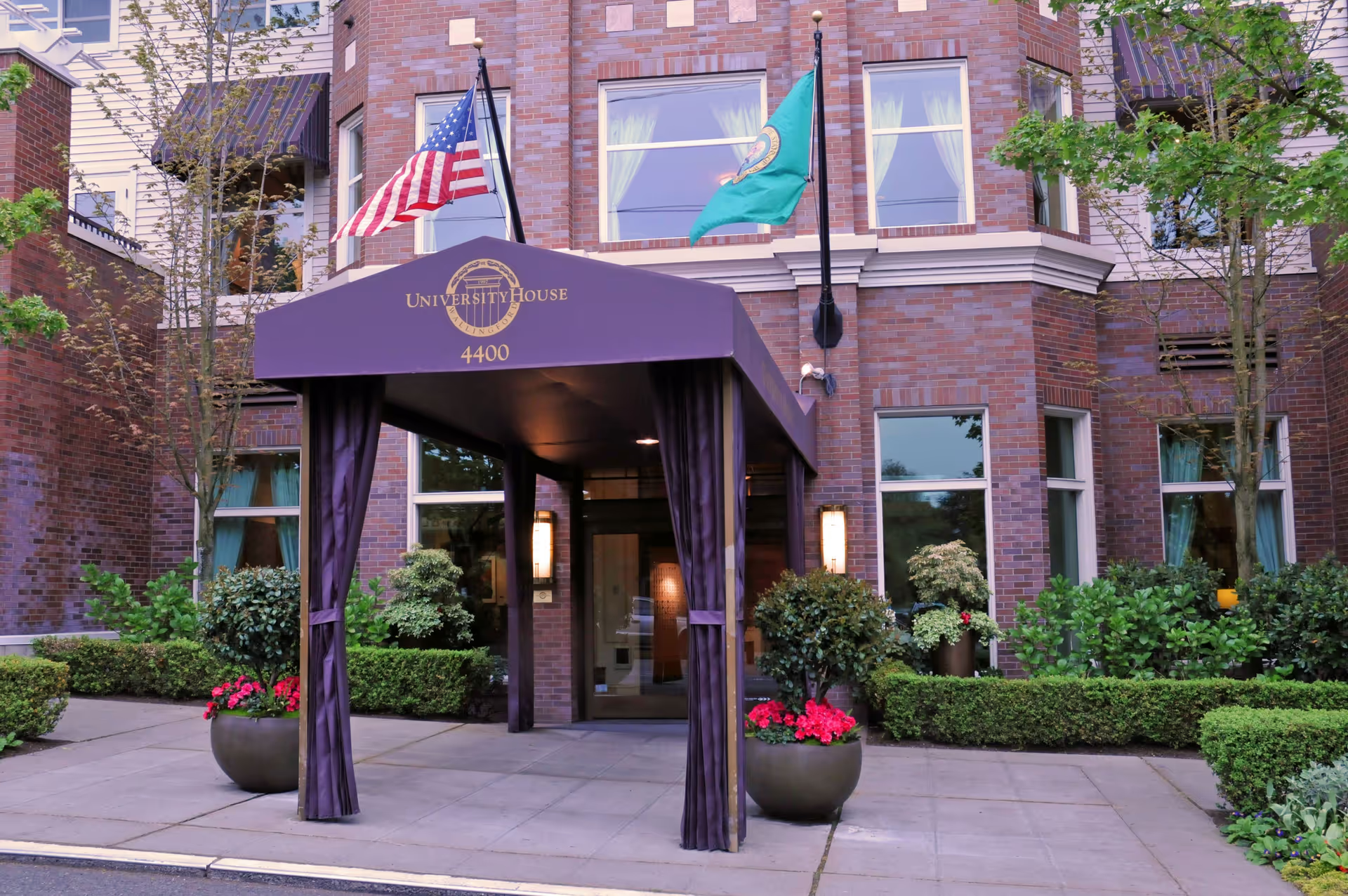
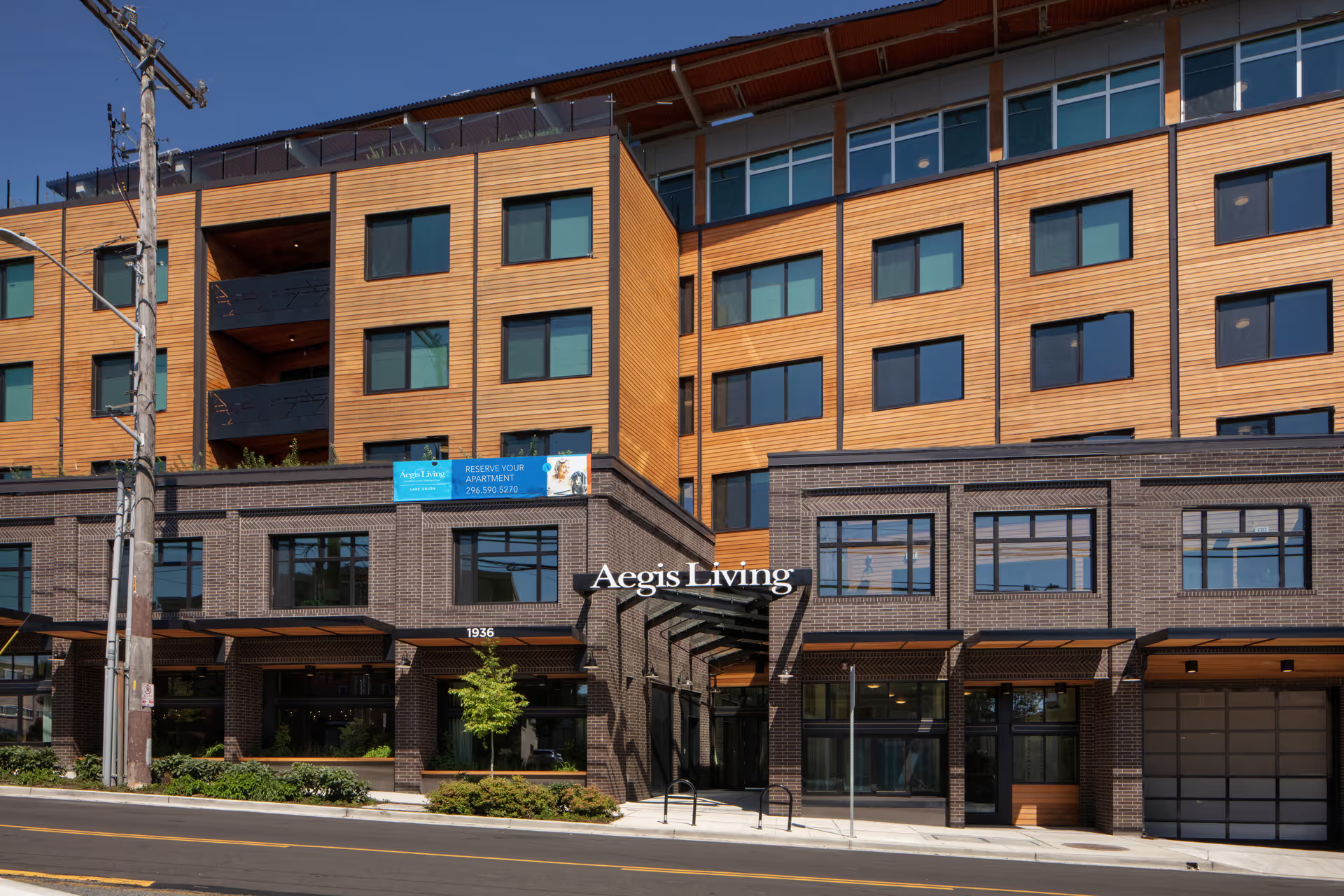
Facilities are commonly described as clean, modern, and well maintained, with attractive indoor public areas and multiple outdoor spaces (a central courtyard, roof garden, and private patios). Apartments are characterized as comfortable and private, though unit sizes are described as modest in some listings and several units lack in-unit laundry. Onsite amenities include a wellness center and workout room, and the location is convenient to University Village and local trails—an important draw for families who value walkability and nearby services.
Operationally, Merrill Gardens shows strengths in hospitality and event coordination, but there are a few consistent operational caveats. Pricing and affordability were noted as opaque or higher than alternatives; prospective residents are advised to clarify fee structures in advance. The community also experiences limited availability and wait lists at times. Finally, the campus does not offer on-site memory-care services, which is a critical consideration for families seeking that level of care.
Overall, Merrill Gardens at the University is a strong option for older adults who prioritize compassionate staff, active programming, outdoor spaces, and a well-kept, community-oriented environment. Prospective residents and families should verify dining preferences, unit size and in-unit amenities, current wait-list status, pricing details, and memory-care referrals during an in-person tour to ensure the community aligns with their clinical and lifestyle needs.